 Back
BackMicrobes in the Environment & Handling Bacteria: Study Notes for Microbiology
Study Guide - Smart Notes
 Tailored notes based on your materials, expanded with key definitions, examples, and context.
Microbes in the Environment & Handling Bacteria
Naming and Classification of Bacteria
Bacterial nomenclature is the system used to name and classify bacteria, following the International Code of Nomenclature of Prokaryotes (ICNP). Proper naming is essential for scientific communication and identification.
Genus Name: Capitalized and italicized (e.g., Escherichia).
Species Epithet: Lowercase and italicized (e.g., coli).
Examples: Escherichia coli, Staphylococcus aureus, Streptococcus pneumoniae.
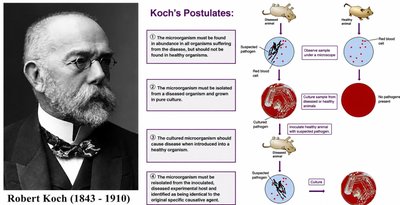
Robert Koch's Experiments and Koch's Postulates
Robert Koch made foundational contributions to microbiology by isolating and culturing bacteria such as Bacillus anthracis and Mycobacterium tuberculosis. His experiments established the link between specific pathogens and diseases, forming the basis of Koch's postulates.
Isolation and Culturing: Koch used nutrient-rich media (gelatin, agar, blood serum) to grow bacteria outside the host.
Animal Inoculation: He verified pathogenicity by inoculating healthy animals with cultured bacteria, observing disease development.
Koch's Postulates: Four criteria to establish causation between a microorganism and a disease.
Aseptic Technique
Aseptic technique is a set of practices designed to prevent contamination by unwanted microorganisms in laboratory, clinical, and manufacturing settings. It is critical for ensuring accurate results and preventing infection.
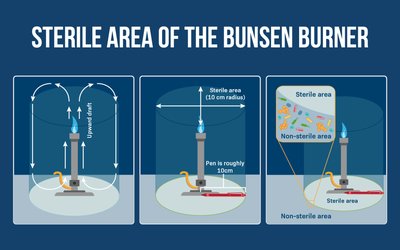
Sterile Work Area: Disinfect surfaces and use biosafety cabinets.
Sterilization of Equipment: Use autoclaving, dry heat, or chemical disinfectants.
Hand Hygiene: Wash hands and use gloves.
Personal Protective Equipment (PPE): Wear lab coats, masks, gloves, and face shields.
Proper Handling of Culture Media: Minimize exposure to air, use sterilized tools.
Flame Sterilization: Pass instruments through a flame to ensure sterility.
Minimizing Airflow: Limit movement and close doors to reduce airborne contamination.
Proper Waste Disposal: Use biohazard containers for contaminated materials.
Handling Specimens: Maintain sterility during collection and processing.
Inoculating Loop and Needle
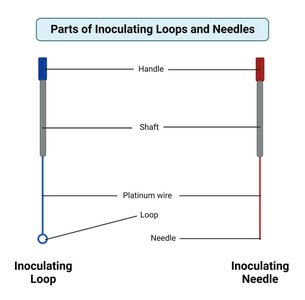
The inoculating loop is a tool used to transfer microorganisms between media. It is essential for streaking plates, preparing smears, and inoculating cultures. The loop must be sterilized before and after use to prevent cross-contamination.
Handle: Made of metal or plastic, heat-resistant.
Loop: Wire loop for picking up samples.
Needle: Straight wire for precise transfers or stabbing media.
Sterilization: Flame until red-hot, allow to cool before use.
First Bacterial Culture: Liquid and Solid Media
Early bacterial cultures were grown in liquid media (broths) made from meat, vegetables, or blood. Solid media, such as potato slices, coagulated egg white, and meat, allowed for the isolation of pure colonies. Gelatin was initially used as a solidifying agent, but its limitations led to the adoption of agar-agar.
Gelatin Limitations: Liquefied at incubation temperatures and digested by some bacteria.
Agar-agar: Solidifies at higher temperatures, not digested by bacteria, ideal for culture media.
Preparing Culture Media
Culture media preparation involves mixing nutrient broth, water, and agar, followed by sterilization and cooling. Proper labeling and handling are essential for accurate results.
Steps: Prepare broth, add agar, boil, autoclave, cool, and pour into petri dishes.
Incubation: Observe growth, colony morphology, and color.
Specimen Collection and Transport
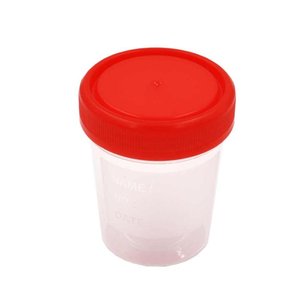
Isolation of bacteria from clinical specimens is crucial for diagnosis and management. Specimens must be accurately labeled, accompanied by requisition forms, and transported promptly to preserve viability and prevent overgrowth.
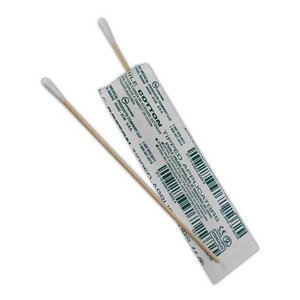
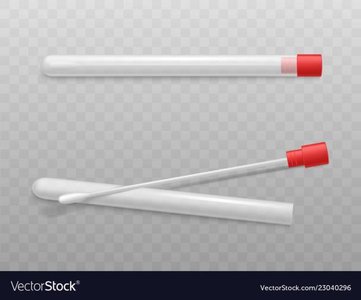
Common Specimens: Urine, feces, wound swabs, throat swabs, blood, etc.
Transport Media: Swabs in charcoal medium, storage at 4°C if delayed.
High-risk Samples: Label for additional safety (e.g., suspected typhoid, brucellosis, tuberculosis).
Microscopy and Gram Staining
Microscopy, especially Gram staining, is used to visualize bacteria and differentiate between Gram-positive (purple) and Gram-negative (pink/red) organisms. This guides the selection of culture media and helps identify mixed infections.
Culture Media: Composition and Uses
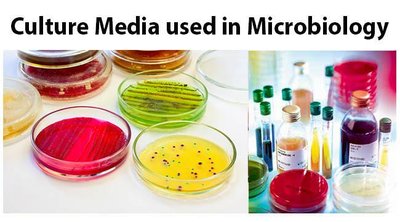
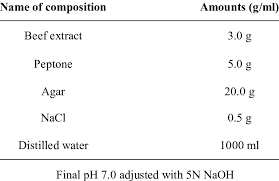
Culture media provide the nutrients required for microbial growth in vitro. Most chemoheterotrophic bacteria are grown on complex media, which contain water, energy sources, carbon, nitrogen, mineral salts, and special growth factors.
Complex Media: Unknown composition concentration (e.g., nutrient broth, peptones).
Solid Media: Nutrient broth + agar = nutrient agar.
Uses: Identification, study of properties, preparation of biological products.
Growing Bacteria: Colony Formation and Growth Patterns
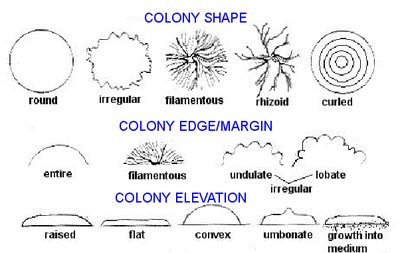
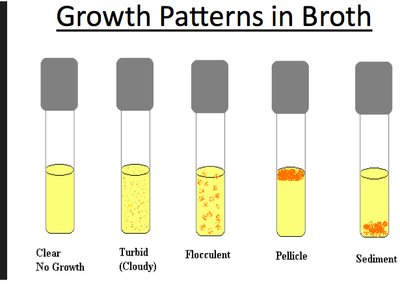
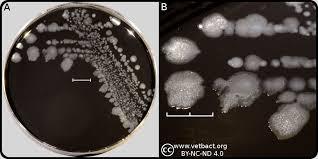
Bacteria are inoculated onto agar or broth, increasing in number during incubation. In liquid media, growth is indicated by turbidity; in solid media, colonies are visible to the naked eye. A colony arises from a colony-forming unit (CFU).
Colony Morphology: Shape, edge, elevation, and color are used for identification.
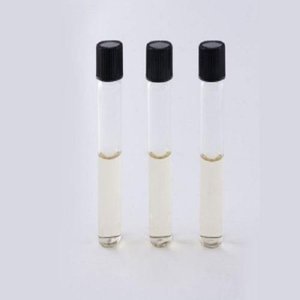
Growth Patterns in Broth: Clear, turbid, flocculent, pellicle, sediment.
Types and Classification of Culture Media
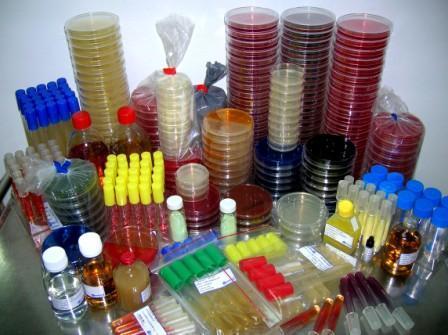
Culture media are classified based on physical state and ingredients. Physical states include solid, semi-solid, and liquid media. Ingredients classify media as simple, complex, synthetic (defined), or special.
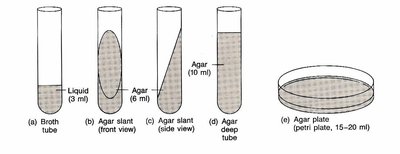
Solid Media: Agar is the most common solidifying agent, melts at 100°C, solidifies at 40°C.
Semi-solid Media: Useful for motility tests.
Liquid Media: Broth, used for uniform bacterial growth.
Sterilization: Autoclave at 121°C, 15 psi for 15 minutes.
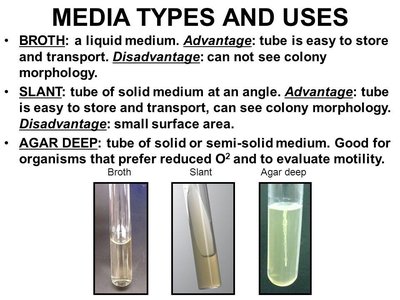
Agar Media and Agar Slants
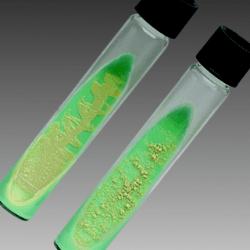
Agar is a gelatin-like substance extracted from red algae and seaweed, used to culture microorganisms. Agar slants are created by cooling agar in test tubes at an angle, providing a slanted surface for growth.
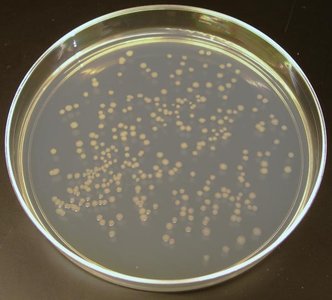
Classification Based on Ingredients
Media are classified as simple, complex, synthetic (defined), or special based on their ingredients.
Simple Media: Nutrient broth, nutrient agar (peptone, meat extract, NaCl).
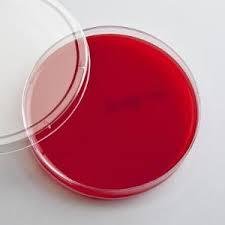
Complex Media: Exact composition difficult to estimate (e.g., blood agar).
Synthetic/Defined Media: Prepared from pure chemicals, composition known (e.g., peptone water).
Special Media: Enriched, selective, differential, transport, anaerobic media.
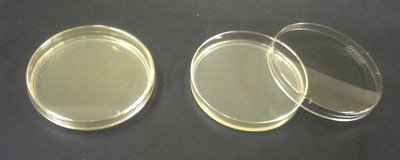
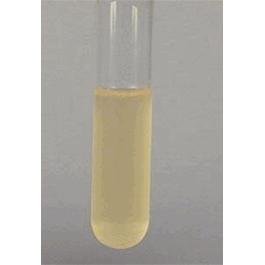
Special Media: Enriched, Selective, Differential, Transport, Anaerobic
Special media are used for specific purposes, such as growing fastidious organisms, isolating particular bacteria, or differentiating between species.
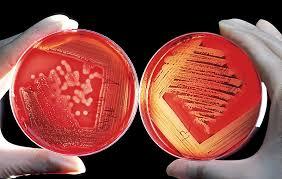
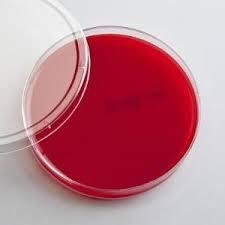
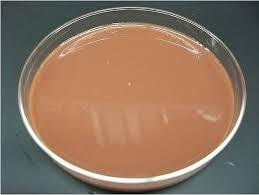
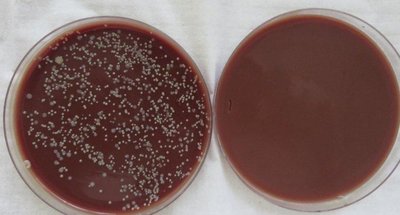
Enriched Media: Blood, serum, or egg added to support growth of demanding bacteria (e.g., blood agar, chocolate agar).
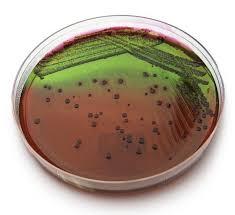
Selective Media: Contains agents to inhibit unwanted microbes and favor desired ones (e.g., Thayer Martin medium, Eosin Methylene Blue, Campylobacter agar, Lowenstein-Jensen medium).
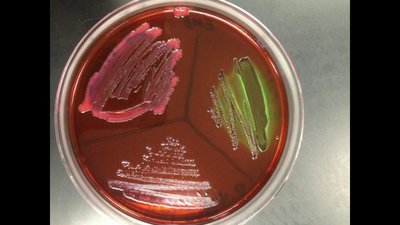
Differential Media: Allows differentiation based on biochemical reactions (e.g., hemolysis on blood agar).
Transport Media: Maintains viability during transport.
Anaerobic Media: Supports growth of anaerobic bacteria.
Medical Terms of the Week: Face, Oral Cavity & Neck
Understanding medical terminology is important for communication in clinical microbiology. Terms related to the face, oral cavity, and neck are frequently used in specimen collection and diagnosis.
Cervico-: Neck
Laryngo-: Larynx (voice box)
Pharyngo-: Pharynx (throat)
Tracheo-: Trachea (windpipe)
Thyro-: Thyroid gland
Carotido-: Carotid artery
Maxillo-: Upper jaw
Mandible-: Lower jaw
Dent-/Odonto-: Teeth
Tympano-: Eardrum
