 Back
BackMicrobial Adaptation to Environmental Factors
Study Guide - Smart Notes
 Tailored notes based on your materials, expanded with key definitions, examples, and context.
Dynamics of Microbial Growth
Environmental Factors Affecting Microbial Growth
Microbial growth is influenced by a variety of physical and chemical environmental factors, in addition to nutrient availability. Understanding these factors is crucial for predicting microbial behavior in natural and artificial environments.
Temperature
Oxygen
Osmolarity
pH
Pressure
Microbes adapt to their environment through both long-term evolutionary changes and short-term physiological responses.
Evolutionary adaptation: Permanent genetic changes over generations.
Short-term adaptation: Temporary physiological responses to sudden environmental changes.
Adaptation to Temperature
Microbial Temperature Ranges and Extremophiles
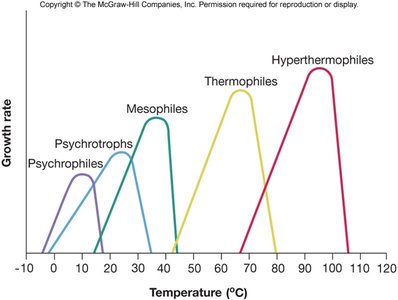
Microbes are classified based on their optimal temperature ranges. Their internal temperature matches the external environment, and extreme temperatures can damage proteins and membranes. Extremophiles have evolved unique adaptations to survive at temperature extremes.
Psychrophiles: Thrive at low temperatures (below 20°C).
Mesophiles: Optimal growth at moderate temperatures (20–45°C).
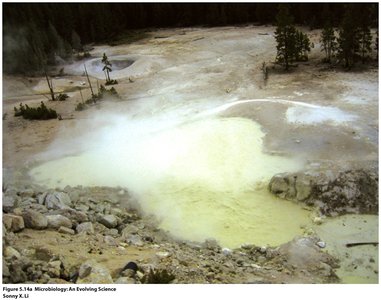
Thermophiles: Prefer high temperatures (45–80°C).
Hyperthermophiles: Grow best above 80°C.
Heat shock response: A short-term adaptation where microbes produce emergency proteins (heat shock proteins, Hsps) that act as chaperones to prevent protein denaturation. This response can also be triggered by other stresses such as high salt, arid conditions, and pH extremes.
Membrane Adaptations to Temperature
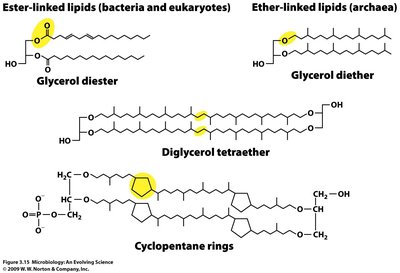
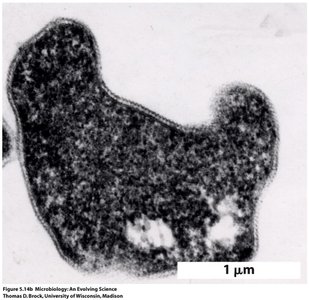
Microbial membranes adapt to temperature through changes in lipid composition. Bacteria and eukaryotes use ester-linked lipids, while archaea use ether-linked lipids, which are more stable at high temperatures. Cyclopentane rings and tetraether lipids in archaeal membranes further enhance stability.
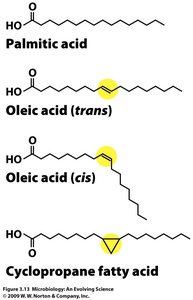
Fatty acid composition: Microbes adjust the saturation and structure of fatty acids in their membranes to maintain fluidity at different temperatures.
Adaptation to Oxygen
Oxygen Requirements and Tolerance
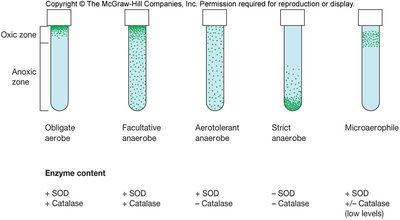
Microbes vary in their ability to tolerate oxygen, which is determined by their enzyme content and ability to neutralize reactive oxygen species (ROS). Oxygen can be both beneficial and harmful due to the formation of ROS.
Obligate aerobes: Require oxygen for growth.
Facultative anaerobes: Can grow with or without oxygen.
Aerotolerant anaerobes: Tolerate oxygen but do not use it.
Strict anaerobes: Cannot tolerate oxygen.
Microaerophiles: Require low levels of oxygen.
Key enzymes for ROS detoxification include superoxide dismutase (SOD) and catalase.
Adaptation to Osmolarity
Osmotic Stress and Microbial Responses
Osmolarity refers to the concentration of solutes in the environment. Water moves from regions of low to high solute concentration via osmosis, affecting microbial cells. Microbes employ several strategies to cope with osmotic stress:
Formation of inclusion bodies to reduce intracellular osmolyte concentration.
Expulsion of solutes via mechanosensitive channels.
Expulsion of water via contractile vacuoles.
Synthesis or uptake of molecules and ions to increase intracellular osmolyte concentration.
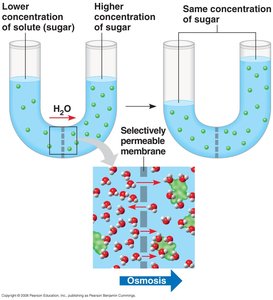
Halophiles: Adaptation to High Salt
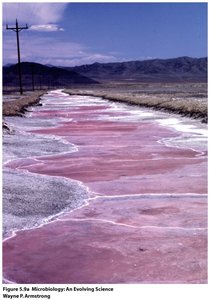
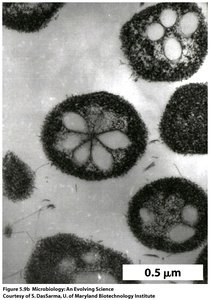
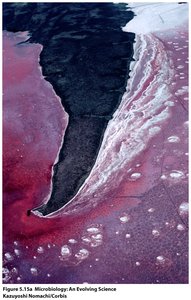
Halophiles are microbes that thrive in high-salt environments. Most bacteria prefer salt concentrations between 0.1 and 1 M, while halophiles grow optimally at 2–6.2 M. Their plasma membranes and cell walls are stabilized by high Na+, and they accumulate large amounts of K+ to remain slightly hypertonic to their environment. Enzymes and proteins in halophiles require high K+ concentrations for activity.
Adaptation to pH
Microbial Growth and pH Ranges
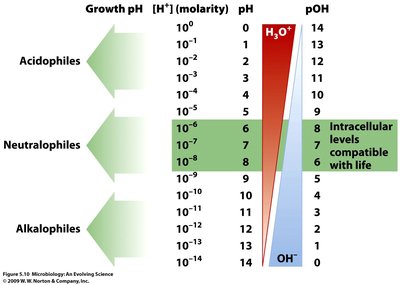
Microbial enzymes function within narrow pH ranges, and microbes are classified based on their optimal pH for growth:
Acidophiles: Grow in acidic environments (low pH, high H+ concentration).
Neutrophiles: Prefer neutral pH.
Alkalophiles: Thrive in basic environments (high pH, low H+ concentration).
Mechanisms for pH Homeostasis
Acidophiles and alkalophiles maintain a neutral internal pH despite external extremes. Acidophiles have plasma membranes with high levels of tetraether lipids to decrease permeability to H+ and actively export H+. Alkalophiles also have tetraether lipids and cell walls containing acidic polymers that neutralize bases outside the cell.

Adaptation to Pressure
Microbial Responses to Pressure
Pressure can damage microbial membranes and internal structures. Microbes living at different depths in aquatic environments must adapt to varying pressures:
Barophiles: Require high pressure for growth but die at even higher pressures.
Barotolerant organisms: Grow up to a certain pressure but die at higher pressures.
Barosensitive organisms: Die as pressure increases.
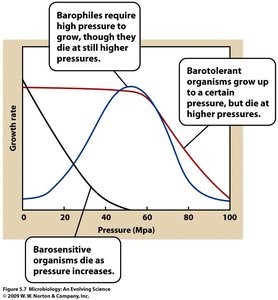
Example: Microbes at the bottom of the ocean experience pressures up to 1000 atm (100 MPa) and have specialized adaptations to survive.
