 Back
BackMicrobial Classification: Taxonomy and Morphology of Prokaryotes, Eukaryotes, and Fungi
Study Guide - Smart Notes
 Tailored notes based on your materials, expanded with key definitions, examples, and context.
Microbial Classification and Taxonomy
Introduction to Taxonomy
Taxonomy is the science of classification, identification, and nomenclature of organisms based on hierarchical relationships. It is fundamental to microbiology, as it organizes the vast diversity of microbial life into structured groups for study and communication.
Classification: Orderly arrangement of organisms into groups based on established criteria.
Identification: Practical use of classification criteria to distinguish organisms.
Nomenclature: Naming organisms to define and communicate their characteristics among scientists.
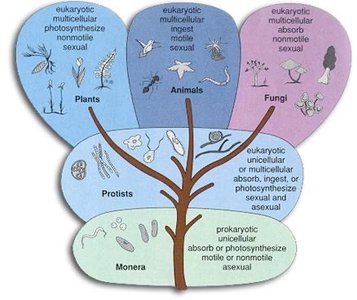
Domains and Kingdoms of Life
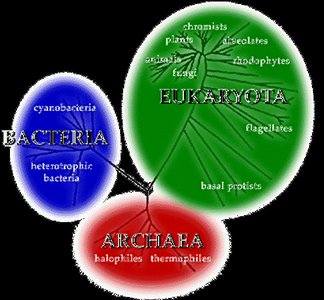
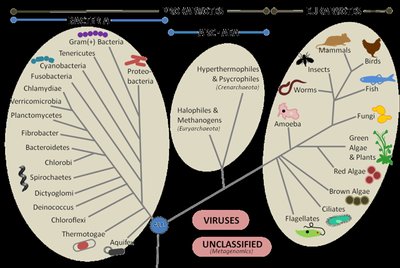
Life is classified into three domains: Bacteria, Archaea, and Eukarya. Each domain is further divided into kingdoms and phyla based on genetic and evolutionary relationships.
Bacteria: Prokaryotic, unicellular, diverse metabolic capabilities.
Archaea: Prokaryotic, often extremophilic, unique membrane lipids.
Eukarya: Eukaryotic, includes plants, animals, fungi, and protists.
Criteria for Microbial Classification
Properties Used in Classification
Microorganisms are classified based on a variety of properties:
Cell structure: Membrane, wall, nucleus, organelles
Reproduction: Asexual (binary fission, budding, snapping division), sexual
Energy and carbon source: Phototrophic, chemoheterotrophic, autotrophic
Morphology: Shape, arrangement, colony characteristics
Thriving environment: Extremophilic, pathogenic, symbiotic
Taxonomic Hierarchy
Organisms are classified into relationship-based hierarchies called taxa. The main ranks are:
Domain
Kingdom
Phylum
Class
Order
Family
Genus
Species
Prokaryotic Classification: Bacteria and Archaea
Major Phyla and Their Properties
Bacteria and Archaea are classified into numerous phyla based on genetic (rRNA) and phenotypic properties. Bergey's Manual is the authoritative reference for prokaryotic taxonomy.
Bacteria: Includes phyla such as Firmicutes, Actinobacteria, Proteobacteria, Cyanobacteria, Spirochaetes, and more.
Archaea: Includes Crenarchaeota, Euryarchaeota, Korarchaeota, Nanoarchaeota.

Cell Morphology and Colony Characteristics
Bacterial classification often relies on cell shape and arrangement:
Coccus: Spherical (diplo-, staphylo-, strepto-, tetrad, sarcina)
Bacillus: Rod-shaped (diplo-, strepto-, palisade, cocco-)
Other: Coryne-, vibrio, spirillum, spirochete, filamentous
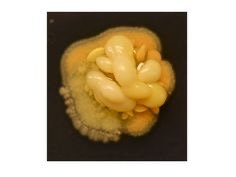
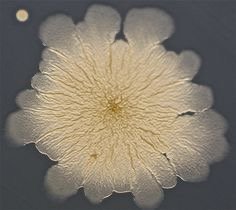
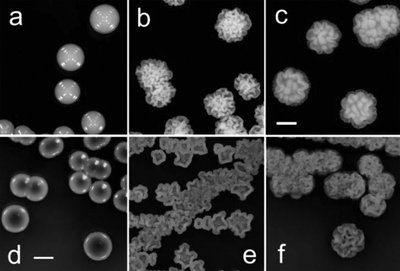
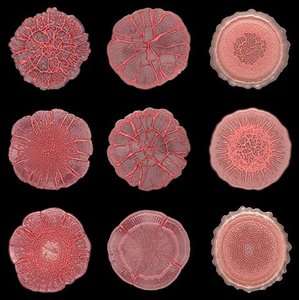
Colony morphology is also used, including form, elevation, margin, surface, texture, and color.
Classification of Eukaryotes: Protozoa, Fungi, and Parasites
Protozoa
Protozoa are diverse, unicellular, eukaryotic organisms lacking a cell wall. They are classified based on motility, life cycle, and genetic traits.
Motility: Cilia, flagella, pseudopodia
Life stages: Trophozoite (feeding), cyst (resting)
Reproduction: Asexual (binary fission, schizogony), sexual (gametocytes, zygotes)
Major groups include Parabasala, Alveolata (ciliates, apicomplexans, dinoflagellates), Cercozoa, Radiolaria, Amoebozoa, Euglenozoa, Diplomonadida.
Fungi
Fungi are eukaryotic, mostly multicellular organisms with chitinous cell walls. They are classified by reproductive structures and life cycles.
Hyphae: Filamentous structures forming mycelium
Reproduction: Asexual (spores, fragmentation), sexual (meiosis, dikaryon stage)
Major divisions: Glomeromycota (Zygomycota), Ascomycota, Basidiomycota, Deuteromycota
Fungi can be unicellular (yeasts) or multicellular (molds, mushrooms). Some are dimorphic, switching between forms.
Parasitic Eukaryotes
Parasitic eukaryotes include helminths (worms) and arthropods (vectors). They are classified by morphology, life cycle, and host relationships.
Helminths: Platyhelminthes (flatworms: cestodes, trematodes, turbellarians), Nematoda (roundworms), Annelida (segmented worms)
Arthropods: Arachnida (ticks, mites), Insecta (fleas, lice, mosquitoes)
Summary Table: Domains and Major Groups
Domain | Kingdom/Group | Key Properties |
|---|---|---|
Bacteria | Various (e.g., Firmicutes, Proteobacteria) | Prokaryotic, unicellular, diverse metabolism |
Archaea | Crenarchaeota, Euryarchaeota, etc. | Prokaryotic, extremophilic, unique lipids |
Eukarya | Plants, Animals, Fungi, Protists | Eukaryotic, multicellular/unicellular, organelles |
Representative Images of Microbial Classification
Key Terms and Concepts
Taxonomy: Hierarchical classification of organisms
Domain: Highest taxonomic rank (Bacteria, Archaea, Eukarya)
Phylum: Major group within a domain
Extremophile: Organism thriving in extreme environments
Binary Fission: Asexual reproduction in prokaryotes
Hyphae: Filamentous fungal cells
Mycelium: Network of hyphae
Proglottid: Tapeworm segment
Definitive Host: Host where parasite matures and reproduces
Intermediate Host: Host supporting immature parasite stages
Conclusion
Microbial classification is essential for understanding the diversity, properties, and impacts of microorganisms. Taxonomy organizes life into domains, kingdoms, and phyla, while classification uses structural, metabolic, and ecological properties to distinguish groups. This foundational knowledge is critical for medical, industrial, and environmental microbiology.
