 Back
BackMicrobial Communities and the Human Microbiome
Study Guide - Smart Notes
 Tailored notes based on your materials, expanded with key definitions, examples, and context.
Microbial Communities and Symbiosis
Types of Symbiotic Relationships
Symbiosis describes a close and often long-term interaction between two different biological species. These relationships can be classified based on the degree of harm, dependency, and benefit to the organisms involved.
Mutualism: Both organisms benefit from the interaction.
Commensalism: One organism benefits, while the other is neither helped nor harmed.
Parasitism: One organism benefits at the expense of the other.



Example: The human microbiome is a mutualistic relationship where microorganisms benefit from the host environment and the host gains health benefits.
Physical Barriers and Biological Niches
Host Barriers and Microbial Niches
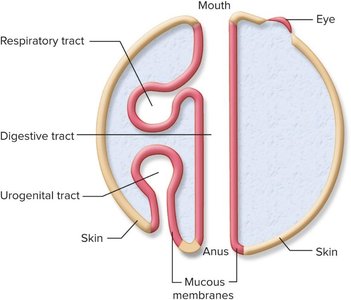
Pathogens must overcome physical barriers to colonize host tissues. These barriers are closely related to the biological niches that microbes inhabit.
Mucosal tissues: These tissues house the microbiome and provide moist, mucus-rich environments.
Skin: Dry and hostile, favoring dehydration-resistant species.
Gastrointestinal tract: Largely anoxic, favoring anaerobes.
The Human Microbiome
Composition and Functions
The human microbiome consists of mutualistic organisms, including bacteria, archaea, fungi, and viruses (mostly bacteriophage). It plays a crucial role in digestion, micronutrient production, immune modulation, and competition with pathogens.
Digestion: Microbes help break down complex carbohydrates and produce volatile fatty acids (VFAs).
Micronutrients: Microbial metabolites serve as essential nutrients.
Immune modulation: Microbiota influence inflammation and immune tolerance.
Colonization resistance: Microbiota occupy niches and consume resources, preventing pathogen attachment and growth.
Microbiome Development and Variation
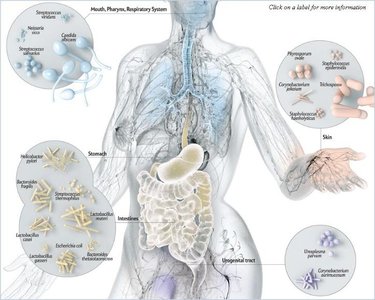
Colonization begins at birth and is shaped by early life events, such as maternal health, mode of delivery, and infant diet. The composition of the microbiome changes over time and varies among individuals.
Vaginal vs. Caesarian birth: Different initial microbial communities.
Breastfeeding vs. formula feeding: Influences microbiome development.
Diet: Continues to shape the microbiome throughout life.
Microbiome Diversity Across Body Sites
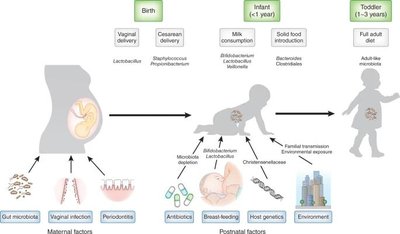
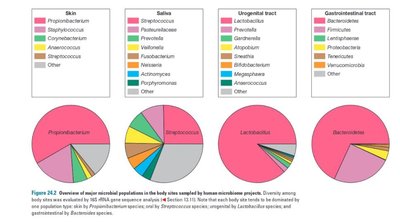
Different MALT (Mucosal-Associated Lymphoid Tissue) sites have distinct microbial communities. While there is a typical composition for each site, the specific microorganisms vary among individuals.
Skin: Dominated by dehydration-resistant species.
GI tract: Dominated by anaerobes.
Saliva, urogenital tract, gastrointestinal tract: Each has characteristic dominant taxa.
Person-to-Person Variability and Disease
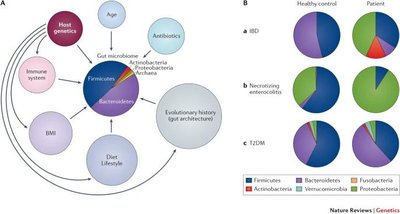
Microbiome composition is linked to long-term health outcomes. Dysbiosis, or imbalance in the microbiome, is associated with diseases such as inflammatory bowel disease and type 2 diabetes.
Dysbiosis: Disruption of normal microbial balance, leading to disease.
Example: Overgrowth of Clostridium difficile after antibiotic treatment.
Microbiota and Infection Prevention
Mechanisms of Protection
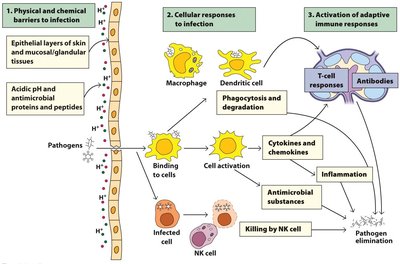
The microbiome protects against pathogens by occupying niches, consuming nutrients, and producing antimicrobial compounds. Suppression of the microbiome (e.g., by antibiotics) can lead to pathogen colonization and disease.
Competition: Microbiota prevent pathogen attachment and growth.
Antimicrobial production: Direct inhibition of pathogens.
Example: Antibiotic-induced suppression of Lactobacillus can lead to vulvovaginal candidiasis.
Fecal Microbiota Transplantation (FMT)
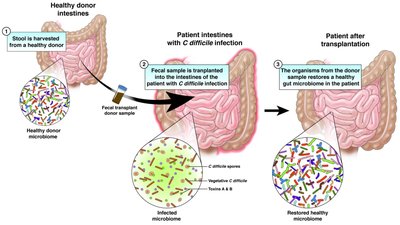
FMT is a therapeutic approach to restore healthy microbiome composition, especially in cases of recurrent C. difficile infection.
Process: Transplantation of stool from a healthy donor to a patient.
Outcome: Restoration of healthy gut microbiota and resolution of infection.
The Mammalian Gut Microbiome
Mutualistic Associations in Digestion
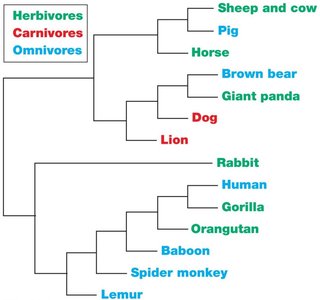
Mammalian species have evolved gut structures that foster mutualistic associations with microorganisms. Microbial fermentation is essential for digestion, especially of plant fiber (cellulose).
Herbivory: Enlarged anoxic fermentation chambers and extended retention time in the gut.
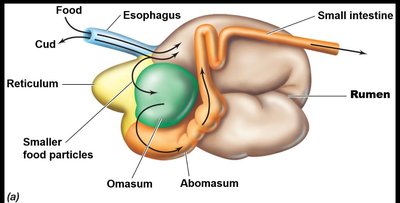
Ruminants: Specialized rumen for microbial digestion of cellulose.
The Rumen and Ruminants
The rumen is an anoxic chamber where cellulose and other plant polysaccharides are digested by microorganisms. The microbial community is dominated by anaerobic bacteria, with methanogens representing the archaeal population.
Microbial hydrolysis: Frees glucose from cellulose.
Fermentation: Produces volatile fatty acids (VFAs) and gases.
Diet changes: Alter rumen microbial composition, sometimes causing illness (e.g., acidosis).
The Human Gut Microbiome
Functions and Health Implications
The gut microbiome synthesizes enzymes for carbohydrate breakdown, participates in nitrogen metabolism, matures the GI tract, and primes the immune system. It is linked to health outcomes such as obesity and immune development.
Obesity: Differences in gut microbial communities are associated with obesity in mice and humans.
Pregnancy: Microbial diversity shifts to accommodate increased energy demands.
The Human Mouth and Skin Microbiome
Distinct Environments and Microbial Diversity
The mouth and skin provide distinct environments for microbial communities. The skin is hostile (high salt, low pH, dry), while the mouth offers varied habitats and nutrients.
Skin: Dominated by Actinobacteria, Firmicutes, Proteobacteria, and Bacterioidetes.
Mouth: Diverse biofilms, abundant genera include Streptococcus, Haemophilus, Veillonella, Actinomyces, and Fusobacterium.
Oral defenses: Lysozyme and lactoperoxidase inhibit bacterial growth.
The Respiratory Tract Microbiome
Microbial Colonization and Defense
Mucous membranes in the respiratory tract support normal microflora that prevent infection. The upper respiratory tract is colonized by bacteria, while the lower tract is typically sterile in healthy adults.
Defense mechanisms: Mucus traps bacteria, ciliated cells expel them.
Common flora: Staphylococcus aureus and Streptococcus pneumoniae.
Microbial Evolution and Disease Identification
Red Queen Hypothesis
The Red Queen Hypothesis proposes that species must constantly adapt and evolve to survive against ever-evolving opposing organisms in a changing environment.
Koch's Postulates
Koch's postulates are four criteria designed to establish a causative relationship between a microbe and a disease. They are foundational in identifying pathogenic microbes but are not always applicable to identifying members of the normal microflora.
Criteria: Presence in diseased individuals, isolation and culture, reproduction of disease in healthy hosts, and re-isolation.
Additional info: These notes expand on brief points with academic context, definitions, and examples to provide a comprehensive overview suitable for microbiology college students.
