 Back
BackMicrobial Control: Physical and Chemical Methods, and Factors Affecting Microbial Growth
Study Guide - Smart Notes
 Tailored notes based on your materials, expanded with key definitions, examples, and context.
Limits to Microbial Growth
Key Environmental Factors Affecting Microbial Growth
Microbial growth is influenced by several environmental factors, including temperature, oxygen, pH, and salt concentration. Understanding these factors is essential for controlling microbial populations in clinical, industrial, and laboratory settings.
Temperature and Microbial Growth
Temperature Ranges and Microbial Categories
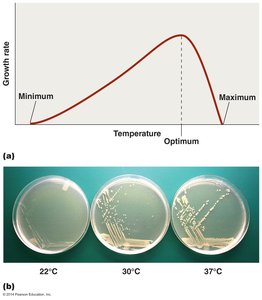
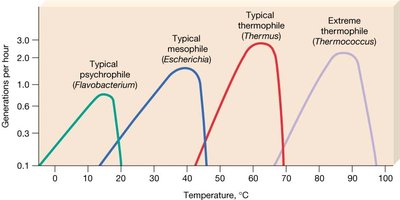
Temperature is a critical determinant of microbial growth rate. Each microorganism has a minimum, optimum, and maximum temperature for growth. The optimum temperature is where growth rate is highest.
Psychrophiles: Grow best at low temperatures (0–20°C).
Psychrotrophs: Grow at low temperatures but have higher optima than psychrophiles.
Mesophiles: Grow best at moderate temperatures (20–45°C); includes most human pathogens.
Thermophiles: Grow best at high temperatures (45–80°C).
Hyperthermophiles: Thrive at extremely high temperatures (>80°C).
Thermal Control Methods
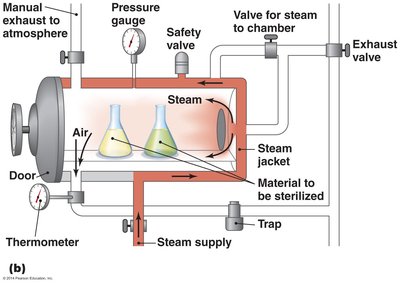
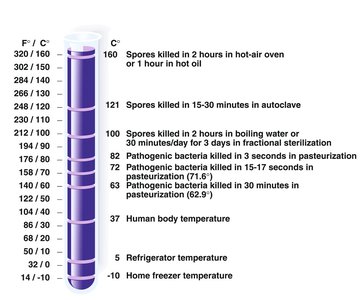
Heat is commonly used to control microbial growth. Methods include autoclaving, pasteurization, and dry heat sterilization. The effectiveness depends on temperature and exposure time.
Autoclaving: Uses moist heat under pressure (121.5°C, 15 psi, 15 min) to sterilize materials.
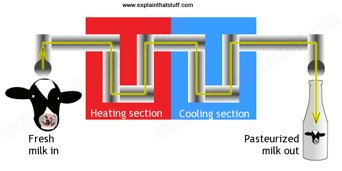
Pasteurization: Reduces microbial load in food and beverages without sterilizing. Flash pasteurization (71.6°C for 15 sec) and ultra-high temperature (UHT, 140°C for 3 sec) methods are common.
Dry Heat: Used for materials that can withstand high temperatures (e.g., glassware).
Oxygen Requirements
Types of Microbial Oxygen Requirements
Microorganisms vary in their oxygen requirements, which affects their growth patterns in different environments.
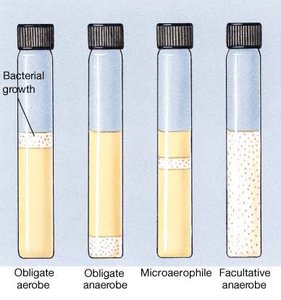
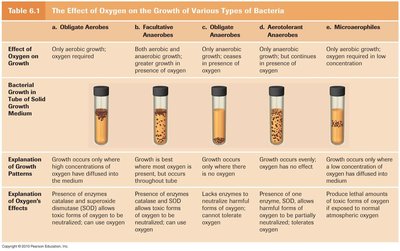
Obligate aerobes: Require oxygen for growth.
Obligate anaerobes: Cannot tolerate oxygen.
Facultative anaerobes: Can grow with or without oxygen, but grow better with oxygen.
Microaerophiles: Require low levels of oxygen.
Aerotolerant anaerobes: Do not use oxygen but can tolerate its presence.
pH and Microbial Growth
pH Preferences
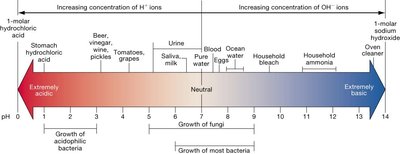
Most bacteria grow best at neutral pH (around 7), but some can tolerate or prefer acidic or basic environments.
Acidophiles: Grow optimally at low pH (acidic conditions).
Neutrophiles: Prefer neutral pH.
Alkaliphiles: Grow best at high pH (alkaline conditions).
Salt Tolerance (Osmotic Pressure)
Halophiles and Osmotic Effects
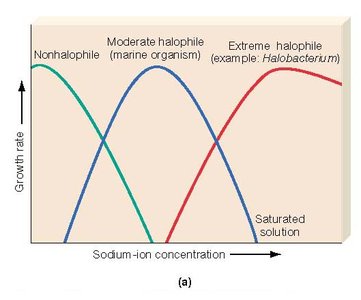
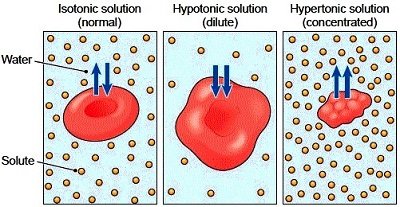
Salt concentration affects microbial growth by influencing osmotic pressure. Microbes are classified based on their salt tolerance:
Nonhalophiles: Grow best without added salt.
Halotolerant: Can tolerate some salt but grow best without it.
Moderate halophiles: Require moderate salt concentrations.
Extreme halophiles: Require very high salt concentrations (e.g., Halobacterium).
Physical Methods of Microbial Control
Overview of Physical Controls
Physical methods are used to control microbial growth in various settings. These include heat, filtration, radiation, and osmotic pressure.
Heat: Moist and dry heat denature proteins and destroy membranes.
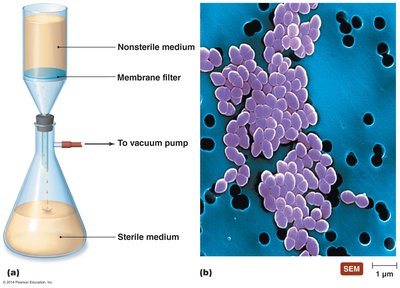
Filtration: Removes microbes from heat-sensitive liquids and air.
Radiation: UV and ionizing radiation damage DNA and cellular components.
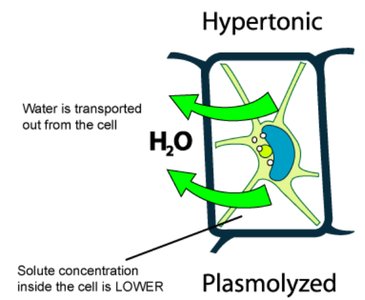
Osmotic Pressure: High salt or sugar concentrations inhibit microbial growth by causing plasmolysis.
Chemical Methods of Microbial Control
Major Classes of Chemical Agents
Chemical agents are used to disinfect, sanitize, or sterilize surfaces and materials. Their effectiveness depends on concentration, exposure time, and the nature of the microbe.
Halogens: Oxidize proteins and inactivate enzymes (e.g., chlorine, iodine).
Heavy Metals: Interfere with microbial metabolism (e.g., silver, mercury, copper).
Alcohols: Denature proteins and disrupt membranes (e.g., ethanol, isopropanol).
Surfactants: Disrupt membranes and aid in mechanical removal of microbes (e.g., soaps, detergents).
Aldehydes: Cross-link proteins and nucleic acids (e.g., formaldehyde, glutaraldehyde).
Gaseous Agents: React with proteins and nucleic acids (e.g., ethylene oxide).
Principle of Selective Toxicity and Antimicrobial Chemotherapy
Selective Toxicity
Selective toxicity refers to the ability of an antimicrobial agent to target microbial cells without harming host cells. This principle is fundamental to the development of effective chemotherapeutic agents.
Paul Ehrlich: Developed the concept of a "magic bullet"—a compound that selectively targets pathogens.
Alexander Fleming: Discovered penicillin, the first true antibiotic.
Mechanisms of Action of Antimicrobial Agents
Antimicrobials act by targeting essential microbial structures or processes:
Cell wall synthesis inhibitors: (e.g., penicillins, cephalosporins, vancomycin)
Protein synthesis inhibitors: (e.g., aminoglycosides, tetracyclines, chloramphenicol)
Nucleic acid synthesis inhibitors: (e.g., quinolones, nucleoside analogs)
Metabolic pathway inhibitors: (e.g., sulfonamides, trimethoprim)
Cell membrane disruptors: (e.g., polymyxins, daptomycin)
Antibiotic Resistance
Development and Mechanisms of Resistance
Microbes can develop resistance to antimicrobial agents through mutations or acquisition of resistance genes. Mechanisms include:
Enzymatic destruction or modification of the drug
Alteration of drug targets
Decreased permeability or increased efflux of the drug
Bypassing the inhibited pathway
Antibiotic resistance is a major public health concern, emphasizing the need for prudent use of antimicrobials and ongoing research into new therapies.
