 Back
BackMicrobial Diseases of the Cardiovascular and Lymphatic Systems
Study Guide - Smart Notes
 Tailored notes based on your materials, expanded with key definitions, examples, and context.
Diseases of the Cardiovascular and Lymphatic Systems
Overview of the Cardiovascular and Lymphatic Systems
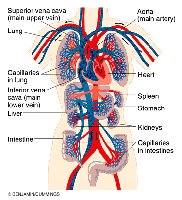
The cardiovascular system consists of the heart, blood, and blood vessels, responsible for transporting nutrients, gases, and waste products throughout the body. The lymphatic system is a network of vessels and nodes that returns interstitial fluid (lymph) to the bloodstream and plays a critical role in immune defense.
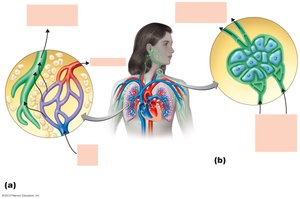
Plasma leaves blood capillaries to become interstitial fluid, which bathes tissues.
Lymph capillaries collect interstitial fluid and transport it through lymph vessels and nodes back to the blood.
Lymph nodes contain fixed macrophages, B cells, and T cells, which help filter pathogens and mount immune responses.
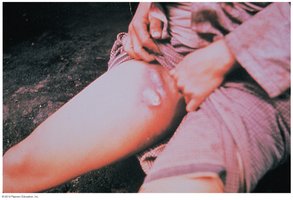
Buboes are swollen lymph nodes, often a sign of infection.
Bacterial Diseases of the Cardiovascular and Lymphatic Systems
Sepsis and Septic Shock
Sepsis is a systemic inflammatory response to infection, often caused by the spread of bacteria or their toxins in the blood. Septicemia refers to persistent pathogens or toxins in the blood. Severe sepsis leads to decreased blood pressure, and septic shock is characterized by uncontrollable low blood pressure, often due to endotoxin release.
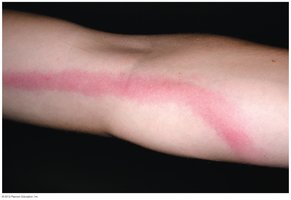
Lymphangitis: Inflammation of lymph vessels, often seen as red streaks under the skin, is a sign of septicemia.
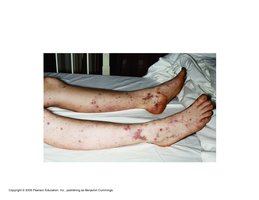
Petechiae: Small hemorrhagic spots on the skin, a sign of bacteremia.
Gram-Negative and Gram-Positive Sepsis
Gram-negative sepsis (endotoxin shock): Caused by endotoxins from bacteria such as Klebsiella, E. coli, and Pseudomonas aeruginosa. Endotoxins cause a dangerous drop in blood pressure. Antibiotics may worsen the condition by releasing more endotoxin.
Gram-positive sepsis: Often associated with nosocomial (hospital-acquired) infections. Common agents include Group B Streptococcus (especially in neonates), Enterococcus faecium, and E. faecalis. Exotoxins can cause toxic shock syndrome.
Puerperal Sepsis (Childbirth Fever)
Caused by Streptococcus pyogenes, transmitted during childbirth by medical personnel. The infection starts in the uterus and can spread to the abdominal cavity. Treated with antibiotics.
Bacterial Infections of the Heart
Endocarditis: Inflammation of the endocardium (inner lining of the heart). Subacute form is often caused by alpha-hemolytic streptococci from the mouth; acute form by Staphylococcus aureus.
Pericarditis: Inflammation of the pericardium, often due to streptococci.
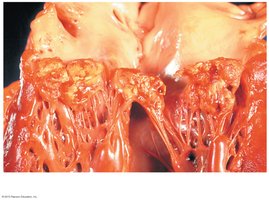
Rheumatic Fever
An autoimmune complication following Streptococcus pyogenes infection (such as strep throat). It primarily affects children and young adults, causing arthritis, fever, and inflammation of heart valves, which may lead to permanent damage. Treatment includes antibiotics and bed rest.
Complications: Sydenham’s chorea (involuntary movements)
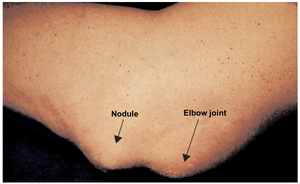
Tularemia
Caused by Francisella tularensis, a gram-negative rod. It is a zoonosis transmitted from rabbits, ticks, and deer flies. The bacteria reproduce in phagocytes, causing an ulcer at the entry site and swollen lymph nodes. Treated with streptomycin or tetracyclines.
Brucellosis (Undulant Fever)
Caused by Brucella species, gram-negative rods that grow in phagocytes. Symptoms include undulating fever, night sweats, malaise, and muscle aches. Transmitted via unpasteurized milk or contact with infected animals. Chronic but rarely fatal.
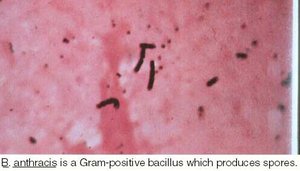
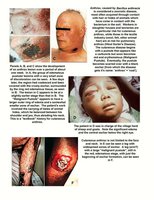
Antrax
Caused by Bacillus anthracis, a gram-positive, endospore-forming rod. It produces two exotoxins (edema and lethal toxins). Forms include cutaneous (20% mortality), gastrointestinal (40-50% mortality), and inhalational (>85% mortality). Treated with ciprofloxacin or doxycycline.
Gangrene
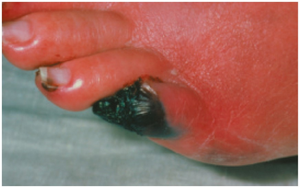
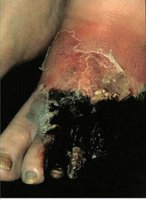
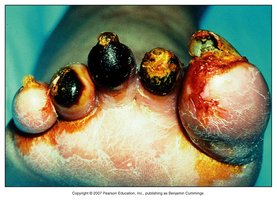
Gangrene is the death of soft tissue due to loss of blood supply (ischemia), often caused by Clostridium perfringens, a gram-positive, endospore-forming anaerobic rod. Gas gangrene involves tissue swelling, necrosis, and systemic illness. Treatment includes debridement, amputation, and hyperbaric oxygen therapy.
Systemic Diseases Caused by Bites and Scratches
Pasteurella multocida: Causes local infections, pneumonia, and sepsis after animal bites.
Bartonella henselae: Causes cat-scratch disease, characterized by papules and swollen lymph nodes. Self-limiting in most cases.

Vector-Transmitted Bacterial Diseases
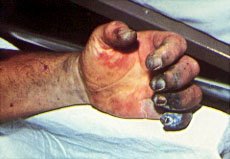
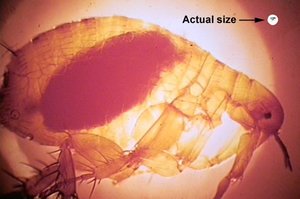
Plague
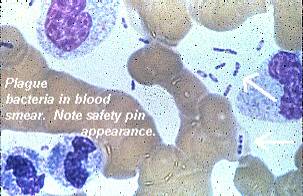
Caused by Yersinia pestis, a gram-negative rod. Reservoirs include rats and wild rodents; vector is the flea Xenopsylla cheopis. Forms include bubonic (swollen lymph nodes), septicemic (septic shock), and pneumonic (lung infection, highly contagious). Treated with antibiotics; vaccine available.
Relapsing Fever
Caused by Borrelia spp. (spirochetes), transmitted by soft ticks. Characterized by recurring fever, jaundice, and rose-colored spots. Diagnosis by blood smear; treated with tetracycline.
Lyme Disease
Caused by Borreliella burgdorferi, transmitted by deer ticks (Ixodes spp.). Reservoirs include deer and field mice. Symptoms progress from a bull’s-eye rash and flu-like symptoms to neurological and cardiac complications, and finally to arthritis. Early antibiotic treatment is effective.
Typhus and Rocky Mountain Spotted Fever
Typhus: Caused by Rickettsia spp., obligate intracellular parasites transmitted by arthropod vectors. Epidemic typhus is caused by R. prowazekii (louse vector), endemic murine typhus by R. typhi (flea vector).
Rocky Mountain Spotted Fever: Caused by R. rickettsii, transmitted by ticks. Characterized by a measles-like rash (including palms and soles), fever, and headache. Treated with tetracycline or chloramphenicol.
Viral Diseases of the Cardiovascular and Lymphatic Systems
Infectious Mononucleosis
Caused by Epstein-Barr virus (HHV-4), a herpesvirus. Transmitted via saliva, it infects lymphatic tissue and leukocytes. Symptoms include fever, sore throat, swollen lymph nodes, and fatigue. Most adults carry antibodies to the virus.
Other Epstein-Barr Virus-Associated Diseases
Burkitt’s Lymphoma: A cancer of the jaw and abdomen, most common in African children, associated with malaria-induced immunosuppression.
Nasopharyngeal carcinoma: Cancer associated with EBV, especially in immunosuppressed individuals.
Cytomegalovirus Infections
Caused by cytomegalovirus (HHV-5), which causes infected cells to swell. It is latent in white blood cells and may be asymptomatic or cause mild mononucleosis. Can cause severe congenital infections if transmitted across the placenta.
Viral Hemorrhagic Fevers
Yellow Fever: Caused by an arbovirus, transmitted by Aedes aegypti mosquitoes. Symptoms include fever, chills, headache, and jaundice. Endemic in Central and South America.
Dengue: Also transmitted by Aedes aegypti, causes severe muscle and joint pain, rash, and sometimes hemorrhagic fever.
Ebola: Causes severe internal and external bleeding.
Lassa, Argentine, Bolivian fevers: Caused by arenaviruses, transmitted by rodents.
Hantavirus Pulmonary Syndrome: Transmitted by inhalation of rodent urine in the U.S.
Protozoan Diseases of the Cardiovascular and Lymphatic Systems
Chagas’ Disease (American Trypanosomiasis)
Caused by Trypanosoma cruzi, transmitted by the reduviid bug. Reservoirs include rodents, opossums, and armadillos. Chronic infection can cause heart and digestive system complications.
Toxoplasmosis
Caused by Toxoplasma gondii. Transmission occurs through ingestion of undercooked meat or contact with cat feces. Congenital infection can cause stillbirth or neurological damage.
Malaria
Caused by Plasmodium spp., transmitted by female Anopheles mosquitoes. Symptoms include periodic chills, fever, vomiting, and headache. Diagnosed by blood smear; treated with antimalarial drugs. Control includes bed nets and vector reduction.
Helminthic Diseases
Schistosomiasis
Caused by Schistosoma spp. Tissue damage results from granulomas formed in response to eggs lodged in tissues. Not common in North America due to lack of suitable reservoirs.
