Back
BackMicrobial Diseases of the Cardiovascular and Lymphatic Systems
Study Guide - Smart Notes
 Tailored notes based on your materials, expanded with key definitions, examples, and context.
Microbial Diseases of the Cardiovascular and Lymphatic Systems
Sepsis and Septic Shock
Sepsis is a life-threatening condition caused by the spread of bacteria or their toxins from a localized infection into the bloodstream, leading to a systemic inflammatory response. Septicemia refers to sepsis with active proliferation of pathogens in the blood. Gram-negative sepsis can progress to septic shock, a severe drop in blood pressure that can be fatal. Gram-positive sepsis is often caused by antibiotic-resistant enterococci and group B streptococci. Puerperal sepsis, caused by Streptococcus pyogenes, is a uterine infection following childbirth or abortion that can lead to peritonitis or septicemia.
Sepsis: Systemic inflammatory response to infection.
Septicemia: Proliferation of pathogens in the blood.
Septic shock: Severe sepsis with hypotension unresponsive to fluid resuscitation.
Puerperal sepsis: Postpartum uterine infection, can progress to systemic infection.
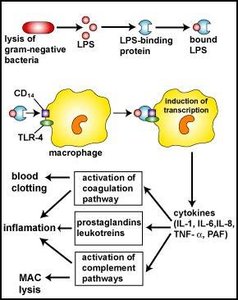
Pathogenesis of Gram-negative Sepsis: The lysis of gram-negative bacteria releases lipopolysaccharide (LPS, an endotoxin) from their outer membrane. LPS binds to LPS-binding protein in the blood, forming a complex that interacts with CD14 receptors on macrophages. This triggers the release of cytokines (IL-1, IL-6, IL-8, TNF-α, PAF), which initiate inflammation, activate complement and coagulation pathways, and can lead to disseminated intravascular coagulation and shock.
Bacterial Infections of the Cardiovascular and Lymphatic Systems
Subacute Bacterial Endocarditis: Usually caused by alpha-hemolytic streptococci from the mouth, especially in patients with preexisting heart abnormalities. Symptoms include fever, anemia, and heart murmur.
Acute Bacterial Endocarditis: Rapid destruction of heart valves, typically caused by Staphylococcus aureus.
Pericarditis: Inflammation of the pericardium, often due to streptococci.
Rheumatic Fever: An autoimmune complication of S. pyogenes infection, often following strep throat. It can cause arthritis, heart inflammation, and permanent heart damage due to cross-reactive antibodies.
Prevention: Prompt treatment of streptococcal infections reduces the risk of rheumatic fever.
Brucellosis (Undulant Fever)
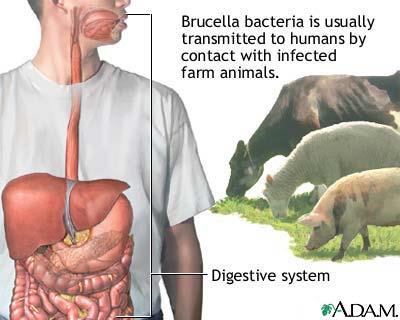
Brucellosis is a zoonotic infection caused by Brucella species, which are gram-negative rods that grow in phagocytes. The disease is characterized by undulating fever, with temperature spikes each evening. Transmission occurs through contact with infected animals or ingestion of contaminated dairy products. The bacteria can enter through breaks in the skin or mucosa, reproduce in macrophages, and spread to organs such as the liver, spleen, and bone marrow.
Species: B. abortus (cattle), B. suis (swine), B. melitensis (goats, sheep, camels)
Symptoms: Undulating fever, malaise, sweats, muscle pain
Risk groups: Slaughterhouse workers, veterinarians, farmers, dairy workers
Mortality: ~2% (mainly due to endocarditis)
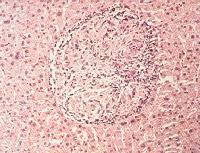
Pathology: Brucella can cause granuloma formation in the liver.
Anthrax
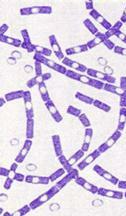
Anthrax is a zoonotic disease caused by Bacillus anthracis, a gram-positive, aerobic rod that forms endospores. It is found in soil and primarily affects grazing animals. Humans can contract anthrax through contact with infected animals or animal products. There are three main forms of anthrax:
Pulmonary anthrax: Inhalation of endospores; nearly 100% mortality if untreated.
Cutaneous anthrax: Endospores enter through minor cuts; about 20% mortality if untreated.
Gastrointestinal anthrax: Ingestion of undercooked, contaminated food; about 50% mortality.
Virulence factors: Capsule and three exotoxins.
Treatment: Ciprofloxacin or doxycycline.
Vector-Transmitted Diseases
Plague
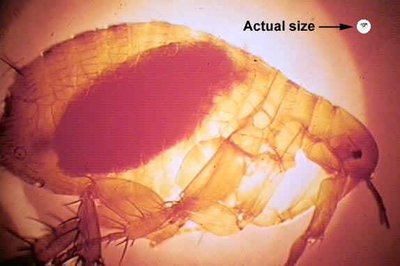
The plague, also known as the "Black Death," is caused by Yersinia pestis, a gram-negative rod. It is endemic in the southwestern United States. The primary reservoirs are rats, ground squirrels, and prairie dogs, and the disease is transmitted by infected fleas.
Bubonic plague: Bacterial growth in blood and lymph, causing swollen lymph nodes (buboes).
Septicemic plague: Bacteria spread to the bloodstream, leading to septic shock.
Pneumonic plague: Bacteria infect the lungs; highly contagious and often fatal.

Lyme Disease
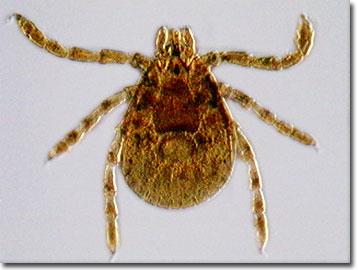
Lyme disease is a zoonosis caused by the spirochete Borrelia burgdorferi. The main reservoirs are mice and deer, and the disease is transmitted by Ixodes ticks. Lyme disease progresses through three stages:
Early localized stage: Characterized by a bull's-eye rash (erythema migrans) and flu-like symptoms.
Early disseminated stage: Heart and nervous system involvement, as well as skin and joint symptoms.
Late stage: Chronic arthritis and neurological symptoms.
Diagnosis: Based on symptoms, serological tests (ELISA, Western blot), and PCR. Early treatment is crucial.



Rocky Mountain Spotted Fever (RMSF)
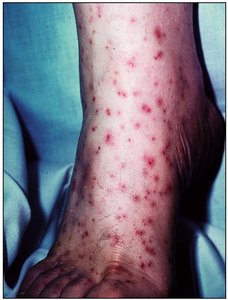
RMSF is caused by Rickettsia rickettsii and is transmitted by ticks. It is characterized by a hemorrhagic, maculopapular rash that often starts on the palms and soles and can damage vital organs.
Reservoir: Mammals
Vector: Ticks (e.g., Dermacentor andersoni)
Symptoms: Fever, headache, rash, possible organ failure
Protozoan Diseases of the Cardiovascular System: Malaria
Malaria
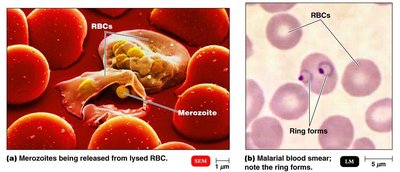
Malaria is a protozoan disease caused by four species of Plasmodium, with P. falciparum being the most severe. The disease is transmitted by the bite of infected Anopheles mosquitoes. Malaria is diagnosed by identifying parasites in red blood cells under the microscope.
Symptoms: Chills, fever, vomiting, headache, recurring every 2-3 days.
Diagnosis: Microscopic examination of blood smears for ring forms and merozoites.
Treatment: Antimalarial drugs; resistance to drugs like chloroquine is common.
Prevention: Mosquito control, prophylactic drugs in endemic areas.

Genetic Resistance: The sickle cell trait provides some protection against malaria, as the altered hemoglobin impairs the parasite's ability to infect red blood cells.