 Back
BackMicrobial Diseases of the Digestive System: Study Notes
Study Guide - Smart Notes
 Tailored notes based on your materials, expanded with key definitions, examples, and context.
Microbial Diseases of the Digestive System
Normal Microbiota of the Digestive System
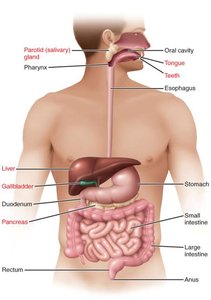
The digestive system harbors a complex community of microorganisms, many of which play essential roles in health and disease. The distribution and abundance of these microbes vary throughout the digestive tract.
Saliva: Contains millions of bacteria per milliliter, contributing to oral health and disease.
Stomach: Few microorganisms due to the acidic environment created by hydrochloric acid (HCl).
Small Intestine: Microbial numbers increase as pH rises.
Large Intestine: Contains the highest density of bacteria (up to 100 billion per gram of feces), mostly anaerobes and facultative anaerobes. These microbes assist in breaking down polysaccharides and synthesizing certain vitamins.
Bacterial Diseases of the Mouth
Dental Caries (Tooth Decay)
Dental caries are among the most common infectious diseases globally, resulting from the interaction of oral bacteria, dietary sugars, and host factors.
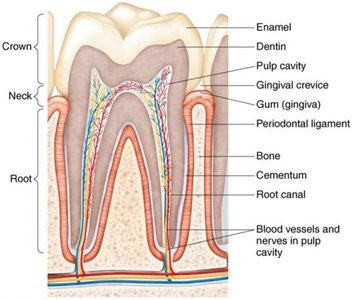
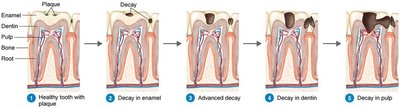
Dental Plaque: Biofilms formed by bacteria on the tooth surface are central to caries development.
Key Organism: Streptococcus mutans is the primary cariogenic bacterium. It is a gram-positive coccus that converts sucrose to lactic acid and produces dextran, a sticky polysaccharide that helps form plaque.
Progression: Caries begin in the enamel and can penetrate into the dentin and pulp, potentially leading to abscesses if untreated.
Dietary Influence: High sugar intake is strongly correlated with increased caries risk.
Bacterial Diseases of the Lower Digestive System
Pathogenesis: Infection vs. Intoxication
Diseases of the lower digestive tract can result from either infection (growth of pathogens in the gut) or intoxication (ingestion of preformed toxins).
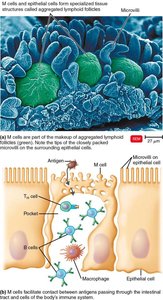
Infection: Pathogens enter and multiply in the digestive tract, sometimes invading mucosal tissues or translocating through M cells to initiate immune responses. Incubation is typically several days, and fever may occur.
Intoxication: Caused by ingestion of toxins produced by microbes in food. Symptoms appear rapidly, often without fever.
Common Symptoms: Diarrhea, dysentery (bloody diarrhea), abdominal cramps, nausea, and vomiting. Severe diarrhea can be life-threatening, especially in infants.
Treatment: Oral rehydration therapy is critical for replacing lost fluids and electrolytes.
Staphylococcal Food Poisoning (Staphylococcal Enterotoxicosis)
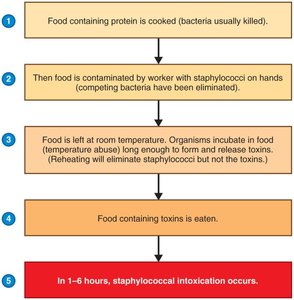
This is a classic example of food intoxication caused by Staphylococcus aureus.
Source: Contamination of food by handlers carrying S. aureus.
Mechanism: The bacterium grows in food left at room temperature, producing heat-stable enterotoxins. Reheating kills bacteria but not the toxin.
Symptoms: Nausea, vomiting, and diarrhea occur within 1–6 hours of ingestion.
Prevention: Proper food handling and refrigeration.
Shigellosis (Bacillary Dysentery)
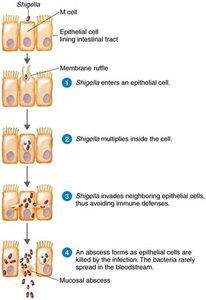
Shigellosis is a severe form of diarrhea caused by Shigella species, which produce Shiga toxin.
Transmission: Person-to-person, not zoonotic.
Pathogenesis: Invades M cells, multiplies, and spreads to neighboring cells, causing tissue destruction and mucosal abscesses.
Symptoms: Bloody diarrhea, abdominal cramps, and fever.
Salmonellosis (Salmonella Gastroenteritis)
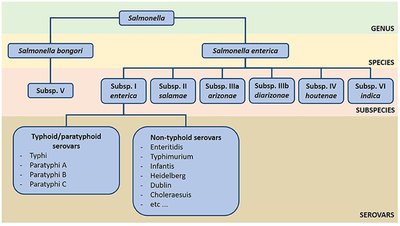
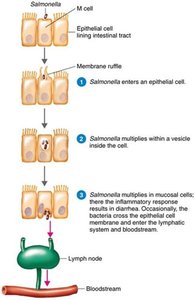
Salmonellosis is a common foodborne infection caused by Salmonella enterica and its many serotypes.
Reservoirs: Human and animal intestinal tracts; associated with poultry, eggs, and reptiles.
Pathogenesis: Invades intestinal mucosa, passes through M cells, and can enter lymphatic and cardiovascular systems. Replicates in macrophages.
Symptoms: Fever, nausea, abdominal pain, cramps, and diarrhea after 12–36 hours of incubation.
Prevention: Good sanitation, thorough cooking, and refrigeration.
Typhoid and Paratyphoid Fever
These are severe systemic diseases caused by Salmonella Typhi and Salmonella Paratyphi, spread only by human feces.
Pathogenesis: Bacteria are taken up by phagocytes and disseminated throughout the body.
Symptoms: High fever, headache, ulceration of the intestinal wall, and delayed diarrhea.
Chronic Carriers: Some individuals harbor the bacteria in the gallbladder.
Escherichia coli Gastroenteritis
Pathogenic vs. Nonpathogenic E. coli
Escherichia coli is a common member of the normal intestinal flora but certain pathotypes can cause disease.
Indicator Organism: Used to detect fecal contamination in water and food.
Pathotypes: Groups of E. coli with specific virulence factors causing disease. There are at least six major pathotypes.
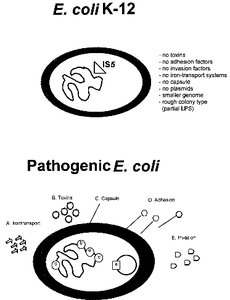
Major Pathotypes of Diarrheagenic E. coli
Pathotype | Key Features | Symptoms |
|---|---|---|
Enteropathogenic (EPEC) | Forms pedestals on host cells | Watery diarrhea, especially in infants |
Enteroinvasive (EIEC) | Invades and destroys intestinal mucosa | Bloody diarrhea (dysentery) |
Enteroaggregative (EAEC) | Forms biofilms, produces cytotoxin | Persistent watery diarrhea, sometimes with blood |
Enterotoxigenic (ETEC) | Produces LT/ST enterotoxins | Traveler's diarrhea, watery stools |
Diffusely Adherent (DAEC) | Elongates microvilli | Watery diarrhea |
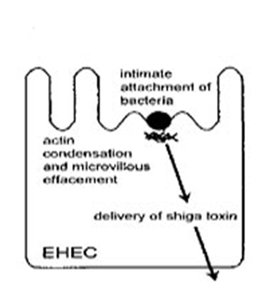
Enterohemorrhagic (EHEC) | Produces Shiga-like toxin | Hemorrhagic colitis, hemolytic uremic syndrome |

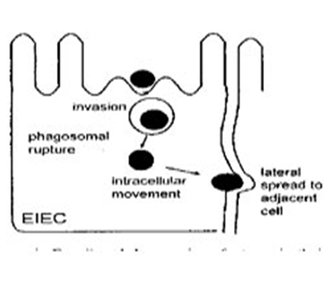
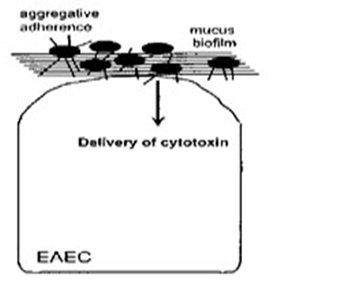
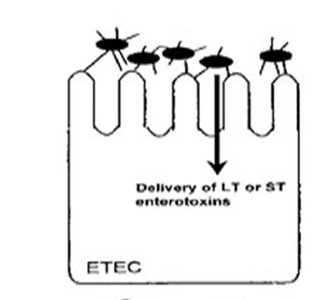
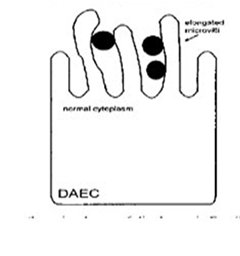
Enterohemorrhagic E. coli (EHEC)
EHEC, also known as STEC (Shiga toxin-producing E. coli), is most commonly associated with serotype O157:H7.
Reservoir: Cattle are the main source; transmission via undercooked beef or contaminated produce.
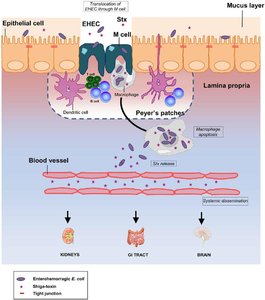
Symptoms: Hemorrhagic colitis (bloody diarrhea), hemolytic uremic syndrome (HUS) which can cause kidney failure, especially in children.
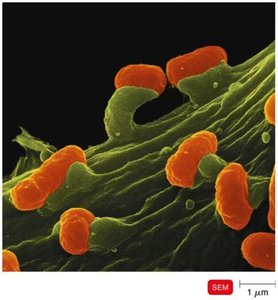
Pathogenesis: Bacteria attach to intestinal cells, produce Shiga toxin, and can cause systemic complications.
Other Bacterial Gastrointestinal Diseases
Campylobacteriosis
Caused by Campylobacter jejuni, a leading cause of foodborne illness in the U.S.
Reservoirs: Poultry and cattle.
Symptoms: Fever, cramping, abdominal pain, diarrhea, and dysentery. Rarely, can lead to Guillain-Barré syndrome.
Helicobacter Peptic Ulcer Disease
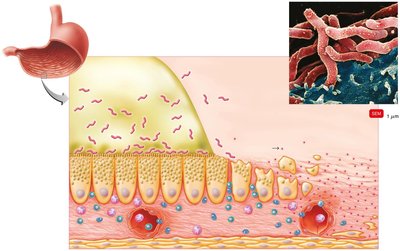
Caused by Helicobacter pylori, which colonizes the stomach by producing urease to neutralize acid.
Pathogenesis: Disrupts the stomach mucosa, causing inflammation and ulcers.
Diagnosis: Biopsy, culture, and urea breath test.
Treatment: Antimicrobial drugs and bismuth subsalicylate.
Clostridioides difficile–Associated Diarrhea
Clostridioides difficile is a gram-positive, endospore-forming anaerobe causing severe colitis, especially after antibiotic use.
Risk Factors: Extended antibiotic use eliminates competing bacteria.
Symptoms: Life-threatening colitis, ulceration, and perforation of the intestinal wall.
Setting: Most common in healthcare environments.
Viral Diseases of the Digestive System
Mumps
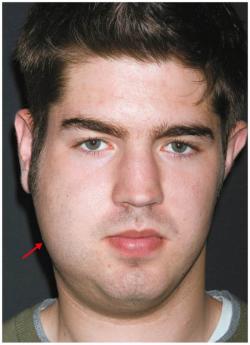
Mumps virus targets the parotid glands, causing painful swelling and systemic complications.
Transmission: Saliva and respiratory secretions.
Symptoms: Swelling of parotid glands, orchitis, meningitis, oophoritis, and pancreatitis.
Prevention: MMR vaccine.
Hepatitis
Hepatitis refers to inflammation of the liver, caused by various viruses (HAV, HBV, HCV, HDV, HEV) and other agents.
Hepatitis A (HAV): Fecal-oral transmission, acute, low mortality, prevented by vaccine.
Hepatitis B (HBV): Blood and body fluid transmission, can be acute or chronic, vaccine available.
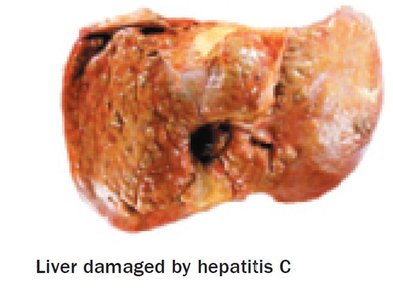
Hepatitis C (HCV): Blood transmission, often chronic, no vaccine, major cause of liver cirrhosis and cancer.
Hepatitis D (HDV): Requires HBV coinfection.
Hepatitis E (HEV): Fecal-oral transmission, similar to HAV, endemic in areas with poor sanitation.
Viral Gastroenteritis
Several viruses cause gastroenteritis, especially in children.
Rotavirus: Common in children, causes diarrhea and vomiting, prevented by oral vaccine.
Norovirus: Leading cause of adult gastroenteritis, highly contagious, detected by PCR and EIA.
Protozoan and Helminthic Diseases of the Digestive System
Giardiasis
Caused by Giardia intestinalis, a flagellated protozoan that forms cysts in water and trophozoites in the body.
Symptoms: Prolonged diarrhea, weight loss, flatulence, and cramps.
Diagnosis: Detection of cysts or trophozoites in stool.
Helminthic Diseases
Several helminths infect the digestive system, causing significant morbidity worldwide.
Whipworm (Trichuris trichiura): Causes anemia and malnutrition; treated with mebendazole or albendazole.
Ascariasis (Ascaris lumbricoides): Eggs ingested, larvae migrate through the body, adults reside in intestines; treated with mebendazole or albendazole.
Hookworms (Necator americanus, Ancylostoma duodenale): Penetrate skin, feed on blood, cause anemia; treated with mebendazole.
Trichinellosis (Trichinella spiralis): Acquired from undercooked pork, larvae encyst in tissues; treated with albendazole or mebendazole.
