Back
BackMicrobial Diseases of the Digestive System: Structure, Microbiota, and Pathogenesis
Study Guide - Smart Notes
 Tailored notes based on your materials, expanded with key definitions, examples, and context.
Microbial Diseases of the Digestive System
Overview of the Digestive System
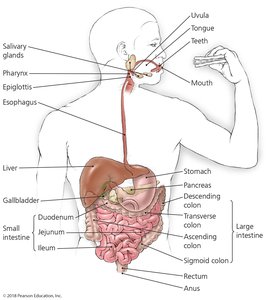
The digestive system is a complex organ system responsible for the breakdown, absorption, and elimination of food. It is divided into the gastrointestinal (GI) tract and accessory digestive organs. The GI tract is a continuous tube from the mouth to the anus, while accessory organs assist in digestion through mechanical and chemical means.
Gastrointestinal (GI) Tract: Includes the mouth, esophagus, stomach, small intestine, large intestine (colon), rectum, and anus.
Accessory Digestive Organs: Include the tongue, teeth, salivary glands, liver, gallbladder, and pancreas.
Functions: Digestion of food, absorption of nutrients and water, and elimination of waste.
Immune Function: About 80% of the immune system is located in the intestinal tract, including gut-associated lymphoid tissue (GALT), lymph nodes, and Peyer's patches.
Normal Microbiota of the Digestive System
The digestive system hosts a diverse microbiota that plays a crucial role in health and disease. The composition and density of microbes vary along the tract.
Oral Cavity: Millions of bacteria per milliliter of saliva; over 700 species present.
Stomach: Few microorganisms due to acidic environment (HCl production).
Small Intestine: Paneth cells produce defensins; some bacteria present.
Large Intestine: Contains large numbers of anaerobes and facultative anaerobes; up to 100 billion bacteria per gram of feces.
Microbial Antagonism: Microbiota in the lower intestine prevent colonization by pathogens.
Bacterial Diseases of the Digestive System
Dental Caries (Tooth Decay)
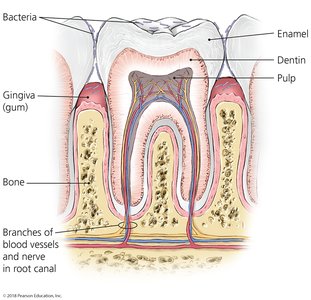
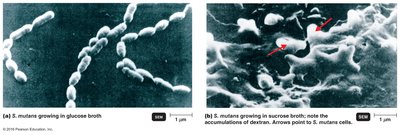
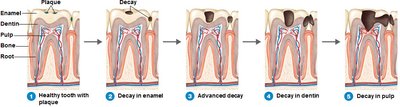
Dental caries are caused by the demineralization of tooth enamel and dentin due to acid production by bacteria in dental plaque (biofilms).
Key Pathogen: Streptococcus mutans (Gram-positive coccus)
Mechanism: Converts sucrose to lactic acid and produces dextran, forming plaque that attracts other cariogenic bacteria.
Progression: Caries penetrate from enamel into dentin and may reach the pulp, leading to abscesses.
Risk Factors: High-sucrose diets increase risk.
Periodontal Disease
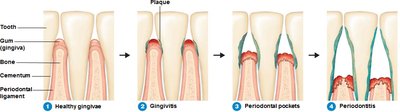
Periodontal diseases affect the supporting structures of the teeth, including the gums and bone.
Gingivitis: Inflammation and infection of the gums, caused by streptococci, actinomycetes, and anaerobic gram-negative bacteria.
Periodontitis: Destruction of bone and tissue supporting the teeth, often caused by Porphyromonas.
Acute Necrotizing Ulcerative Gingivitis: Also known as trench mouth, caused by Prevotella intermedia.
Peptic Ulcers
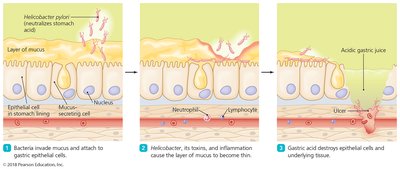
Peptic ulcers are erosions of the stomach or duodenal lining, primarily caused by Helicobacter pylori.
Virulence Factors: Flagella (motility), adhesins (attachment), urease (neutralizes stomach acid).
Transmission: Likely fecal-oral route.
Diagnosis: X-ray, detection of H. pylori in specimens.
Treatment: Antimicrobials and acid inhibitors.
Bacterial Gastroenteritis
Bacterial gastroenteritis is inflammation of the stomach or intestines due to bacterial infection, often associated with contaminated food or water.
Symptoms: Nausea, vomiting, diarrhea, abdominal pain, cramps; dysentery involves blood and mucus in stool.
Treatment: Fluid and electrolyte replacement.
Prevention: Proper food handling, storage, and preparation.
Staphylococcal Food Poisoning
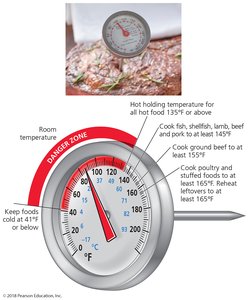
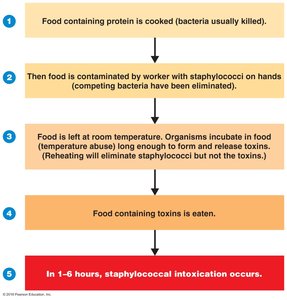
Pathogen: Staphylococcus aureus (produces heat-stable enterotoxins).
Transmission: Toxins produced in food left at room temperature.
Symptoms: Nausea, vomiting, diarrhea, cramping (onset 1-6 hours after ingestion).
Prevention: Proper hygiene and food storage.
Shigellosis
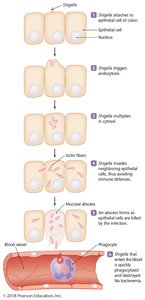
Pathogen: Four species of Shigella.
Virulence: Type III secretion systems, enterotoxins.
Symptoms: Diarrhea, often with blood and mucus.
Treatment: Supportive care, antimicrobials.
Traveler's Diarrhea
Pathogen: Escherichia coli (various strains).
Virulence: Adhesins, fimbriae, toxins.
Treatment: Fluid and electrolyte replacement; antidiarrheal drugs may prolong symptoms.
Campylobacter Diarrhea
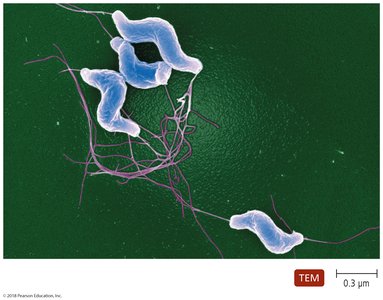
Pathogen: Campylobacter jejuni.
Source: Mainly poultry.
Symptoms: Diarrhea, sometimes bloody, abdominal pain.
Prevention: Proper hygiene after handling raw poultry.
Clostridium perfringens and Bacillus cereus Diarrhea
Sources: Meats, stews, gravies (C. perfringens); rice, beans, grains (B. cereus).
Virulence: Exotoxins; endospores survive heating.
Symptoms: Abdominal pain, diarrhea, nausea, vomiting (depending on toxin).
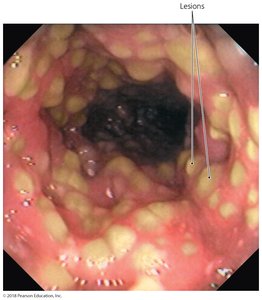
Clostridium difficile (C. diff.) Diarrhea
Pathogen: Clostridium difficile.
Risk Factor: Antimicrobial use disrupts normal microbiota.
Symptoms: Pseudomembranous colitis in severe cases.
Treatment: Antimicrobials, fecal transplants.
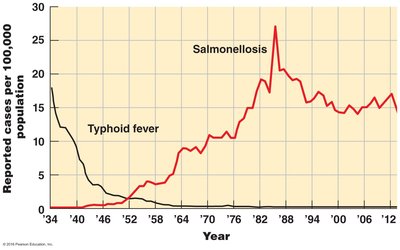
Salmonellosis and Typhoid Fever
Pathogen: Salmonella enterica (various serotypes).
Transmission: Typhoid fever via contaminated food/water; salmonellosis via contaminated eggs.
Symptoms: Diarrhea, fever, abdominal cramps; typhoid fever is more severe.
Treatment: Salmonellosis is self-limiting; typhoid fever requires antimicrobials.
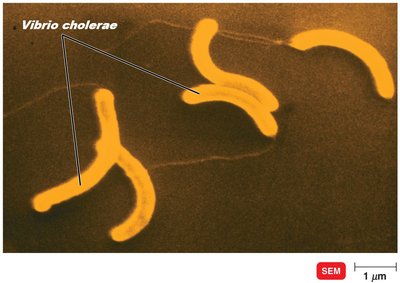
Cholera
Pathogen: Vibrio cholerae.
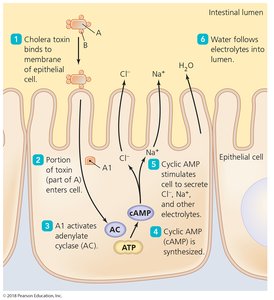
Virulence: Cholera toxin causes massive fluid loss ("rice water stools").
Symptoms: Severe watery diarrhea, dehydration, shock.
Treatment: IV fluid replacement, doxycycline.
Prevention: Hygiene, short-lived vaccine available.
Viral Diseases of the Digestive System
Mumps
Mumps is a viral infection of the salivary glands, now rare in developed countries due to vaccination.
Pathogen: Mumps virus.
Transmission: Human-to-human; no animal reservoir.
Prevention: Immunization (MMR vaccine).

Viral Gastroenteritis
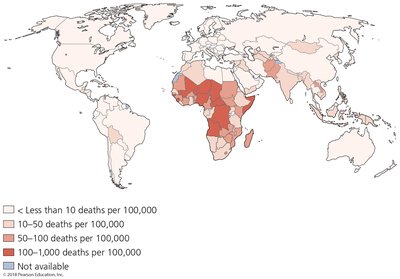
Viral gastroenteritis is a common cause of diarrhea and vomiting, especially in children.
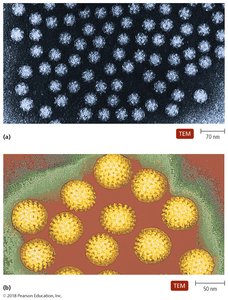
Pathogens: Caliciviruses (norovirus), rotaviruses.
Symptoms: Diarrhea, vomiting, dehydration.
Diagnosis: Serological tests, PCR, EIA.
Treatment: Fluid and electrolyte replacement.
Prevention: Hygiene, water treatment, rotavirus vaccine.
Protozoan Diseases of the Intestinal Tract
Giardiasis
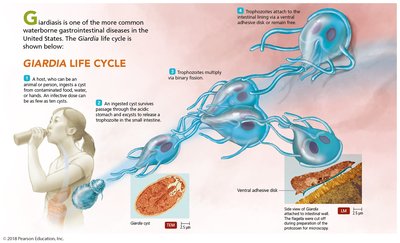
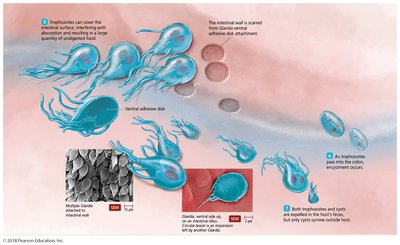
Giardiasis is a protozoan infection of the small intestine, often associated with contaminated water.
Pathogen: Giardia intestinalis.
Transmission: Ingestion of cysts from contaminated water, food, or hands.
Symptoms: Often asymptomatic; can cause prolonged diarrhea.
Diagnosis: Microscopic observation of cysts in stool.
Treatment: Tinidazole or metronidazole; oral rehydration therapy.
Prevention: Good hygiene, water filtration in endemic areas.