 Back
BackMicrobial Diseases of the Nervous System and Eyes – Study Notes
Study Guide - Smart Notes
 Tailored notes based on your materials, expanded with key definitions, examples, and context.
Microbial Diseases of the Nervous System and Eyes
Structure of the Nervous System
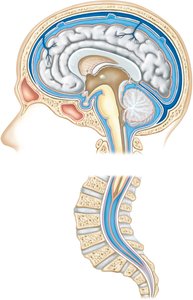
The nervous system is divided into two main components: the central nervous system (CNS) and the peripheral nervous system (PNS). The CNS consists of the brain and spinal cord, both protected by meninges, while the PNS includes all peripheral nerves. The brain is further divided into the cerebrum (voluntary muscles, perception, thinking), cerebellum (involuntary movements), and brain stem (breathing, heart rate, blood pressure). The spinal cord extends from the brain stem to the lumbar region.
Cells of the Nervous System
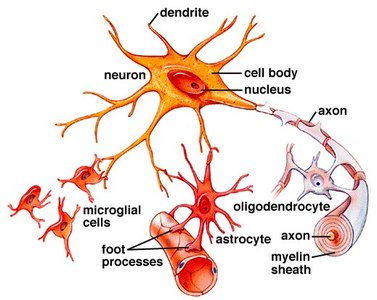
The nervous system contains two primary cell types: neuroglia and neurons. Neuroglia provide support, insulation, and nutrients, and can phagocytize microbes. Neurons carry nerve impulses, with the nucleus located in the cell body. Dendrites and axons extend from the cell body, and collections of neuron cell bodies are called ganglia.
Synapses and Neurotransmission
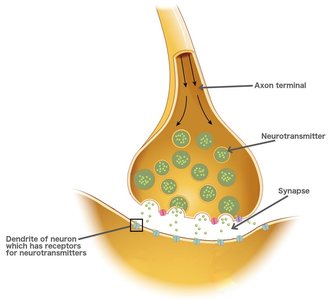
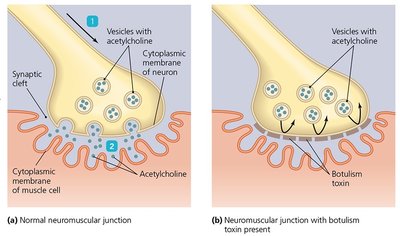
Synapses are junctions at the terminal ends of axons, mediating signal transfer to postsynaptic cells. The synaptic cleft prevents direct electrical transmission, so neurotransmitters (chemical signals) are released to stimulate or inhibit the postsynaptic cell.
Portals of Infection in the Nervous System
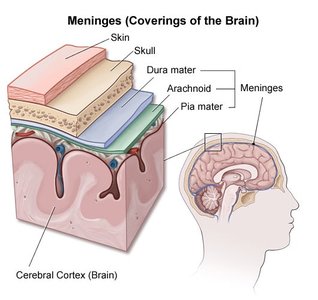
The CNS is an axenic environment (no normal microbiota). Pathogens can access the CNS through breaks in bones or meninges, medical procedures, travel in peripheral neurons, or by infecting and killing meningeal cells (causing meningitis). Inflammation can alter the blood-brain barrier's permeability.
Bacterial Diseases of the Nervous System
Types of Bacterial Diseases
Infect cells of the nervous system: Meningitis, Leprosy
Bacteria elsewhere release toxins affecting neurons: Botulism, Tetanus
Bacterial Meningitis
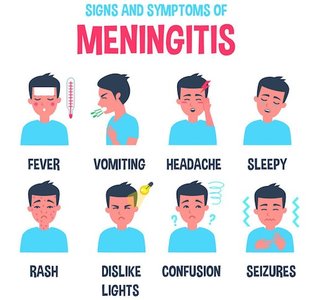
Bacterial meningitis is characterized by sudden high fever, severe meningeal inflammation, and increased white blood cells in the cerebrospinal fluid (CSF). Inflammation causes most symptoms, and infection of the brain can lead to encephalitis, behavioral changes, coma, and death. The disease often develops rapidly.
Major Pathogens and Virulence Factors
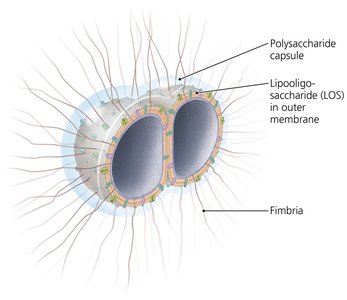
Neisseria meningitidis: Gram-negative diplococcus, fimbriae, capsule, and lipo-oligosaccharide (LOS) for attachment and immune evasion. Capsule protects from phagocytosis; blebbing releases lipid A, causing inflammation and shock. Spread by droplets.
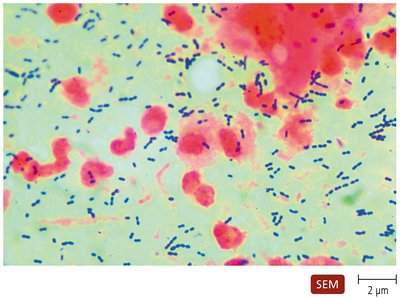
Streptococcus pneumoniae: Gram-positive coccus, leading cause in children and elderly. Capsule prevents phagocytosis; enzymes and toxins counteract immune defenses; phosphorylcholine triggers endocytosis.
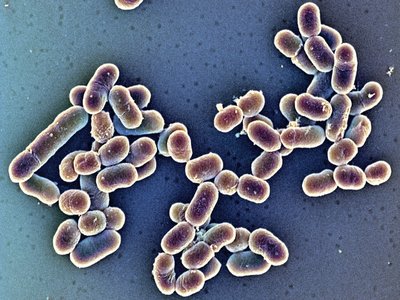
Haemophilus influenzae: Pleomorphic bacillus, obligate parasite, capsule resists phagocytosis. Different strains identified by capsular antigens. HiB vaccine has reduced incidence.
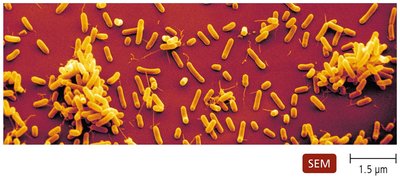
Listeria monocytogenes: Gram-positive coccobacillus, enters via contaminated food/drink. Rare in healthy adults but dangerous for pregnant women, newborns, elderly, and immunocompromised. Listeriolysin O protects from digestion.
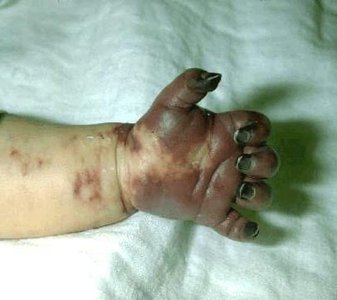
Streptococcus agalactiae: Gram-positive streptococcus, normal vaginal microbiota in some women. Capsule evades phagocytosis. Leading cause of neonatal meningitis, acquired during birth.
Epidemiology, Diagnosis, and Treatment
H. influenzae was the leading cause before vaccination; now S. pneumoniae and N. meningitidis are most prevalent.
S. agalactiae is the main cause in newborns.
Diagnosis: Symptoms and culturing bacteria from CSF.
Treatment: Intravenous antimicrobials; vaccines available for S. pneumoniae, H. influenzae type b, and N. meningitidis.
Prevention: Penicillin at birth for S. agalactiae; avoid high-risk foods for listeriosis.
Hansen’s Disease (Leprosy)
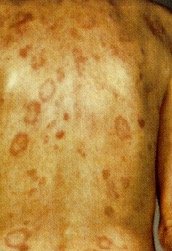
Leprosy presents as tuberculoid (non-progressive, strong immune response) or lepromatous (more virulent, weak immune response) forms. Death is rare. Caused by Mycobacterium leprae, a Gram-positive bacillus with mycolic acid in its cell wall, leading to slow growth, resistance to phagocytosis, and survival within phagocytes.
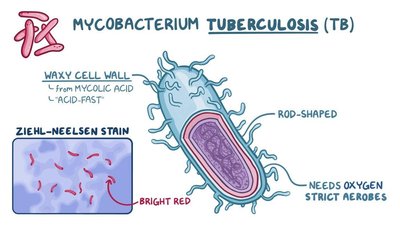
Grows best in cooler body regions; incubation 2–5 years.
Transmitted by person-to-person contact or skin breaks; not highly virulent.
Diagnosis: Signs/symptoms, acid-fast bacilli in samples, feather test for sensory loss.
Treatment: Multiple antimicrobials, possibly lifelong; BCG vaccine offers some protection.
Botulism
Botulism is an intoxication with three forms: foodborne (progressive paralysis), infant (ingestion of endospores, often from honey), and wound botulism (contaminated wounds). Caused by Clostridium botulinum, a Gram-positive, endospore-forming bacillus producing neurotoxins that cause flaccid paralysis.
Diagnosis: Based on symptoms.
Treatment: Maintain airways, wash intestinal tract, administer immune globulin (BIG-IV), antimicrobials.
Prevention: Destroy endospores in food; infants under 1 year should not consume honey.
Tetanus
Tetanus is characterized by muscle tightening (lockjaw), spasms, irregular heartbeat, and sweating. Caused by Clostridium tetani, which produces tetanospasmin (neurotoxin) leading to spastic paralysis. Acquired through breaks in skin or mucous membranes.
Mortality rate ~50% if untreated; incidence has decreased due to vaccination.
Diagnosis: Characteristic muscle contraction.
Treatment: Wound cleaning, passive immunotherapy (TIG), antimicrobials, active immunization (Tdap vaccine).
Viral Diseases of the Nervous System
Viral Meningitis
Viral meningitis presents with symptoms similar to bacterial meningitis but is usually milder. Most cases are caused by enteroviruses (Coxsackie A/B, echovirus), spread via fecal contamination and respiratory droplets. Diagnosis is by exclusion of bacteria in CSF; no specific treatment exists.
Poliomyelitis
Polio can be asymptomatic, minor, nonparalytic, or paralytic. Caused by poliovirus, transmitted via contaminated water. Diagnosis is by virus identification in throat or feces; no specific treatment, but several effective vaccines exist (IPV, OPV, mOPV, bOPV).
Rabies
Rabies causes neurological symptoms (hydrophobia, seizures, hallucinations, paralysis) and is almost always fatal without early vaccination. Caused by rabies virus, transmitted by animal bites. Diagnosis is by neurological symptoms and Negri bodies in the brain; treated with immunoglobulin and vaccine.
Arboviral Encephalitis
Arboviruses are transmitted by arthropods (mosquitoes, ticks) and can cause encephalitis. Most cases are mild, but severe cases can be fatal. West Nile virus is the most significant in the US. Diagnosis is by symptoms and antibodies in CSF; treatment is supportive; prevention focuses on mosquito control.
Mycoses of the Nervous System
Cryptococcal Meningitis
Caused by Cryptococcus neoformans, a yeast that resists phagocytosis. Infection follows inhalation of spores, often affecting AIDS patients. Symptoms are similar to bacterial meningitis. Diagnosis is by fungal antigen in CSF; treated with intravenous antifungals.
Protozoan Diseases of the Nervous System
African Sleeping Sickness
Caused by Trypanosoma brucei (vector: tsetse fly), which evades the immune system by changing surface glycoproteins. Presents in three stages: lesion at bite, fever/lymphadenopathy, and CNS invasion (meningoencephalitis). Diagnosis is by microscopic observation; treatment depends on stage; prevention is by insecticide use.
Primary Amebic Meningoencephalopathy
Caused by Acanthamoeba and Naegleria, entering through skin abrasions or inhalation of contaminated water. Rare but almost always fatal. Diagnosis is by detecting amoebae in samples; treatment is rarely successful; prevention is by avoiding contaminated water.
Prion Diseases of the Nervous System
Variant Creutzfeldt-Jakob Disease (vCJD)
Prion diseases are caused by infectious proteins that induce abnormal folding of normal prion proteins, leading to spongiform encephalopathies (e.g., vCJD, mad cow disease). Symptoms include insomnia, weight loss, memory failure, and progressive muscle control loss. No treatment exists; prevention is by avoiding prion-contaminated meat.
Microbial Diseases of the Eye
Trachoma
Trachoma is the leading cause of non-traumatic blindness, caused by Chlamydia trachomatis. It multiplies in the conjunctiva, causing scarring and eyelid deformation, which leads to corneal abrasion and blindness. Diagnosis is by identifying bacteria at the infection site; treated with antimicrobials and surgery for eyelid deformities.
Other Microbial Diseases of the Eye
Ophthalmia neonatorum: Inflammation of the conjunctiva and cornea in newborns.
Conjunctivitis: Inflammation of the conjunctiva.
Keratitis: Inflammation of the cornea.
