Back
BackMicrobial Diseases of the Nervous System: Bacterial, Viral, and Protozoan Infections
Study Guide - Smart Notes
 Tailored notes based on your materials, expanded with key definitions, examples, and context.
Microbial Diseases of the Nervous System
Overview of Nervous System Infections
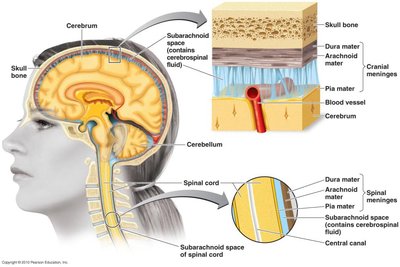
The nervous system can be affected by a variety of microbial pathogens, including bacteria, viruses, and protozoa. Infections can lead to inflammation of the protective membranes (meninges) or the brain itself, resulting in serious and sometimes fatal diseases.
Meningitis: Inflammation of the meninges, the membranes surrounding the brain and spinal cord. Can be caused by bacteria or viruses.
Encephalitis: Inflammation of the brain, most often caused by viruses.
Bacterial Diseases of the Nervous System
Bacterial Meningitis
Bacterial meningitis is a life-threatening infection characterized by rapid onset of symptoms and high mortality if untreated. Several bacteria are responsible, each with unique features and prevention strategies.
Signs and Symptoms: Fever, headache, stiff neck, nausea, vomiting, convulsions, shock, and coma.
Streptococcus pneumoniae (Pneumococcal Meningitis)
Part of the normal microbiota of the upper respiratory tract; also causes pneumonia.
Virulence factors include a capsule (evasion of phagocytosis) and exoenzymes (tissue degradation and dissemination).
Treatment: Antibiotics (resistance is a concern).
Prevention: Vaccines (subunit for elderly, conjugated for children).
Neisseria meningitidis (Meningococcal Meningitis)
Transmitted by infectious droplets; can cause epidemics in crowded settings (e.g., schools).
Primary infection in the throat can spread to the meninges.
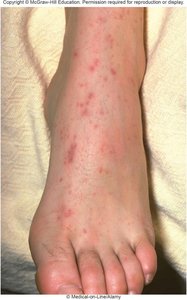
Symptoms include petechiae (purple skin spots) due to endotoxin-induced shock.
Treatment: Antibiotics (~10% mortality with treatment).
Prevention: Subunit vaccine targeting capsular polysaccharide (effective against some types).
Haemophilus influenzae (Hib Meningitis)
Gram-negative bacterium producing endotoxin; can cause shock and death.
Also causes ear, eye, and throat infections, and pneumonia.
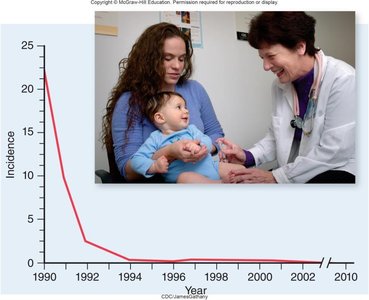
Spread via infectious droplets; most cases in unvaccinated children.
Treatment: Antibiotics (~5% mortality).
Prevention: Conjugated vaccine (with diphtheria toxoid) given at 2 months of age.
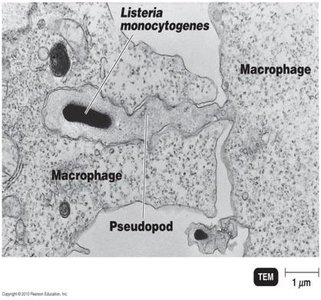
Listeria monocytogenes
Food, soil, or waterborne; found in unpasteurized dairy and can grow at refrigerator temperatures (psychrotroph).
Usually mild in healthy adults but can cause meningitis in immunocompromised individuals, pregnant women, and newborns (crosses placenta, causing abortion or stillbirth).
Treatment: Antibiotics.
Prevention: Food safety (monitoring, cooking deli meats), bacteriophage sprays.
Hansen’s Disease (Leprosy)
Caused by Mycobacterium leprae, leprosy is a chronic infection of the peripheral nerves and skin, leading to nerve damage and tissue degradation.
Intracellular parasite; prefers cooler body regions (fingers, toes, face, ears, nose).
Transmission is not fully understood; requires prolonged direct contact.
Symptoms: Nerve damage, loss of sensation, tissue degradation.
Stages of Leprosy
Form | Symptoms | Immunity | Treatment |
|---|---|---|---|
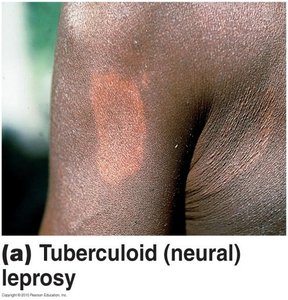
Tuberculoid (neural) | Localized skin lesions, loss of sensation | Cell-mediated response present | 2 antibiotics for 6 months |
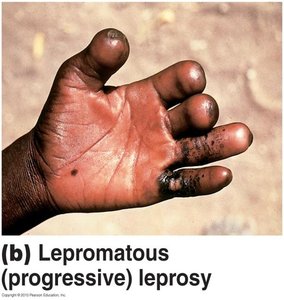
Lepromatous (progressive) | Disfiguring nodules, necrosis, deformation | Cell-mediated immunity fails | 3-4 antibiotics for 2 years |
Tetanus and Botulism
Both diseases are caused by Clostridium species that produce neurotoxins affecting nerve function.
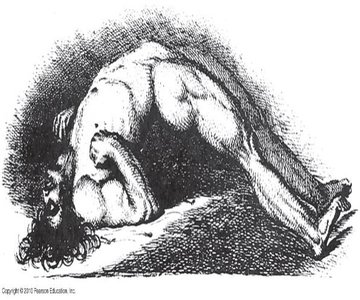
Tetanus (Clostridium tetani): Tetanospasmin toxin causes rigid paralysis (muscle spasms, death). Localized infection and toxemia.
Botulism (Clostridium botulinum): Botulinum toxin causes flaccid paralysis (respiratory/cardiac failure). Usually foodborne (improper canning).
Treatment: Tetanus—DTaP vaccine, booster, or passive immunization; Botulism—passive immunization (no vaccine).
Viral Diseases of the Nervous System
Arboviral Encephalitis
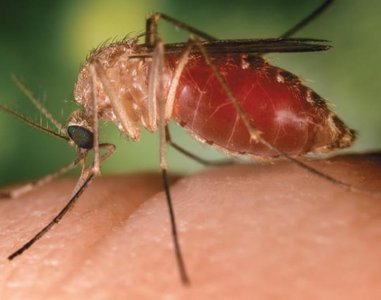
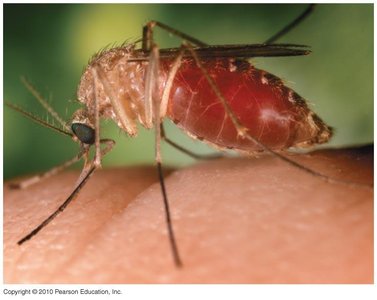
Arboviruses are transmitted by arthropod vectors (e.g., mosquitoes) and can cause encephalitis, especially in immunocompromised individuals.
Most cases are asymptomatic; severe cases involve neurological damage and death.
Examples: Western equine encephalitis (rare), West Nile Virus (birds as reservoir, rare in humans).
Poliomyelitis (Polio)
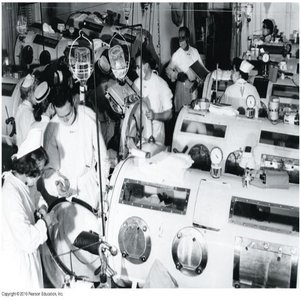
Polio is caused by the poliovirus, which is transmitted via fecal-oral route and can lead to paralysis if it infects nerve cells.
Transmission: Fecal contamination of food/water; multiplies in throat/intestine, can enter CNS.
Symptoms: Usually mild, but can cause back pain, spasms, and permanent paralysis (paralytic poliomyelitis).
Treatment: Supportive only (no cure).
Polio Vaccines
Oral Polio Vaccine (OPV, Sabin): Live attenuated, stimulates strong immunity, rare risk of reversion to virulence.
Inactivated Polio Vaccine (IPV, Salk): Killed virus, safer, requires multiple injections, less effective immunity.
Rabies
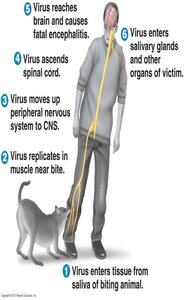
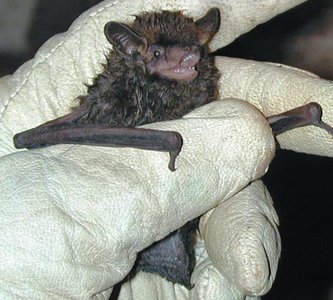
Rabies is a zoonotic viral disease transmitted through the saliva of infected animals, leading to fatal encephalitis if untreated.
Transmission: Usually via bites; virus travels from peripheral nerves to the brain.
Symptoms: Agitation, hydrophobia, foaming at the mouth, paralysis, behavioral changes, death within days of symptom onset.
Rabies Treatment and Prevention
Post-exposure prophylaxis: Passive immunization (pre-made antibodies) and active immunization (inactivated vaccine) before symptoms appear.
Vaccine recommended for high-risk individuals (e.g., veterinarians, animal handlers).
No treatment after symptom onset.
Protozoan Diseases of the Nervous System
African Trypanosomiasis (Sleeping Sickness)
Caused by Trypanosoma species, this disease is transmitted by the tsetse fly and affects both humans and animals.
Parasite multiplies at the infection site, enters the blood, and travels to the brain, causing meningitis and encephalitis.
Symptoms: Lethargy, drowsiness, loss of interest, coma, and death.
Prevention: Vector control (tsetse fly).
Treatment: Eflornithine ("resurrection drug").