 Back
BackMicrobial Diseases of the Nervous System: Structure, Pathogenesis, and Key Pathogens
Study Guide - Smart Notes
 Tailored notes based on your materials, expanded with key definitions, examples, and context.
Microbial Diseases of the Nervous System
Structure and Function of the Nervous System
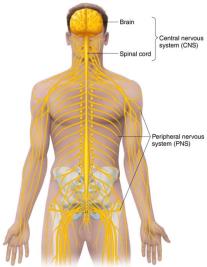
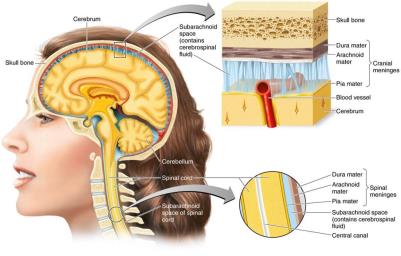
The nervous system is divided into the central nervous system (CNS) and the peripheral nervous system (PNS). The CNS consists of the brain and spinal cord, while the PNS includes all nerves branching from the CNS. The brain and spinal cord are protected by three layers of membranes called meninges: dura mater (outer), arachnoid mater (middle), and pia mater (inner). The subarachnoid space contains cerebrospinal fluid (CSF), which cushions the CNS. The blood-brain barrier restricts the passage of substances from the blood into the CNS, providing protection against pathogens but also complicating treatment of infections.
Inflammatory Diseases of the CNS
Meningitis: Inflammation of the meninges.
Encephalitis: Inflammation of the brain.
Meningoencephalitis: Inflammation of both the brain and meninges.
Bacterial Meningitis
General Features
Bacterial meningitis is a severe infection characterized by fever, headache, and a stiff neck, often followed by nausea, vomiting, convulsions, and coma. Death can result from shock and inflammation caused by bacterial endotoxins and cell wall fragments. Viral meningitis is more common but generally milder.
Key Bacterial Pathogens
Haemophilus influenzae type b (Hib): Gram-negative, aerobic, normal throat microbiota. Mainly affects children (6 months to 4 years). Prevented by the Hib vaccine.
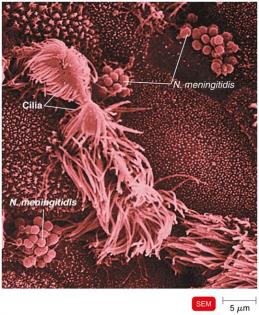
Neisseria meningitidis (Meningococcal Meningitis): Aerobic, gram-negative diplococcus with a capsule. Six serotypes are associated with disease. Transmitted via droplets and secretions; 40% of people are healthy carriers. Symptoms are largely due to endotoxin. Mortality is 9–12% with antibiotics, 80% without. Outbreaks are common in crowded settings. Vaccines protect against most serogroups.
Streptococcus pneumoniae (Pneumococcal Meningitis): Gram-positive, encapsulated diplococcus. 70% of people are healthy carriers. Also causes pneumonia and otitis media. Most common in children (1 month to 4 years). Mortality is higher in the elderly. Prevented by conjugate vaccine.
Diagnosis and Treatment
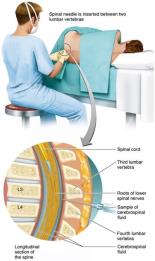
Diagnosis involves sampling CSF via spinal tap (lumbar puncture), Gram stain, culture, and latex agglutination tests.
Immediate chemotherapy with broad-spectrum third-generation cephalosporins is recommended before diagnosis is confirmed.
Listeriosis
Pathogen and Transmission
Listeria monocytogenes is a gram-positive rod that causes listeriosis. It can affect adults (usually mild or asymptomatic, but severe in immunocompromised individuals) and fetuses/newborns (can cause stillbirth or fatal meningitis). Transmission is typically foodborne (deli meats, unpasteurized dairy, produce). The bacterium can grow at refrigerator temperatures and spreads from cell to cell within phagocytes.
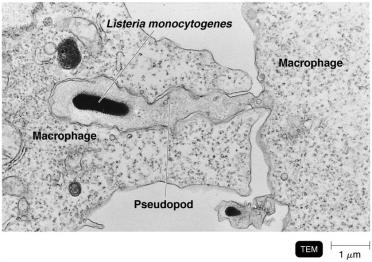
Treatment: Penicillin is effective.
Tetanus
Pathogen and Pathogenesis
Clostridium tetani is a gram-positive, endospore-forming, obligate anaerobe found in soil. It grows in deep wounds under anaerobic conditions and releases tetanospasmin, a neurotoxin that blocks muscle relaxation, causing spasms. Death results from respiratory muscle spasms.
Prevention: Vaccination with tetanus toxoid (DTaP), with boosters every 10 years.
Treatment: Tetanus immune globulin (TIG) and debridement of infected tissue.
Botulism
Pathogen and Pathogenesis
Clostridium botulinum is a gram-positive, endospore-forming, obligate anaerobe found in soil and aquatic sediments. Disease results from ingestion of botulinal exotoxin, which blocks acetylcholine release, causing flaccid paralysis. Death is usually due to respiratory or cardiac failure.
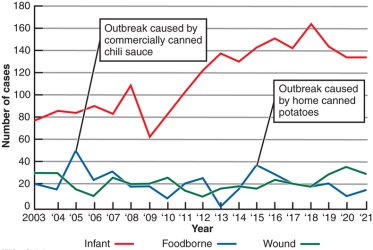
Types: Type A (most fatal, heat-resistant), Type B, Type E (marine/lake sediments, less heat-resistant).
Diagnosis: Inoculation of immunized mice with patient samples.
Treatment: Respiratory support and antitoxins; prevention by proper canning and nitrites in foods.
Leprosy (Hansen’s Disease)
Pathogen and Clinical Forms
Caused by Mycobacterium leprae and M. lepromatosis, acid-fast rods that grow best at 30°C and have a long generation time. The bacteria infect peripheral nerves and skin cells, surviving in macrophages and invading the myelin sheath. Transmission requires prolonged contact or inhalation of secretions. Two forms exist:
Tuberculoid (neural) form: Loss of sensation in skin areas.
Lepromatous (progressive) form: Disfiguring nodules, mucous membrane involvement.
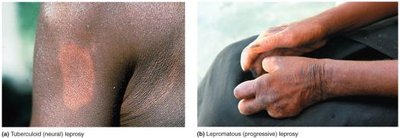
Diagnosis: Skin biopsy, acid-fast stain, blood test.
Treatment: Dapsone, rifampin, clofazimine for 6–24 months.
Poliomyelitis
Pathogen and Pathogenesis
Caused by the poliovirus, transmitted by ingestion of contaminated water. Most cases are mild or asymptomatic; less than 1% develop paralysis due to destruction of motor neurons. Death can result from respiratory failure.
Three serotypes: Types 1, 2, and 3.
Vaccines: Salk (inactivated, injectable, IPV) and Sabin (attenuated, oral, OPV). IPV is currently used in the U.S.
Rabies
Pathogen and Transmission
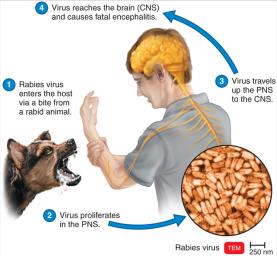
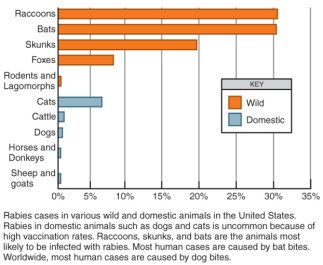
Rabies is caused by the rabies virus (genus Lyssavirus), a bullet-shaped, single-stranded RNA virus. It is usually transmitted by the bite of an infected animal, but can also enter through mucous membranes or abraded skin. In the U.S., silver-haired bats are a common source.
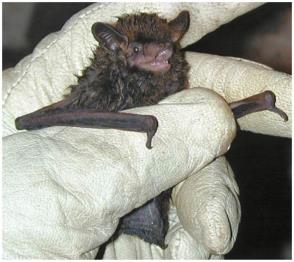
Pathogenesis and Clinical Forms
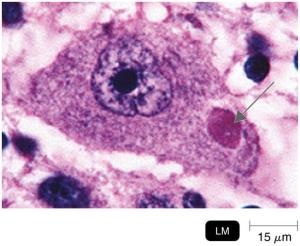
The virus multiplies in skeletal muscle, travels via the PNS to the CNS, and causes encephalitis. Incubation averages 30–50 days. Negri bodies (viral inclusions) are seen in the brainstem. Two clinical forms:
Furious (classical) rabies: Restlessness, excitability, aggressive biting, hydrophobia, paralysis, death.
Paralytic (dumb) rabies: Minimal excitability, unawareness, often seen in cats.
Diagnosis, Treatment, and Epidemiology
Diagnosis: Direct fluorescent-antibody (DFA) test or rapid histochemical test (RIT) on bodily fluids.
Postexposure prophylaxis (PEP): Vaccine plus immune globulin (HDCV and RIG).
Milwaukee protocol: Induced coma and antivirals (rarely successful).
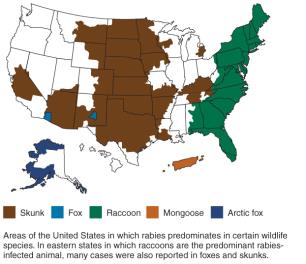
Reservoirs: Bats, skunks, foxes, raccoons, unvaccinated domestic animals.
Vertical Transmission of Microbial Diseases
Overview
Some pathogens can cross the placenta and cause congenital infections, leading to serious fetal damage. The TORCH screen tests for common vertically transmitted infections in pregnant women or newborns:
Toxoplasmosis
Other: Syphilis, chickenpox, HIV, measles, mumps, hepatitis B
Rubella
Cytomegalovirus
Herpes simplex virus
Bacteria and protozoa such as Treponema pallidum, Listeria monocytogenes, Group B Streptococcus, Elizabethkingia, and Toxoplasma gondii can also be transmitted vertically.
Arboviral Encephalitis
Overview and Key Viruses
Arboviruses are arthropod-borne viruses, primarily transmitted by mosquitoes. They cause a range of encephalitides with seasonal incidence. Major types include:
Eastern Equine Encephalitis (EEE): 30% mortality, causes brain damage and neurological sequelae.
Western Equine Encephalitis (WEE): Similar but less common.
St. Louis Encephalitis (SLE): Mostly subclinical, affects adults over 40.
California Encephalitis (La Crosse): Mild, rarely fatal, affects children.
West Nile Virus (WNV): Maintained in bird-mosquito cycle, can cause poliolike paralysis and fatal encephalitis.
Heartland and Powassan viruses: Cause neurological problems, thrombocytopenia, and leukopenia.
Japanese Encephalitis: High mortality in symptomatic cases, found in Asia.
Diagnosis is by ELISA for IgM antibodies; prevention focuses on mosquito control.
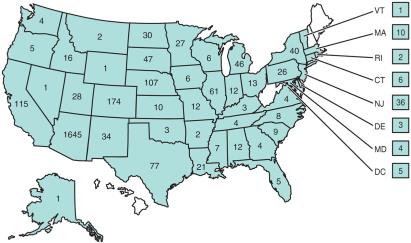
Fungal and Protozoan Diseases of the Nervous System
Cryptococcal Meningitis
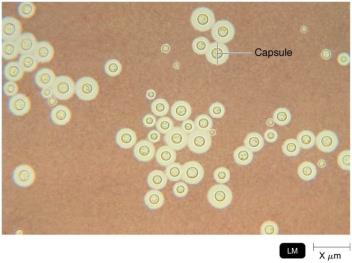
Caused by Cryptococcus neoformans (and related species), a soil fungus associated with bird droppings. Transmitted by inhalation of dried droppings, it can spread to the CNS in immunocompromised individuals. Mortality can reach 30%. Treated with amphotericin B and flucytosine.
African Trypanosomiasis (Sleeping Sickness)
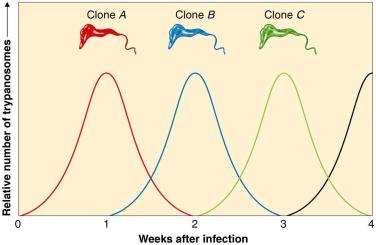
Caused by flagellated protozoa Trypanosoma brucei gambiense (West/Central Africa, human reservoir) and T. b. rhodesiense (East/Southern Africa, animal reservoir). Transmitted by tsetse flies, the disease progresses from mild symptoms to CNS deterioration, coma, and death. The parasite evades immunity via antigenic variation, complicating vaccine development. Treated with eflornithine; prevention is by vector control.
Amebic Meningoencephalitis
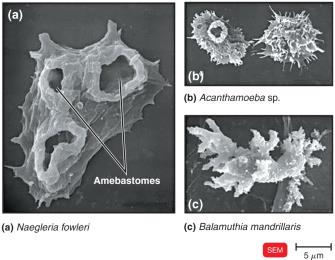
Naegleria fowleri: Causes primary amebic meningoencephalitis (PAM), infects via nasal mucosa from swimming water, rapidly fatal.
Acanthamoeba spp.: Causes granulomatous amebic encephalitis (GAE), slower progression, fatal within weeks to months.
Balamuthia mandrillaris: Free-living ameba, also causes GAE.
Nervous System Diseases Caused by Prions
Pathogenesis and Diseases
Prions are self-replicating infectious proteins that induce abnormal folding of normal cellular prion proteins (PrPC to PrPSc), leading to spongiform degeneration of brain tissue. These diseases are chronic, fatal, and transmissible (TSEs).
Scrapie: Sheep
Chronic wasting disease: Deer and elk
Creutzfeldt-Jakob disease (CJD): Humans
Kuru: Humans (cannibalism)
Bovine spongiform encephalopathy (BSE): Cattle (mad cow disease)
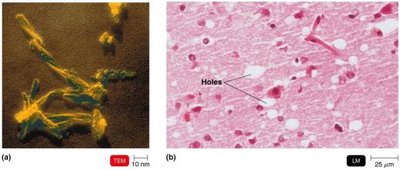
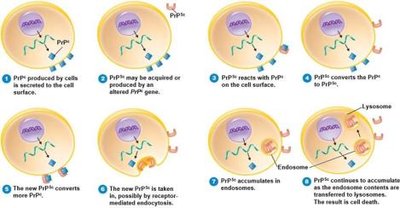
Prions are resistant to standard sterilization; require NaOH and extended autoclaving at 134°C.
No live animal detection test exists for PrPSc.
Diseases Caused by Unidentified Agents
Acute flaccid myelitis (AFM): Limb weakness, drooping eyelids, possible link to enterovirus EV-D68.
Bell’s palsy: Facial muscle weakness, possibly caused by herpes viruses (HHV1, HHV3, HHV4, HHV5).
Chronic fatigue syndrome: Persistent, unexplained fatigue for at least 6 months, possibly triggered by infections.
