 Back
BackMicrobial Diseases of the Respiratory System: Structure, Pathogenesis, and Clinical Features
Study Guide - Smart Notes
 Tailored notes based on your materials, expanded with key definitions, examples, and context.
Diseases of the Respiratory System
Overview of the Respiratory System
The respiratory system is divided into the upper and lower respiratory tracts, each with distinct anatomical structures and associated microbiota. Understanding these divisions is essential for recognizing the pathogenesis and clinical presentation of respiratory diseases.
Upper respiratory system: Includes the nasal cavity, sinuses, pharynx, larynx, and associated structures.
Lower respiratory system: Comprises the trachea, bronchi, bronchioles, and lungs (including alveoli).
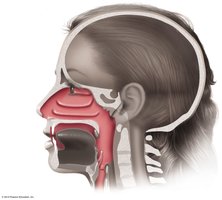
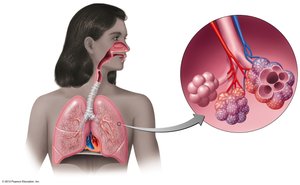
Normal Microbiota of the Respiratory System
The upper respiratory tract harbors a diverse normal flora that suppresses pathogens through competitive inhibition. The lower respiratory tract is typically sterile due to the action of cilia and alveolar macrophages.
Common normal flora: Diphtheroids, Staphylococci, Micrococci, Bacillus, Streptococcus pneumoniae, Haemophilus influenzae, Neisseria meningitidis
Defense mechanisms: Mucociliary escalator, immune cells (especially alveolar macrophages)
Upper Respiratory System Diseases
General Diseases
Common diseases of the upper respiratory tract include pharyngitis, laryngitis, tonsillitis, sinusitis, and epiglottitis. These conditions are often caused by bacteria or viruses and can lead to complications if untreated.
Pharyngitis: Inflammation of the pharynx
Laryngitis: Inflammation of the larynx
Tonsillitis: Inflammation of the tonsils
Sinusitis: Inflammation of the sinuses
Epiglottitis: Often caused by H. influenzae type b; can be life-threatening
Streptococcal Pharyngitis (Strep Throat)
Streptococcal pharyngitis is a common bacterial infection of the throat caused by Streptococcus pyogenes (Group A, beta-hemolytic). It is characterized by local inflammation, fever, and sometimes complications such as scarlet fever.
Causative agent: Streptococcus pyogenes
Virulence factors: Resistance to phagocytosis, streptokinases (lyse clots), streptolysins (cytotoxic)
Symptoms: Sore throat, fever, tonsillitis, otitis media
Diagnosis: Rapid strep test (EIA), culture on blood agar, bacitracin sensitivity
Treatment: Penicillin
Complications: Scarlet fever (erythrogenic toxin), rheumatic fever
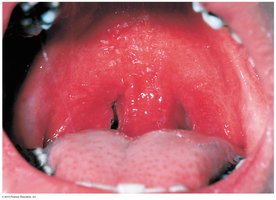
Scarlet Fever
Scarlet fever is a complication of strep throat caused by erythrogenic toxin produced by lysogenized S. pyogenes. It presents with a pink-red rash, high fever, and a characteristic 'strawberry tongue.'
Diagnosis: Dick test (skin test for immunity)
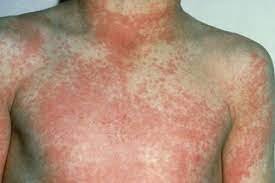

Diphtheria
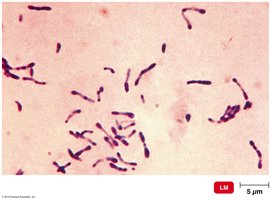
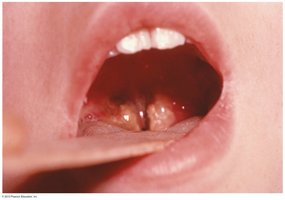
Diphtheria is a serious upper respiratory infection caused by Corynebacterium diphtheriae, a gram-positive, non-endospore-forming rod. The disease is characterized by the formation of a gray membrane in the throat, which can obstruct the airway.
Causative agent: Corynebacterium diphtheriae
Toxin: Produced by lysogenized strains; inhibits protein synthesis
Symptoms: Sore throat, fever, malaise, neck swelling, gray membrane in throat
Diagnosis: Culture on Loeffler slant and Tellurite agar; test for toxigenicity
Treatment: Antibiotics (penicillin, erythromycin) and antitoxins
Prevention: DTaP vaccine (diphtheria toxoid)
Otitis Media
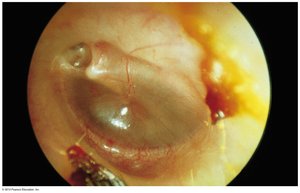
Otitis media is a middle ear infection, common in children, often following upper respiratory infections. It is caused by several bacterial species, with Streptococcus pneumoniae being the most common.
Causative agents: S. pneumoniae (35%), H. influenzae (20–30%), M. catarrhalis (10–15%), S. pyogenes (8–10%), S. aureus (1–2%)
Symptoms: Ear pain, fever, bulging eardrum
Prevention: Pneumococcal vaccine reduces incidence
The Common Cold
The common cold is a viral infection of the upper respiratory tract, primarily caused by rhinoviruses and coronaviruses. It is highly contagious and usually self-limiting.
Causative agents: Rhinoviruses (30–50%), Coronaviruses (10–15%)
Symptoms: Runny nose, sore throat, cough, mild fever
Treatment: Symptomatic (cough suppressants, antihistamines); no cure
Complications: Laryngitis, otitis media
Lower Respiratory System Diseases
Pertussis (Whooping Cough)
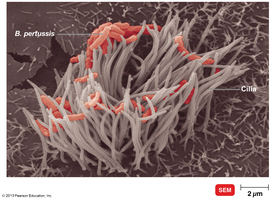
Pertussis is a highly contagious bacterial disease caused by Bordetella pertussis. It is characterized by severe coughing fits and is most dangerous in infants.
Causative agent: Bordetella pertussis (gram-negative coccobacillus)
Virulence factors: Capsule, tracheal cytotoxin, pertussis toxin
Stages:
Catarrhal stage: mild, cold-like symptoms
Paroxysmal stage: severe, violent coughing fits
Convalescence stage: prolonged recovery
Diagnosis: Clinical signs, culture on Bordet-Gengou agar, direct fluorescent antibody test
Prevention: DTaP vaccine (acellular pertussis)
Treatment: Antibiotics (most effective early)

Tuberculosis
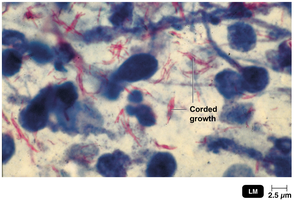
Tuberculosis (TB) is a chronic infectious disease caused by Mycobacterium tuberculosis. It primarily affects the lungs but can disseminate to other organs. TB is characterized by granuloma (tubercle) formation and can be latent or active.
Causative agent: Mycobacterium tuberculosis (acid-fast rod)
Transmission: Airborne droplets
Symptoms: Chronic cough, weight loss, fever, night sweats, hemoptysis (coughing blood)
Diagnosis: Tuberculin skin test (Mantoux), chest X-ray, acid-fast staining, culture, NAATs
Treatment: Prolonged multi-drug therapy (isoniazid, rifampin, ethambutol, pyrazinamide)
Prevention: BCG vaccine (live attenuated M. bovis)
Pathogenesis of Tuberculosis
The pathogenesis of TB involves several steps, from initial infection to possible dissemination:
Tubercle bacilli reach alveoli and are ingested by macrophages; some survive and multiply.
Macrophages and immune cells form an early tubercle; inflammation damages lung tissue.
Caseous center forms; bacilli may remain dormant (latent TB) or reactivate later.
Liquefaction leads to tuberculous cavity formation; bacilli multiply outside macrophages.
Tubercle ruptures, releasing bacilli into bronchioles, spreading infection.


Bacterial Pneumonias
Pneumonia is an infection of the lung parenchyma, caused by various bacteria, viruses, or fungi. It is classified by the causative agent and the anatomical region affected.
Common bacterial causes: Streptococcus pneumoniae, Haemophilus influenzae, Staphylococcus aureus, Legionella pneumophila, Mycoplasma pneumoniae
Less common in compromised hosts: Klebsiella pneumoniae, Escherichia coli, Pseudomonas aeruginosa, Enterobacter
Pneumococcal Pneumonia
Caused by Streptococcus pneumoniae (encapsulated diplococci), this is the most common type of bacterial pneumonia. It is characterized by infected alveoli filled with fluid, leading to impaired oxygen exchange.
Symptoms: Fever, chest pain, difficulty breathing, rust-colored sputum
Diagnosis: Optochin-inhibition test, bile solubility, serological typing, Quellung reaction
Treatment: Macrolides, fluoroquinolones
Prevention: Pneumococcal vaccine
Haemophilus influenzae Pneumonia
This pneumonia is caused by Haemophilus influenzae, a gram-negative coccobacillus. It often affects individuals with underlying conditions such as alcoholism, poor nutrition, cancer, or diabetes.
Symptoms: Similar to pneumococcal pneumonia
Diagnosis: Requires special media (X and V factors)
Treatment: Cephalosporins
Mycoplasmal Pneumonia (Walking Pneumonia)
Caused by Mycoplasma pneumoniae, this form of pneumonia is generally mild and common in children and young adults. The organism lacks a cell wall, making it pleomorphic and resistant to beta-lactam antibiotics.
Symptoms: Persistent cough, low fever, headache
Diagnosis: PCR, serological testing (IgM)
Treatment: Tetracyclines
Legionellosis
Legionellosis is caused by Legionella pneumophila, a gram-negative rod found in water systems. It is transmitted by inhaling aerosols and can cause severe pneumonia, especially in older adults with risk factors.
Symptoms: High fever, cough, pneumonia
Diagnosis: Culture on selective media, DNA probe
Treatment: Erythromycin
Psittacosis (Ornithosis)
Psittacosis is caused by Chlamydophila psittaci, an obligate intracellular bacterium transmitted from birds. It can cause fever, headache, and respiratory symptoms.
Diagnosis: Growth in eggs or cell culture
Treatment: Tetracyclines
Chlamydial Pneumonia
Caused by Chlamydophila pneumoniae, this disease is transmitted human-to-human and is common in young people. It presents as a mild respiratory illness.
Diagnosis: Serological tests
Treatment: Tetracyclines
Q Fever
Q fever is caused by Coxiella burnetii, with reservoirs in large mammals and transmission via ticks or unpasteurized milk. It causes mild respiratory disease but can lead to complications such as endocarditis.
Treatment: Doxycycline and chloroquine
Melioidosis
Melioidosis is caused by Burkholderia pseudomallei, found in soil in Southeast Asia and northern Australia. It can cause pneumonia, abscesses, and severe sepsis.
Treatment: Ceftazidime
Viral Diseases of the Lower Respiratory System
COVID-19
COVID-19 is caused by the Betacoronavirus SARS-CoV-2. It emerged in 2019 and has caused a global pandemic. The virus mutates rapidly, leading to the emergence of variants.
Transmission: Droplets and aerosols
Symptoms: Range from mild to severe; fever, cough, shortness of breath, loss of taste/smell, fatigue, and more
Diagnosis: Rapid antigen tests (ELISA), PCR for viral RNA
Treatment: Antivirals (remdesivir, paxlovid, molnupiravir), convalescent plasma
Prevention: Vaccines (mRNA, viral vector, subunit)
Influenza
Influenza is caused by the Orthomyxovirus, which has a segmented RNA genome and surface spikes (hemagglutinin and neuraminidase). Antigenic drift and shift contribute to seasonal epidemics and pandemics.
Symptoms: Chills, fever, headache, muscle aches
Diagnosis: Based on antigenic variation (H and N antigens)
Treatment: Zanamivir, oseltamivir (neuraminidase inhibitors)
Prevention: Annual multivalent vaccine
Respiratory Syncytial Virus (RSV)
RSV is a major cause of pneumonia in infants, leading to cell fusion (syncytium formation) in culture. It is diagnosed serologically and treated with ribavirin or palivizumab.
Fungal Infections of the Lower Respiratory System
Histoplasmosis
Histoplasmosis is caused by Histoplasma capsulatum, a dimorphic fungus. Infection occurs via inhalation of conidia, especially from soil with bat droppings. The disease is usually mild but can resemble miliary tuberculosis.
Diagnosis: Identification of yeast and macroconidia forms
Treatment: Amphotericin B (for severe cases)
Coccidioidomycosis (Valley Fever)
Caused by Coccidioides immitis, this disease is endemic to the American Southwest. It presents with chest pain, fever, and weight loss, and is diagnosed by serological tests.
Treatment: Amphotericin B
Pneumocystis Pneumonia
Pneumocystis pneumonia is caused by Pneumocystis jirovecii, an opportunistic pathogen affecting immunocompromised patients (e.g., AIDS, transplant recipients).
Diagnosis: Microscopy
Treatment: Trimethoprim
Blastomycosis
Blastomycosis is caused by Blastomyces dermatitidis, found in soil in the Mississippi valley. It can cause abscesses, cutaneous ulcers, and extensive tissue damage.
Treatment: Amphotericin B
Summary Table: Key Bacterial Causes of Pneumonia
Pathogen | Gram Stain | Distinguishing Features | Treatment |
|---|---|---|---|
Streptococcus pneumoniae | Gram-positive diplococci | Encapsulated, optochin sensitive | Macrolides, fluoroquinolones |
Haemophilus influenzae | Gram-negative coccobacillus | Requires X and V factors | Cephalosporins |
Mycoplasma pneumoniae | Wall-less, pleomorphic | "Walking pneumonia" | Tetracyclines |
Legionella pneumophila | Gram-negative rod | Waterborne, not person-to-person | Erythromycin |
Chlamydophila psittaci | Gram-negative, intracellular | Bird droppings, obligate intracellular | Tetracyclines |
