 Back
BackMicrobial Diseases of the Respiratory System: Structure, Pathogenesis, and Clinical Syndromes
Study Guide - Smart Notes
 Tailored notes based on your materials, expanded with key definitions, examples, and context.
Microbial Diseases of the Respiratory System
Structures of the Respiratory System
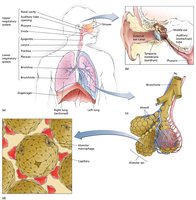
The respiratory system is divided into upper and lower regions, each with distinct anatomical structures and protective mechanisms. Understanding these structures is essential for recognizing how pathogens invade and cause disease.
Upper Respiratory System: Includes the nose, nasal cavity, pharynx, and uvula. These areas are exposed to the external environment and are lined with mucous membranes containing antimicrobial chemicals.
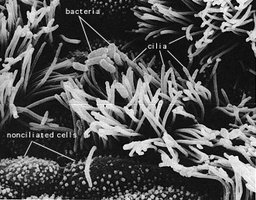
Lower Respiratory System: Comprises the larynx, trachea, bronchi, alveoli, and diaphragm. Protective components include ciliated mucous membranes, alveolar macrophages, and secretory antibodies that help prevent infection.
Microbiome of the Respiratory System
The respiratory tract harbors a diverse microbiome, especially in the upper regions. The lower respiratory system is typically sterile due to robust defense mechanisms.
Upper Respiratory Microbiome: Colonized by many microorganisms that provide antagonism against pathogens but may become opportunistic under certain conditions.
Lower Respiratory System: Normally free of microorganisms; presence of microbes often indicates infection.
Bacterial Diseases of the Upper Respiratory System, Sinuses, and Ears
Streptococcal Respiratory Diseases
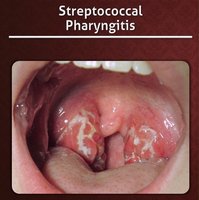
Streptococcal pharyngitis (strep throat) is a common bacterial infection of the throat, which can lead to serious complications if untreated.
Signs and Symptoms: Sore throat, difficulty swallowing, fever, malaise, and headache. Complications include scarlet fever, rheumatic fever, and acute glomerulonephritis.
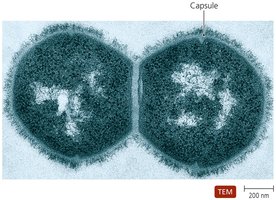
Pathogen: Caused by Streptococcus pyogenes (Group A streptococci), which produces M proteins, hyaluronic acid capsule, streptokinases, C5a peptidase, pyrogenic toxins, and streptolysins.
Transmission: Spread via respiratory droplets, most common in winter and spring.
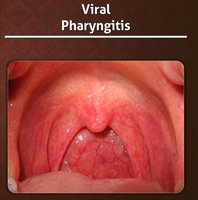
Treatment: Oral penicillin is effective; diagnosis is often clinical but can be confused with viral pharyngitis.
Diphtheria
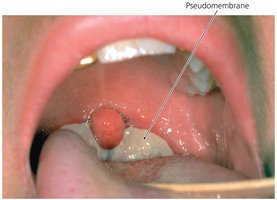
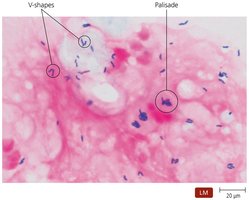
Diphtheria is a potentially fatal upper respiratory infection characterized by the formation of a pseudomembrane in the throat.
Pathogen: Caused by Corynebacterium diphtheriae, which produces diphtheria toxin that inhibits protein synthesis and causes cell death.
Signs and Symptoms: Sore throat, localized pain, fever, and a pseudomembrane that can obstruct airways.
Transmission: Spread via respiratory droplets or skin contact; symptomatic in immunocompromised or nonimmune individuals.
Treatment and Prevention: Treated with antitoxin and antibiotics; prevented by TDaP immunization.
Rhinosinusitis and Otitis Media
These conditions involve inflammation of the nasal passages and middle ear, often following upper respiratory infections.
Pathogens: Caused by various respiratory microbiota; often follows damage to the upper respiratory system or auditory tube.
Symptoms: Headache, inflamed nasal passages, malaise, and severe ear pain (otitis media).
Treatment: Flushing nasal and sinus cavities with saline (e.g., neti pot) can reduce symptoms; no definitive prevention for rhinosinusitis.

Viral Diseases of the Upper Respiratory System, Sinuses, and Ears
Common Cold
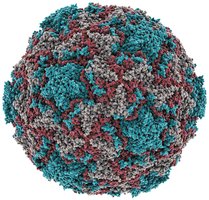
The common cold is a mild, self-limiting viral infection of the upper respiratory tract, most frequently caused by rhinoviruses.
Pathogens: Primarily enteroviruses (rhinoviruses); many serotypes exist.
Symptoms: Sneezing, runny nose, congestion, sore throat, malaise, and cough; usually no fever.
Transmission: Highly infective; spread by droplets, fomites, or direct contact.
Treatment: Supportive; pleconaril may reduce duration; hand hygiene is key for prevention.
Bacterial Diseases of the Lower Respiratory System
Bacterial Pneumonias
Pneumonia is an inflammation of the lungs with fluid-filled alveoli and bronchioles, caused by various bacteria. It is classified by the affected region or causative organism.
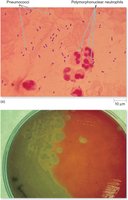
Pneumococcal Pneumonia: Caused by Streptococcus pneumoniae; characterized by fever, chills, congestion, cough, chest pain, and rust-colored sputum. Virulence factors include adhesins, capsule, and pneumolysin.
Diagnosis: Identification of diplococci in sputum; penicillin is the drug of choice, but resistance exists. Vaccination (Pneumovax) is preventive.
Primary Atypical (Mycoplasmal) Pneumonia: Caused by Mycoplasma pneumoniae; symptoms include fever, malaise, sore throat, and excessive sweating. Treated with erythromycin or doxycycline.
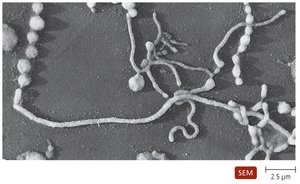
Klebsiella Pneumonia: Caused by Klebsiella pneumoniae; presents with bloody sputum and chills. More common in immunocompromised patients.
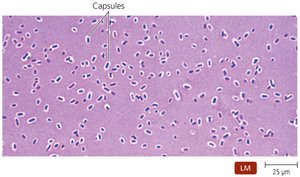
Other Bacterial Pneumonias: Caused by Haemophilus influenzae, Staphylococcus aureus, Yersinia pestis (pneumonic plague), Chlamydophila psittaci (psittacosis), and Chlamydophila pneumoniae.
Legionnaires’ Disease
Legionnaires’ disease is a severe form of pneumonia caused by Legionella pneumophila, often associated with contaminated water sources.
Symptoms: Typical pneumonia symptoms with rapid decline in pulmonary function.
Diagnosis: Fluorescent antibody staining or serology; treated with quinolones or macrolides.
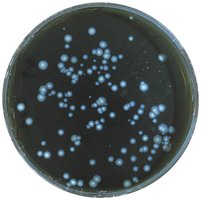
Tuberculosis
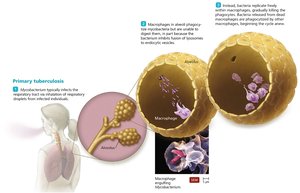
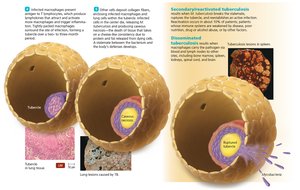
Tuberculosis (TB) is a chronic infectious disease caused by Mycobacterium tuberculosis. It is the leading infectious disease killer worldwide.
Pathogen: Mycolic acid in the cell wall confers resistance to phagocytic lysis and many drugs.
Types: Primary, secondary, and disseminated TB.
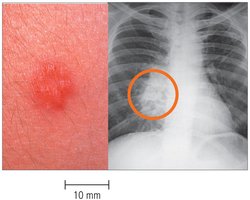
Diagnosis: Tuberculin skin test, chest X-ray for tubercles; treatment requires multiple drugs due to resistance (MDR/XDR strains).
Prevention: BCG vaccine in endemic areas.
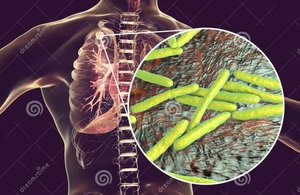
Pertussis (Whooping Cough)
Pertussis is a highly contagious respiratory disease caused by Bordetella pertussis, characterized by severe coughing fits.
Phases: Incubation, catarrhal (cold-like symptoms), paroxysmal (severe coughing), and convalescent (recovery).
Treatment: Primarily supportive; prevented by DTaP vaccine.

Inhalation Anthrax
Inhalation anthrax is a rare but severe respiratory disease caused by Bacillus anthracis spores, leading to shock and death if untreated.
Transmission: Not spread person-to-person; acquired by inhaling endospores.
Viral Diseases of the Lower Respiratory System
Influenza
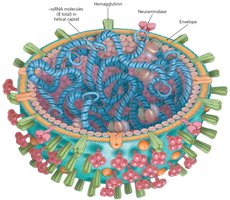
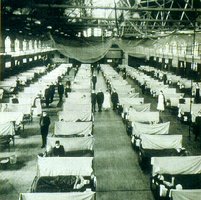
Influenza is an acute viral infection caused by influenza A and B viruses, notable for its antigenic variability and potential for pandemics.
Symptoms: Pharyngitis, congestion, cough, myalgia, and sudden fever.
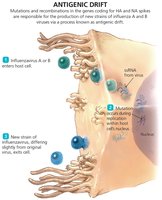
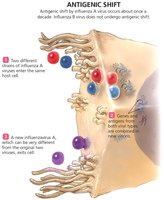
Antigenic Drift and Shift: Mutations in hemagglutinin and neuraminidase lead to new strains (drift); reassortment of viral genomes can cause pandemics (shift).
Treatment: Supportive care; antivirals (oseltamivir, zanamivir) if given early; annual vaccination is preventive.
Coronavirus Respiratory Syndromes
Severe acute respiratory syndrome (SARS), Middle East respiratory syndrome (MERS), and COVID-19 are caused by coronaviruses, with high fatality rates in severe cases.
Symptoms: High fever, shortness of breath, dry cough, and pneumonia.
Transmission: Spread via respiratory droplets; can affect multiple organs.
Treatment: Supportive; diagnosis by virus isolation or antibody detection.
Respiratory Syncytial Virus (RSV)
RSV is the most common cause of childhood respiratory disease, leading to the formation of syncytia in the lungs.
Symptoms: Fever, runny nose, cough; severe in infants and immunocompromised.
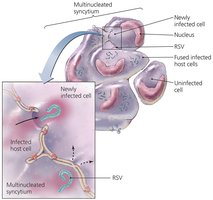
Pathogenesis: Virus induces fusion of infected and uninfected cells, forming multinucleated syncytia.
Treatment: Supportive; prevention by aseptic technique in healthcare settings.
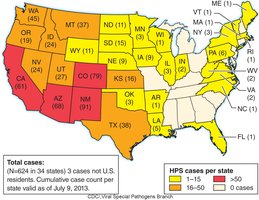
Hantavirus Pulmonary Syndrome (HPS)
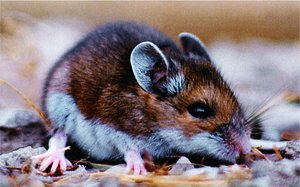
HPS is a severe respiratory disease caused by hantavirus, transmitted from rodent excreta.
Symptoms: Cough, shock, labored breathing, pulmonary edema.
Transmission: Inhalation of aerosolized rodent excreta; not spread person-to-person.
Treatment: No specific treatment; prevention by rodent control.
Mycoses (Fungal Diseases) of the Lower Respiratory System
Overview of Fungal Respiratory Diseases
Fungal infections of the respiratory system are increasingly common, especially in immunocompromised individuals. Major endemic mycoses in North America include coccidioidomycosis, blastomycosis, histoplasmosis, and pneumocystis pneumonia.

Coccidioidomycosis
Also known as Valley Fever, this disease is caused by Coccidioides immitis and can mimic pneumonia or tuberculosis.
Transmission: Inhalation of arthroconidia from soil; endemic to southwestern U.S. and northern Mexico.
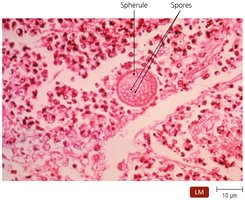
Diagnosis: Identification of spherules in clinical specimens; treated with amphotericin B.
Blastomycosis
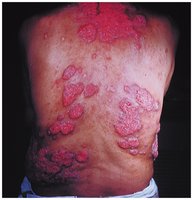
Blastomycosis is caused by Blastomyces dermatitidis, a dimorphic fungus, and can cause systemic lesions.
Transmission: Inhalation of spores from soil; endemic in southeastern U.S. to Canada.
Diagnosis: Identification of fungus in clinical samples; treated with amphotericin B.
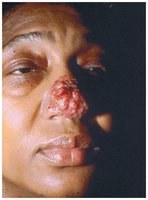
Histoplasmosis
Histoplasmosis is caused by Histoplasma capsulatum, a dimorphic fungus prevalent in the eastern U.S.
Transmission: Inhalation of airborne spores from soil.
Diagnosis: Identification in clinical samples; usually self-limiting in immunocompetent individuals.
Pneumocystis Pneumonia
Pneumocystis pneumonia is a common opportunistic infection in AIDS patients, caused by Pneumocystis jirovecii.
Symptoms: Difficulty breathing, anemia, hypoxia, and fever.
Diagnosis: Clinical and microscopic findings; treated with trimethoprim and sulfamethoxazole.
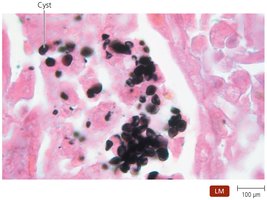
Table: Manifestations of Some Respiratory Diseases
Ailment | Manifestations |
|---|---|
Common Cold (Viral) | Sneezing, rhinorrhea, congestion, sore throat, headache, malaise, cough |
Influenza (Viral) | Fever, rhinorrhea, headache, body aches, fatigue, dry cough, pharyngitis, congestion |
"Strep" Throat (Bacterial) | Fever, red and sore throat, swollen lymph nodes in neck |
Viral Pneumonia | Fever, chills, mucus-producing cough, headache, body aches, fatigue |
Bacterial Pneumonia | Fever, chills, congestion, cough, chest pain, rapid breathing, and possible nausea and vomiting |
Bronchitis (Viral or Bacterial) | Mucus-producing cough, wheezing |
Inhalational Anthrax (Bacterial) | Fever, malaise, cough, chest discomfort, vomiting |
Coronavirus Respiratory Syndromes (SARS, MERS) | High fever (>38°C), cough, shortness of breath |
