 Back
Microbial Diseases of the Skin and Wounds: Acne, Measles, Rubella, and Smallpox
Study Guide - Smart Notes
 Tailored notes based on your materials, expanded with key definitions, examples, and context.
Microbial Diseases of the Skin and Wounds
Acne
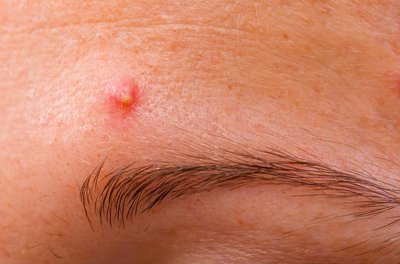
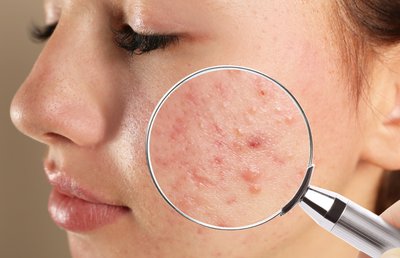
Acne is a common bacterial skin disease characterized by inflammation of hair follicles and oil glands. It is influenced by genetic, hormonal, and microbial factors, and is most prevalent during puberty.
Gram Stain: Gram-positive
Shape: Bacilli (rod-shaped)
Cause: Cutibacterium acnes (formerly Propionibacterium acnes) proliferates in hair follicles, using sebum as a nutrient source, leading to inflammation and clogging.
Spread: Not contagious; C. acnes is a normal part of the skin microbiome.
Diagnosis: Visual inspection of skin lesions.
Immunity: Not applicable; no immune response required for diagnosis.
Treatment: Mild acne is treated with topical agents (benzoyl peroxide, salicylic acid); moderate/severe cases may require antibiotics (tetracyclines, macrolides).
Symptoms: Whiteheads, blackheads, nodules, cysts, and possible scarring.
Key Factors: Hormonal changes (especially during puberty) trigger excessive sebum production, which supports bacterial growth.
Practice Question: Direct causes of acne include bacterial proliferation in hair follicles and hormonal changes leading to excessive sebum production.
Measles (Rubeola)
Overview and Pathogenesis
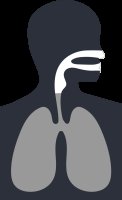
Measles is a highly contagious viral disease caused by the Measles virus (Morbillivirus). It infects the upper respiratory tract and spreads systemically, often before symptoms appear.
Type: Single-stranded RNA virus
Spread: Direct or indirect transmission via respiratory droplets; extremely infectious, quarantine alone is often ineffective.
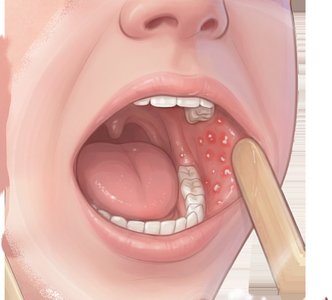
Diagnosis: Presence of Koplik's spots and serological tests.
Treatment: No specific antiviral treatment; supportive care only.
Immunity: Provided by the MMR (measles, mumps, rubella) vaccine.
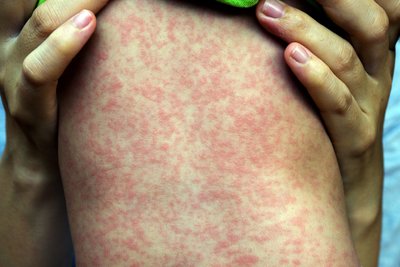
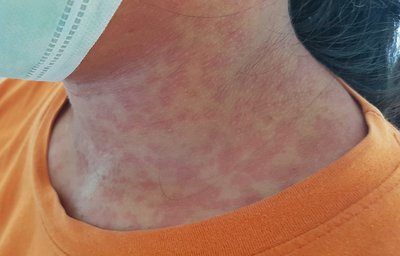
Symptoms: Fever, cough, maculopapular rash (red, raised lesions), Koplik's spots (white/gray lesions with red halo inside mouth), and possible severe complications (pneumonia, encephalitis).
Practice Question: Koplik's spots are a useful diagnostic indicator for measles.
Rubella (German Measles)
Overview and Pathogenesis
Rubella is a viral disease caused by the Rubella virus (Rubivirus). It is less severe and less contagious than measles, but poses significant risks to fetuses if contracted during pregnancy.
Type: Single-stranded RNA virus
Spread: Respiratory droplets from coughing, sneezing, or talking; infectious before symptoms appear.
Diagnosis: Clinical symptoms (rash, light fever) and serological tests for IgM antibodies.
Treatment: No specific antiviral treatment.
Immunity: Provided by the MMR vaccine or recovery from infection.
Symptoms: Light fever, macular rash of red spots, rare encephalitis in adults, and congenital rubella syndrome (CRS) in fetuses, which can cause birth defects, miscarriage, or stillbirth.
Practice Question: Rubella is especially dangerous for pregnant women’s fetuses (CRS), while measles is more dangerous for young children and older adults.
Smallpox (Variola)
Overview and Pathogenesis
Smallpox is a severe viral disease caused by the Variola virus (Orthopoxvirus). It was eradicated globally in 1980, but historically caused significant morbidity and mortality.
Type: Double-stranded DNA virus
Spread: Close/direct contact, mainly via respiratory droplets; less contagious than measles but more deadly.
Diagnosis: Visual appearance and distribution of rash and lesions.
Treatment: No specific antiviral treatment.
Immunity: Smallpox vaccine; first disease to be fully eradicated by vaccination.
Symptoms: High fever, fatigue, fluid-filled vesicles evolving into pustules, severe scarring, and organ damage; ~30% fatality rate in unvaccinated individuals.
Practice Question: Smallpox requires close contact for transmission because respiratory droplets do not travel far.
Comparison Table: Measles, Rubella, and Smallpox
Disease | Pathogen Type | Transmission | Symptoms | Immunity | Severity |
|---|---|---|---|---|---|
Acne | Bacterial (C. acnes) | Not contagious | Whiteheads, blackheads, cysts | N/A | Mild to severe (scarring possible) |
Measles | RNA virus (Morbillivirus) | Respiratory droplets | Fever, cough, rash, Koplik's spots | MMR vaccine | Severe, especially in infants/elderly |
Rubella | RNA virus (Rubivirus) | Respiratory droplets | Light fever, rash, CRS in fetuses | MMR vaccine | Mild in adults, severe for fetuses |
Smallpox | DNA virus (Variola) | Close contact, respiratory droplets | High fever, vesicles, scarring | Smallpox vaccine | Very severe, high fatality |
Additional info: The notes above expand on brief points with academic context, including definitions, examples, and comparisons. Practice questions are included to reinforce learning. Images are only included when directly relevant to the explanation of the paragraph.
