 Back
BackMicrobial Diseases of the Skin and Nervous System: Smallpox, Rabies, Polio, and Leprosy
Study Guide - Smart Notes
 Tailored notes based on your materials, expanded with key definitions, examples, and context.
Microbial Diseases of the Skin and Nervous System
Overview
This section covers major viral and bacterial diseases affecting the skin and nervous system, focusing on smallpox, rabies, poliomyelitis, and leprosy. Each disease is discussed in terms of causative agents, transmission, pathogenesis, clinical features, epidemiology, diagnosis, treatment, and prevention.
Viral Diseases of the Skin
Smallpox (Variola)
Smallpox is a severe viral disease caused by an orthopoxvirus. It has played a significant role in human history due to its high mortality and disfiguring lesions.
Causative Agent: Orthopoxvirus (Variola virus)
Forms:
Variola major: ~20% mortality
Variola minor: <1% mortality
Transmission: Respiratory route; virus enters the bloodstream and infects the skin.
Clinical Features: Characteristic pustular lesions on the skin.
Eradication: Completely eradicated from the human population by vaccination; no animal reservoirs remain.
Bioterrorism: Variola virus stocks are maintained in secure labs for research; potential bioterrorism agent.
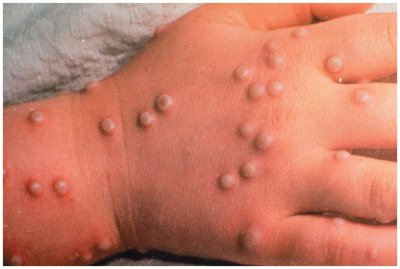
Monkeypox
Related to smallpox; endemic to small animals in Africa.
Can jump from animals to humans; mortality 1–10%.
Prevention: Smallpox vaccination is effective.
Diagnosis, Treatment, and Prevention
Diagnosis: Clinical presentation and laboratory confirmation.
Treatment: Immediate vaccination post-exposure.
Prevention: Vaccination program discontinued in the 1970s; some military and healthcare personnel still vaccinated.
Viral Diseases of the Nervous System
Rabies
Rabies is a fatal viral encephalitis caused by the rabies virus, primarily transmitted through animal bites.
Causative Agent: Rabies virus (Genus Lyssavirus); bullet-shaped, single-stranded RNA virus.
Transmission: Usually via saliva from animal bites; can also cross mucous membranes.
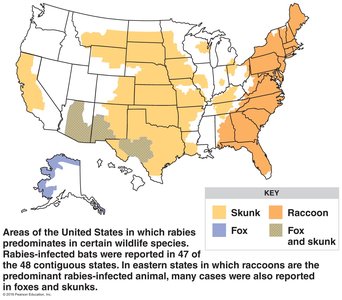
Reservoirs: In the U.S., most commonly silver-haired bats; also skunks, foxes, raccoons, and domestic animals.
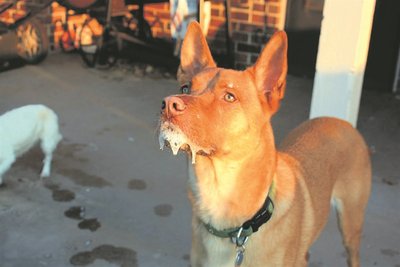
Pathogenesis and Clinical Features
Initial symptoms: Muscle spasms of the mouth and pharynx, hydrophobia (fear of water).
Virus multiplies in skeletal muscles, travels via the peripheral nervous system (PNS) to the brain, causing encephalitis.
Incubation period: 30–50 days.
Negri bodies (cytoplasmic inclusions) form in brain stem neurons.
Two clinical forms:
Furious (classical) rabies: Restlessness, excitability.
Paralytic (dumb) rabies: Minimal excitability, unawareness of surroundings.
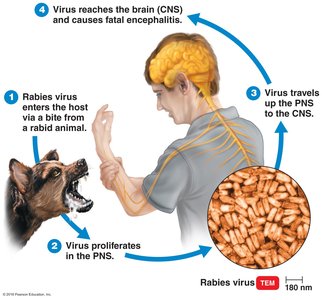
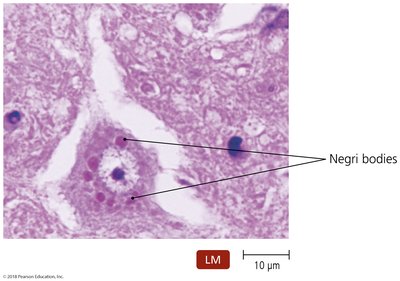
Diagnosis, Treatment, and Prevention
Diagnosis: Direct fluorescent-antibody (DFA) test on bodily fluids.
Postexposure Prophylaxis (PEP): Vaccine plus immunoglobulin (Human diploid cell vaccine [HDCV] and rabies immunoglobulin [RIG]).
Treatment: Very little effective treatment once symptoms appear; nearly 100% fatal.
Rabies Postexposure Guidelines
Type of Animal | Observation/Testing | PEP Recommendations |
|---|---|---|
Rabid or suspected rabid | — | Immediately begin prophylaxis |
Healthy, available for 10 days' observation | Observe | Do not begin unless exposure to head/neck or animal develops rabies |
Unavailable for observation/testing | Consult public health | Consider immediate vaccination |
Raccoons, foxes, skunks, coyotes, bats | Consider rabid unless proven otherwise | Consider immediate vaccination |
Large/small rodents, livestock, lagomorphs | Individual basis | Consult public health |
Non-mammals | Do not harbor rabies | Prophylaxis never required |
Epidemiology
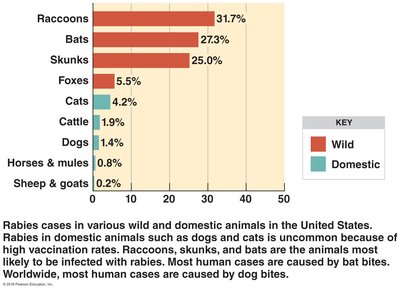
7,000–8,000 animal cases annually in the U.S.; 1–6 human cases per year.
Most common in bats, skunks, raccoons, foxes, and domestic animals.
Viral Diseases of the Nervous System
Poliomyelitis (Polio)
Poliomyelitis is a viral disease that can cause paralysis and was once a major cause of disability worldwide.
Causative Agent: Poliovirus
Transmission: Fecal-oral route, often through contaminated water.
Clinical Forms:
Asymptomatic: ~90% of cases
Minor polio: Nonspecific symptoms
Nonparalytic polio: Muscle spasms, back pain
Paralytic polio: Paralysis
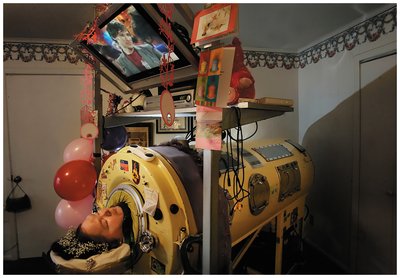
Postpolio syndrome: Debilitating, occurs years after initial infection
Epidemiology
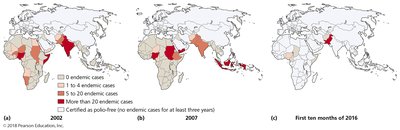
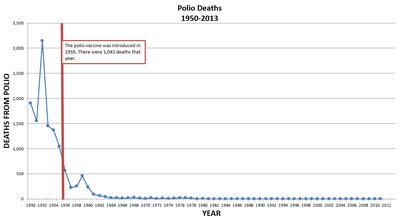
Fewer than 100 naturally acquired cases worldwide in 2015.
Endemic only in Pakistan and Nigeria as of recent years.
Diagnosis, Treatment, and Prevention
Diagnosis: Identification of virus in throat or feces.
Treatment: No specific antiviral treatment.
Prevention: Two effective vaccines:
Inactivated polio vaccine (IPV)
Oral polio vaccine (OPV)
Bacterial Diseases of the Nervous System
Hansen’s Disease (Leprosy)
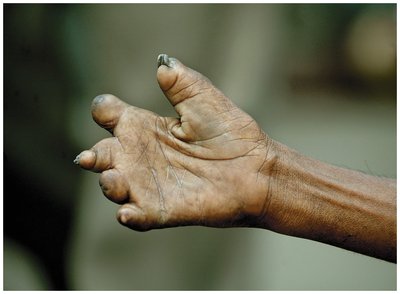
Leprosy is a chronic bacterial infection caused by Mycobacterium leprae, affecting the skin, peripheral nerves, and mucosa of the upper respiratory tract.
Forms:
Tuberculoid leprosy: Nonprogressive, strong cell-mediated immune response.
Lepromatous leprosy: More virulent, weak cell-mediated immune response, can cause severe deformities.
Mortality: Death from leprosy is rare.
Pathogen and Virulence Factors
Mycobacterium leprae: Gram-positive bacillus with mycolic acid in the cell wall.
Mycolic acid confers:
Slow growth rate
Protection from phagocytic lysis
Growth within phagocytes
Resistance to many antimicrobial drugs
Pathogenesis and Epidemiology
Grows best in cooler regions of the body (e.g., extremities).
Can persist inside infected cells for years.
Cellular immune response may destroy nerves and tissues.
Lepromatous leprosy is becoming rare; transmission is via person-to-person contact or breaks in the skin.
Diagnosis, Treatment, and Prevention
Diagnosis: Based on clinical signs and symptoms; confirmed by presence of acid-fast bacilli in samples.
Treatment: Multiple antimicrobials; may be lifelong for some patients.
Prevention: BCG vaccine provides some protection; avoid exposure to the pathogen.
