 Back
BackMicrobial Ecology: Community Dynamics, Interactions, and Human Health
Study Guide - Smart Notes
 Tailored notes based on your materials, expanded with key definitions, examples, and context.
Microbial Ecology
Introduction to Microbial Ecology
Microbial ecology is the study of microorganisms in their natural environments and their interactions with both living (biotic) and non-living (abiotic) components. Unlike traditional microbiology, which often focuses on isolated species in laboratory cultures, microbial ecology investigates how microbes coexist and function collectively in complex communities, driving essential processes on Earth.

Community Dynamics in Microbial Ecology
Structure, Diversity, and Activity
Community dynamics describe how microbial communities change over time in response to environmental shifts. Scientists analyze these dynamics through three main aspects:
Structure: Refers to the types and numbers of microbes present. Key metrics include richness (number of species) and evenness (relative abundance of species). Some microbes form the core microbiome (always present), while others are transient.
Diversity: Measures the variety of microbes and their functions. Alpha diversity is diversity within a single environment; beta diversity compares diversity between environments. Functional redundancy means different species can perform similar roles, stabilizing the ecosystem.
Activity: Describes the metabolic functions microbes perform, such as nutrient cycling and byproduct formation. Community composition can shift through succession, where pioneer species are replaced by more stable communities over time.
Disturbances and Community Change
Microbial communities are influenced by disturbances:
Pulse disturbances: Short-term events (e.g., antibiotic treatment).
Press disturbances: Long-term pressures (e.g., pollution, climate change).
Communities may exhibit resilience (recovery), resistance (stability), or shift to a new state if the disturbance is severe.
Symbiosis in Microbial Ecology
Types of Microbial Interactions
Symbiosis refers to close relationships between different organisms, shaping community structure and function. Main types include:
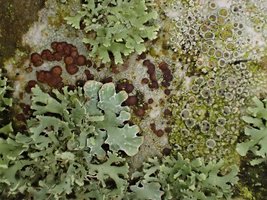
Mutualism: Both partners benefit. Example: Lichens (fungus and alga/cyanobacterium partnership; fungus provides structure, alga photosynthesizes).
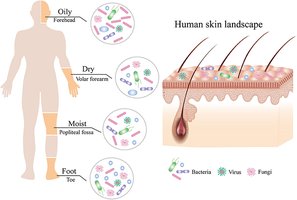
Commensalism: One organism benefits, the other is unaffected. Example: Skin bacteria feeding on oils and dead cells without harming the host.
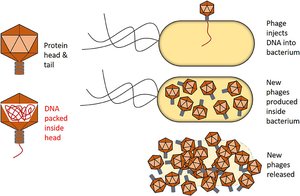
Parasitism: One organism benefits at the expense of the other. Example: Bacteriophages infect and destroy bacteria.
Amensalism: One organism is harmed, the other is unaffected. Example: Fungi producing antibiotics that inhibit nearby bacteria.
Microbial relationships can shift depending on environmental conditions. Microbes that are usually harmless can become pathogenic (pathobionts) if the balance is disturbed.
Microbes and Global Nutrient Cycles
Microbial Roles in Biogeochemical Cycles
Microbes are essential for recycling elements and maintaining ecosystem balance:
Carbon Cycle: Photosynthetic microbes fix CO2 into organic matter; decomposers release CO2 via respiration; methanogens produce methane in anaerobic environments.
Nitrogen Cycle: Nitrogen-fixing bacteria convert N2 to ammonia; nitrifiers convert ammonia to nitrates; denitrifiers return nitrogen to the atmosphere as N2.
Sulfur Cycle: Sulfate-reducing bacteria produce hydrogen sulfide; chemosynthetic microbes use sulfur compounds for energy, especially in deep-sea environments.
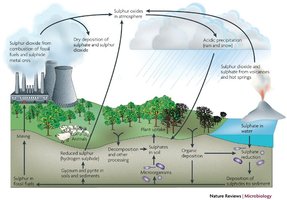
Without microbial nutrient cycling, essential elements would become unavailable, threatening all life on Earth.
Microbial Adaptation
Mechanisms of Adaptation
Microbes adapt rapidly due to short generation times. Main strategies include:
Genetic changes: Mutations and gene transfer allow rapid evolution.
Metabolic flexibility: Ability to use various nutrients or switch metabolic pathways.
Structural adaptations: Modifications to cell membranes, enzymes, or protective layers.
Extremophiles
Some microbes, called extremophiles, thrive in extreme conditions:
Hyperthermophiles: Live at very high temperatures (e.g., hydrothermal vents).
Piezophiles: Adapted to high pressure (deep sea).
Acidophiles: Survive in low pH environments.
Adaptation in the Human Gut
Gut microbes adapt to a competitive, low-oxygen environment by:
Specialized metabolism (digesting unique fibers)
Immune evasion (mimicking host molecules)
Horizontal gene transfer (rapid acquisition of new traits, such as antibiotic resistance)
Specialists vs. Generalists
Specialists: Thrive in specific environments or use specific nutrients.
Generalists: Survive in diverse environments and utilize various resources.
The "rare biosphere" refers to many low-abundance species that can become dominant if conditions change, aiding ecosystem resilience.
Microbial Ecology and Human Health
The Human Microbiome
The human body hosts trillions of microbes, collectively known as the microbiome. This community is crucial for immunity, digestion, and disease prevention, often described as a "forgotten organ."
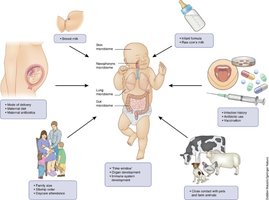
Immunity
Immune training: Early exposure to diverse microbes strengthens immune development (hygiene hypothesis).
Colonization resistance: Healthy microbes outcompete pathogens for space and nutrients.
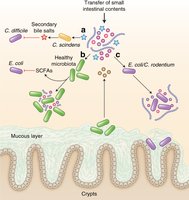
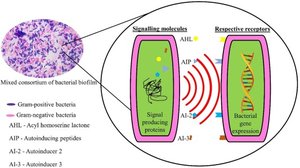
Microbial signaling: Microbes produce molecules that modulate immune responses.
Digestion
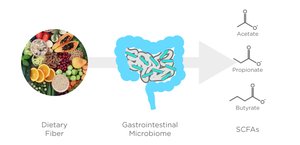
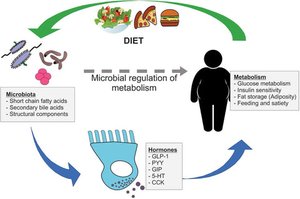
Breakdown of complex carbohydrates: Gut microbes ferment dietary fiber, producing short-chain fatty acids (SCFAs) like butyrate, which nourish intestinal cells.
Vitamin production: Some microbes synthesize vitamin K and B vitamins.
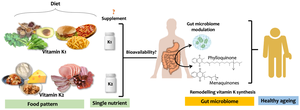
Energy extraction: Microbial composition affects how efficiently the body extracts energy from food.
Spread of Infection and Microbial Balance
Pathobionts: Normally harmless microbes can cause disease if the microbial balance is disrupted.
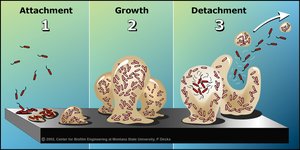
Biofilms: Microbes form protective communities (e.g., dental plaque) that resist antibiotics.
Body connections: Microbial communities in one organ (e.g., gut) can influence immune responses in others (e.g., lungs).
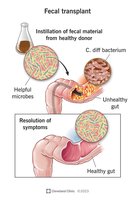
Fecal Microbiota Transplant (FMT): Transplanting healthy microbes can restore gut balance and treat certain infections.
Practice Questions
Which ecological metric changed most if one species becomes dominant but richness stays the same? Evenness
Loss of cellulose degradation after one species is eliminated suggests: Low functional redundancy
Replacement of pioneer species by others after disturbance is: Microbial succession
Amensalism example: A bacterium secretes antibiotics that inhibit competitors
Cyanobacteria fixing carbon and heterotrophs releasing CO2 is: Carbon cycling
Process returning nitrogen to atmosphere: Denitrification
Microbe with heat-stable enzymes from hydrothermal vent is: Hyperthermophile
Microbe switching between respiration and fermentation is: Generalist
Fastest spread of antibiotic resistance in gut: Horizontal gene transfer
Loss of colonization resistance leads to: Clostridioides difficile infection after antibiotics
Microbial product fueling colon cells: Butyrate
Biofilm antibiotic resistance is due to: Protective extracellular matrix and cooperation
Diverse gut community reduces pathogens by: Competitive exclusion
Community returning to original state after disturbance shows: Resilience
Microbial metabolism of permafrost carbon causing warming is: Positive climate feedback loop
