 Back
BackChpt 7 Study Guide
Study Guide - Smart Notes
 Tailored notes based on your materials, expanded with key definitions, examples, and context.
Q1. Why is it necessary for Vibrio vulnificus to turn on different genes when the microbe invades a human?
Background
Topic: Microbial Genetics – Environmental Adaptation & Gene Regulation
This question tests your understanding of how bacteria adapt to new environments by regulating gene expression, especially when transitioning from their natural habitat (ocean) to a human host.
Key Terms and Concepts:
Gene Regulation: The process by which cells "turn on" or "turn off" specific genes in response to environmental changes.
Quorum Sensing: Bacterial communication system that triggers gene expression when a certain population density is reached.
Capsule: A protective layer that helps bacteria evade the immune system.
Step-by-Step Guidance
Consider the environmental differences between ocean water and human tissue. What challenges does the bacterium face in each environment?
Think about why certain genes (such as those for a protective capsule) would be unnecessary in the ocean but crucial in a human host.
Recall that gene expression is often regulated by environmental signals, such as quorum-sensing molecules, which help bacteria adapt to new conditions.
Reflect on how turning on genes for virulence factors (like a capsule) helps the bacterium survive immune responses in humans.
Try solving on your own before revealing the answer!
Final Answer:
Vibrio vulnificus must turn on different genes when invading a human because the environment inside the human body is very different from the ocean. Genes for survival in the ocean are not sufficient for survival in human tissue, where the bacterium faces immune defenses and needs to produce protective structures like a capsule.
By turning on these genes, the bacterium can adapt to the new environment, evade the immune system, and establish infection.
Q2. What does the term “turn on” mean in relation to transcription and translation?
Background
Topic: Gene Expression – Transcription & Translation
This question is about the molecular processes by which genes are expressed, specifically how DNA is used to make proteins.
Key Terms and Concepts:
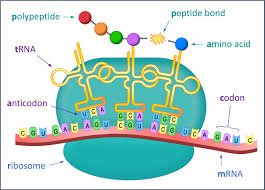
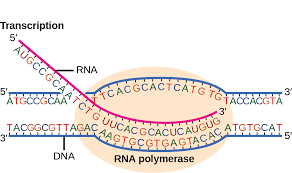
Transcription: The process of copying DNA into RNA.
Translation: The process of decoding RNA to synthesize proteins.
Gene Expression: The overall process of producing a functional product (protein) from a gene.
Step-by-Step Guidance
Recall that "turning on" a gene means activating its expression, so the cell starts making the corresponding protein.
Think about the steps involved: first, the DNA is transcribed into messenger RNA (mRNA).
Next, the mRNA is translated by ribosomes to produce a protein.
Consider how this process is regulated—genes are only "turned on" when needed, depending on environmental signals.
Try solving on your own before revealing the answer!
Final Answer:
"Turn on" means that a gene is actively transcribed into mRNA and then translated into protein. This process allows the cell to produce proteins that were previously not made, enabling adaptation to new environments.
Q3. Why do you think Vibrio cholerae is unable to infect through the skin, while Vibrio vulnificus can?
Background
Topic: Microbial Virulence Factors & Pathogenesis
This question tests your understanding of how different bacteria possess unique virulence factors that determine their ability to infect specific tissues.
Key Terms and Concepts:
Virulence Factors: Molecules produced by pathogens that enable them to infect and cause disease.
Capsule: A polysaccharide layer that protects bacteria from phagocytosis.
Enzymes: Proteins that help bacteria break down tissues and invade host cells.
Step-by-Step Guidance
Compare the natural habitats and infection routes of V. cholerae (intestinal) and V. vulnificus (wound/tissue).
Think about the specific virulence factors V. vulnificus has, such as a capsule and tissue-degrading enzymes, that allow it to invade skin.
Consider why V. cholerae lacks these factors and is specialized for colonizing the intestines rather than penetrating skin.
Reflect on how the capsule helps V. vulnificus resist immune responses and spread through tissue.
Try solving on your own before revealing the answer!
Final Answer:
V. cholerae cannot infect through the skin because it lacks the necessary enzymes and virulence factors, such as a capsule, to invade tissue. V. vulnificus, on the other hand, is encapsulated and produces enzymes that allow it to penetrate broken skin and resist immune defenses.
Q4. Define healthcare-associated infection.
Background
Topic: Nosocomial Infections & Hospital Epidemiology
This question is about infections acquired in healthcare settings, which are a major concern due to the presence of drug-resistant microbes.
Key Terms and Concepts:
Healthcare-Associated Infection (HAI): An infection contracted in a healthcare facility, such as a hospital or clinic.
Nosocomial Infection: Another term for HAI, specifically acquired during hospital stays.
Step-by-Step Guidance
Recall the definition of HAI and the types of facilities where these infections can occur.
Think about why these infections are common in hospitals—consider factors like invasive procedures and immunocompromised patients.
Consider the importance of infection control practices in preventing HAIs.
Try solving on your own before revealing the answer!
Final Answer:
A healthcare-associated infection is one that is contracted in a healthcare facility, such as a hospital, urgent care, or long-term care center.
Q5. What is the likely source of Sarah’s infection?
Background
Topic: Hospital-Acquired Infections & Risk Factors
This question tests your ability to identify common sources of infection in hospitalized patients.
Key Terms and Concepts:
Urinary Catheter: A device that can introduce bacteria into the urinary tract.
Invasive Procedures: Medical interventions that increase infection risk.
Step-by-Step Guidance
Review the case details and identify which medical devices or procedures could introduce bacteria.
Consider the role of urinary catheters in causing urinary tract infections.
Think about the importance of proper care and hygiene in preventing these infections.
Try solving on your own before revealing the answer!
Final Answer:
The likely source of Sarah’s infection is the urinary catheter.
Q6. List 3 ways by which E. faecium might have acquired genes for drug resistance.
Background
Topic: Horizontal Gene Transfer in Bacteria
This question is about the mechanisms bacteria use to acquire new genetic traits, such as antibiotic resistance.
Key Terms and Concepts:
Transformation: Uptake of free DNA from the environment.
Transduction: Transfer of DNA by bacteriophages (viruses).
Conjugation: Direct transfer of DNA between bacteria via a pilus.
Step-by-Step Guidance
Recall the three main methods of horizontal gene transfer: transformation, transduction, and conjugation.
Think about how each method allows bacteria to acquire new genes, including those for drug resistance.
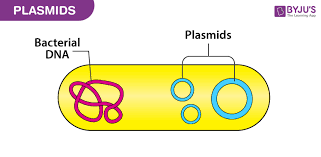
Consider the role of plasmids in spreading resistance genes.
Try solving on your own before revealing the answer!
Final Answer:
E. faecium might have acquired drug resistance genes through transformation, transduction, and conjugation.
Q7. How can hospital personnel prevent the spread of resistant E. faecium throughout the hospital?
Background
Topic: Infection Control & Prevention
This question is about strategies to prevent the spread of drug-resistant bacteria in healthcare settings.
Key Terms and Concepts:
Sanitation: Cleaning and disinfecting surfaces and equipment.
Hand Hygiene: Washing hands to prevent transmission.
Personal Protective Equipment (PPE): Using gloves and gowns to reduce contact.
Step-by-Step Guidance
List the main infection control practices used in hospitals, such as hand washing and using gloves.
Think about how proper cleaning techniques and PPE help prevent the spread of bacteria.
Consider the importance of isolating infected patients and monitoring for outbreaks.
Try solving on your own before revealing the answer!
Final Answer:
Hospital personnel can prevent the spread of resistant E. faecium by practicing proper sanitation, hand hygiene, using gloves, and following infection control protocols.
Q8. Why do you think some bacteria are multi-drug resistant and others are not?
Background
Topic: Bacterial Evolution & Antibiotic Resistance
This question asks you to reflect on the evolutionary processes that lead to multi-drug resistance in bacteria.
Key Terms and Concepts:
Evolution: The process by which organisms change over time through gene acquisition and selection.
Plasmids: Small DNA molecules that can carry resistance genes.
Selective Pressure: The use of antibiotics kills susceptible bacteria, allowing resistant ones to survive and multiply.
Step-by-Step Guidance
Think about how bacteria acquire resistance genes through horizontal gene transfer and mutation.
Consider the role of selective pressure from antibiotic use in promoting the survival of resistant strains.
Reflect on how plasmids and other genetic elements contribute to the spread of resistance.
Try solving on your own before revealing the answer!
Final Answer:
Some bacteria are multi-drug resistant because they have acquired resistance genes through evolution and horizontal gene transfer, often due to selective pressure from antibiotic use.
Vocabulary Chart Guidance
Background
Topic: Microbial Genetics Vocabulary
Understanding key vocabulary terms is essential for mastering microbial genetics. Here are step-by-step tips for completing the chart:
Key Terms and Concepts:
Genetics: The study of genes and inheritance.
Genome: All genetic material in an organism.
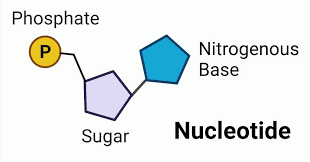
Nucleotide: Building block of DNA/RNA.
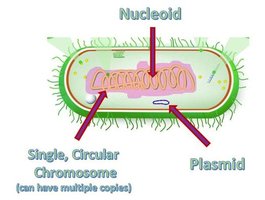
Plasmid: Circular DNA in prokaryotes.
Transcription: DNA to RNA process.
Translation: RNA to protein process.
Codon: Three-nucleotide sequence in mRNA.
Anticodon: Complementary sequence in tRNA.
Step-by-Step Guidance
For each term, write a clear sentence using the term in context.
List synonyms or related phrases that help clarify the meaning.
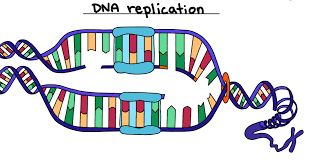
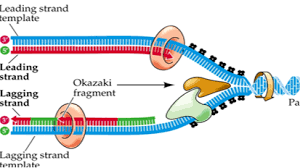
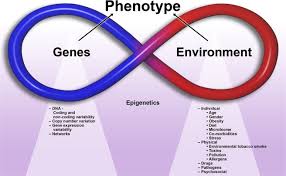
Choose a relevant image that visually represents the term (see below for examples).
Write what the term reminds you of, connecting it to your own experiences or prior knowledge.


Try completing the chart on your own before checking the examples!
