Back

Microbial Genetics, Control, and Antimicrobial Drugs: Study Guide

Study Guide - Learn with Videos

Curated lessons matched to your uploaded material – learn every topic step by step.

Central Dogma

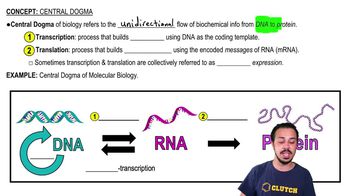
  • Central Dogma
    05:45
Introduction to DNA Replication

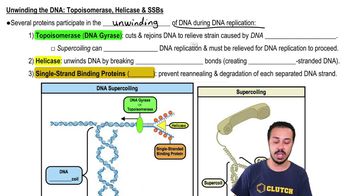
  • Unwinding the DNA:Topoisomerase, Helicase & SSBs
    05:10
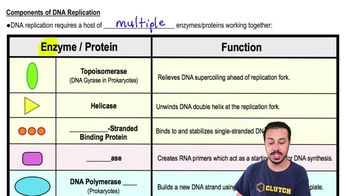
  • Components of DNA Replication
    04:47
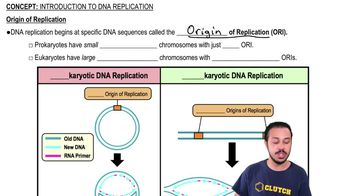
  • Origin of Replication
    03:33

Steps of DNA Replication

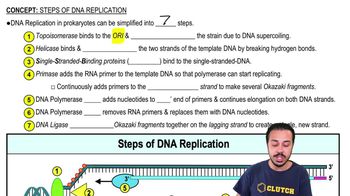
  • Steps of DNA Replication
    09:29

Introduction to Transcription

  • Overview of Transcription
    07:44
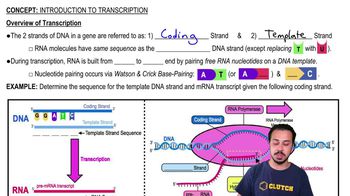
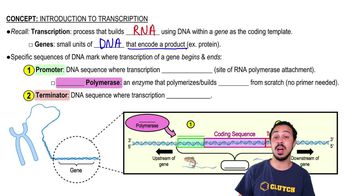
  • Introduction to Transcription
    05:51

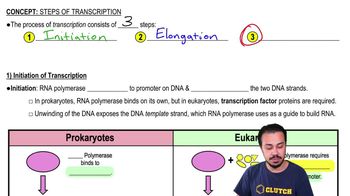
Steps of Transcription

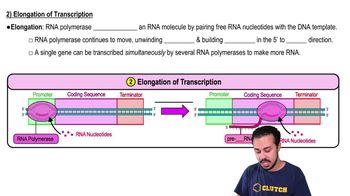
  • Elongation of Transcription
    02:44
  • Initiation of Transcription
    04:16
  • Elongation of Transcription
    04:01

Introduction to Translation

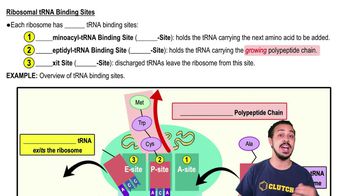
  • Ribosomal tRNA Binding Sites
    06:16
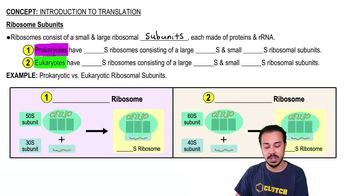
  • Ribosome Subunits
    08:42
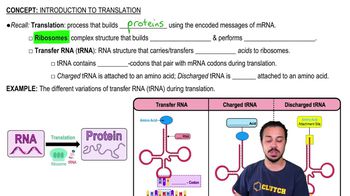
  • Introduction to Translation
    06:12

Steps of Translation

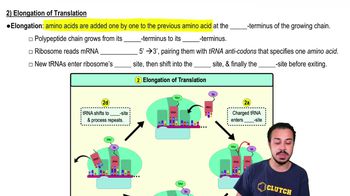
  • Elongation of Translation
    04:59
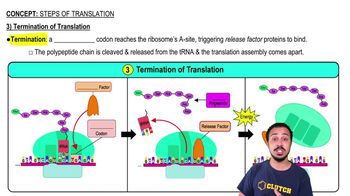
  • Termination of Translation
    02:16
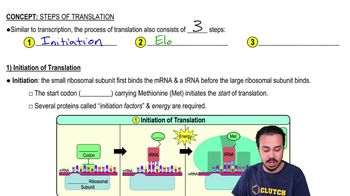
  • Steps of Translation
    05:03

Leading & Lagging DNA Strands

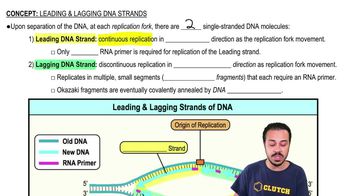
  • Leading & Lagging DNA Strands
    05:15

Introduction to Mutations

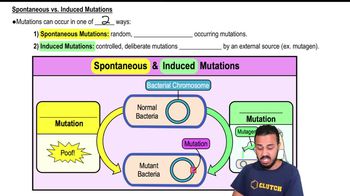
  • Spontaneous vs. Induced Mutations
    02:47
  • Introduction to Mutations
    00:37
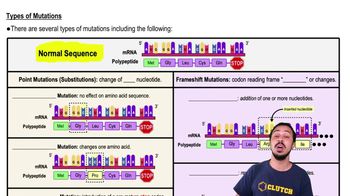
  • Types of Mutations
    08:44

Introduction to Microbial Genetics

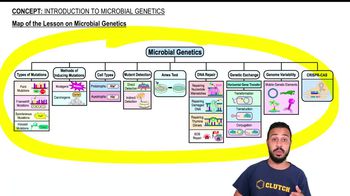
  • Map of the Lesson on Microbial Genetics
    02:04
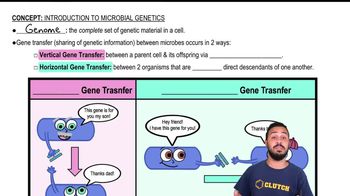
  • Introduction to Microbial Genetics
    04:20

Bacterial Transformation

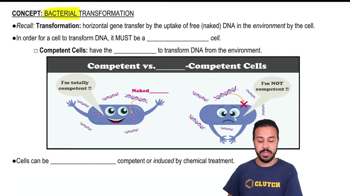
  • Bacterial Transformation
    03:06
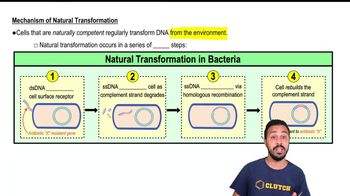
  • Mechanism of Natural Transformation
    03:49

Transduction

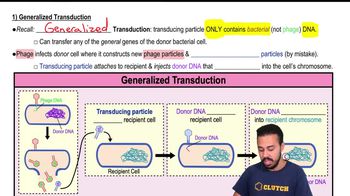
  • Generalized Transduction
    04:24
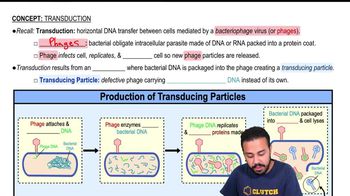
  • Transduction
    06:49
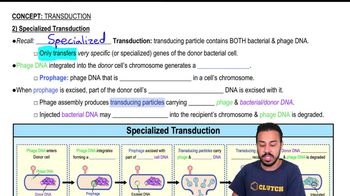
  • Specialized Transduction
    06:34

Introduction to Conjugation

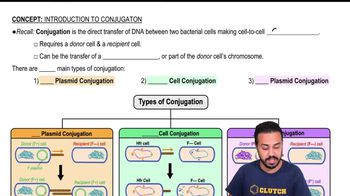
  • Introduction to Conjugation
    04:21

Introduction to Controlling Microbial Growth

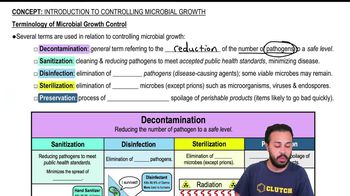
  • Terminology of Microbial Growth Control
    07:36
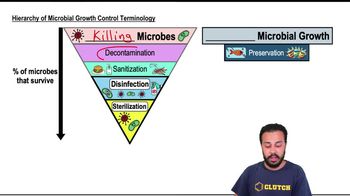
  • Hierarchy of Microbial Growth Control Terminology
    03:09
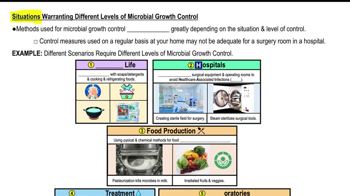
  • Situations Warranting Different Levels of Microbial Growth Control
    05:58

Selecting a Method to Control Microbial Growth

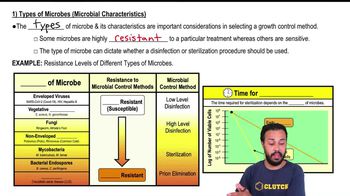
  • Types of Microbes (Microbial Characteristics)
    07:24
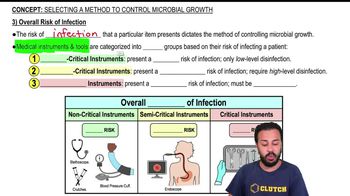
  • Overall Risk of Infection
    04:52
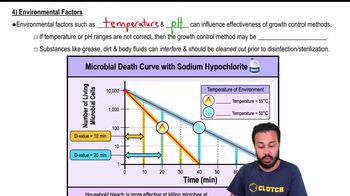
  • Environmental Factors
    04:18

Physical Methods to Control Microbial Growth

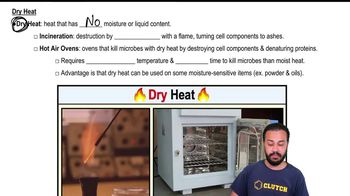
  • Dry Heat
    02:58
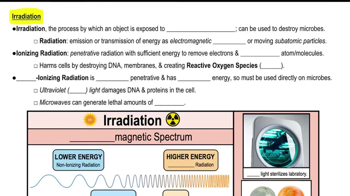
  • Irradiation
    06:18
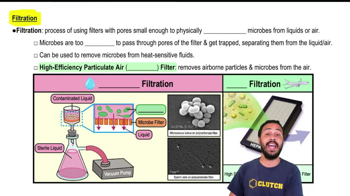
  • Filtration
    04:29

Chemical Methods to Control Microbial Growth

  • Types of Disinfectants
    05:21
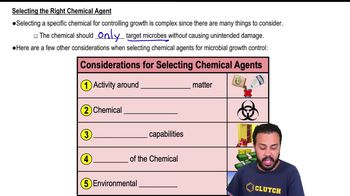
  • Selecting the Right Chemical Agent
    04:52
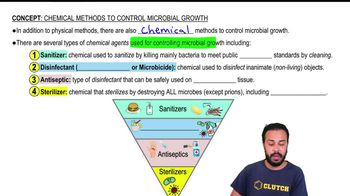
  • Chemical Methods to Control Microbial Growth
    03:58

Introduction to Antimicrobial Drugs

  • Guided course
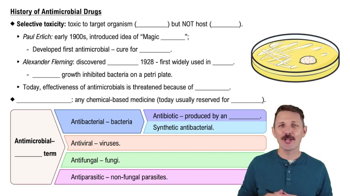
    History of Antimicrobial Drugs
    05:33

How Antimicrobial Drugs Work

  • Guided course
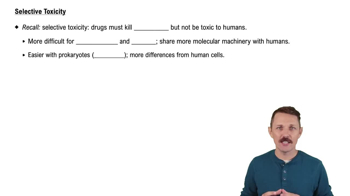
    Selective Toxicity
    05:27
  • Guided course
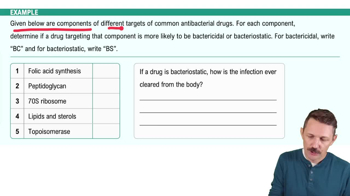
    How Antimicrobial Drugs Work Example 1
    03:28

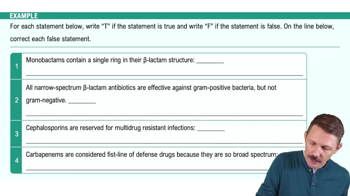
Inhibitors of Cell Wall Synthesis: Beta-lactam & Penicillin

  • Guided course
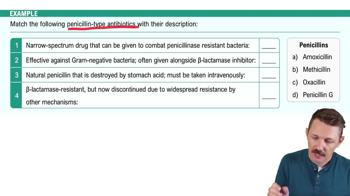
    Inhibitors of Cell Wall Synthesis: Beta-lactam & Penicillin Example 3
    04:02
  • Guided course
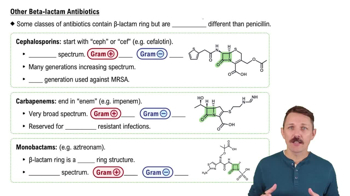
    Other Beta-lactam Antibiotics
    04:51
  • Inhibitors of Cell Wall Synthesis: Beta-lactam & Penicillin Example 2
    02:21

Inhibitors of Protein Synthesis

  • Guided course
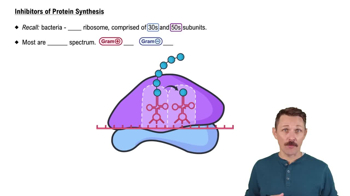
    Inhibitors of Protein Synthesis
    05:25
  • Guided course
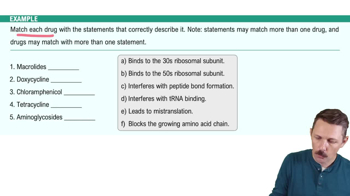
    Inhibitors of Protein Synthesis Example 1
    03:04

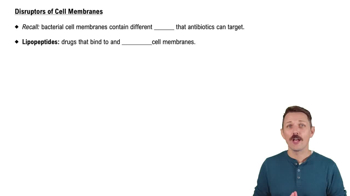
Disruptors of Cell Membranes

  • Guided course
    Disruptors of Cell Membranes
    04:03

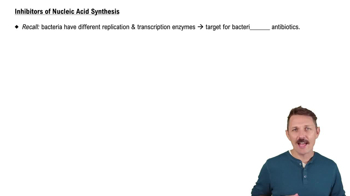
Inhibitors of Nucleic Acid Synthesis

  • Guided course
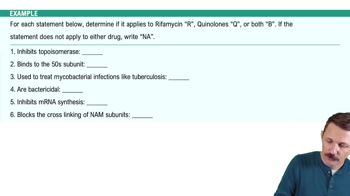
    Inhibitors of Nucleic Acid Synthesis Example 1
    02:21
  • Guided course
    Inhibitors of Nucleic Acid Synthesis
    05:01

Competitive Inhibitors of Metabolic Pathways

  • Guided course
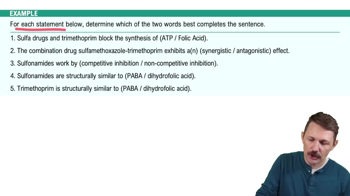
    Competitive Inhibitors of Metabolic Pathways Example 1
    02:36
  • Guided course
    Sulfa Drugs & Folic Acid Synthesis
    05:22

Antimicrobial Resistance

  • Guided course
    Types of Resistance Mechanisms
    05:04
  • Guided course
    Spread of Antibiotic Resistance
    04:45
  • Guided course
    Antibiotic Resistance
    03:45
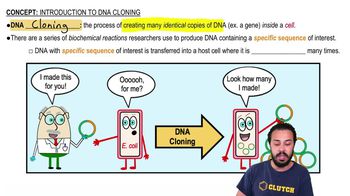
Introduction to DNA Cloning

  • Introduction to DNA Cloning
    02:25
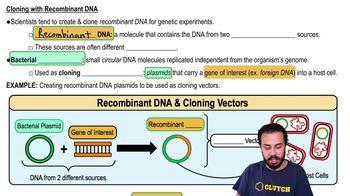
  • Cloning with Recombinant DNA
    03:41

Introduction to Polymerase Chain Reaction

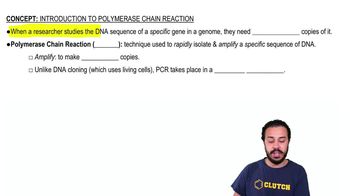
  • Introduction to Polymerase Chain Reaction
    01:31
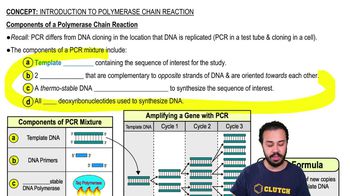
  • Components of a Polymerase Chain Reaction
    05:57
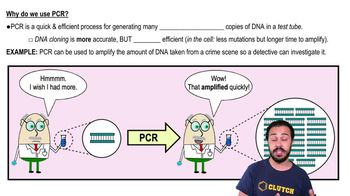
  • Why do we use PCR?
    02:53

The Steps of PCR

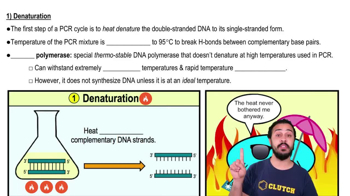
  • 1) Denaturation
    03:33
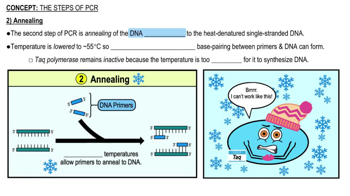
  • 2) Annealing
    02:56
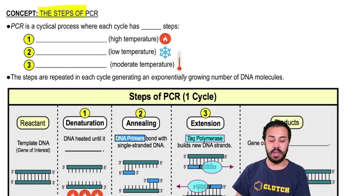
  • The Steps of PCR
    04:39

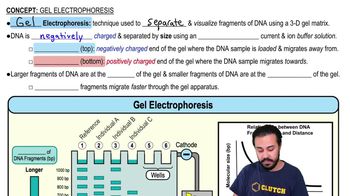
Gel Electrophoresis

  • Gel Electrophoresis
    07:58
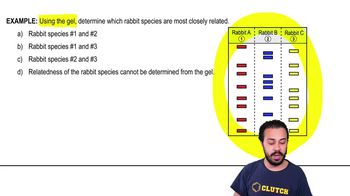
  • Gel Electrophoresis Example 1
    02:34

Introduction to Microbiology

  • Discovering Microorganisms
    03:36
  • Introduction to Microbiology
    07:27
  • Introduction to Microbiology Channel
    1:29

Scientific Method

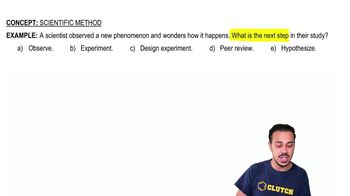
  • Scientific Method Example 1
    01:35
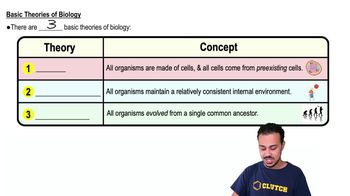
  • Basic Theories of Biology
    03:03
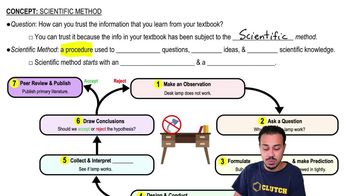
  • Scientific Method
    06:29

Introduction to Cultivating Microbial Growth

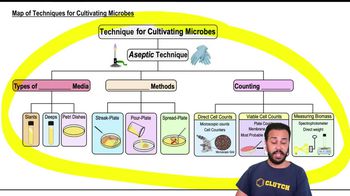
  • Map of Techniques for Cultivating Microbes
    02:05
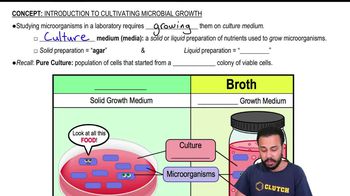
  • Introduction to Cultivating Microbial Growth
    03:49

Types of Solid Culture Media

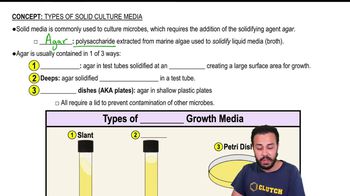
  • Types of Solid Culture Media
    03:16

Selective Media

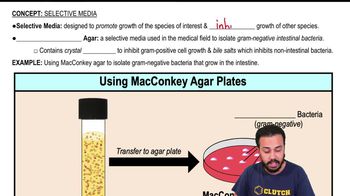
  • Selective Media
    03:27

Differential Media

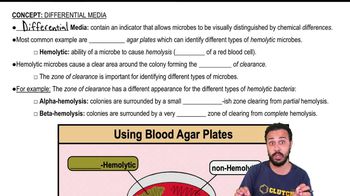
  • Differential Media
    04:34

Plating Methods

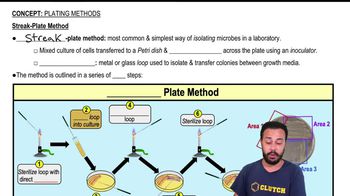
  • Streak-Plate Method
    05:16
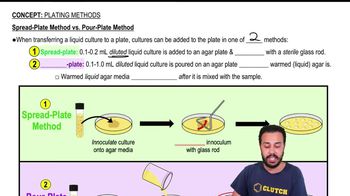
  • Spread-Plate Method vs. Pour-Plate Method
    05:36

Selecting a Method to Control Microbial Growth

  • Types of Microbes (Microbial Characteristics)
    07:24
  • Overall Risk of Infection
    04:52
  • Environmental Factors
    04:18

Experimental Design

  • Variables
    07:21
  • Experimental Design Example 1
    02:50
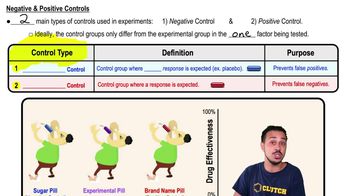
  • Negative & Positive Controls
    07:42