 Back
BackMicrobial Genetics: Mechanisms of Genetic Change and Diversity in Bacteria
Study Guide - Smart Notes
 Tailored notes based on your materials, expanded with key definitions, examples, and context.
Microbial Genetics
Bacterial Genome Structure
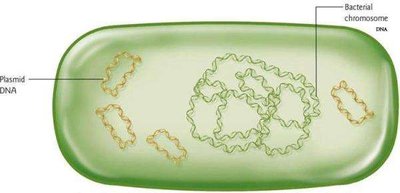
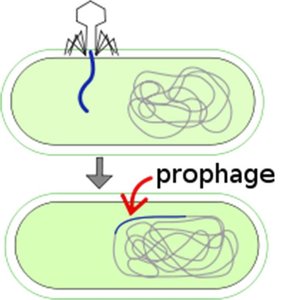
The bacterial genome consists of a single, circular chromosome containing thousands of genes. In addition to chromosomal DNA, bacteria often possess extrachromosomal elements called plasmids, which carry a few genes and can replicate independently. Bacteriophages, viruses that infect bacteria, may also integrate their genetic material into the bacterial chromosome, contributing to genetic diversity.
Chromosome: Circular, double-stranded DNA containing essential genes.
Plasmids: Small, circular DNA molecules carrying non-essential but often advantageous genes (e.g., antibiotic resistance).
Bacteriophage: Viral DNA may integrate as a prophage, altering bacterial properties.
Bacterial Phylogeny and Diversity
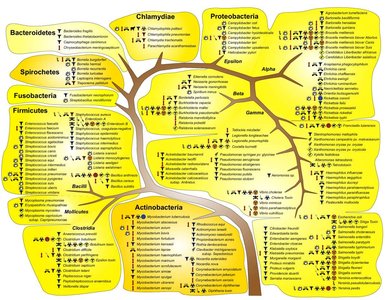
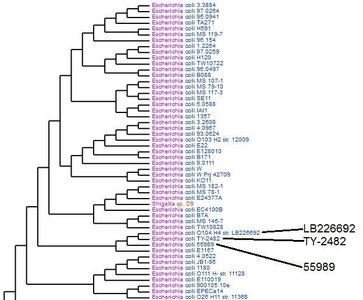
Bacteria are classified into numerous genera, species, and strains. The vast diversity among bacteria is due to genetic variation, which arises from mutation and gene transfer. Understanding phylogeny helps trace evolutionary relationships and the emergence of new strains.
Genus: Group of related species.
Species: Basic unit of classification; may contain many strains.
Strain: Genetic variant within a species.
Types of Genetic Change
Mutation
Mutations are changes in the nucleotide sequence of DNA. In prokaryotes, which are haploid and reproduce by binary fission, all mutations are inherited by the next generation. Mutations can be spontaneous or induced by mutagens such as chemicals or radiation. They may be harmful, neutral, or advantageous, contributing to the formation of new strains and species.
Spontaneous mutation: Occurs naturally at a low rate.
Induced mutation: Caused by external agents (mutagens).
Mutation rate: Number of mutations per cell division.
Mutagen: Agent that increases mutation rate (10–1000 fold).
Vertical and Horizontal Gene Transfer
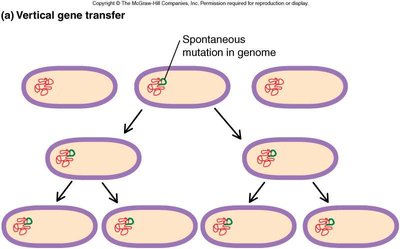
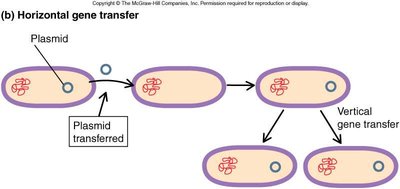
Genetic information can be transferred vertically (from parent to offspring) or horizontally (between organisms of the same generation). Vertical gene transfer involves DNA replication and reproduction, while horizontal gene transfer introduces new genetic material, increasing diversity.
Vertical gene transfer: Transmission of genetic material from parent to progeny.
Horizontal gene transfer: Exchange of genetic material between unrelated cells.
Mutation Types and Effects
Types of Mutation
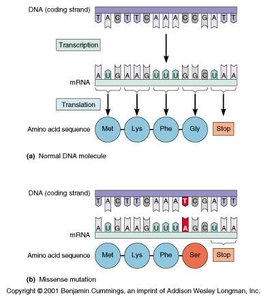
Mutations can be classified based on their effect on the DNA and protein sequence:
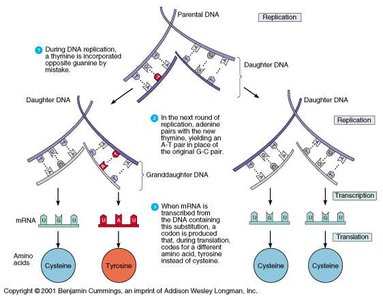
Point mutation: Change in a single nucleotide.
Silent mutation: Alters DNA sequence without changing the amino acid.
Missense mutation: Changes one amino acid in the protein.
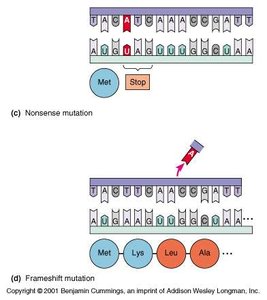
Nonsense mutation: Introduces a premature stop codon.
Frameshift mutation: Insertion or deletion of nucleotides, altering the reading frame.
Chemical Mutagens
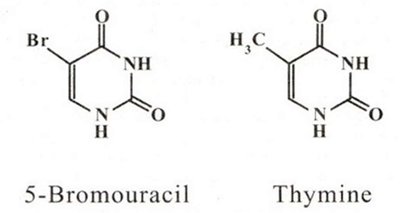
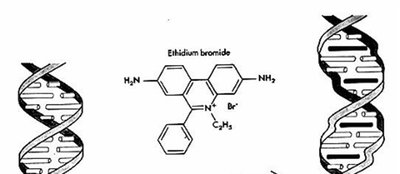
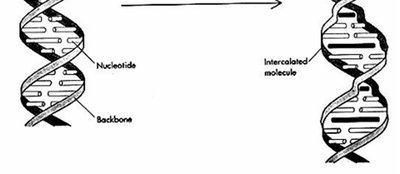
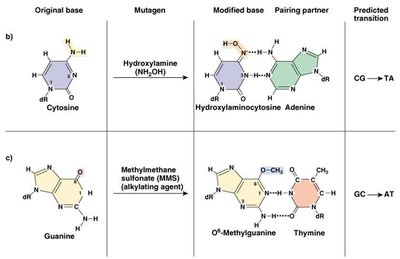
Chemical mutagens induce mutations by altering DNA structure or base pairing. Base analogs, such as 5-bromouracil, mimic natural bases and cause mispairing. Intercalating agents, like ethidium bromide, insert between DNA bases, causing frameshift mutations. Alkylating agents modify bases, leading to incorrect pairing.
Base analogs: Incorporated instead of natural bases, causing point mutations.
Intercalating agents: Cause insertions or deletions during replication.
Alkylating agents: Modify bases, leading to transitions or transversions.
Cancer Drugs as Mutagens
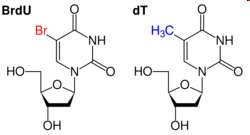
Cancer drugs such as BrdU are nucleotide base analogs. They are incorporated into DNA instead of normal nucleotides, disrupting replication in rapidly dividing cancer cells. This mechanism can also cause side effects in patients.
Radiation-Induced Mutations
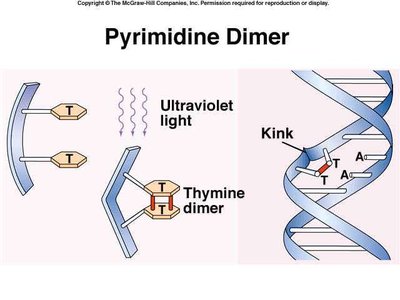
Radiation, including UV, X-rays, and gamma rays, can damage DNA. UV radiation causes thymine dimers, which distort the DNA helix and lead to mutations. X-rays and gamma rays can break DNA strands, resulting in rearrangements and deletions.
Mutation Repair Mechanisms
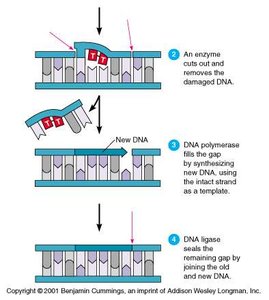
Cells possess repair mechanisms to correct DNA damage. These include excision repair, where damaged DNA is removed and replaced, and mismatch repair, which corrects base pair mismatches. However, repair systems are not perfect, and some mutations persist.
Excision repair: Enzyme removes damaged DNA, DNA polymerase fills the gap, and DNA ligase seals the strand.
Mismatch repair: Corrects errors introduced during replication.
Gene Transfer Mechanisms in Bacteria
Transduction
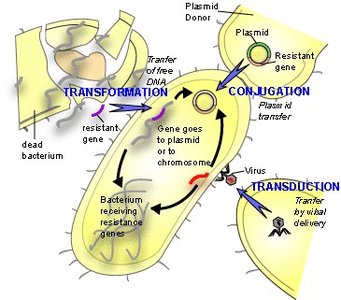
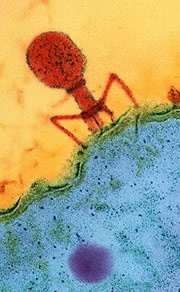
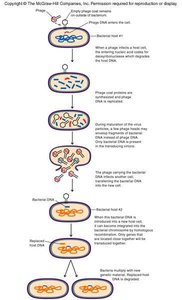
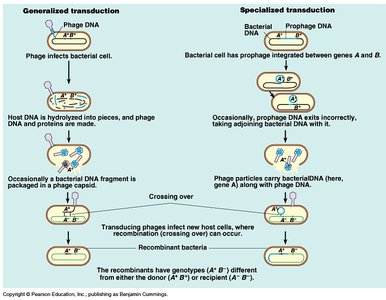
Transduction is the transfer of DNA from one bacterium to another via bacteriophage. There are two types: generalized transduction, where any gene can be transferred, and specialized transduction, where only specific genes are transferred.
Generalized transduction: Random bacterial DNA is packaged into phage particles.
Specialized transduction: Only genes adjacent to prophage integration sites are transferred.
Conjugation
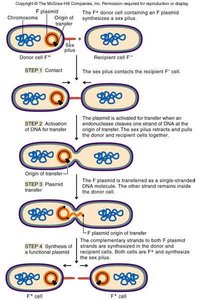
Conjugation is the transfer of genetic material between bacteria through direct cell-to-cell contact. F plasmids encode the sex pilus, facilitating plasmid transfer. Hfr cells can transfer chromosomal DNA if the F plasmid integrates into the chromosome.
F plasmid: Contains genes for pilus formation and plasmid transfer.
Hfr cell: F plasmid integrated into chromosome, enabling transfer of chromosomal genes.
Transformation
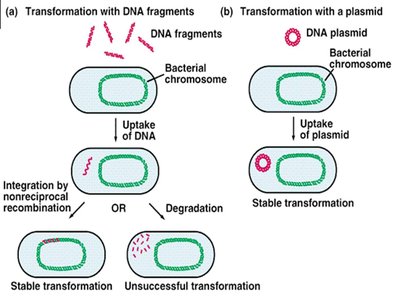
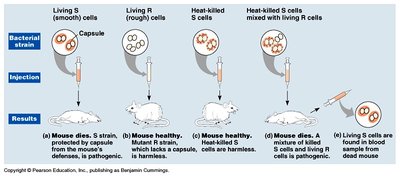
Transformation is the uptake of naked DNA from the environment. The DNA may integrate into the recipient's chromosome or persist as a plasmid. This process is fundamental in genetic engineering and can alter bacterial properties.
Stable transformation: DNA integrates or persists extrachromosomally.
Unsuccessful transformation: DNA is degraded.
Plasmids and Transposons
Plasmid Features
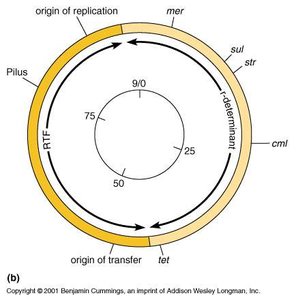
Plasmids are circular, double-stranded DNA molecules that replicate independently. They often carry genes for antibiotic resistance (R-plasmids) and can be transferred both vertically and horizontally. Their clinical significance lies in the spread of resistance genes among bacteria.
Self-replicating: Independent of chromosomal replication.
Antibiotic resistance: R-plasmids carry resistance genes.
Transfer: Can move between species, spreading resistance.
Transposons
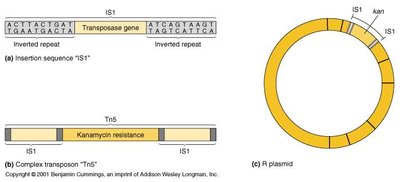
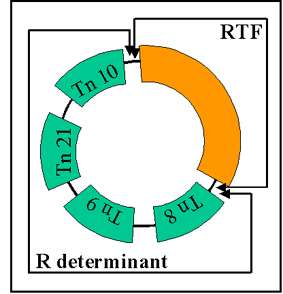
Transposons, or "jumping genes," are DNA sequences that can move within and between chromosomes and plasmids. They are flanked by insertion sequences containing the transposase gene, which facilitates movement. Transposons often carry antibiotic resistance genes, contributing to the spread of resistance.
Insertion sequences: Flank transposons and contain transposase gene.
Antibiotic resistance: Transposons may carry resistance genes.
Movement: Can jump within and between DNA molecules.
Gene Transfer and Microbial Virulence
Clinical Significance of Plasmids and Transposons
Plasmids and transposons play a crucial role in microbial virulence and antibiotic resistance. For example, large plasmids in Salmonella typhi encode multiple drug resistance, enabling survival during antibiotic treatment and contributing to epidemic outbreaks.
Multi-drug resistance: Plasmids may carry genes for resistance to several antibiotics.
Spread: Resistance genes can be transferred between bacteria, increasing clinical challenges.
Isolate | Resistance | Plasmid Size |
|---|---|---|
Salmonella typhi (epidemic) | Chloramphenicol, ampicillin, tetracycline, streptomycin | 120 kb, 14 kb |
Salmonella typhi (sensitive) | None | None |
Example: During the 1989–1990 Calcutta epidemic, most S. typhi isolates were resistant to multiple antibiotics due to plasmids, highlighting the importance of genetic elements in disease outbreaks.
