 Back
Microbial Genetics: Structure, Function, and Diversity of Genetic Material
Study Guide - Smart Notes
 Tailored notes based on your materials, expanded with key definitions, examples, and context.
Microbial Genetics
Overview
This chapter explores the structure, function, and regulation of genetic material in microorganisms, focusing on the molecular mechanisms that underlie heredity, gene expression, mutation, and genetic diversity. Understanding these principles is essential for comprehending microbial physiology, evolution, and the basis of many clinical and biotechnological applications.
General Characteristics of Nucleic Acids
Structure of DNA and RNA
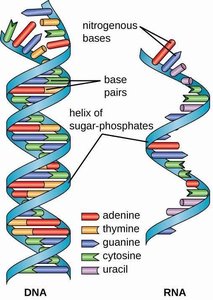
DNA (Deoxyribonucleic Acid): Double-stranded polymer of nucleotides, stores genetic information, and is the hereditary material in most organisms.
RNA (Ribonucleic Acid): Usually single-stranded, involved in protein synthesis and regulation, and serves as genetic material in some viruses.
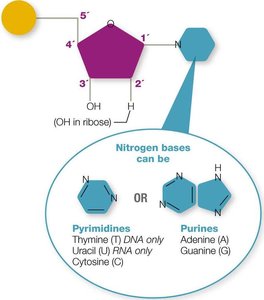
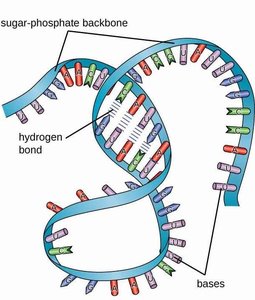
Nucleotides: Composed of a phosphate group, a five-carbon sugar (deoxyribose in DNA, ribose in RNA), and a nitrogenous base (A, T, G, C in DNA; A, U, G, C in RNA).
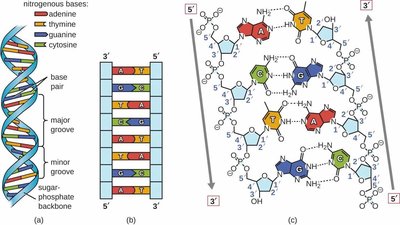
Base Pairing: DNA: A-T, G-C; RNA: A-U, G-C.
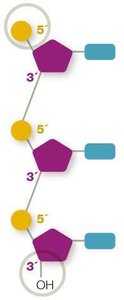
Directionality: Nucleic acids have 5' to 3' directionality, essential for replication and transcription.
DNA and RNA Structure
DNA: Double helix, antiparallel strands stabilized by hydrogen bonds.
RNA: Single-stranded, can fold into complex structures via complementary base pairing.
Types and Functions of RNA
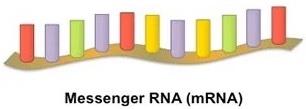
mRNA (Messenger RNA): Carries genetic code from DNA to ribosomes for protein synthesis.
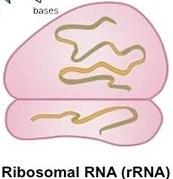
rRNA (Ribosomal RNA): Structural and catalytic component of ribosomes.
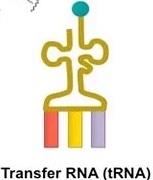
tRNA (Transfer RNA): Delivers amino acids to ribosomes during translation.
Non-coding RNAs: Regulatory roles in gene expression and cellular responses.
Functions of Genetic Material and DNA Replication
Genome Organization
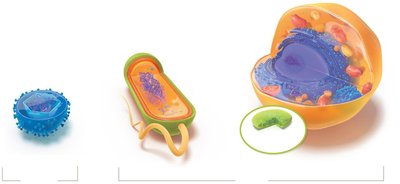
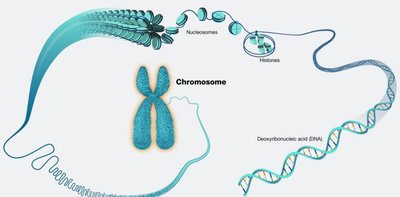
Genome: The complete set of genetic material in a cell or virus.
Genes: Discrete units of heredity encoding functional products (proteins or RNAs).
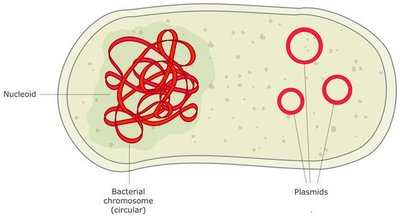
Prokaryotic Genomes: Typically a single, circular chromosome localized in the nucleoid; may contain plasmids (extrachromosomal DNA).
Eukaryotic Genomes: Multiple, linear chromosomes in the nucleus; also contain mitochondrial and (in plants) chloroplastic DNA.
Genotype and Phenotype
Genotype: The complete genetic makeup of an organism.
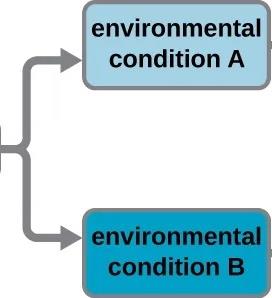
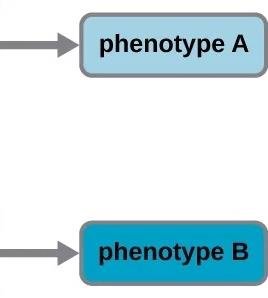
Phenotype: Observable characteristics resulting from gene expression and environmental influences.
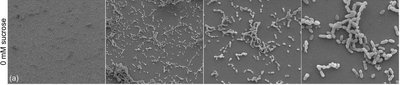
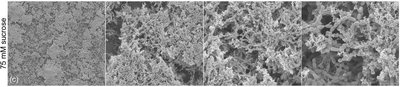
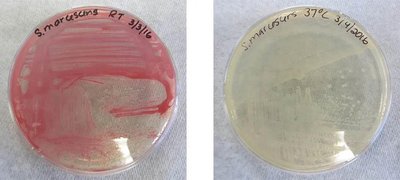
Phenotype can change in response to environmental conditions, even if genotype remains constant.
Central Dogma of Molecular Biology
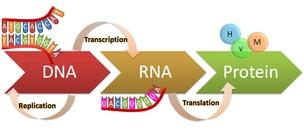
Central Dogma: Describes the flow of genetic information: DNA → RNA → Protein.
Replication: DNA is copied before cell division.
Transcription: DNA is transcribed into RNA.
Translation: RNA is translated into protein.
DNA Replication
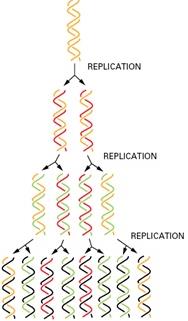
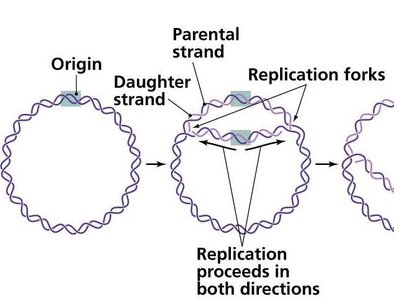
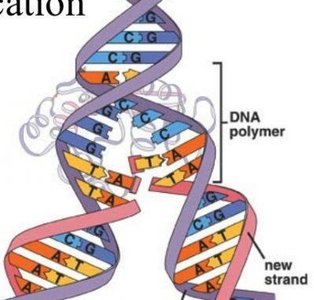
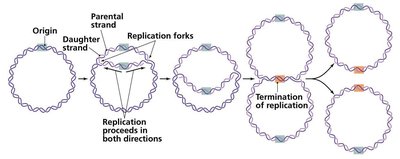
Semi-conservative: Each new DNA molecule contains one parental and one new strand.
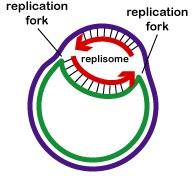
Bidirectional: Replication proceeds in both directions from the origin.
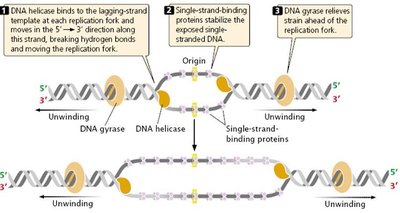
Enzymes: Helicase (unwinds DNA), DNA polymerase (synthesizes new DNA), primase (lays RNA primers), ligase (seals nicks), gyrase/topoisomerase (relieves supercoiling).
Prokaryotes: Single origin, rapid replication, binary fission.
Eukaryotes: Multiple origins, slower, mitosis.
Feature | Prokaryotes | Eukaryotes |
|---|---|---|
Origins of replication | 1 | Multiple (>100) |
Unwinding enzyme | Helicase | Helicase |
Stabilization | SSB proteins | SSB proteins |
Supercoil relief | Gyrase | Topoisomerase |
DNA polymerase | II, III | α, δ |
Termination | Topoisomerase | Telomerase |
Speed | Fast (1000 nt/sec) | Slow (100 nt/sec) |
Gene Expression and Regulation
Transcription (DNA to RNA)
Occurs in the nucleus (eukaryotes) or cytoplasm (prokaryotes).
RNA polymerase synthesizes RNA from a DNA template.
Three stages: initiation (promoter binding), elongation (RNA synthesis), termination (release of RNA).
RNA Processing in Eukaryotes
Pre-mRNA undergoes capping (5' cap), polyadenylation (3' poly-A tail), and splicing (removal of introns).
Spliceosome removes introns and joins exons; alternative splicing allows for multiple proteins from one gene.
Feature | Bacteria | Eukaryotes |
|---|---|---|
Polypeptides per mRNA | Mono/polycistronic | Monocistronic |
Location | Cytoplasm | Nucleus |
RNA polymerase | One type | Three types |
5' Cap/3' Tail | No | Yes |
Splicing | No | Yes |
mRNA lifespan | Short | Long |
Translation (RNA to Protein)
Occurs in the cytoplasm at ribosomes.
mRNA codons are read in sets of three (codons) to specify amino acids.
tRNA molecules bring amino acids to the ribosome, matching codons via their anticodons.
Three stages: initiation, elongation, termination.
Genetic code is universal, redundant, and degenerate (wobble position).
Post-Translational Modifications
Proteins may require cleavage, folding, chemical modification, or association with other subunits to become functional.
Gene Regulation
Cells regulate gene expression at transcriptional, post-transcriptional, translational, and post-translational levels.
Housekeeping genes are always expressed; facultative genes are regulated as needed.
Operons (in bacteria) allow coordinated regulation of genes with related functions.
Operons
Inducible Operons: Off by default, activated by specific conditions (e.g., lac operon for lactose metabolism).
Repressible Operons: On by default, repressed when end product is abundant (e.g., arg operon for arginine synthesis).
Mutations
Types and Effects of Mutations
Substitution: One nucleotide is replaced by another.
Insertion: Addition of one or more nucleotides.
Deletion: Removal of one or more nucleotides.
Silent Mutation: No change in amino acid sequence.
Missense Mutation: Changes one amino acid in the protein.
Nonsense Mutation: Introduces a premature stop codon.
Frameshift Mutation: Insertions or deletions not in multiples of three, altering the reading frame.
Sources of Mutations
Spontaneous: Natural errors in DNA replication.
Induced: Caused by mutagens (chemical, physical, or biological agents).
Carcinogens: Mutagens that promote cancer development.
DNA Repair Mechanisms
Proofreading: DNA polymerases correct errors during replication.
Excision Repair: Damaged or mismatched nucleotides are removed and replaced.
Bacterial Mechanisms of Genetic Diversity
Horizontal Gene Transfer (HGT)
Horizontal Gene Transfer: Transfer of genetic material between cells independent of cell division.
Vertical Gene Transfer: Genetic information passed to offspring during cell division.
Mechanisms of HGT
Plasmids: Small, circular DNA molecules that replicate independently and often carry advantageous genes (e.g., antibiotic resistance).
Conjugation: Direct transfer of DNA via a pilus from donor to recipient cell; F plasmid is required.
Transformation: Uptake of free DNA from the environment by competent cells.
Transduction: Transfer of DNA by bacteriophages (viruses that infect bacteria).
Transposons: Mobile genetic elements that can move within and between DNA molecules, sometimes carrying resistance genes.
Mechanism | Description |
|---|---|
Transformation | Uptake of naked DNA from environment |
Transduction | Gene transfer via bacteriophage |
Conjugation | Direct transfer via pilus |
Transposon | Mobile DNA element moves within genome |
Key Vocabulary
Transcription: Synthesis of RNA from DNA template.
Translation: Synthesis of protein from mRNA template.
Transformation: Uptake of environmental DNA by bacteria.
Transposon: DNA sequence that can change its position within the genome.
Transduction: Gene transfer mediated by bacteriophages.
Summary Table: DNA Replication and Gene Expression
Process | Key Enzymes/Features | Location |
|---|---|---|
Replication | DNA polymerase, helicase, ligase, primase | Nucleus (eukaryotes), cytoplasm (prokaryotes) |
Transcription | RNA polymerase | Nucleus (eukaryotes), cytoplasm (prokaryotes) |
Translation | Ribosome, tRNA, rRNA | Cytoplasm |
Additional info: This guide covers the essential concepts of microbial genetics, including the molecular structure of nucleic acids, the flow of genetic information, mechanisms of gene regulation, mutation, and the processes that generate genetic diversity in bacteria. These principles are foundational for advanced study in microbiology, molecular biology, and biotechnology.
