 Back
BackMicrobial Genetics: Structure, Function, and Regulation of Genetic Material
Study Guide - Smart Notes
 Tailored notes based on your materials, expanded with key definitions, examples, and context.
Genetics: The Study of Inheritance
Key Terms and Concepts
Genetics is the study of inheritance and inheritable traits as expressed in an organism’s genetic material. The genome is the entire genetic complement of an organism, including its genes and nucleotide sequences. A gene is a specific nucleotide sequence that encodes for proteins or RNA molecules.
Structure of Nucleic Acids
Nucleotide Structure and Base Pairing
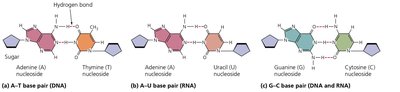
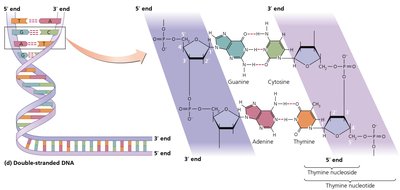
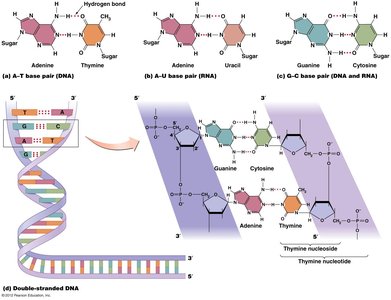
Nucleic acids, such as DNA and RNA, are polymers of nucleotides. Each nucleotide consists of a phosphate group, a five-carbon sugar (deoxyribose in DNA, ribose in RNA), and a nitrogenous base. The bases pair specifically: adenine (A) with thymine (T) in DNA or uracil (U) in RNA, and guanine (G) with cytosine (C) in both DNA and RNA.
DNA is typically double-stranded and forms a double helix.
RNA is usually single-stranded.
Structure of Prokaryotic Genomes
Chromosomes and Plasmids
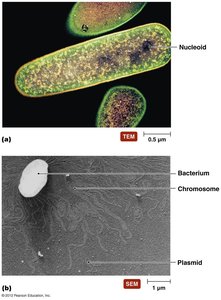
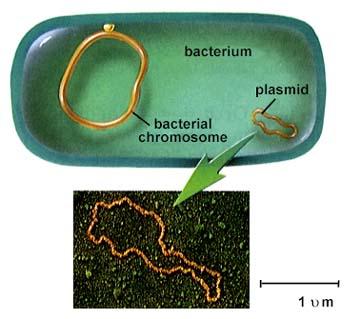
Prokaryotic cells are generally haploid, possessing a single, circular chromosome located in the nucleoid region. In addition to chromosomes, prokaryotes often contain plasmids—small, circular DNA molecules that replicate independently and can confer survival advantages, such as antibiotic resistance.
Fertility factors: Enable conjugation.
Resistance factors: Confer resistance to antibiotics.
Bacteriocin factors: Encode toxins against other bacteria.
Virulence plasmids: Carry genes for pathogenicity.
Structure of Eukaryotic Genomes
Nuclear and Extranuclear DNA
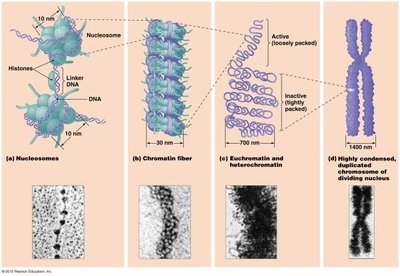
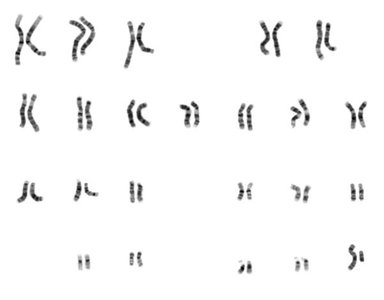
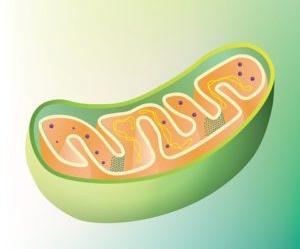
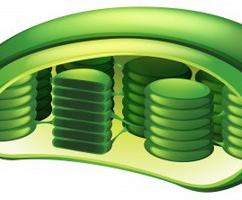
Eukaryotic genomes are more complex, typically consisting of multiple linear chromosomes contained within a nucleus. Eukaryotic cells are often diploid. Extranuclear DNA is found in mitochondria and chloroplasts, resembling prokaryotic chromosomes and coding for a small fraction of cellular proteins.
Some fungi and protozoa also carry plasmids.
DNA Replication
Mechanism and Enzymes
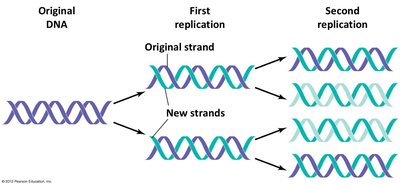
DNA replication is essential for cell division and population growth. It is an anabolic process requiring energy and monomers (triphosphate deoxyribonucleotides). Replication is semiconservative: each new DNA molecule consists of one original and one daughter strand.
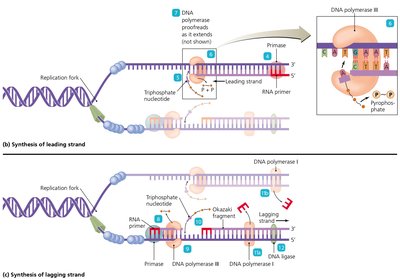
Replication begins at the origin of replication.
DNA polymerase synthesizes DNA in the 5′ to 3′ direction.
The leading strand is synthesized continuously; the lagging strand is synthesized discontinuously (Okazaki fragments).
Other enzymes: helicase, primase, ligase, gyrase, and topoisomerase.
Gene Function: Genotype and Phenotype
Definitions and Relationships
The genotype is the set of genes in the genome, while the phenotype is the physical and functional expression of those genes. Not all genes are expressed at all times; gene regulation allows cells to adapt to changing environments.
Central Dogma: Transcription and Translation
Flow of Genetic Information
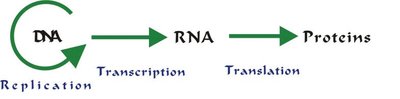
The central dogma of genetics describes the flow of genetic information: DNA is transcribed into RNA, which is then translated into proteins. This process involves several types of RNA and multiple steps.
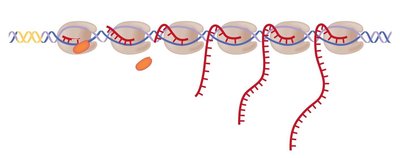
Transcription: Synthesis of RNA from a DNA template.
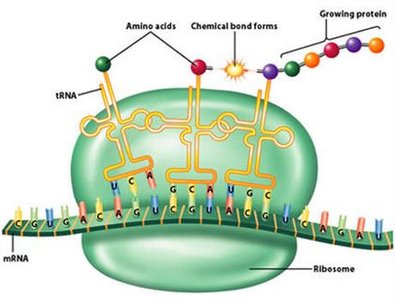
Translation: Synthesis of polypeptides (proteins) from mRNA by ribosomes.
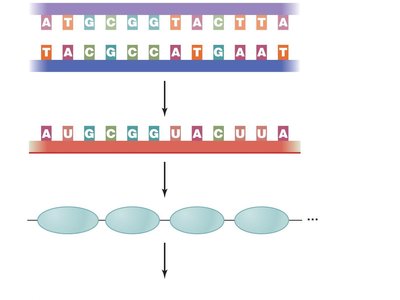
Transcription: Steps and Types of RNA
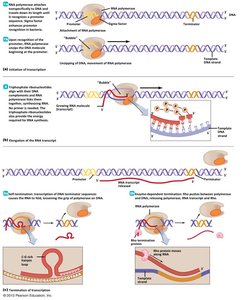
Transcription occurs in three main steps:
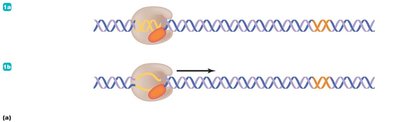
Initiation: RNA polymerase binds to the promoter region with the help of sigma factors (in bacteria).
Elongation: RNA polymerase synthesizes the RNA strand by adding ribonucleotides complementary to the DNA template.
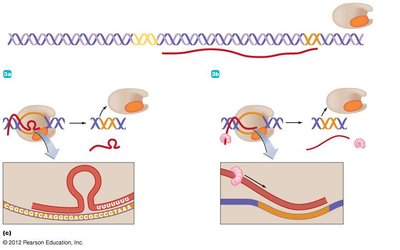
Termination: Transcription ends when RNA polymerase reaches a terminator sequence (self-termination or Rho-dependent termination).
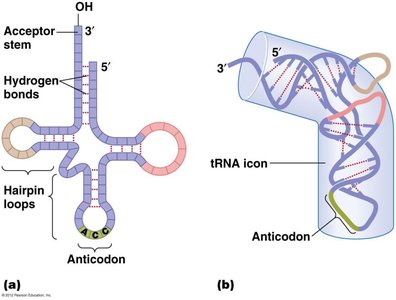
Types of RNA: mRNA, tRNA, rRNA, regulatory RNA, ribozymes, and RNA primers.
Translation: The Genetic Code and Protein Synthesis
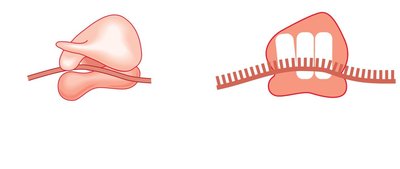
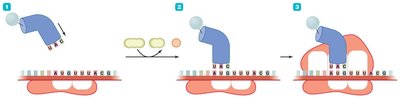
Translation is the process by which ribosomes use the genetic information in mRNA to synthesize polypeptides. The genetic code is a set of three-nucleotide codons that specify amino acids.
Participants: mRNA, tRNA, ribosomes (rRNA and proteins).
Stages: Initiation, elongation, and termination.
Initiation and elongation require energy in the form of GTP.
Regulation of Genetic Expression
Operons and Gene Regulation in Prokaryotes
Gene expression in bacteria is regulated to conserve energy. Operons are clusters of genes under the control of a single promoter and operator. There are two main types:
Inducible operons (e.g., lac operon): Activated by inducers when needed.
Repressible operons (e.g., trp operon): Transcribed continually until deactivated by repressors.
RNA as Regulators
Regulatory RNAs, such as microRNAs (miRNAs), small interfering RNAs (siRNAs), and riboswitches, can control translation by binding to mRNA and affecting its stability or translation efficiency.
Mutations and DNA Repair
Types and Effects of Mutations
A mutation is a change in the nucleotide base sequence of a genome. Mutations can be point mutations (substitutions, insertions, deletions) or frameshift mutations, which can have various effects on the resulting protein.
Silent mutation: No change in amino acid sequence.
Missense mutation: Change in one amino acid.
Nonsense mutation: Creates a stop codon, truncating the protein.
Frameshift mutation: Insertion or deletion shifts the reading frame, often resulting in nonfunctional proteins.
Mutagens and DNA Repair Mechanisms
Mutagens, such as radiation and chemicals, increase the mutation rate. Cells have several DNA repair mechanisms:
Direct repair: Corrects specific base changes.
Single-strand repair: Repairs damage to one DNA strand.
Error-prone repair: Last-resort mechanism that may introduce mutations.
Genetic Recombination and Horizontal Gene Transfer
Mechanisms of Gene Transfer in Prokaryotes
Genetic recombination involves the exchange of nucleotide sequences between DNA molecules. Horizontal gene transfer allows prokaryotes to acquire new genetic material from other cells, contributing to genetic diversity and the spread of traits such as antibiotic resistance. The main mechanisms are:
Transformation: Uptake of naked DNA from the environment.
Transduction: Transfer of DNA via bacteriophages (viruses that infect bacteria).
Conjugation: Direct transfer of DNA between cells via a pilus.
Antibiotic Resistance and Genetic Exchange
Clinical Relevance
Horizontal gene transfer, especially via plasmids, is a major mechanism by which bacteria acquire antibiotic resistance genes, leading to the emergence of 'superbugs' that are difficult to treat with standard antibiotics.
