 Back
BackMicrobial Genetics: Structure, Function, Mutation, and Genetic Transfer
Study Guide - Smart Notes
 Tailored notes based on your materials, expanded with key definitions, examples, and context.
Microbial Genetics
Structure and Replication of Genomes
The genome of an organism contains all inheritable information, encoded in nucleic acids—DNA and RNA. Understanding the structure and replication of genomes is fundamental to microbiology.
Nucleotides: The building blocks of nucleic acids, composed of a 5-carbon sugar (deoxyribose in DNA, ribose in RNA), a phosphate group, and a nitrogenous base.
DNA Bases: Adenine (A), Cytosine (C), Guanine (G), Thymine (T)
RNA Bases: Adenine (A), Cytosine (C), Guanine (G), Uracil (U)
Complementary Base Pairing: A-T (DNA), A-U (RNA), C-G (both)
Double-Stranded DNA: Two strands joined by hydrogen bonds, with a sugar-phosphate backbone formed by covalent bonds.
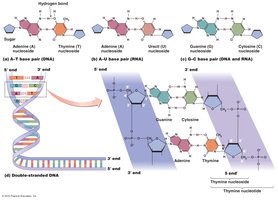
Genetics: The study of inheritance and inheritable traits as expressed in an organism's genetic material.
Gene: Sequence of nucleotides coding for a polypeptide or RNA molecule.
Genome: The entire genetic complement, including genes and nucleotide sequences.
Prokaryotic Chromosomes: Usually one or two distinct, circular chromosomes located in the nucleoid. Prokaryotes are haploid.
Plasmids: Small, circular DNA molecules replicating independently. Types include fertility, resistance, bacteriocin, and virulence plasmids.
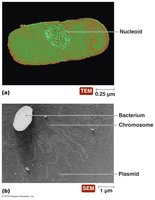
Eukaryotic Chromosomes: Linear, sequestered within the nucleus, wrapped around histone proteins to form nucleosomes and chromatin. Eukaryotes are often diploid.
Extranuclear DNA: Found in mitochondria and chloroplasts, resembling prokaryotic chromosomes.
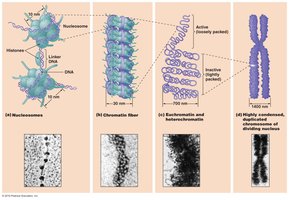
DNA Replication: Semiconservative process—each new DNA molecule contains one original and one daughter strand.
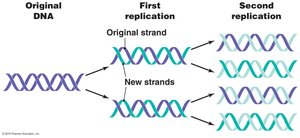
Replication Requirements: Triphosphate deoxyribonucleotides provide both monomers and energy for DNA synthesis.
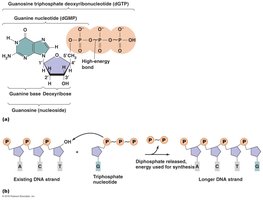
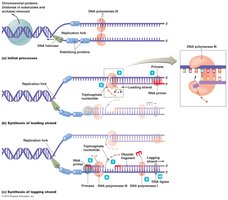
Replication Process: Begins at the origin, involves DNA helicase (unzipping), DNA polymerase (synthesizing new strands), and DNA ligase (joining Okazaki fragments).
Leading vs. Lagging Strand: Leading strand synthesized continuously; lagging strand synthesized discontinuously.
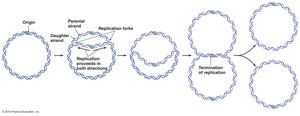
Bidirectional Replication: In prokaryotes, synthesis proceeds in both directions from the origin.
Methylation: Addition of methyl groups to DNA bases, important for gene expression, replication initiation, protection, and repair.
Gene Function
Gene function is central to cell growth, reproduction, metabolism, and regulation. The flow of genetic information follows the central dogma: DNA → RNA → protein.
Genotype: Set of genes in the genome; determines phenotype.
Phenotype: Physical and functional traits; not all genes are active at all times.
Protein Synthesis: Occurs in two steps: transcription (DNA to mRNA) and translation (mRNA to polypeptide).
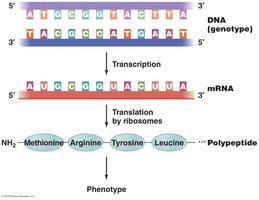
Types of RNA: RNA primers, mRNA, rRNA, tRNA, regulatory RNA.
Transcription
Transcription is the process of copying genetic information from DNA to RNA. It consists of initiation, elongation, and termination phases.
Initiation: RNA polymerase binds to promoter, separates DNA strands.
Elongation: RNA polymerase adds complementary nucleotides to the growing RNA strand.
Termination: RNA polymerase reaches a termination signal; mRNA detaches.
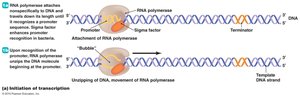
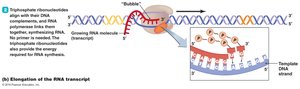
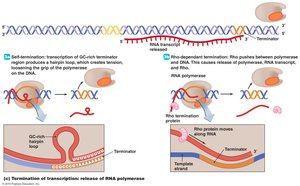
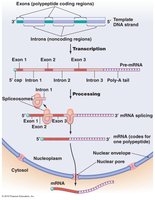
Eukaryotic Transcription: Occurs in nucleus, mitochondria, and chloroplasts; involves three RNA polymerases and numerous transcription factors. mRNA is processed (capping, polyadenylation, splicing).
Genetic Code
The genetic code links nucleotide sequences to amino acid sequences. It is universal, redundant, and unambiguous.
Codon: Three-base sequence on mRNA coding for an amino acid.
Stop Codons: UGA, UAA, UAG signal termination of translation.
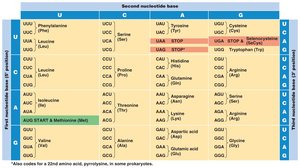
Translation
Translation is the process by which ribosomes synthesize polypeptides using mRNA as a template.
mRNA: Contains codons.
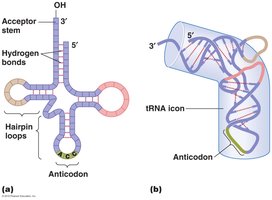
tRNA: Delivers amino acids; has anticodon complementary to mRNA codon.
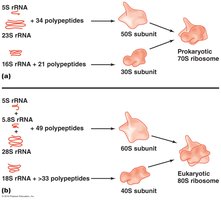
Ribosomes: Prokaryotes (70S), Eukaryotes (80S), mitochondria/chloroplasts (70S).
Ribosome Binding Sites: A-site (aminoacyl), P-site (peptidyl), E-site (exit).
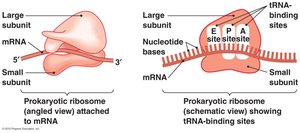
Translation Phases: Initiation (ribosome assembly), elongation (polypeptide chain growth), termination (release of polypeptide).
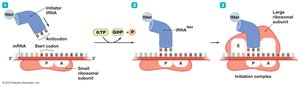
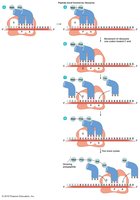
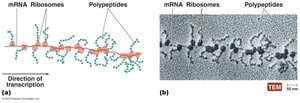
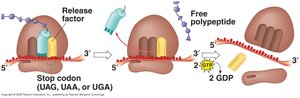
Translation Differences: Eukaryotic initiation uses 5′ guanine cap; first amino acid is methionine; ribosomes synthesize polypeptides into rough ER.
Gene Regulation
Gene expression is regulated to conserve energy and respond to environmental signals.
Quorum Sensing: Bacteria communicate via autoinducers; certain genes are expressed only at high population density.
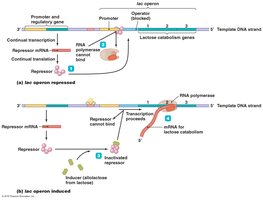
Operons: Prokaryotic operons consist of a promoter, operator, and series of genes. Can be inducible (activated by inducers) or repressible (deactivated by repressors).
Mutations of Genes
Mutations are changes in the nucleotide sequence of a genome. They are usually deleterious but can occasionally confer advantages.
Point Mutations: Affect a single nucleotide base pair; include substitutions and frameshift mutations.
Substitution: One base pair replaced by another; can be silent, missense, or nonsense.
Frameshift: Insertion or deletion of base pairs, altering downstream codons.
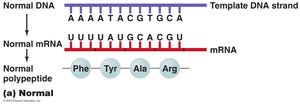
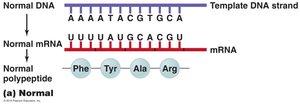
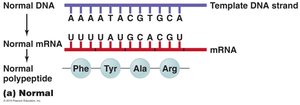
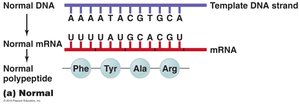
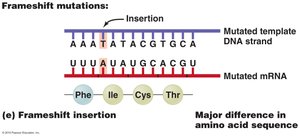
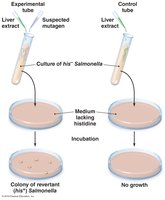
Mutagens: Physical or chemical agents that increase mutation rate (e.g., radiation, nucleotide analogs, nucleotide-altering chemicals).
Wild Type vs. Mutant: Wild type is the normal cell; mutant is a descendant with an unrepaired mutation.
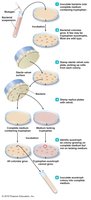
Mutation Detection: Positive selection, negative (indirect) selection, Ames test.
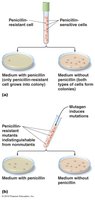
Genetic Recombination and Transfer
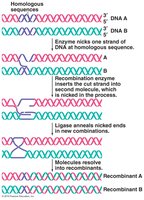
Genetic recombination involves the exchange of nucleotide sequences between homologous DNA molecules, resulting in new genetic combinations.
Vertical Gene Transfer: Genes passed to next generation.
Horizontal Gene Transfer: Genes acquired from other microbes; includes transformation, transduction, and conjugation.
Transformation
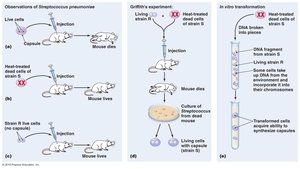
Recipient cell takes up DNA from the environment. Discovered by Griffith in Streptococcus pneumoniae.
Transduction
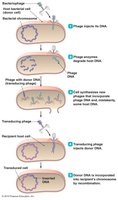
DNA transferred from one cell to another via a virus (bacteriophage). Can be generalized (random DNA) or specialized (specific DNA).
Conjugation
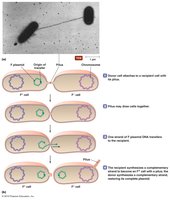
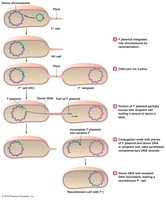
Transfer of genetic material between donor and recipient cells via direct contact, mediated by conjugation pili (F plasmid).
Transposons
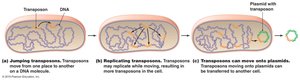
Segments of DNA that move from one location to another, causing frameshift insertions. Simplest transposons (insertion sequences) contain inverted repeats and a gene for transposase; complex transposons may carry additional genes, such as antibiotic resistance.
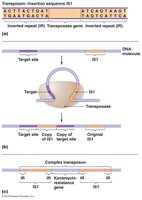
Additional info: These notes cover the essential concepts of microbial genetics, including genome structure, gene function, mutation types, and mechanisms of genetic transfer, with relevant images to reinforce understanding.
