 Back
BackMicrobial Genomes: Structure, Diversity, and Health Implications
Study Guide - Smart Notes
 Tailored notes based on your materials, expanded with key definitions, examples, and context.
Genomes in Microbiology
Definition and Importance of Genomes
The genome encompasses all the genetic material in a cell or virus, including chromosomal and extrachromosomal DNA for cells, and DNA or RNA for viruses. Understanding genomes is fundamental in microbiology because they determine the characteristics and behaviors of microbes.
Genome: All genetic information in a cell or virus.
Chromosomal DNA: Essential, continuous, double-stranded DNA molecule containing heritable material.
Extrachromosomal DNA: Includes plasmids, which carry non-essential genes.
Viral genomes: May consist of DNA or RNA, which can be single or double stranded.
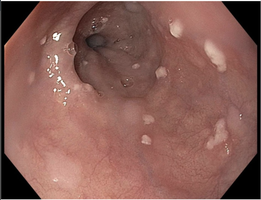
Example: Candida albicans is a yeast whose genome enables it to survive, grow, adhere to human cells, invade tissues, and evade the immune system.
Genome Diversity
Microbial genomes exhibit significant diversity, both in structure and content. Cellular genomes are typically double-stranded DNA, while viral genomes can be DNA or RNA, single or double stranded.
Cellular genomes: Include chromosomes, plasmids, mitochondrial DNA, and chloroplast DNA.
Viral genomes: Can be DNA or RNA, single or double stranded.
DNA Structure and Gene Organization
Chromosomes, Plasmids, and Genes
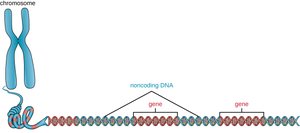
Chromosomes are essential DNA molecules, while plasmids are extrachromosomal and often carry genes for specialized functions. Genes are segments of DNA that encode proteins, and noncoding DNA plays roles in regulation and other cellular functions.
Chromosome: Essential, continuous, double-stranded DNA molecule.
Plasmid: Extrachromosomal DNA with non-essential genes.
Gene: Segment of DNA encoding a protein (coding DNA).
Noncoding DNA: Involved in regulation of gene expression or other functions.
Gene Expression and Phenotype
Gene Expression: Transcription and Translation
Gene expression is the process by which information from a gene is used to synthesize a functional gene product, typically a protein. This involves two main steps: transcription (DNA to RNA) and translation (RNA to protein).
Transcription: DNA is transcribed to messenger RNA (mRNA).
Translation: mRNA is translated into a protein.
Genotype: The genetic makeup of an organism.
Phenotype: The observable characteristics resulting from gene expression.
Genotype-Phenotype Health Connection
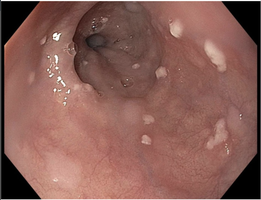
The relationship between genotype and phenotype is crucial in understanding microbial pathogenesis. For example, Candida albicans can exist in different forms depending on environmental conditions, despite having the same genotype. Outside the human body, it grows as a yeast (round cell), but inside, it can transition to a hyphal (long, skinny cell) form, which is capable of penetrating human tissues and causing damage.
Yeast form: Round cell, typically outside the human host.
Hyphal form: Long, filamentous cell, capable of tissue invasion inside the host.
Phenotypic variation: Same genotype, different phenotypes depending on environment.
Health implication: Hyphal form is associated with tissue damage and disease, such as esophageal candidiasis.
Summary Table: Types of Microbial Genomes
The following table summarizes the main types of microbial genomes and their characteristics.
Type | Genetic Material | Structure | Examples |
|---|---|---|---|
Cellular (Prokaryotic/Eukaryotic) | DNA | Double-stranded, chromosomes, plasmids, organelle DNA | Bacteria, Yeast |
Viral | DNA or RNA | Single or double stranded | Influenza virus (RNA), Herpesvirus (DNA) |
Key Equations
Gene expression involves the following steps:
Transcription:
Translation:
Additional info: The images included are endoscopic views of esophageal candidiasis, which visually demonstrate the health impact of microbial genome expression, and a diagram showing the relationship between chromosomes, genes, and noncoding DNA, reinforcing the structural concepts discussed.
