 Back
BackMicrobial Growth I
Study Guide - Smart Notes
 Tailored notes based on your materials, expanded with key definitions, examples, and context.
Microbial Growth and Culture
The Requirements for Growth
Microbial growth depends on a variety of chemical and physical factors. Understanding these requirements is essential for culturing and studying microorganisms in the laboratory.
Chemical requirements: Microbes need major elements (CHNOPS: Carbon, Hydrogen, Nitrogen, Oxygen, Phosphorus, Sulfur), trace elements, and growth factors.
Physical requirements: These include oxygen availability, temperature, pH, and osmotic pressure.
Chemical Requirements
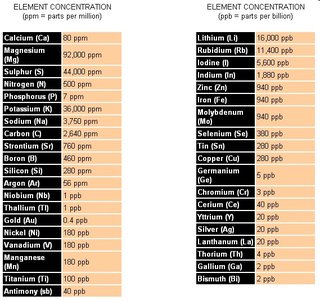
Microorganisms require several elements in large amounts for growth, as well as trace elements in minute quantities.
Major elements (CHNOPS):
Carbon (C): ~50% of cell dry weight; used for energy and as a structural component.
Nitrogen (N): ~14%; essential for amino acids and nucleic acids.
Hydrogen (H): ~8%; found in organic molecules and water.
Sulfur (S): ~2%; present in vitamins and some amino acids.
Phosphorus (P): ~2%; important for membranes, ATP, and nucleic acids.
Oxygen (O): ~20%; required for metabolism and organic molecule synthesis.
Trace elements: Required in very small amounts, often as enzyme cofactors. Fastidious organisms may require many trace elements and growth factors.
Growth factors: Organic compounds that an organism cannot synthesize and must obtain from the environment (e.g., vitamins, amino acids, purines, pyrimidines).
Nutritional Classification of Microorganisms
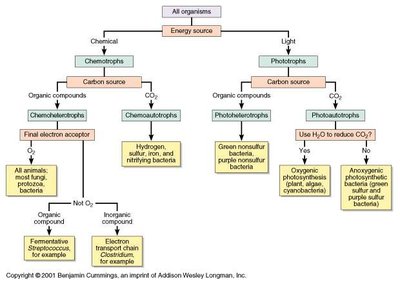
Microbes are classified based on their carbon and energy sources. This classification helps in understanding their ecological roles and laboratory cultivation.
Photoautotrophs: Use light as an energy source and CO2 as a carbon source (e.g., cyanobacteria, plants).
Photoheterotrophs: Use light for energy and organic compounds for carbon (e.g., green and purple nonsulfur bacteria).
Chemoautotrophs: Use inorganic chemicals for energy and CO2 for carbon (e.g., iron-oxidizing bacteria).
Chemoheterotrophs: Use organic compounds for both energy and carbon (e.g., animals, fungi, protozoa, many bacteria).
Lithoautotrophs: Use inorganic molecules for energy and CO2 for carbon (many extremophiles).
Bacterial Culture and Media
Culture Media Types
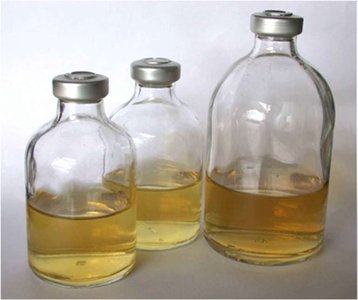
Microbes are grown in culture media, which provide the necessary nutrients and environmental conditions for growth.
Chemically defined (synthetic) media: Exact chemical composition is known.
Complex (undefined) media: Contains extracts (e.g., peptone, beef extract, yeast extract); exact composition is not known.
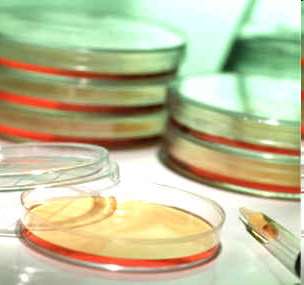
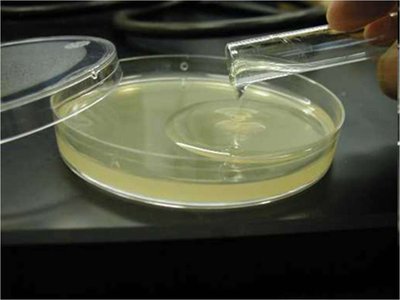
Solid media: Agar is used as a solidifying agent; it is not a nutrient and has favorable melting/solidifying properties.
Selective, Differential, and Enrichment Media
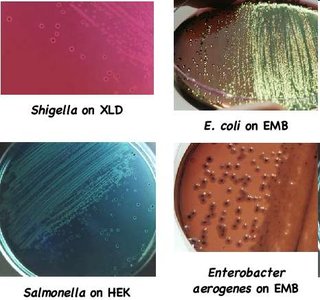
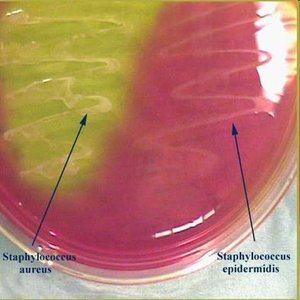
Selective media: Suppress growth of some microbes while encouraging others (e.g., Mannitol Salt Agar for Staphylococcus).
Differential media: Distinguish between different microbes based on observable changes (e.g., color change due to fermentation).
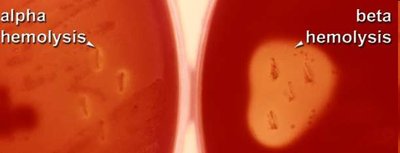
Enrichment media: Contain nutrients or growth factors to enhance growth of specific microbes (e.g., blood agar for Streptococci).
Physical Requirements for Growth
Oxygen Requirements
Microbes vary in their oxygen requirements, which affects their metabolism and growth patterns.
Obligate aerobes: Require oxygen for growth.
Facultative anaerobes: Can grow with or without oxygen but grow better with it.
Obligate anaerobes: Cannot tolerate oxygen.
Aerotolerant anaerobes: Do not use oxygen but tolerate its presence.
Microaerophiles: Require low levels of oxygen.
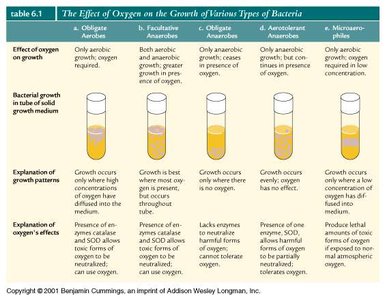
Enzymes for oxygen detoxification: Superoxide dismutase (SOD), catalase, and peroxidase neutralize toxic oxygen derivatives.
Osmotic Pressure
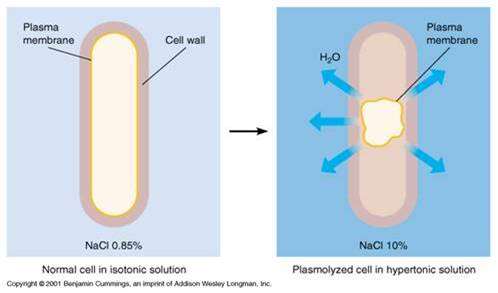
Osmotic pressure affects microbial water balance and survival.
Hypertonic environments: Cause plasmolysis (cell shrinkage) due to water loss.
Halophiles: Require or tolerate high salt concentrations.

pH Requirements
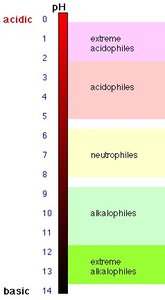
Microbes are adapted to different pH environments.
Acidophiles: Grow best at low pH (acidic conditions).
Neutrophiles: Prefer neutral pH (6.5–7.5).
Alkalophiles: Thrive in basic (alkaline) environments.
Temperature Requirements
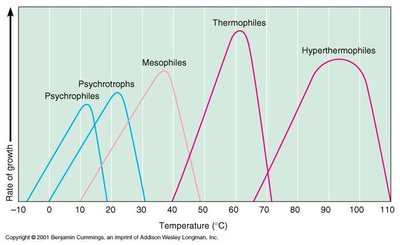
Microbes are classified by their optimal temperature ranges.
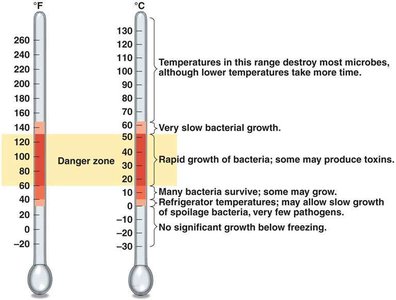
Psychrophiles: Grow at low temperatures (0–20°C).
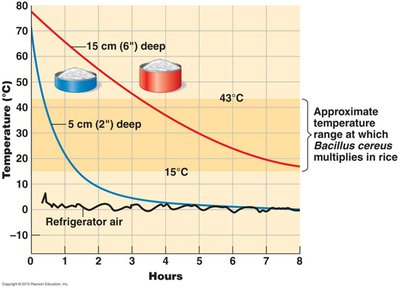
Mesophiles: Grow best at moderate temperatures (20–45°C); includes most human pathogens.
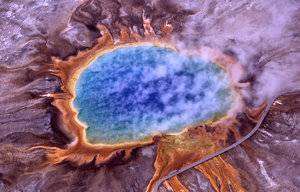
Thermophiles: Thrive at high temperatures (45–70°C).
Hyperthermophiles: Grow at extremely high temperatures (>70°C).
Microbial Growth in Nature: Biofilms
Biofilm Structure and Function
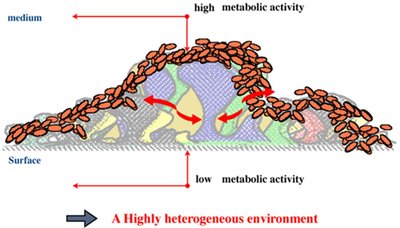
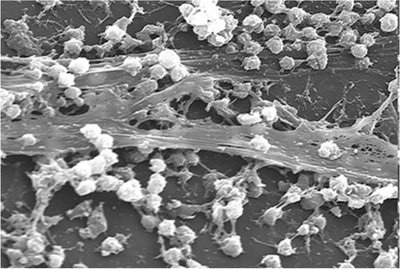
Biofilms are complex, surface-attached microbial communities embedded in a self-produced matrix. They are common in nature and have important implications for health and industry.
Architecture: Biofilms have open channels for nutrient and waste exchange, and contain both aerobic and anaerobic regions.
Formation: Begins with attachment of planktonic cells, followed by production of extracellular polymeric substances (slime) and recruitment of other microbes via quorum sensing.
Protection: Biofilms protect microbes from immune responses, disinfectants, and antibiotics.
Examples: Dental plaque (Streptococcus mutans), chronic infections, and bioremediation consortia.
Biofilms and Infection
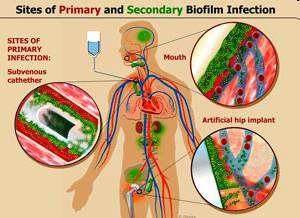
Biofilms are involved in a majority of human bacterial infections and are highly resistant to antimicrobial agents.
CDC estimate: 70% of human bacterial infections involve biofilms.
Resistance: Microbes in biofilms can be up to 1000 times more resistant to microbiocides.
Pseudomonas Infections
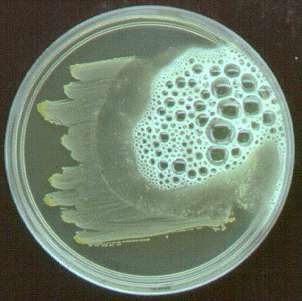
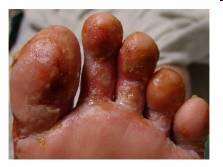
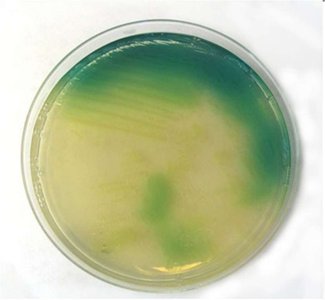
Pseudomonas aeruginosa is a common cause of nosocomial infections, especially in burn victims. It produces a characteristic green pigment.
Microbial Growth Dynamics
Binary Fission and Generation Time
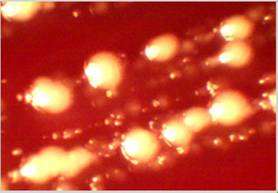
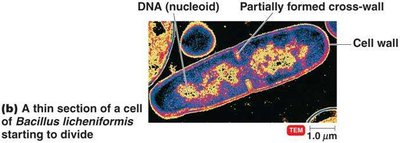
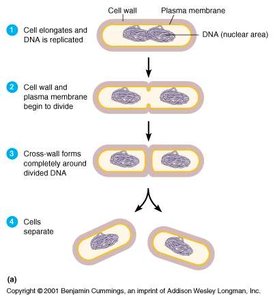
Bacteria typically reproduce by binary fission, leading to exponential population growth under optimal conditions.
Generation time: The time required for a population to double in number.
Growth calculation formula: Where = final cell number, = initial cell number, = number of generations.
Example: If a culture starts with 20 cells and doubles every 30 minutes, it will reach 10,000 cells in about 4.5 hours (9 generations).
Growth Curve Phases
Bacterial populations in batch culture exhibit a characteristic growth curve with distinct phases:
Lag phase: High metabolic activity, no increase in cell number.
Log (exponential) phase: Rapid cell division and population growth.
Stationary phase: Nutrient depletion and waste accumulation balance cell growth and death.
Death phase: Cell death exceeds cell division; population declines.
Prolonged decline: Most cells die, but a few survive for extended periods.
Bioreactors and Metabolite Production
Bioreactors are controlled systems for growing microbes, often used for industrial production of metabolites.
Primary metabolites: Produced during log phase (e.g., vitamins).
Secondary metabolites: Produced during stationary phase (e.g., antibiotics, toxins).
Measuring Microbial Growth
Direct Methods
Electronic counting chambers and direct microscopic counts provide cell numbers in a defined volume.
Indirect Methods
Plate (colony) counts: Serial dilutions and plating to count colony-forming units (CFUs).
Turbidity: Measuring cloudiness of a culture; correlates with cell density.
Metabolic activity and dry weight are also used for estimation.
