 Back
BackMicrobial Growth and Its Control – Comprehensive Study Notes
Study Guide - Smart Notes
 Tailored notes based on your materials, expanded with key definitions, examples, and context.
Microbial Growth and Its Control
Introduction to Microbial Growth
Microbial growth refers to the increase in the number of cells in a population. Understanding the requirements and mechanisms of microbial growth is essential for microbiology, biotechnology, and medical applications. This chapter covers the nutrients required for growth, laboratory culture techniques, methods for measuring growth, environmental effects, and strategies for controlling microbial proliferation.
Macronutrients and Micronutrients
Macronutrients: Essential Elements for Microbial Life
Microbes require macronutrients in large quantities for energy production and cellular structure. The primary macronutrients include carbon, hydrogen, oxygen, nitrogen, phosphorus, sulfur, potassium, magnesium, calcium, and sodium.
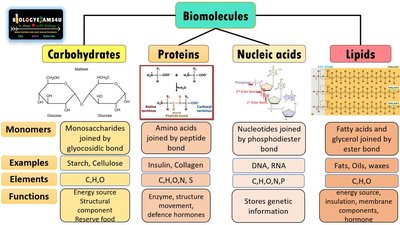
Carbon (C): Used as an energy source and structural component in proteins, lipids, nucleic acids, and carbohydrates. Heterotrophs obtain carbon from organic compounds, while autotrophs fix carbon dioxide (CO2).
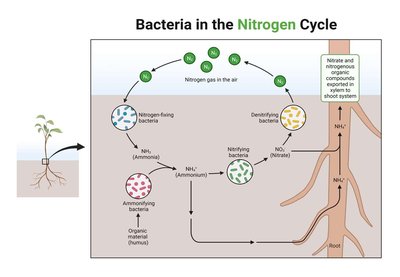
Nitrogen (N): Required for the synthesis of proteins and nucleic acids. Microbes utilize nitrogen from ammonia (NH3), nitrate (NO3-), organic compounds, or by fixing atmospheric N2.
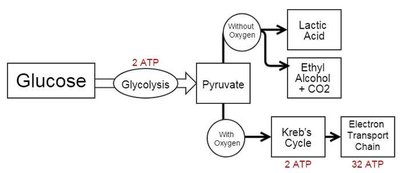
Oxygen (O): Essential for aerobic respiration and as a terminal electron acceptor in the electron transport chain.
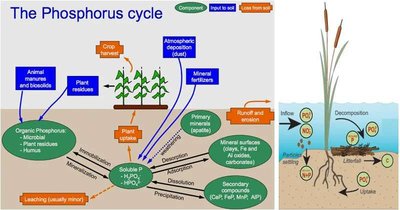
Phosphorus (P): Needed for nucleic acids and phospholipids; microbes transform insoluble phosphorus into bioavailable forms.
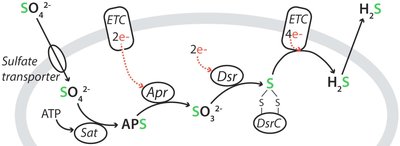
Sulfur (S): Required for sulfur-containing amino acids and vitamins; assimilated from sulfate, sulfide, or organic sources.
Cations: Potassium, magnesium, calcium, and sodium are required for enzyme function, membrane stability, and other cellular processes.
Microbial Role in Nutrient Cycles
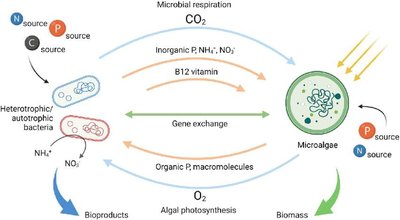
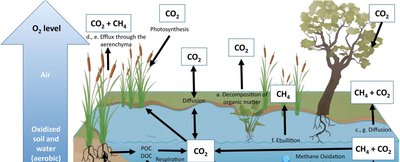
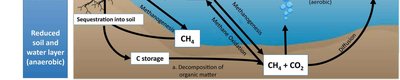
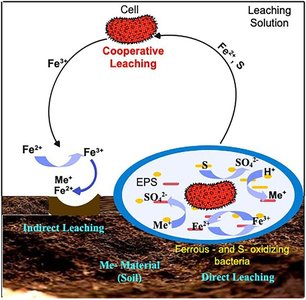
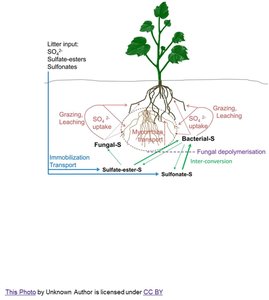
Microbes play a central role in cycling carbon, nitrogen, phosphorus, and sulfur in ecosystems, supporting plant growth and ecosystem health.
Carbon Cycle: Microbes decompose organic matter, release CO2, and participate in photosynthesis and respiration.
Nitrogen Cycle: Includes nitrogen fixation, nitrification, denitrification, and ammonification.
Phosphorus Cycle: Microbes solubilize and recycle phosphorus, aiding plant uptake.
Sulfur Cycle: Microbes transform sulfur compounds, contributing to soil fertility and bioremediation.
Micronutrients and Growth Factors
Micronutrients are required in trace amounts and include metals (iron, manganese, zinc, copper, etc.) and organic growth factors (vitamins, amino acids, purines, pyrimidines). Many function as enzyme cofactors or coenzymes.
Iron (Fe): Essential for redox reactions in cellular respiration.
Vitamins: Serve as coenzymes in metabolic pathways (e.g., B vitamins, biotin, folic acid).
Growth Media and Laboratory Culture
Types of Culture Media
Culture media provide nutrients for microbial growth in the laboratory. They are classified as:
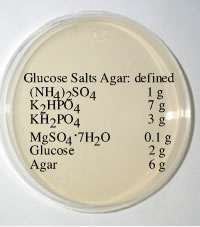
Defined Media: Exact chemical composition is known. Example: Glucose Salts Agar (GSA).
Complex Media: Contains digests of animal, plant, or microbial products; composition is not fully defined. Example: Tryptic Soy Agar (TSA).
Selective Media: Contains agents that inhibit some microbes while allowing others to grow.
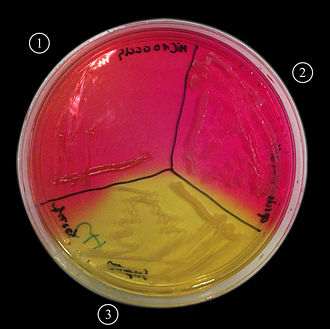
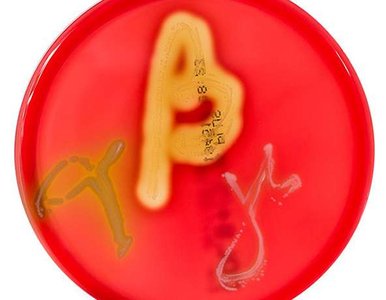
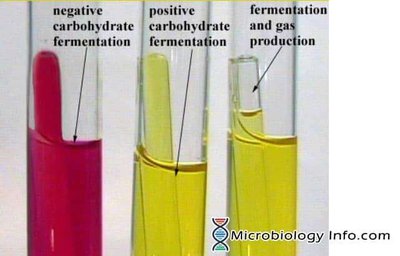
Differential Media: Contains indicators to distinguish between microbial species based on metabolic reactions.
Enriched Media: Contains additional nutrients to support fastidious organisms.

Laboratory Culture Techniques
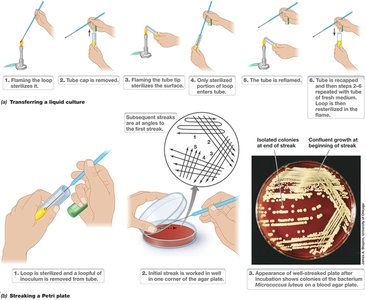
Microbes are grown in liquid or solid media. Solid media use agar as a gelling agent, allowing the formation of colonies. Aseptic technique is essential to prevent contamination. Pure cultures are obtained using the streak plate method. 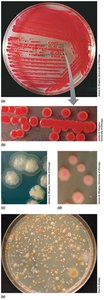
Measuring Microbial Growth
Microscopic Counts
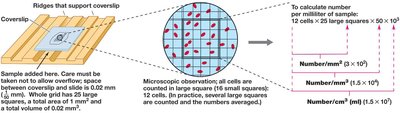
Direct microscopic counts use counting chambers (e.g., Petroff–Hausser) to enumerate cells in liquid samples. Calculations involve averaging counts and applying dilution factors. 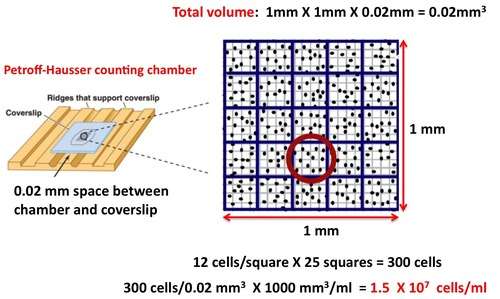
Viable Plate Counts
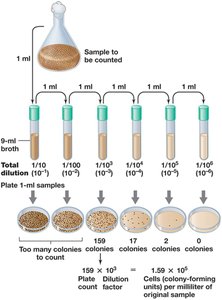
Viable counts measure living cells capable of forming colonies. Methods include spread-plate and pour-plate techniques. Serial dilutions are used for dense cultures, and results are reported as colony-forming units (CFU). 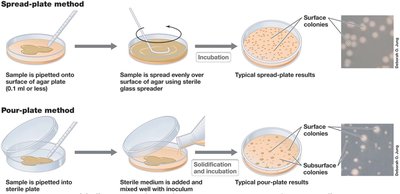
Turbidimetric (Optical Density) Measurements
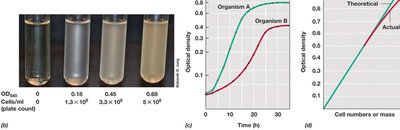
Cell suspensions scatter light, and turbidity is measured using a spectrophotometer. Optical density (OD) correlates with cell number, and standard curves are used for quantification. 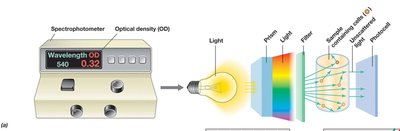
Microbial Growth Cycle
Binary Fission and Growth Phases
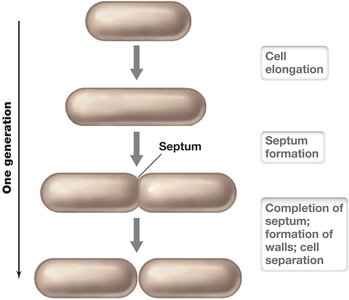
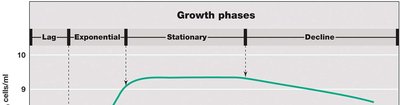
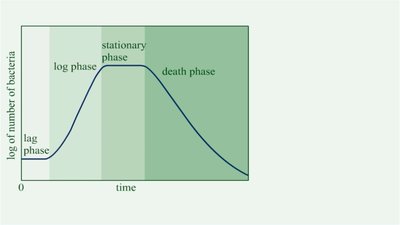
Microbes reproduce by binary fission, resulting in two daughter cells. The growth curve in batch culture includes four phases:
Lag Phase: Adjustment period before growth begins.
Exponential (Log) Phase: Rapid cell division and population doubling.
Stationary Phase: Nutrient depletion or waste accumulation halts growth.
Death (Decline) Phase: Cell death exceeds cell division.
Quantitative Aspects of Growth
Exponential growth is described by the generation time (), calculated as: where is the duration of exponential growth and is the number of generations.
Continuous Culture and Biofilms
Continuous Culture: Chemostat
Continuous culture maintains cells in exponential phase using devices like the chemostat, where fresh medium is added and spent medium removed at a constant rate.
Biofilm Growth
Biofilms are communities of microbes attached to surfaces and embedded in a polysaccharide matrix. Biofilm formation involves attachment, colonization, development, and dispersal. Biofilms have medical and industrial significance, causing infections and equipment fouling.
Environmental Effects on Growth
Temperature
Microbes have cardinal temperatures (minimum, optimum, maximum) for growth. Four temperature classes:
Psychrophiles: Grow at low temperatures (≤15°C).
Mesophiles: Grow at moderate temperatures (20–45°C).
Thermophiles: Grow at high temperatures (45–80°C).
Hyperthermophiles: Grow at very high temperatures (>80°C).
pH
Microbes are classified by pH optima:
Neutrophiles: pH 5.5–7.9
Acidophiles: pH < 5.5
Alkaliphiles: pH ≥ 8
Buffers are used in media to maintain pH stability.
Osmolarity
Water activity () affects microbial growth. Halophiles require high salt concentrations, while halotolerant, osmophilic, and xerophilic organisms tolerate or require low water activity. Compatible solutes help maintain positive water balance.
Oxygen
Microbes are classified by oxygen requirements:
Aerobes: Require oxygen.
Microaerophiles: Require reduced oxygen levels.
Facultative: Can grow with or without oxygen.
Anaerobes: Do not require oxygen; may be aerotolerant or obligate.
Oxygen toxicity arises from reactive oxygen species (ROS), which are neutralized by enzymes like catalase.
Controlling Microbial Growth
Physical Methods
Heat Sterilization: Most common method; autoclaves use steam under pressure to kill microbes and endospores. Pasteurization reduces microbial load in heat-sensitive liquids.
Radiation: Ultraviolet and ionizing radiation are used for surface and material sterilization.
Filtration: Used for heat-sensitive liquids and gases; membrane filters with 0.2 μm pores are standard for sterilization.
Chemical Methods
Antimicrobial Agents: Classified as -cidal (kills), -lytic (lyses), or -static (inhibits growth).
Assaying Activity: Minimum inhibitory concentration (MIC) and disk diffusion assays are used to test effectiveness.
Types of Agents: Sterilants, disinfectants, sanitizers, and antiseptics are used for different applications.
Summary Table: Types of Culture Media
Type | Description | Example |
|---|---|---|
Defined | Exact chemical composition known | Glucose Salts Agar |
Complex | Contains digests, composition unknown | Tryptic Soy Agar |
Selective | Inhibits some microbes, allows others | Mannitol Salt Agar |
Differential | Distinguishes species by metabolic reactions | EMB Agar, Blood Agar |
Enriched | Extra nutrients for fastidious organisms | Blood Agar |
Summary Table: Oxygen Relationships of Microorganisms
Group | Relationship to O2 | Type of Metabolism | Example |
|---|---|---|---|
Obligate Aerobe | Required | Aerobic respiration | Micrococcus luteus |
Facultative | Not required, but better with O2 | Aerobic/anaerobic respiration, fermentation | Escherichia coli |
Microaerophilic | Required at low levels | Aerobic respiration | Spirillum volutans |
Aerotolerant Anaerobe | Not required, no benefit from O2 | Fermentation | Streptococcus mutans |
Obligate Anaerobe | Harmful/lethal | Fermentation/anaerobic respiration | Methanobacterium formicicum |
Key Equations
Generation Time:
Microscopic Cell Count:
Conclusion
Understanding microbial growth and its control is fundamental for microbiology, biotechnology, and medicine. Mastery of nutrient requirements, laboratory techniques, environmental effects, and control strategies enables effective study and application of microorganisms.
