 Back
BackMicrobial Growth and Nutrition: Essential Concepts for Microbiology
Study Guide - Smart Notes
 Tailored notes based on your materials, expanded with key definitions, examples, and context.
Microbial Nutrition
Essential Nutrients and Their Roles
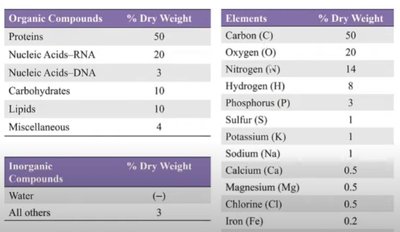
Microbial nutrition is fundamental to understanding how microorganisms grow and survive. Essential nutrients are substances that must be provided to an organism for its growth and metabolism. These nutrients are classified as macronutrients and micronutrients (trace elements).
Macronutrients: Required in large quantities; include carbon, hydrogen, and oxygen, which are principal components of cell structure and metabolism.
Micronutrients (Trace Elements): Needed in smaller amounts; include manganese, zinc, and nickel, which are important for enzyme function and protein structure maintenance.
Nutritional Classification of Microbes
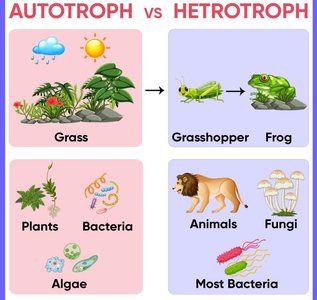
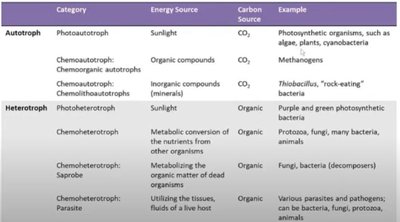
Microbes are classified based on how they acquire carbon and energy.
Heterotrophs: Obtain carbon from organic sources; most bacteria, fungi, and animals fall into this category.
Autotrophs: Use inorganic CO2 as their carbon source; includes plants, algae, and some bacteria.
Phototrophs: Use sunlight for energy.
Chemotrophs: Obtain energy from chemical compounds.
Heterotrophs and Their Energy Sources
Heterotrophs can be further classified based on their energy sources and their relationship with hosts.
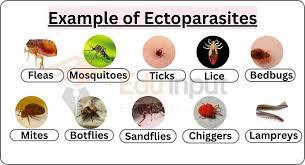
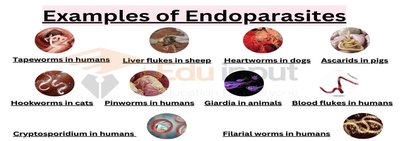
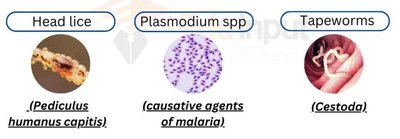
Parasites: Derive nutrients from living hosts; can be ectoparasites (on the body), endoparasites (in organs/tissues), intracellular parasites (within cells), or obligate parasites (cannot grow outside a host).
Pathogens: Cause damage or disease in hosts.
Chemical Requirements for Microbial Growth
Major Elements and Their Functions
Microbes require several chemical elements for growth, each serving specific roles in cellular structure and metabolism.
Carbon: Structural backbone for organic molecules; used to make all macromolecules.
Hydrogen: Maintains pH, forms hydrogen bonds, and provides free energy in respiration.
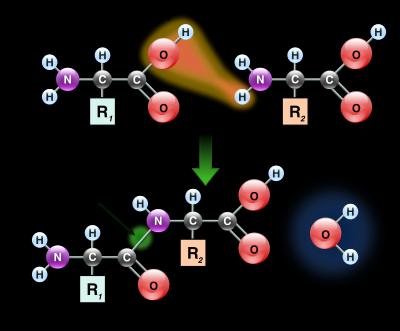
Nitrogen: Essential for proteins and nucleic acids; obtained from protein decomposition, ammonium, nitrate, or nitrogen fixation.
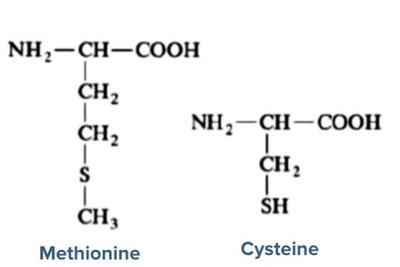
Sulfur: Used in amino acids (methionine, cysteine) and vitamins; obtained from protein decomposition, sulfate, or hydrogen sulfide.
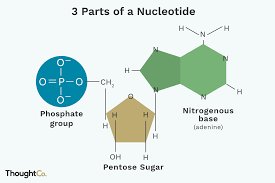
Phosphorus: Component of nucleic acids and cell membranes; obtained from phosphate ions.
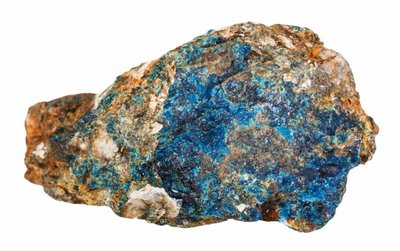
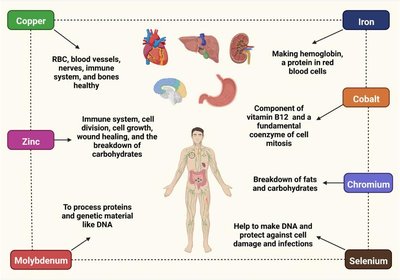
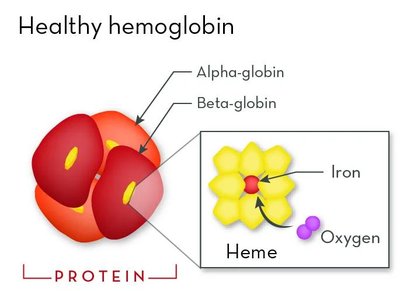
Trace Elements: Include iron, copper, zinc; often serve as enzyme cofactors.
Oxygen: Required for all macromolecules; plays a role in respiration and enzymatic functions.
Oxygen and Microbial Growth
Oxygen is a critical factor influencing microbial growth. Microbes are classified based on their oxygen requirements:
Aerobes: Require oxygen; include obligate aerobes, facultative aerobes, and microaerophiles.
Anaerobes: Do not require oxygen; include obligate anaerobes, facultative anaerobes, and aerotolerant anaerobes.
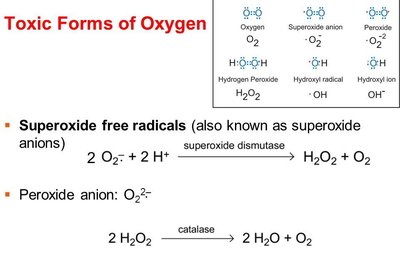
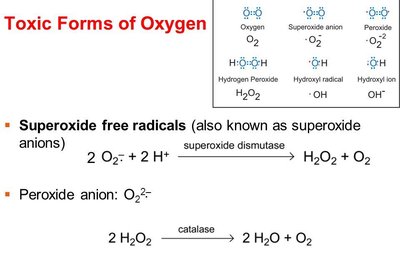
Oxygen can produce toxic by-products (reactive oxygen species, ROS) such as singlet oxygen, superoxide ion, hydrogen peroxide, and hydroxyl radical. Microbes that grow in oxygen-rich environments possess enzymes like superoxide dismutase, catalase, and peroxidase to neutralize these toxic forms. 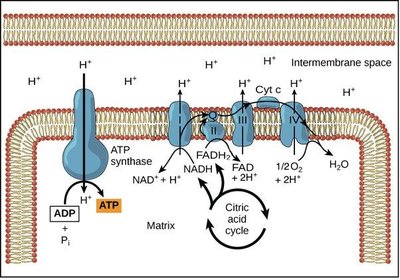
Oxygen Effects on Microbial Growth
The presence or absence of oxygen affects microbial growth patterns in culture media.
Obligate aerobes: Grow only at the top of the tube where oxygen is present.
Obligate anaerobes: Grow only at the bottom where oxygen is absent.
Facultative anaerobes: Grow throughout the tube but better at the top.
Aerotolerant anaerobes: Grow evenly throughout the tube.
Microaerophiles: Grow near the middle where oxygen concentration is low.
Physical and Environmental Requirements for Growth
Environmental Factors Affecting Microbial Growth
Microbial growth is influenced by several environmental factors, including moisture, oxygen, carbon dioxide, temperature, pH, light, osmotic effect, and mechanical/sonic stress. 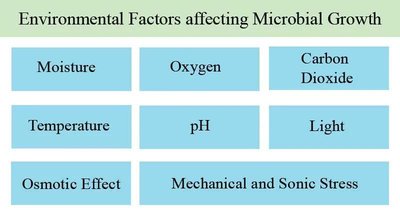
Temperature Requirements
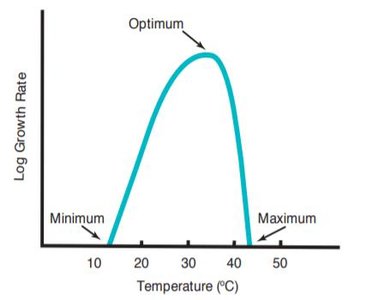
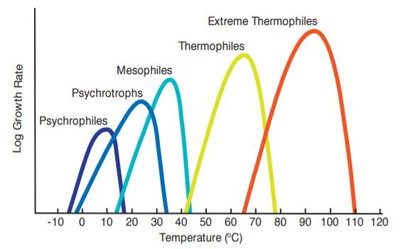
Microbes are classified based on their optimal growth temperatures:
Psychrophiles: Grow at 0–20°C, optimally below 15°C; found in cold environments.
Psychrotrophs: Grow at 0–30°C, optimally 15–30°C; cause food spoilage.
Mesophiles: Grow at 10–50°C, optimally 20–45°C; most human pathogens.
Thermophiles: Grow at 45–80°C, optimally 50–60°C; found in hot environments.
Extreme thermophiles: Grow at 80–121°C.
pH and Osmotic Pressure
pH: Most bacteria grow between pH 6.5–7.5; molds and yeasts between pH 5–6. Acidophiles grow in acidic environments, neutrophiles in neutral, and alkaliphiles in basic environments.
Osmotic Pressure: Hypertonic environments cause plasmolysis; osmophiles live in high solute concentrations. Extreme halophiles require high salt, while facultative halophiles tolerate it.
Interactions Among Microbes
Biofilms and Microbial Communities
Biofilms are mixed communities of microbes attached to surfaces and each other, often embedded in a slime matrix. Biofilm formation involves initial colonization, attachment of other microbes, and chemical signaling (quorum sensing). Biofilms enhance survival and resistance to environmental stress.
Culture Media and Growth Analysis
Types of Culture Media
Agar: Complex polysaccharide used as a solidifying agent; not metabolized by microbes.
Chemically Defined Media: Exact chemical composition is known; used for fastidious organisms.
Complex Media: Contains extracts and digests of yeasts, meat, or plants; composition varies.
Selective Media: Suppresses undesired microbes and encourages desired ones.
Differential Media: Distinguishes colonies of different microbes.
Selective and Differential Media Example: MSA Plate
Selective Ingredient: Sodium chloride (7.5%) selects for osmotolerant organisms.
Differential Ingredient: Mannitol distinguishes S. aureus (ferments mannitol, turns plate yellow) from S. epidermidis (does not ferment, plate remains pink).
Phenol Red: pH indicator; yellow in acidic, pink in alkaline conditions.
Reproduction in Prokaryotic Cells
Binary Fission: Most common method; one cell divides into two genetically identical cells.
Budding, Conidiospores, Fragmentation: Other methods in certain bacteria and fungi.
Generation Time and Growth Phases
Generation Time: Time required for a cell to divide and population to double; most bacteria 30–60 minutes.
Growth Phases: Lag phase (adjustment), exponential phase (rapid growth), stationary phase (birth rate = death rate), death phase (decline).
Population Size Analysis
Turbidity: Cloudiness of a solution indicates population size.
Direct Cell Count: Microscopic measurement.
Coulter Counter and Flow Cytometer: Electronic methods for counting and differentiating cells.
Genetic Probing: Real-time PCR quantifies bacteria using RNA.
