 Back
BackMicrobial Growth: Physical and Chemical Requirements, Oxygen Effects, and Biofilms
Study Guide - Smart Notes
 Tailored notes based on your materials, expanded with key definitions, examples, and context.
Microbial Growth
Physical Requirements for Microbial Growth
Microbial growth is influenced by several physical factors, including temperature, pH, and osmotic pressure. Understanding these requirements is essential for culturing microbes and controlling their growth in various environments.
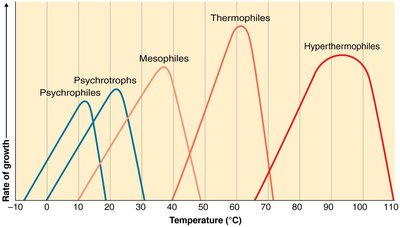
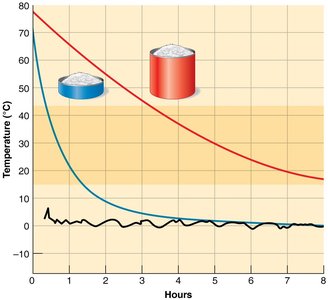
Temperature: Microbes are classified into five groups based on their preferred temperature ranges:
Psychrophiles: Cold-loving microbes, optimal growth below 15°C.
Psychrotrophs: Grow between 0°C and 20–30°C; often responsible for food spoilage.
Mesophiles: Moderate-temperature-loving microbes, optimal growth at 25–40°C; most human pathogens fall in this category.
Thermophiles: Heat-loving microbes, optimal growth at 50–60°C; found in hot springs and compost.
Hyperthermophiles: Optimal growth above 80°C; typically found in oceanic depths and geothermal environments.
pH: Most bacteria grow between pH 6.5 and 7.5, while molds and yeasts prefer pH 5–6. Acidophiles thrive in acidic environments.
Osmotic Pressure:
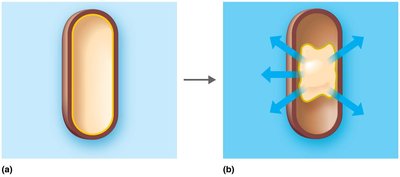
Hypertonic environments cause plasmolysis, inhibiting growth due to water loss.
Extreme or obligate halophiles require high salt concentrations.
Facultative halophiles tolerate high osmotic pressure but do not require it.
Chemical Requirements for Microbial Growth
Chemical factors are crucial for microbial metabolism and cellular structure. The main elements required in large amounts are carbon, nitrogen, sulfur, and phosphorus.
Carbon: Structural backbone of organic molecules.
Chemoheterotrophs use organic molecules for energy.
Autotrophs utilize CO2 as a carbon source.
Nitrogen: Essential for proteins, DNA, and ATP.
Most bacteria decompose protein material for nitrogen.
Some use NH4+ or NO3-.
A few fix atmospheric N2.
Sulfur: Used in amino acids, thiamine, and biotin.
Most bacteria decompose protein for sulfur.
Some use SO42- or H2S.
Phosphorus: Required for DNA, RNA, ATP, and membranes.
PO43- is a common source.
Trace Elements: Inorganic elements needed in small amounts, usually as enzyme cofactors (e.g., iron, copper, molybdenum, zinc).
Organic Growth Factors: Compounds obtained from the environment, such as vitamins, amino acids, purines, and pyrimidines.
Oxygen Requirements and Effects
Microbes are classified based on their oxygen requirements, which affect their growth and survival in different environments.
Obligate aerobes: Require oxygen for growth.
Facultative anaerobes: Can grow with or without oxygen, using fermentation or anaerobic respiration when oxygen is absent.
Anaerobes: Cannot use oxygen and are often harmed by it.
Aerotolerant anaerobes: Tolerate oxygen but do not use it.
Microaerophiles: Require oxygen at lower concentrations than atmospheric levels.
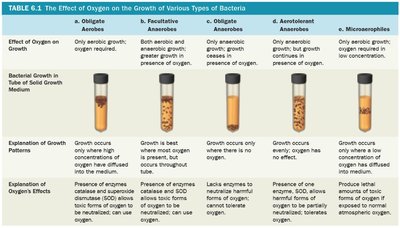
Oxygen can be toxic in certain forms, such as singlet oxygen, superoxide radicals, peroxide anion, and hydroxyl radical. Microbes have developed enzymes (e.g., superoxide dismutase, catalase, peroxidase) to neutralize these toxic forms.
Biofilms
Biofilms are complex microbial communities that adhere to surfaces and are embedded in a self-produced matrix of slime or hydrogels. They play a significant role in infection and environmental processes.
Bacteria communicate via quorum sensing, secreting signaling chemicals to attract other cells.
Biofilms provide shared nutrients and shelter from harmful factors.
They are found in digestive systems, sewage treatment, and medical devices (e.g., catheters, heart valves, contact lenses).
Biofilms are up to 1000 times more resistant to microbicides and are involved in 70% of infections.
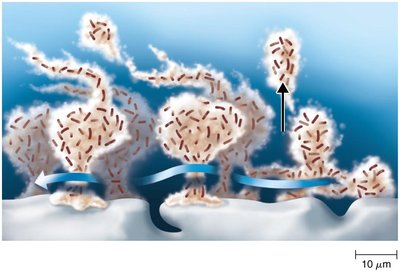 Example: Dental plaque is a common biofilm that forms on teeth, contributing to dental caries. Additional info: Biofilms can clog pipes and are difficult to eradicate due to their resistance to antimicrobial agents.
