 Back
Back6 Microbial Growth: Physical and Chemical Requirements, Biofilms, and Culture Methods
Study Guide - Smart Notes
 Tailored notes based on your materials, expanded with key definitions, examples, and context.
Microbial Growth
Introduction
Microbial growth refers to the increase in the number of microbial cells, not cell size. Understanding the requirements for microbial growth is essential for controlling and utilizing microorganisms in laboratory and industrial settings. The requirements for growth are divided into physical and chemical factors, each influencing the ability of microbes to survive and multiply.
Physical Requirements for Microbial Growth
Temperature
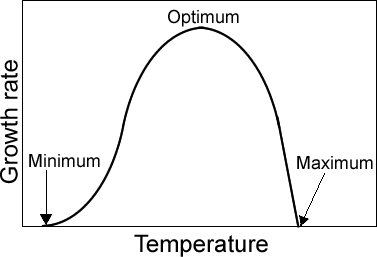
Temperature is a critical factor affecting microbial growth. Each species has a minimum, optimum, and maximum growth temperature.
Minimum growth temperature: The lowest temperature at which growth occurs.
Optimum growth temperature: The temperature at which the organism grows best.
Maximum growth temperature: The highest temperature at which growth is possible.
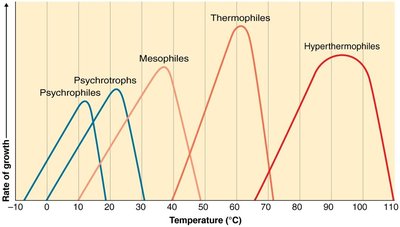
Microorganisms are classified based on their preferred temperature ranges:
Psychrophiles: Grow at -10°C to 20°C (optimum ~10°C).
Psychrotrophs: Grow between 0°C and 20–30°C; often cause food spoilage.
Mesophiles: Grow at 10°C to 50°C (optimum ~35°C); most human pathogens.
Thermophiles: Grow at 40°C to 72°C (optimum ~64°C).
Hyperthermophiles: Grow at 65°C to 110°C (optimum ~95°C).
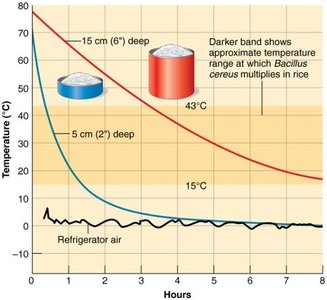
Food safety is closely related to microbial growth at different temperatures. The 'danger zone' (15–43°C) is where rapid bacterial growth and toxin production can occur.
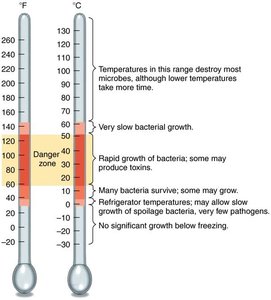
The cooling rate of food affects the risk of spoilage and foodborne illness. Large volumes cool more slowly, remaining in the danger zone longer.
pH
pH measures the acidity or alkalinity of a solution and significantly affects microbial growth.
Most bacteria: Grow between pH 6.5 and 7.5 (near neutral).
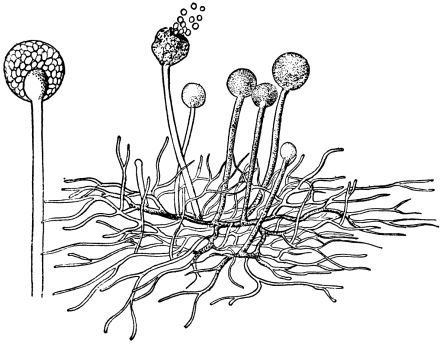
Molds and yeasts: Grow between pH 5 and 6.
Acidophiles: Grow in acidic environments (pH < 6).
Osmotic Pressure
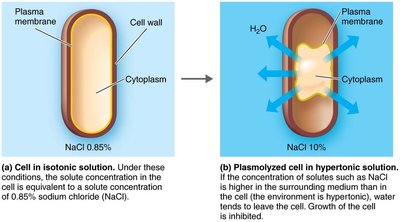
Osmotic pressure is the force exerted by solutes in a solution. Microbes are affected by the movement of water across their cell membranes.
Hypertonic environments: Higher solute concentration outside the cell causes water to leave the cell, leading to plasmolysis (cell shrinkage).
Isotonic environments: Solute concentration is balanced; no net water movement.
Some microbes are adapted to high-salt environments:
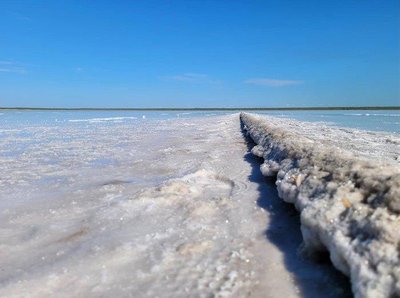
Extreme (obligate) halophiles: Require high salt concentrations for growth.
Facultative halophiles: Tolerate high salt but do not require it.
Chemical Requirements for Microbial Growth
Major Elements
Carbon: Backbone of all organic molecules; used by chemoheterotrophs (organic sources) and autotrophs (CO2).
Nitrogen: Needed for proteins, DNA, and ATP. Obtained from protein decomposition, ammonium (NH4+), nitrate (NO3-), or nitrogen fixation (N2).
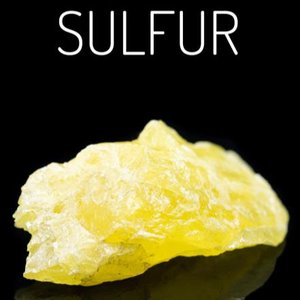
Sulfur: Used in amino acids, thiamine, and biotin. Sourced from protein decomposition, sulfate (SO42-), or hydrogen sulfide (H2S).
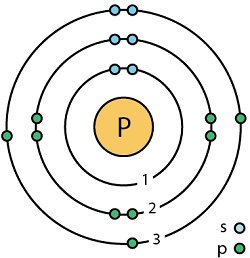
Phosphorus: Used in DNA, RNA, ATP, and membranes. Sourced from phosphate (PO43-).
Trace Elements
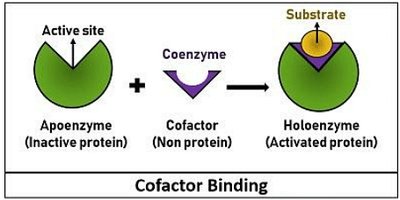
Trace elements are inorganic elements required in small amounts, usually as enzyme cofactors. Examples include iron, copper, molybdenum, and zinc.

Oxygen Requirements
Microbes are classified based on their oxygen requirements:
Obligate aerobes: Require oxygen for growth.
Facultative anaerobes: Can grow with or without oxygen (prefer oxygen).
Anaerobes: Cannot use oxygen; may be harmed by it.
Aerotolerant anaerobes: Tolerate oxygen but do not use it.
Microaerophiles: Require low oxygen concentrations.
Organic Growth Factors
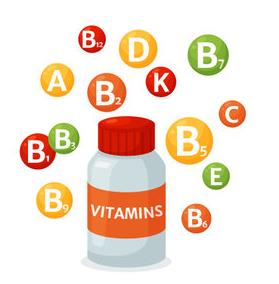
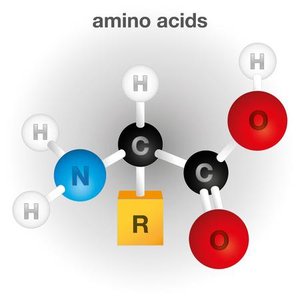
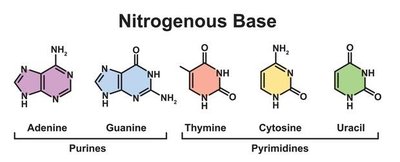
Organic growth factors are essential organic compounds that microbes cannot synthesize and must obtain from the environment. These include vitamins, amino acids, purines, and pyrimidines.
Biofilms
Formation and Importance
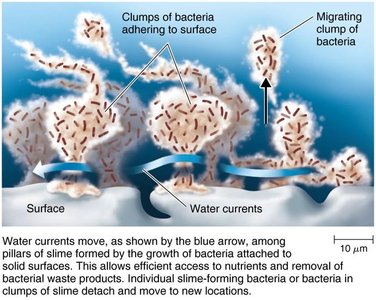
Biofilms are complex microbial communities that form slime or hydrogels adhering to surfaces. Bacteria within biofilms communicate via quorum sensing, share nutrients, and are protected from environmental threats.
Biofilms are found in natural, industrial, and clinical settings (e.g., digestive system, sewage pipes, catheters).
They are up to 1000 times more resistant to microbicides and are involved in 70% of infections.
Summary Table: Physical and Chemical Requirements for Microbial Growth
Requirement | Role in Growth | Examples/Notes |
|---|---|---|
Temperature | Enzyme activity, membrane fluidity | Psychrophiles, mesophiles, thermophiles |
pH | Protein structure, enzyme function | Acidophiles, neutrophiles, alkaliphiles |
Osmotic Pressure | Water availability, cell integrity | Halophiles, plasmolysis in hypertonic solutions |
Carbon | Organic molecules, energy source | Chemoheterotrophs, autotrophs |
Nitrogen | Proteins, nucleic acids, ATP | Ammonium, nitrate, nitrogen fixation |
Sulfur | Amino acids, vitamins | Sulfate, hydrogen sulfide |
Phosphorus | Nucleic acids, ATP, membranes | Phosphate |
Trace Elements | Enzyme cofactors | Iron, copper, zinc |
Oxygen | Energy metabolism | Obligate aerobes, anaerobes, facultative anaerobes |
Organic Growth Factors | Essential cell components | Vitamins, amino acids, nucleotides |
