 Back
BackMicrobial Growth: Requirements, Measurement, and Culture Techniques
Study Guide - Smart Notes
 Tailored notes based on your materials, expanded with key definitions, examples, and context.
Microbial Growth
Definition and Overview
Microbial growth refers to the increase in the number of cells in a microbial population, not the size of individual cells. Most prokaryotes reproduce asexually by binary fission, although some may use budding, conidiospores, or fragmentation. Understanding microbial growth is essential for microbiology, as it underpins laboratory culture, infection control, and industrial applications.
Binary fission: The primary mechanism of bacterial reproduction, where one cell divides into two genetically identical daughter cells.
Other methods: Budding, conidiospore formation (in actinomycetes), and filament fragmentation.
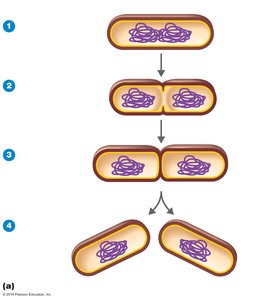
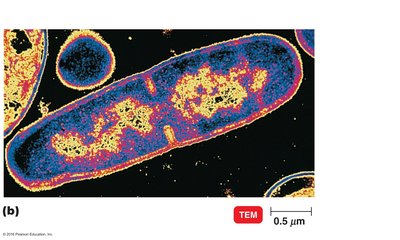
Growth of Bacterial Cultures
Generation Time and Growth Curves
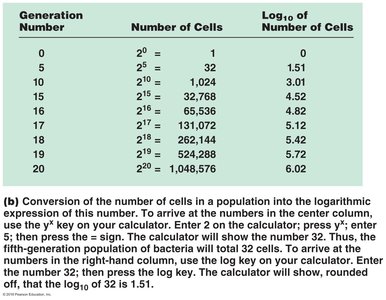
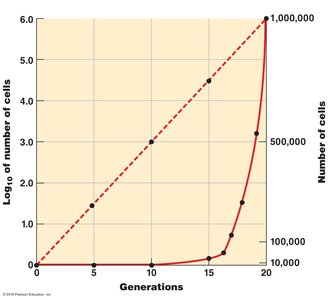
The generation time is the time required for a cell to divide and its population to double. This can range from 20 minutes to 24 hours, depending on the species and environmental conditions. Bacterial growth is typically exponential, and growth curves are often plotted logarithmically for clarity.
Exponential growth: Each generation doubles the number of cells:
Logarithmic representation: Used to visualize rapid increases in cell numbers.
Phases of Bacterial Growth
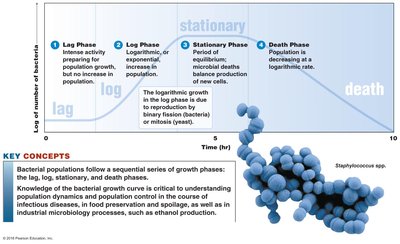
Bacterial populations in batch culture follow a characteristic growth curve with four phases:
Lag phase: Cells adapt to new environment; little or no cell division.
Log (exponential) phase: Rapid cell division; population doubles at a constant rate.
Stationary phase: Growth rate slows; number of new cells equals number of dying cells due to nutrient depletion and waste accumulation.
Death phase: Number of dying cells exceeds new cells; population declines.
Requirements for Microbial Growth
Physical Requirements
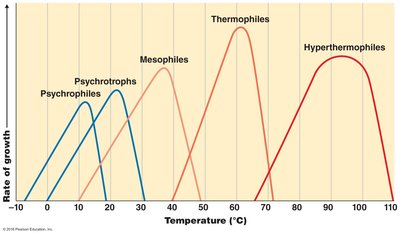
Temperature: Microbes have minimum, optimum, and maximum growth temperatures. They are classified as:
Psychrophiles: Cold-loving (0–20°C)
Psychrotrophs: Grow at 0°C but prefer 20–30°C; cause food spoilage
Mesophiles: Moderate temperature (optimum ~37°C); most human pathogens
Thermophiles: Heat-loving (50–70°C)
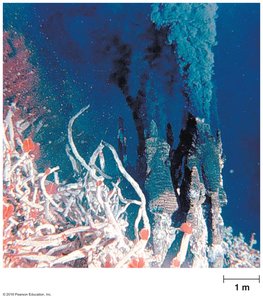
Hyperthermophiles: Optimum >80°C; found in hot springs and hydrothermal vents

pH: Most bacteria grow best at neutral pH (6.5–7.5). Molds and yeasts prefer slightly acidic conditions (pH 5–6). Acidophiles thrive in acidic environments.
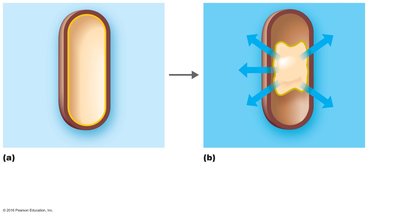
Osmotic pressure: High solute concentrations (hypertonic environments) cause plasmolysis. Halophiles require or tolerate high salt concentrations.
Chemical Requirements
Carbon: Backbone of organic molecules. Chemoheterotrophs use organic carbon; autotrophs use CO2.
Nitrogen: Needed for proteins, DNA, ATP. Sources include protein decomposition, NH4+, NO3–, and N2 (nitrogen fixation).
Sulfur: Used in amino acids, thiamine, biotin. Sources: protein, SO42–, H2S.
Phosphorus: Used in DNA, RNA, ATP, membranes. Source: PO43–.
Trace elements: Inorganic elements (e.g., Fe, Cu, Zn) required in small amounts, usually as enzyme cofactors.
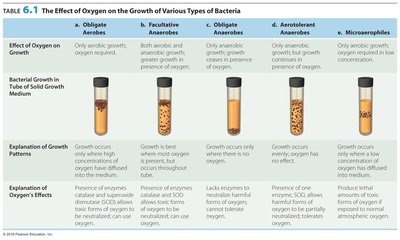
Oxygen: Required by some microbes, toxic to others. Oxygen requirements define microbial classification:
Obligate aerobes: Require O2
Facultative anaerobes: Can use O2 or grow without it
Obligate anaerobes: Harmed by O2
Aerotolerant anaerobes: Tolerate but do not use O2
Microaerophiles: Require low O2 concentrations
Toxic Forms of Oxygen and Microbial Defenses
Oxygen metabolism produces toxic byproducts such as superoxide radicals, peroxide anion, and hydroxyl radicals. Microbes possess enzymes to neutralize these:
Superoxide dismutase (SOD): Converts superoxide radicals to hydrogen peroxide and oxygen.
Catalase: Converts hydrogen peroxide to water and oxygen.
Peroxidase: Converts hydrogen peroxide to water.
Key reactions:



Biofilms
Formation and Characteristics
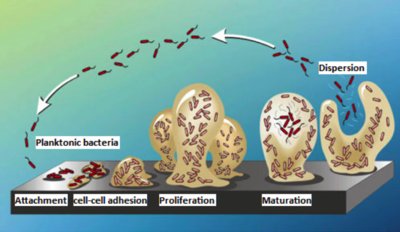
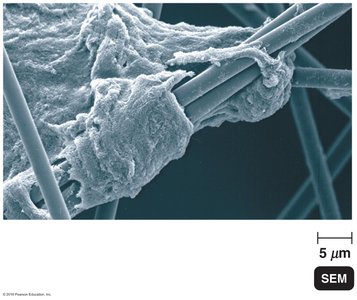
Biofilms are complex microbial communities that adhere to surfaces and are embedded in a self-produced matrix. They begin with attachment of planktonic cells and develop through cell-cell adhesion, proliferation, maturation, and eventual dispersion.
Quorum sensing: Cell-to-cell communication that coordinates biofilm formation.
Protection: Biofilms provide resistance to environmental stresses and antimicrobial agents.
Medical relevance: Biofilms are involved in 70% of infections and are highly resistant to microbicides.

Culture Media and Laboratory Techniques
Types of Culture Media
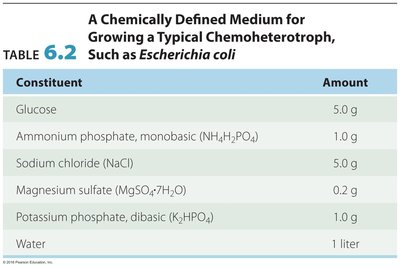
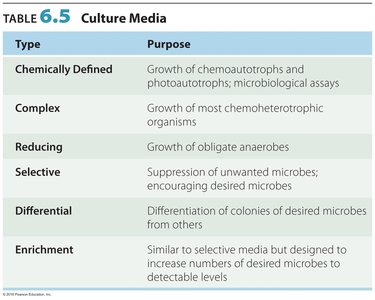
Culture media provide nutrients for microbial growth. They are classified based on composition and purpose:
Type | Purpose |
|---|---|
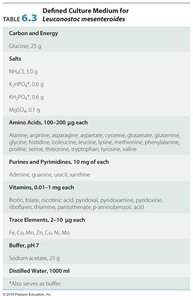
Chemically Defined | Exact chemical composition known; used for fastidious organisms and research |
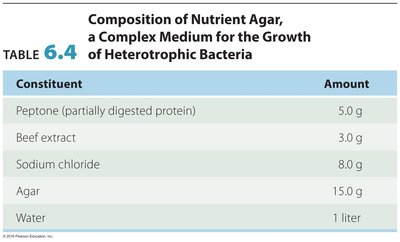
Complex | Contains extracts/digests; composition varies; supports most heterotrophs |
Reducing | Removes O2; used for obligate anaerobes |
Selective | Suppresses unwanted microbes, encourages desired ones |
Differential | Distinguishes colonies of different microbes |
Enrichment | Increases numbers of desired microbes to detectable levels |
Special Culture Techniques
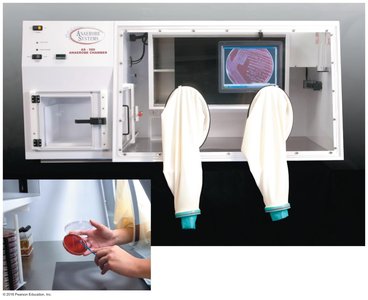
Anaerobic techniques: Use reducing media and anaerobic jars/chambers to cultivate obligate anaerobes.

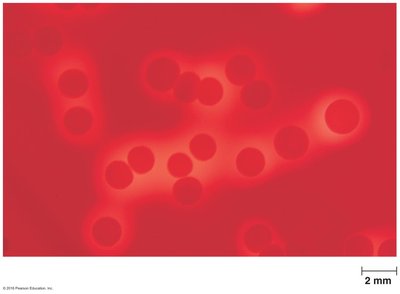
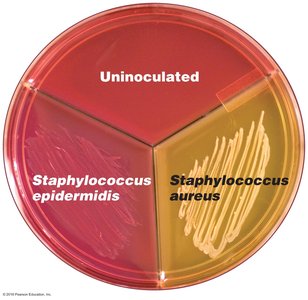
Selective and differential media: Selective media inhibit unwanted microbes; differential media distinguish between species based on colony appearance.
Obtaining Pure Cultures
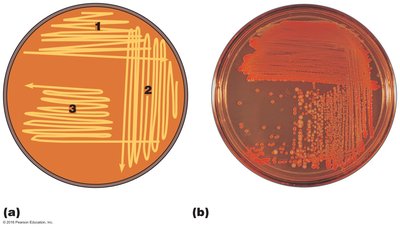
A pure culture contains only one species or strain. Colonies arise from single cells or groups of attached cells (colony-forming units, CFUs). The streak plate method is commonly used to isolate pure cultures.
Preserving Bacterial Cultures
Deep-freezing: –50° to –95°C for long-term storage.
Lyophilization (freeze-drying): Frozen and dehydrated in a vacuum for preservation.
Measurement of Microbial Growth
Direct Measurement Methods
Plate count: Counts colonies (CFUs) on agar plates; requires serial dilution for accuracy.
Filtration: Used for small quantities; bacteria are trapped on a filter and then cultured.
Most Probable Number (MPN): Statistical estimation based on multiple tube tests.
Direct microscopic count: Uses a cell counter to count cells in a defined volume.
Indirect Measurement Methods
Turbidity: Measures cloudiness with a spectrophotometer; proportional to cell number.
Metabolic activity: Measures metabolic products as an indicator of cell number.
Dry weight: Used for filamentous organisms; cells are filtered, dried, and weighed.
Summary Table: Key Terms and Concepts
Term | Definition |
|---|---|
Binary fission | Asexual reproduction in bacteria; one cell divides into two |
Generation time | Time required for a population to double |
Biofilm | Community of microorganisms attached to a surface |
Colony | Population of cells arising from a single cell or group |
CFU | Colony-forming unit; basis for plate counts |
Selective medium | Suppresses unwanted microbes, encourages desired ones |
Differential medium | Distinguishes between different microbes |
Enrichment medium | Favors growth of a particular microbe |
