 Back
BackLec 01: Microbial Life: Foundations, Diversity, and Impact
Study Guide - Smart Notes
 Tailored notes based on your materials, expanded with key definitions, examples, and context.
Microbial Life: Introduction and Major Categories
What is a Microbe?
Microbes, or microorganisms, are tiny living entities that are too small to be seen with the naked eye and require a microscope for observation. They are fundamental to life on Earth, playing roles in health, disease, and environmental processes.
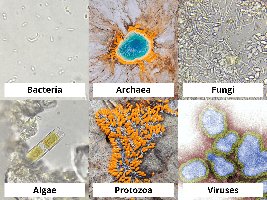
Definition: Microbes include bacteria, archaea, fungi, protozoa, algae, and viruses.
Ubiquity: Microbes are found everywhere—soil, water, air, surfaces, and within living organisms.
Major Categories of Microbes
Microbes are classified into several major groups based on their cellular structure and function.
Bacteria: Single-celled prokaryotes with a cell wall, some beneficial and others pathogenic.
Archaea: Single-celled prokaryotes, often extremophiles, with unique cell wall composition.
Fungi: Single-celled or multicellular eukaryotes, cell walls contain chitin; includes yeasts, molds, and mushrooms.
Algae: Photosynthetic eukaryotes, often microscopic, lacking true roots, stems, and leaves.
Protozoa: Single-celled eukaryotes, motile via pseudopods, cilia, or flagella; some are pathogenic.
Viruses: Non-cellular entities, composed of genetic material and a protein coat, replicate only inside host cells.
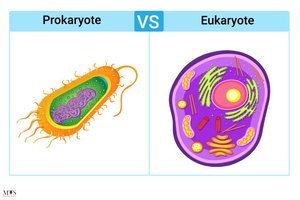
Cellular Classification: Prokaryotes vs. Eukaryotes
Prokaryotes
Prokaryotes are organisms whose genetic material is not enclosed within a membrane-bound nucleus. This group includes bacteria and archaea.
Key Features: Lack of nucleus, simple cell structure, presence of cell wall.
Bacteria vs. Archaea: Differ in cell wall composition and environmental adaptations.
Eukaryotes
Eukaryotes possess a membrane-bound nucleus and complex organelles. This group includes fungi, algae, and protozoa.
Key Features: Presence of nucleus, complex cell structure, various organelles.
Microbial Diversity and Examples
Bacteria
Bacteria are diverse, single-celled prokaryotes. Their cell wall protects and shapes the cell.
Roles: Gut health, fermentation, pathogenesis.
Example: Sourdough bread fermentation involves beneficial bacteria.

Archaea
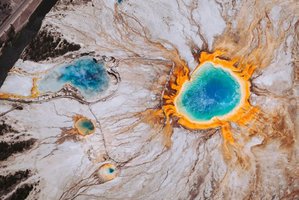
Archaea are prokaryotes distinct from bacteria, often thriving in extreme environments (extremophiles).
Unique Features: Cell wall composition, survival in high temperature, salinity, or acidity.
Pathogenicity: No known human pathogens.
Fungi
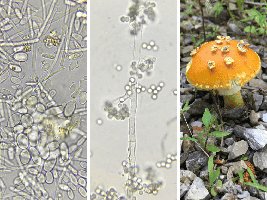
Fungi can be single-celled (yeasts) or multicellular (molds, mushrooms). Their cell walls contain chitin.
Roles: Decay, fermentation, symbiosis.
Types: Yeasts, molds, mushrooms.
Algae
Algae are photosynthetic eukaryotes, often microscopic, and lack true plant structures.
Roles: Primary producers in aquatic environments.
Note: Cyanobacteria (blue-green algae) are prokaryotes, not true algae.
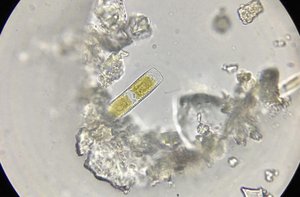
Protozoa
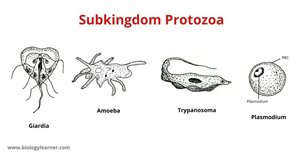
Protozoa are single-celled eukaryotes, motile, and some are pathogenic.
Movement: Pseudopods, cilia, flagella.
Examples: Amoebas, Plasmodium (malaria).
Viruses
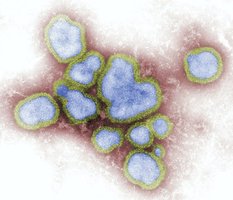
Viruses are non-cellular, consisting of genetic material and a protein coat.
Replication: Only inside host cells.
Classification: Not prokaryotes or eukaryotes.
Microbial Communities and Their Impact
Microbial Communities
A microbial community is a group of microorganisms living and interacting in the same environment. These communities are essential for ecosystem function and health.
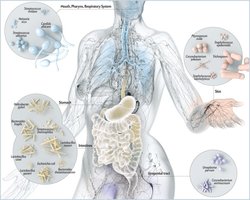
Human Microbiome: Bacteria, archaea, fungi, and viruses in/on the body, crucial for immunity and metabolism.
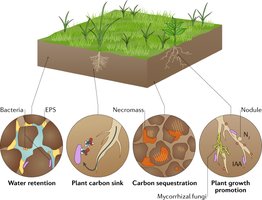
Soil Microbiome: Drives nutrient cycling and plant health.
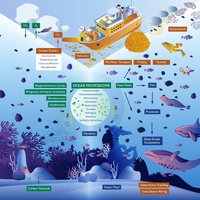
Marine Microbiome: Influences global cycles in oceans.
Fermented Foods: Communities of bacteria, yeasts, and molds create products like yogurt, cheese, and bread.

Microbes and Human History
Impact of Pathogens
Pathogens have shaped human history by causing mass deaths, changing demographics, and influencing military and social outcomes.
Major Epidemics: Black Death, smallpox, influenza, cholera.
Colonization: Pathogens introduced to new populations caused devastating mortality.
Microbiome: Essential for nutrition, immunity, and health.
Key Discoveries in Microbiology
Discovery of Microorganisms
Antonie van Leeuwenhoek first observed microorganisms in the 17th century, opening the world of microbiology. 
Refutation of Spontaneous Generation
Louis Pasteur’s experiments disproved spontaneous generation, showing microbes in the air cause decay and fermentation, laying the foundation for germ theory. 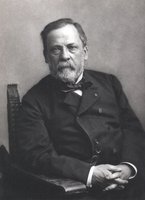
Germ Theory and Koch’s Postulates
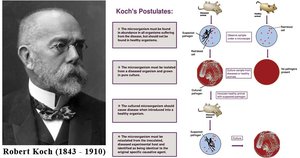
Pasteur and Robert Koch developed the germ theory, linking specific microbes to specific diseases. Koch’s postulates provide criteria to prove causation.
Koch’s Postulates: Framework for linking a microbe to a disease.
Environmental Roles of Microbes
Nutrient Cycling and Ecosystem Engineering
Microbes drive nutrient cycling, decomposition, and soil formation.
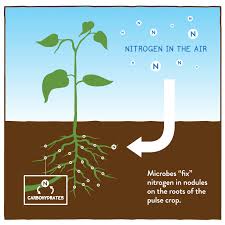
Nitrogen Fixation: Conversion of atmospheric nitrogen to plant-usable forms.
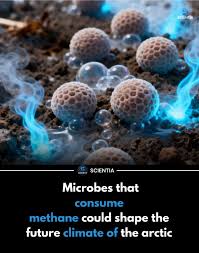
Gas Exchange: Regulation of greenhouse gases (methane, nitrous oxide).
Soil Engineering: Building soil structure and carbon storage.
Bioremediation
Microbes are used to clean up pollution, including oil spills, by breaking down contaminants into safer products. 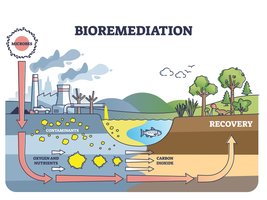
Genomic Basis of Microbial Phylogeny
DNA Comparison and Phylogenetic Analysis
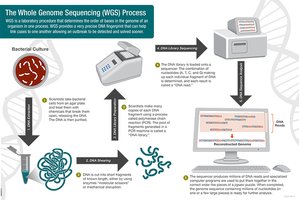
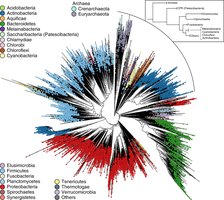
Microbial relationships are determined by comparing DNA, especially the 16S rRNA gene and whole genomes.
16S rRNA Gene: Acts as a genetic barcode for bacteria and archaea.
Whole Genome Sequencing: Provides detailed phylogenetic resolution.
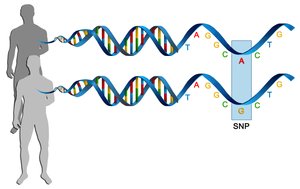
SNPs: Single nucleotide polymorphisms help track relatedness and outbreaks.
Core Gene Analysis: Comparing shared genes for accurate family trees.
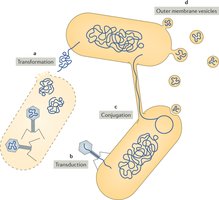
Horizontal Gene Transfer: Genes can be swapped between microbes, creating complex evolutionary relationships.
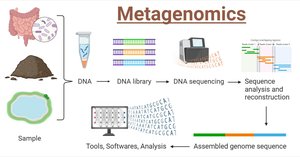
Metagenomics: Sequencing DNA from environmental samples reveals unculturable microbial diversity.
Advances in Cell and Molecular Biology
Expansion of the Microbial Tree of Life
16S rRNA sequencing and culture-independent methods have revealed vast microbial diversity and the existence of Archaea as a separate domain. 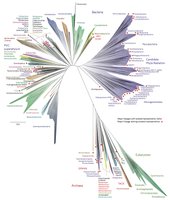
Understanding Microbial Communities (Microbiomes)
Metagenomics and multi-omics approaches allow the study of entire microbial communities and their functions.
Advanced Diagnostics and Functional Insights
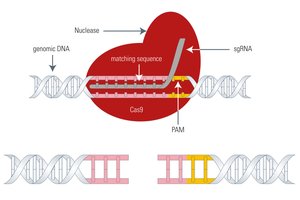
New tools like PCR, DNA sequencing, and CRISPR-based tests enable rapid and accurate disease detection, identification of antibiotic resistance, and discovery of new virus strains. 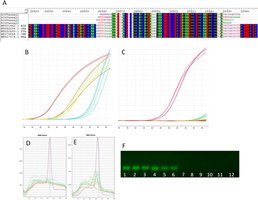
Microscopy and Visualization
Improved microscopes and fluorescent labeling techniques allow detailed visualization of microbes and their interactions. 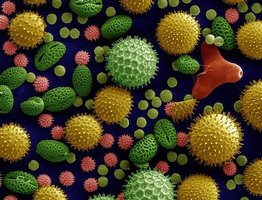
Summary Table: Major Microbial Groups
Group | Cell Type | Key Features | Example |
|---|---|---|---|
Bacteria | Prokaryote | Cell wall, no nucleus | Gut bacteria |
Archaea | Prokaryote | Unique cell wall, extremophiles | Thermophiles |
Fungi | Eukaryote | Chitin cell wall, single/multicellular | Yeast, mushrooms |
Algae | Eukaryote | Photosynthetic, aquatic | Microalgae |
Protozoa | Eukaryote | Motile, single-celled | Amoeba |
Viruses | Non-cellular | DNA/RNA, protein coat | Influenza virus |
Key Equations and Concepts
Nitrogen Fixation
Equation:
Application: Essential for plant growth and ecosystem productivity.
Genomic Comparison
SNP Analysis:
Phylogenetic Tree Construction: Based on sequence similarity and core gene analysis.
CRISPR-Cas9 Mechanism
Equation:
Conclusion
Microbes are diverse, omnipresent, and essential to life, health, and the environment. Advances in cell and molecular biology, genomics, and environmental microbiology have revolutionized our understanding, revealing microbes as key players in medicine, ecology, and biotechnology. Additional info: Expanded explanations and context were added to ensure completeness and academic quality.
