 Back
BackMicrobial Mechanisms of Pathogenicity
Study Guide - Smart Notes
 Tailored notes based on your materials, expanded with key definitions, examples, and context.
Microbial Mechanisms of Pathogenicity
Introduction to Pathogenicity and Virulence
Pathogenicity refers to the ability of a microorganism to cause disease, while virulence describes the degree or extent of pathogenicity. Understanding these concepts is fundamental to microbiology, as they explain how and why certain microbes cause disease in hosts.
Pathogenicity: The capacity of a microbe to cause disease in a host organism.
Virulence: The relative ability of a pathogen to infect or damage a host.
Portals of Entry
Major Routes of Entry
Microorganisms can enter the human body through several portals, each providing a unique environment for infection. The preferred portal of entry often determines the outcome of infection.
Mucous membranes: Lining the respiratory, gastrointestinal, and genitourinary tracts.
Skin: Usually impenetrable, but some microbes can enter through cuts or hair follicles.
Parenteral route: Direct deposition beneath the skin or mucous membranes (e.g., punctures, injections).
Preferred portal of entry: Some pathogens cause disease only if they enter through a specific route.
Numbers of Invading Microbes
The likelihood of disease depends on the number of invading microbes. Two important measures are ID50 and LD50:
ID50 (Infectious Dose 50): The number of microbes required to infect 50% of a test population.
LD50 (Lethal Dose 50): The amount of a toxin (or number of organisms) required to kill 50% of a test population.
Portal of Entry | ID50 (Bacillus anthracis) |
|---|---|
Skin | 10–50 endospores |
Inhalation | 10,000–20,000 endospores |
Ingestion | 250,000–1,000,000 endospores |
Toxin | LD50 |
|---|---|
Botulinum | 0.03 ng/kg |
Shiga toxin | 250 ng/kg |
Staphylococcal enterotoxin | 1350 ng/kg |
Adherence to Host Tissues
Mechanisms of Adherence
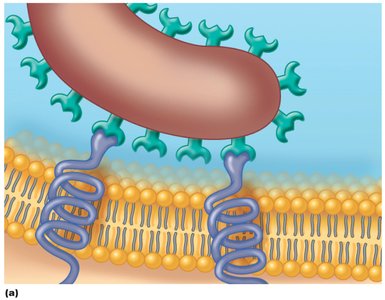
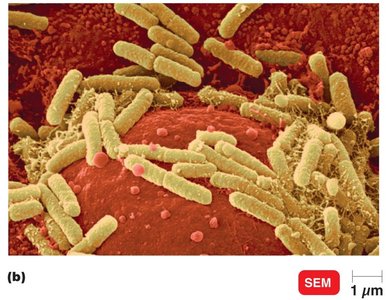
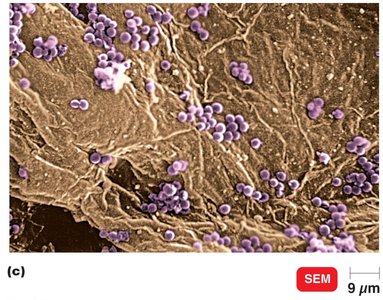
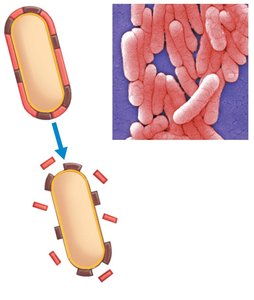
For infection to occur, pathogens must adhere to host tissues. This is mediated by surface molecules called adhesins or ligands, which bind specifically to complementary receptors on host cells.
Adhesins/ligands: Surface molecules on pathogens that bind to host cell receptors.
Examples:
Glycocalyx (e.g., Streptococcus mutans)
Fimbriae (e.g., Escherichia coli)
M protein (e.g., Streptococcus pyogenes)
Biofilms: Communities of microbes that adhere to surfaces and each other (e.g., dental plaque, algae on swimming pools).
Penetration of Host Defenses
Capsules
Some bacteria produce capsules that help them evade the host immune system by preventing phagocytosis.
Examples: Streptococcus pneumoniae, Haemophilus influenzae, Bacillus anthracis
Mechanism: Capsules impair phagocytosis by host immune cells.
Cell Wall Components
M protein: Resists phagocytosis (Streptococcus pyogenes).
Opa protein: Inhibits T helper cells (Neisseria gonorrhoeae).
Mycolic acid: Waxy lipid that resists digestion (Mycobacterium tuberculosis).
Enzymes
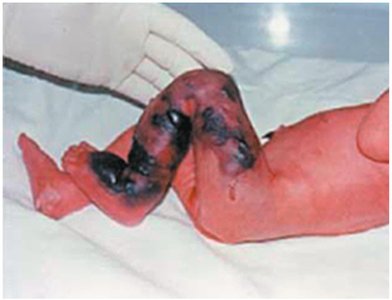
Pathogenic bacteria may secrete enzymes that aid in spreading infection and evading host defenses.
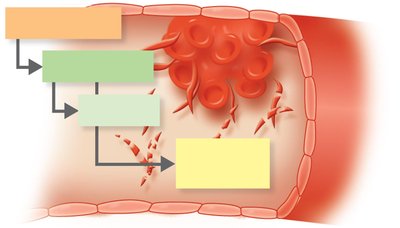
Coagulase: Coagulates fibrinogen, forming clots.
Kinases: Digest fibrin clots (e.g., streptokinase).
Hyaluronidase: Hydrolyzes hyaluronic acid, aiding tissue penetration.
Collagenase: Hydrolyzes collagen, facilitating spread through connective tissue.
IgA proteases: Destroy IgA antibodies, weakening mucosal immunity.
Penetration into the Host Cell Cytoskeleton
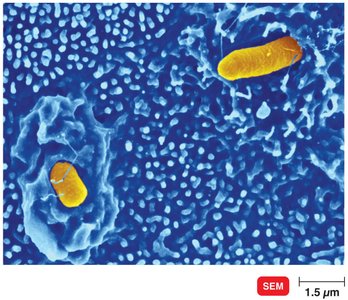
Certain pathogens manipulate the host cell cytoskeleton to enter cells or move between them.
Invasins: Proteins that induce host cell membrane ruffling, allowing entry (e.g., Salmonella).
Actin-based motility: Some bacteria use host actin to move from cell to cell (e.g., Listeria).
Antigenic Variation
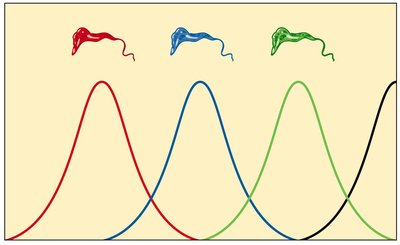
Some pathogens evade the immune system by altering their surface antigens, a process known as antigenic variation.
Example: Trypanosoma brucei (sleeping sickness), Trypanosoma cruzi (Chagas disease).
Mechanism: The pathogen periodically changes its surface proteins, preventing effective immune response.
Toxins and Their Effects
Direct Damage and Toxin Production
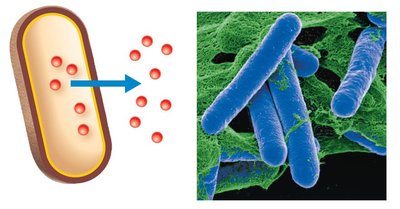
Pathogens can cause disease by directly damaging host cells or by producing toxins. Toxins are substances that contribute to pathogenicity.
Toxigenicity: The ability to produce toxins.
Toxemia: Presence of toxins in the host's blood.
Toxoid: Inactivated toxin used in vaccines.
Antitoxin: Antibodies against a specific toxin.
Exotoxins vs. Endotoxins
There are two main types of bacterial toxins: exotoxins and endotoxins. They differ in source, chemistry, and effects.
Property | Exotoxins | Endotoxins |
|---|---|---|
Source | Mostly Gram-positive bacteria | Gram-negative bacteria |
Relation to Microbe | By-products of growing cell | Outer membrane |
Chemistry | Protein | Lipid A (part of LPS) |
Fever? | No | Yes |
Neutralized by Antitoxin? | Yes | No |
LD50 | Small | Relatively large |
Mechanism of A-B Exotoxins
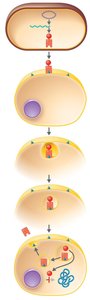
A-B exotoxins are composed of two parts: the A (active) component and the B (binding) component. The B component binds to the host cell, and the A component exerts the toxic effect, often by inhibiting protein synthesis.
Membrane-Disrupting Toxins
These toxins lyse host cells by disrupting the plasma membrane, either by forming protein channels or by disrupting the phospholipid bilayer.
Leukocidins: Destroy white blood cells.
Hemolysins: Destroy red blood cells.
Streptolysins: Produced by streptococci, lyse various cells.
Superantigens
Superantigens cause an intense immune response by stimulating excessive cytokine release from host cells, leading to symptoms such as fever, nausea, vomiting, diarrhea, shock, and death.
Exotoxins and Lysogenic Conversion
Some exotoxins are encoded by genes acquired through lysogenic conversion (integration of bacteriophage DNA into the bacterial genome).
Corynebacterium diphtheriae: A-B toxin (diphtheria toxin)
Streptococcus pyogenes: Membrane-disrupting erythrogenic toxin
Clostridium botulinum: A-B neurotoxin
Vibrio cholerae: A-B enterotoxin
Staphylococcus aureus: Superantigen
Endotoxins and the Pyrogenic Response
Endotoxins, specifically lipid A from Gram-negative bacteria, can trigger fever (pyrogenic response) by inducing macrophages to release cytokines such as IL-1 and TNF-α, which act on the hypothalamus to raise body temperature.

Portals of Exit
Major Routes of Exit
Pathogens leave the host through specific portals of exit, which often correspond to the portals of entry. This is essential for the transmission of infectious diseases.
Respiratory tract: Coughing and sneezing
Gastrointestinal tract: Feces and saliva
Genitourinary tract: Urine and vaginal secretions
Skin
Blood: Via arthropod bites, needles, or syringes
