 Back
BackMicrobial Mechanisms of Pathogenicity: How Microorganisms Cause Disease
Study Guide - Smart Notes
 Tailored notes based on your materials, expanded with key definitions, examples, and context.
Microbial Mechanisms of Pathogenicity
Introduction
This chapter explores the strategies used by microorganisms to cause disease in their hosts. It covers portals of entry, mechanisms of adherence, evasion of host defenses, and the ways pathogens damage host cells. Understanding these mechanisms is crucial for microbiology students to grasp how infections develop and how they can be prevented or treated.
How Microorganisms Enter a Host
Portals of Entry
Pathogens must enter the host through specific portals to initiate infection. The main portals of entry include:
Mucous membranes: Lining the respiratory, gastrointestinal, and genitourinary tracts. The respiratory tract is the most common portal (e.g., influenza, pneumonia).
Skin: Although unbroken skin is a strong barrier, some microbes can enter through hair follicles or sweat gland ducts (e.g., trachoma, conjunctivitis).
Parenteral route: Microbes are deposited directly into tissues beneath the skin or mucous membranes via bites, cuts, or injections (e.g., HIV, hepatitis viruses, tetanus).
Pathogenicity and Virulence
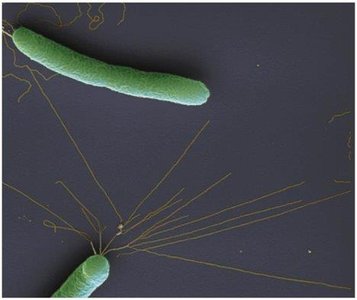
Pathogenicity: The ability of a microorganism to cause disease by overcoming host defenses.
Virulence: The degree of pathogenicity, often measured by the number of organisms or amount of toxin required to cause disease.
ID50 and LD50
ID50: Infectious dose for 50% of the test population; measures the number of microbes needed to cause infection in half of the hosts.
LD50: Lethal dose for 50% of the test population; measures the amount of toxin required to kill half of the hosts.
For example, the LD50 for botulinum toxin is 0.03 ng/kg, indicating extreme potency.
Adherence to Host Tissues
Mechanisms of Adherence
Adherence is a critical step in infection. Pathogens use surface molecules called adhesins (or ligands) to bind specifically to complementary receptors on host cells. These adhesins are often located on the glycocalyx or fimbriae of bacteria.
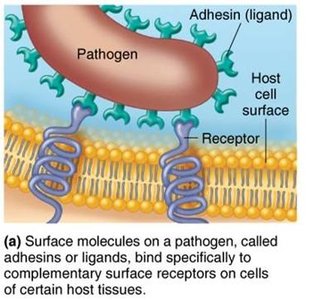
If adhesins or host receptors are altered, infection can often be prevented.
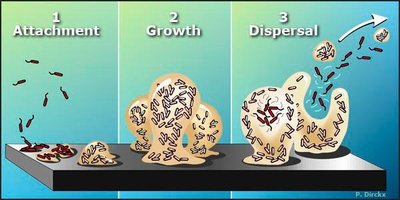
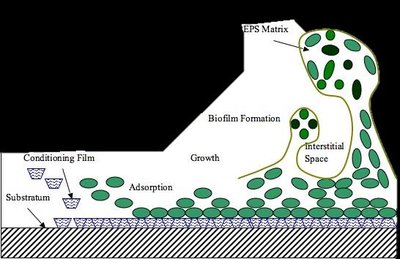
Microbes can form biofilms, which are communities of microorganisms attached to a surface and encased in a protective matrix. Biofilms enhance adherence and resistance to host defenses.
How Pathogens Penetrate Host Defenses
Capsules and Cell Wall Components
Capsules: Glycocalyx layers that protect bacteria from phagocytosis (e.g., Streptococcus pneumoniae).
M protein: Found on Streptococcus pyogenes, resists phagocytosis.
Opa protein: Allows Neisseria gonorrhoeae to attach to host cells.
Mycolic acid: Waxy lipid in Mycobacterium tuberculosis cell wall, resists digestion.
Enzymes as Virulence Factors
Coagulases: Clot fibrinogen in blood, protecting bacteria from immune cells.
Kinases: Digest fibrin clots, allowing spread of infection.
Hyaluronidase: Digests polysaccharides holding cells together, facilitating tissue invasion.
Collagenase: Breaks down collagen in connective tissue.
IgA proteases: Destroy IgA antibodies, aiding in immune evasion.
Antigenic Variation
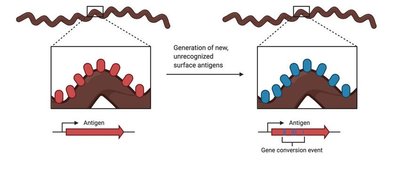
Some pathogens can alter their surface antigens, rendering host antibodies ineffective. This process, called antigenic variation, allows pathogens to evade the immune response.
Penetration into Host Cells
Invasins: Surface proteins that rearrange actin filaments in host cells, causing membrane ruffling and facilitating entry (e.g., Salmonella).
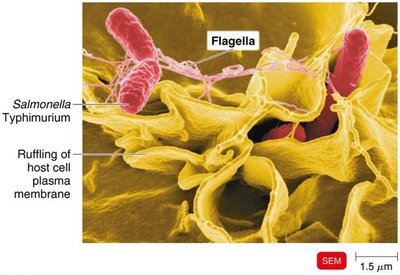
Some bacteria use actin to move between cells (e.g., Shigella, Listeria).
Biofilms also help bacteria evade phagocytosis by shielding them with an extracellular polymeric substance (EPS).
How Bacterial Pathogens Damage Host Cells
Mechanisms of Damage
Pathogens can damage host cells in four main ways:
Using host nutrients (e.g., iron via siderophores)
Direct damage to host cells
Producing toxins (exotoxins and endotoxins)
Inducing hypersensitive reactions
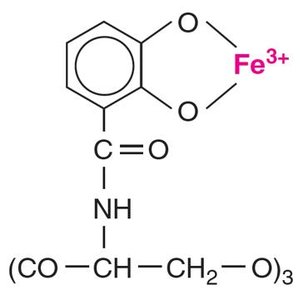
Siderophores
Bacteria secrete siderophores to scavenge iron from the host, which is essential for their growth. Siderophores bind iron more tightly than host proteins and transport it back to the bacteria.
Direct Damage
Pathogens disrupt host cell function, use nutrients, produce waste products, and may cause cell rupture by multiplying inside cells.
Toxins
Toxins: Poisonous substances produced by microorganisms that can cause fever, shock, diarrhea, and other symptoms.
Toxigenicity: The ability to produce toxins.
Toxemia: Presence of toxins in the blood.
Intoxications: Disease caused by toxins without microbial growth in the host.
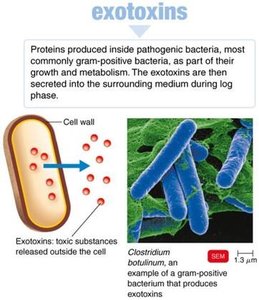
Exotoxins
Proteins secreted by bacteria, mostly Gram-positive, that are highly toxic and specific in their action.
Genes for exotoxins are often carried on plasmids.
Exotoxins can be neutralized by antitoxins (antibodies) or inactivated to form toxoids for vaccines.
Types of Exotoxins
A-B toxins: Consist of an active (A) component and a binding (B) component. Example: diphtheria toxin.
Membrane-disrupting toxins: Cause cell lysis by disrupting plasma membranes (e.g., hemolysins, leukocidins).
Superantigens: Trigger excessive immune responses, leading to fever, shock, and sometimes death.
Genotoxins: Damage DNA, potentially leading to mutations and cancer.
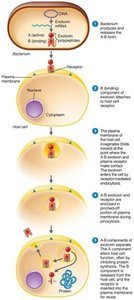
Table: Diseases Caused by Exotoxins
Disease | Bacterium | Type of Exotoxin | Mechanism |
|---|---|---|---|
Botulism | Clostridium botulinum | A-B | Neurotoxin prevents nerve impulse transmission; flaccid paralysis. |
Tetanus | Clostridium tetani | A-B | Blocks nerve impulses to muscle relaxation pathway; muscle contractions. |
Diphtheria | Corynebacterium diphtheriae | A-B | Inhibits protein synthesis in nerve, heart, and kidney cells. |
Scalded skin syndrome | Staphylococcus aureus | A-B | Causes skin layers to separate and slough off. |
Toxic shock syndrome | S. aureus | Superantigen | Causes secretion of fluids and electrolytes, lowering blood pressure. |
Traveler’s diarrhea | Escherichia coli, Shigella spp. | A-B | Causes secretion of fluids and electrolytes, resulting in diarrhea. |
Endotoxins
Lipid A component of lipopolysaccharide (LPS) in the outer membrane of Gram-negative bacteria.
Released during bacterial multiplication or cell death.
Cause general symptoms: fever, weakness, shock, and sometimes death.
Detected by the Limulus amebocyte lysate (LAL) assay.
Table: Comparison of Exotoxins and Endotoxins
Property | Exotoxins | Endotoxins |
|---|---|---|
Chemistry | Proteins (A-B type) | Lipid A of LPS |
Source | Gram-positive and Gram-negative bacteria | Gram-negative bacteria |
Heat Stability | Unstable (destroyed at 60–80°C) | Stable (withstands autoclaving) |
Toxicity | High | Low |
Fever-Producing | No | Yes |
Immunology | Can be neutralized by antitoxin | Not easily neutralized |
Lethal Dose | Small | Large |
Representative Diseases | Tetanus, botulism, diphtheria | Typhoid fever, meningococcal meningitis |
Plasmids, Lysogeny, and Pathogenicity
Plasmids: May carry genes for toxins, antibiotic resistance, and enzymes.
Lysogenic conversion: Incorporation of a prophage can change bacterial characteristics, sometimes making harmless bacteria pathogenic.
Pathogenic Properties of Viruses, Fungi, Protozoa, Helminths, and Algae
Pathogenic Properties of Viruses
Viruses cause cytopathic effects (CPE) such as stopping cell synthesis, causing cell lysis, forming inclusion bodies, and inducing chromosomal changes.
Some viruses cause cells to fuse into a syncytium or lose contact inhibition, leading to cancer.
Alpha and beta interferons produced by infected cells protect neighboring cells by inhibiting viral protein synthesis and inducing apoptosis.
Pathogenic Properties of Fungi
Fungi may produce toxic metabolic products (e.g., aflatoxin, ergot alkaloids) and provoke allergic responses.
Some produce proteases or capsules to evade host defenses.
Pathogenic Properties of Protozoa
Protozoa cause disease by growing in host tissues, producing waste products, and evading defenses via antigenic variation or by growing inside phagocytes.
Pathogenic Properties of Helminths
Helminths use host tissues for growth, produce large masses, and release waste products that cause symptoms.
Pathogenic Properties of Algae
Some algae produce neurotoxins (e.g., saxitoxin) that cause paralytic shellfish poisoning.
Portals of Exit
Major Portals of Exit
Pathogens leave the host through specific portals, which are often the same as the portals of entry:
Respiratory tract: Coughing and sneezing
Gastrointestinal tract: Feces and saliva
Genitourinary tract: Urine and genital secretions
Skin
Blood: Via biting arthropods or contaminated needles
Additional info: This summary integrates and expands upon the provided lecture slides, including definitions, examples, and tables for clarity. All images included are directly relevant to the adjacent explanations and reinforce key concepts in microbial pathogenicity.
