 Back
Back5 Microbial Metabolism: An Overview of Catabolism, Anabolism, and Enzyme Function
Study Guide - Smart Notes
 Tailored notes based on your materials, expanded with key definitions, examples, and context.
Microbial Metabolism
Introduction to Metabolism
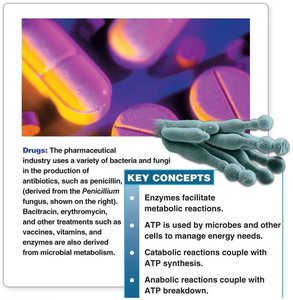
Metabolism encompasses all the chemical reactions that occur within a cell, enabling the buildup and breakdown of nutrients. These reactions provide energy and generate substances essential for sustaining life. Microbial metabolism is not only responsible for disease and food spoilage but also underpins many beneficial processes, including the production of antibiotics and industrial chemicals.
Catabolism and Anabolism
Definitions and Differences
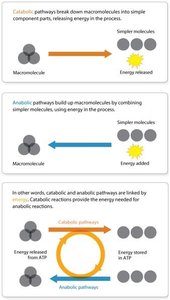
Catabolism refers to the breakdown of complex molecules into simpler ones, releasing energy in the process. Anabolism is the synthesis of complex molecules from simpler ones, requiring an input of energy. These two types of reactions are interconnected and together constitute cellular metabolism.
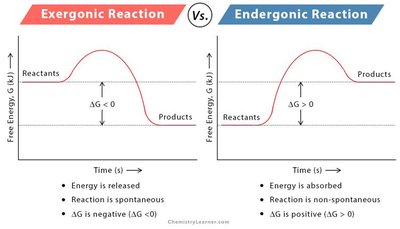
Catabolic reactions: Exergonic (release energy), provide building blocks for anabolic reactions.
Anabolic reactions: Endergonic (require energy), use building blocks and energy to synthesize macromolecules.
The Role of ATP in Metabolism
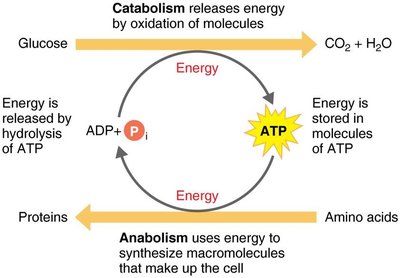
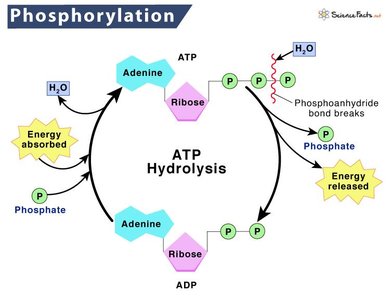
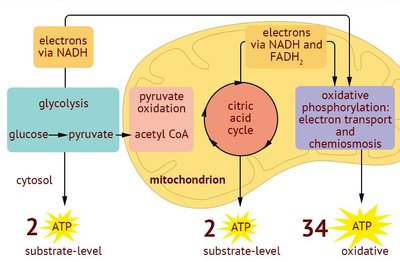
Adenosine triphosphate (ATP) acts as the energy currency of the cell, linking catabolic and anabolic reactions. Energy released from catabolic reactions is stored in ATP, which is then used to drive anabolic reactions.
ATP is generated by the phosphorylation of ADP (adenosine diphosphate).
ATP hydrolysis releases energy that can be used for cellular work (mechanical, transport, and chemical).

Metabolic Pathways and Enzymes
Metabolic Pathways
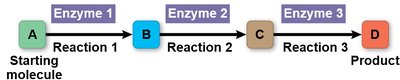
Metabolic pathways are sequences of enzymatically catalyzed chemical reactions within a cell. Each step is facilitated by a specific enzyme, and the pathway is determined by the cell's genetic makeup.
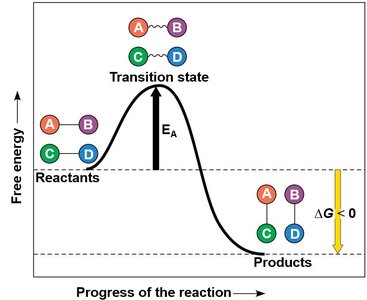
Enzymes are biological catalysts that speed up reactions without being consumed.
Enzymes lower the activation energy required for reactions to proceed.
Enzyme Structure and Function
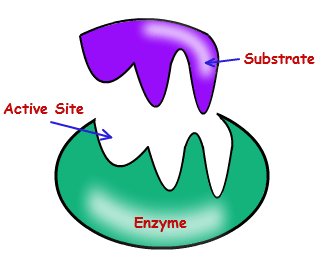
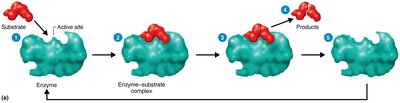
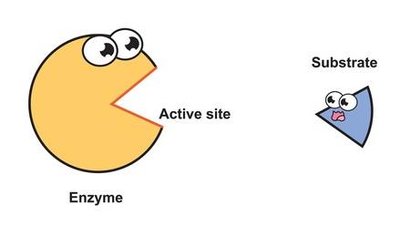
Enzymes are proteins with a specific three-dimensional structure, including an active site where the substrate binds. The enzyme-substrate complex facilitates the transformation of substrates into products.
Active site: Region on the enzyme where the substrate binds.
Specificity: Each enzyme acts on a specific substrate.
Turnover number: Number of substrate molecules converted per second (typically 1–10,000, but can be higher).
Enzyme Components
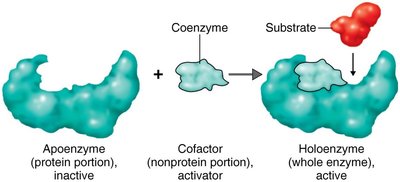
Enzymes may require non-protein helpers called cofactors to function. The protein portion alone is called an apoenzyme (inactive), while the active form, including the cofactor, is called a holoenzyme.
Cofactor: Non-protein component (e.g., metal ions, NAD+, FAD).
Coenzyme: Organic cofactor (often derived from vitamins).
Factors Influencing Enzyme Activity
Environmental Effects
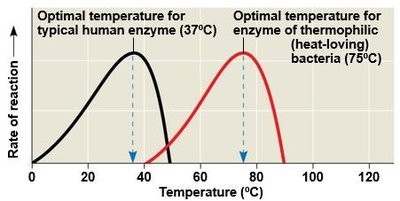
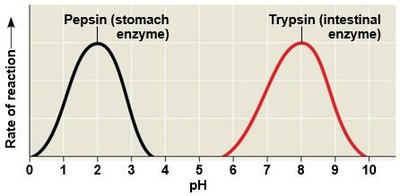
Enzyme activity is influenced by several factors, including temperature, pH, and substrate concentration. Each enzyme has optimal conditions under which it functions most efficiently.
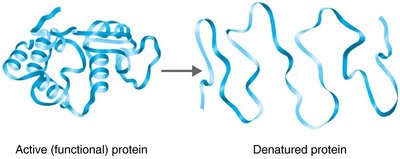
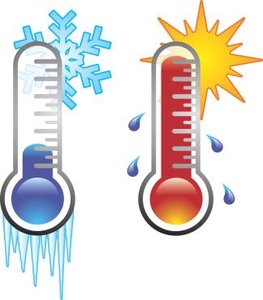
Temperature: High temperatures can denature enzymes, while low temperatures slow reaction rates.
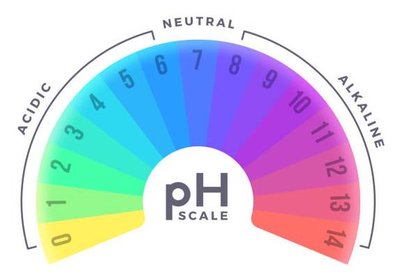
pH: Extreme pH values can denature enzymes; each enzyme has an optimal pH.
Substrate concentration: Increasing substrate increases reaction rate until the enzyme is saturated.
Enzyme Inhibition
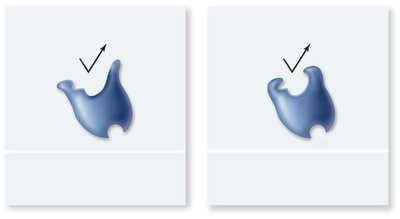
Enzyme inhibitors are substances that decrease enzyme activity. There are two main types:
Competitive inhibitors: Compete with the substrate for the active site.
Noncompetitive inhibitors: Bind to a different site, causing a conformational change that reduces enzyme activity.
Feedback Inhibition
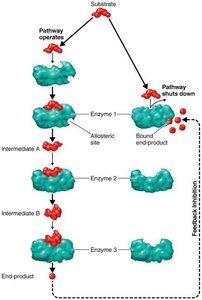
Feedback inhibition is a regulatory mechanism where the end product of a metabolic pathway inhibits an enzyme involved earlier in the pathway, preventing overproduction of the product.
Ribozymes
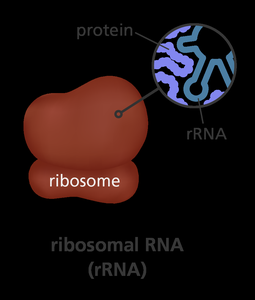
Ribozymes are RNA molecules with catalytic activity, capable of binding substrates and catalyzing specific biochemical reactions, such as RNA splicing and protein synthesis.
Energy Production and Redox Reactions
Oxidation-Reduction (Redox) Reactions
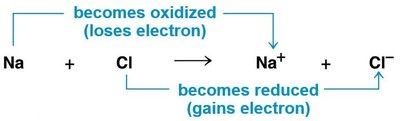
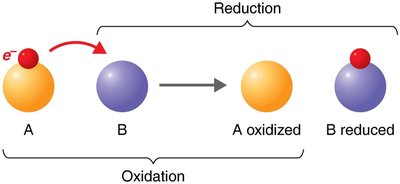
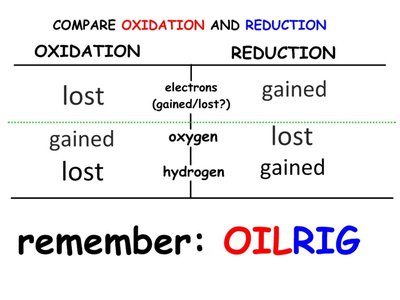
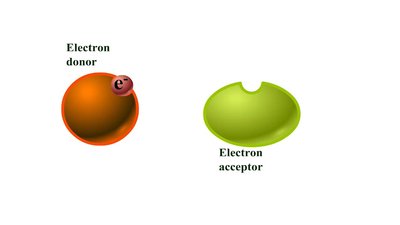
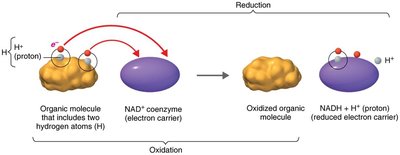
Redox reactions involve the transfer of electrons from one molecule to another, releasing energy that is used to synthesize ATP. Oxidation is the loss of electrons (and usually hydrogen), while reduction is the gain of electrons.
OIL RIG: Oxidation Is Loss, Reduction Is Gain (of electrons).

Summary Table: Catabolism vs. Anabolism
Feature | Catabolism | Anabolism |
|---|---|---|
Energy | Releases energy (exergonic) | Requires energy (endergonic) |
Function | Breaks down molecules | Builds up molecules |
ATP | Generates ATP | Uses ATP |
Example | Glycolysis, Krebs cycle | Protein synthesis, DNA replication |
Conclusion
Microbial metabolism is a complex network of catabolic and anabolic pathways, tightly regulated by enzymes and energy transfer molecules such as ATP. Understanding these processes is fundamental to microbiology, biotechnology, and medicine.
