 Back
BackMicrobial Metabolism: Electron Flow and Energy Production
Study Guide - Smart Notes
 Tailored notes based on your materials, expanded with key definitions, examples, and context.
Metabolism: Overview and Key Concepts
Definition and Types of Metabolism
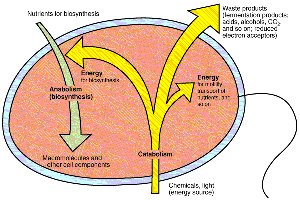
Metabolism is the sum of all chemical reactions occurring within a cell, divided into two main categories: catabolism and anabolism. Catabolic reactions break down molecules to release energy, while anabolic reactions use energy to build cellular components.
Catabolism: Energy-producing processes that degrade organic or inorganic compounds, or use light, to generate energy for cellular activities. Waste products such as acids, alcohols, gases, and reduced electron acceptors are produced.
Anabolism: Biosynthetic, energy-consuming processes that use nutrients and energy to synthesize macromolecules and other cell components.
Redox Reactions in Microbial Metabolism
Oxidation-Reduction (Redox) Reactions
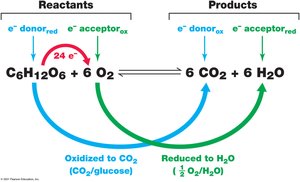
Redox reactions are fundamental to energy production in cells. Oxidation is the loss of electrons, while reduction is the gain of electrons. These reactions are always coupled: an electron donor transfers electrons to an electron acceptor, resulting in the donor being oxidized and the acceptor being reduced.
Electron donor: The molecule that loses electrons (is oxidized).
Electron acceptor: The molecule that gains electrons (is reduced).
Electron Carriers and NAD+/NADH
Role of Electron Carriers
Electron carriers facilitate the transfer of electrons from donors to acceptors. They can be membrane-bound (e.g., cytochromes) or freely diffusible coenzymes (e.g., NAD+/NADH).
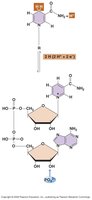
NAD+ (Nicotinamide adenine dinucleotide): A key electron carrier that cycles between oxidized (NAD+) and reduced (NADH) forms.
NADH: The reduced form, which carries electrons to the electron transport chain or other acceptors.
NAD+/NADH Cycling
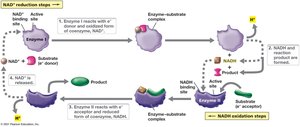
NAD+ accepts electrons during catabolic reactions, becoming NADH. NADH can then donate electrons in other reactions, regenerating NAD+ and allowing the cycle to continue. This cycling is essential for maintaining redox balance in the cell.
Energy Storage and ATP Production
Short-Term and Long-Term Energy Storage
Cells store energy in various forms to ensure a constant supply for cellular processes.
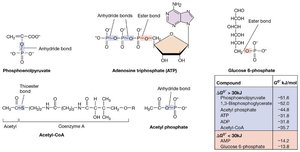
Short-term energy storage: Adenosine triphosphate (ATP) and derivatives of coenzyme A (thioester bonds).
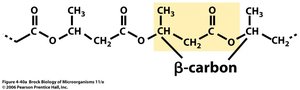
Long-term energy storage: Glycogen, poly-β-hydroxybutyrate, and elemental sulfur.
ATP Synthesis: Types of Phosphorylation
ATP is synthesized by three main mechanisms:
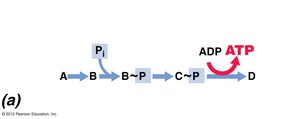
Substrate-level phosphorylation: A phosphate group is transferred from a high-energy substrate directly to ADP, forming ATP.
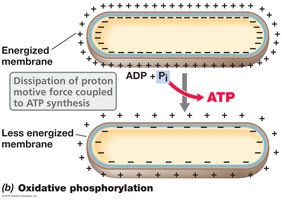
Oxidative phosphorylation: ATP is produced by ATP synthase using energy from a proton motive force generated by electron transport chains.
Photophosphorylation: Light energy drives the formation of ATP via a proton motive force in phototrophic organisms.
Glycolysis and Fermentation
Glycolysis: Pathway and Key Steps
Glycolysis is the central pathway for glucose catabolism, occurring in the cytoplasm. It converts one glucose molecule into two pyruvate molecules, generating ATP and NADH.
Net yield: 2 ATP and 2 NADH per glucose.
Key steps: Substrate-level phosphorylation occurs at steps 7 and 10; NAD+ is reduced to NADH at step 6.
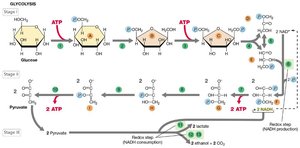
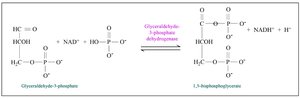
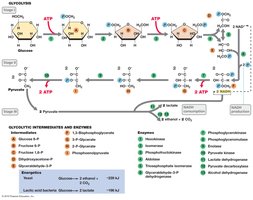
Fermentation
Fermentation is an anaerobic process where organic compounds serve as both electron donors and acceptors. ATP is generated solely by substrate-level phosphorylation, and fermentation products (e.g., acids, alcohols, gases) are excreted.
Homolactic fermentation: Produces lactic acid (e.g., Streptococcus, Lactococcus).
Alcohol fermentation: Produces ethanol and CO2 (e.g., yeast).
Heterolactic fermentation: Produces lactic acid, ethanol, and CO2 (e.g., Leuconostoc).
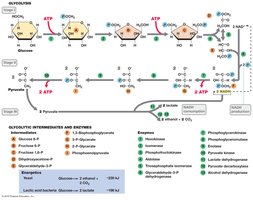
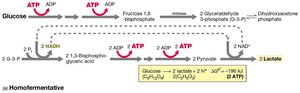
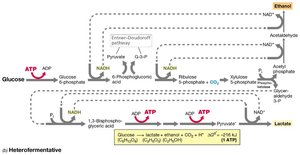
Common Fermentation Types
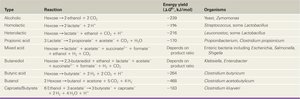
Fermentation pathways vary among microorganisms, producing different end products and energy yields.
Type | Reaction | Energy Yield (kJ/mol) | Organisms |
|---|---|---|---|
Alcoholic | Glucose → 2 ethanol + 2 CO2 | -218 | Yeast, Zymomonas |
Homolactic | Glucose → 2 lactate | -196 | Lactococcus, Streptococcus |
Heterolactic | Glucose → lactate + ethanol + CO2 + H2 | -119 | Leuconostoc, some Lactobacillus |
Propionic acid | Glucose → propionate + acetate + CO2 + H2 | -254 | Propionibacterium |
Mixed acid | Glucose → ethanol + acetate + formate + CO2 + H2 | -202 | Escherichia, Salmonella, Shigella |
Butyric acid | Glucose → butyrate + acetate + CO2 + H2 | -254 | Clostridium butyricum |
Butanol | Glucose → butanol + acetone + CO2 + H2 | -254 | Clostridium acetobutylicum |
Respiration: Aerobic and Anaerobic
Overview of Respiration
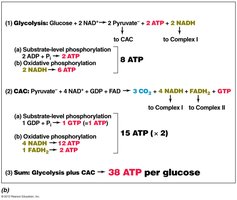
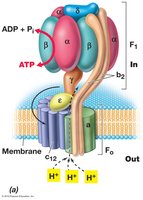
Respiration involves the complete oxidation of substrates (e.g., glucose) to CO2, with electrons transferred to a terminal electron acceptor via an electron transport chain. This process generates a proton motive force used by ATP synthase to produce ATP (oxidative phosphorylation).
Aerobic respiration: Oxygen is the terminal electron acceptor.
Anaerobic respiration: Other inorganic molecules (e.g., nitrate, sulfate) serve as terminal electron acceptors.
Electron Transport Chain (ETC)
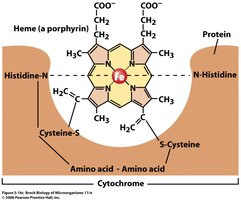
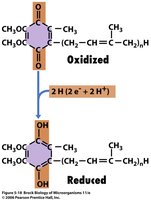
The ETC consists of a series of protein and non-protein electron carriers that transfer electrons from NADH and FADH2 to the terminal electron acceptor, generating a proton gradient across the membrane.
NADH dehydrogenases: Accept electrons from NADH and transfer them to flavoproteins.
Flavoproteins (FMN, FAD): Accept and donate electrons and protons.
Iron-sulfur proteins: Transfer electrons via iron atoms.
Cytochromes: Contain heme groups for electron transfer.
Quinones: Non-protein carriers that shuttle electrons and protons.
Proton Motive Force and ATP Synthase
The ETC generates a proton motive force (PMF) by pumping protons across the membrane. ATP synthase uses the PMF to synthesize ATP from ADP and inorganic phosphate.
Summary Table: Fermentation vs. Respiration
Feature | Fermentation | Respiration |
|---|---|---|
ATP Yield | Low (2 ATP/glucose) | High (up to 38 ATP/glucose) |
Electron Acceptor | Endogenous (organic) | Exogenous (O2 or other inorganic) |
Pathway | Substrate-level phosphorylation | Oxidative phosphorylation |
End Products | Acids, alcohols, gases | CO2, H2O (aerobic) |
Key Terms and Concepts
Catabolism: Breakdown of molecules to release energy.
Anabolism: Synthesis of cellular components using energy.
Redox reaction: Coupled oxidation and reduction reactions.
Electron carrier: Molecule that transfers electrons (e.g., NAD+/NADH, FAD/FADH2).
ATP: Main energy currency of the cell.
Substrate-level phosphorylation: Direct transfer of phosphate to ADP.
Oxidative phosphorylation: ATP synthesis using energy from electron transport and PMF.
Fermentation: Anaerobic process generating ATP and fermentation products.
Respiration: Complete oxidation of substrates with an external electron acceptor.
