 Back
BackChapter 5a - Microbial Metabolism: Foundations and Mechanisms
Study Guide - Smart Notes
 Tailored notes based on your materials, expanded with key definitions, examples, and context.
Microbial Metabolism
Introduction to Metabolism
Metabolism encompasses all the chemical reactions that occur within a microbial cell, enabling the organism to obtain energy and synthesize the molecules necessary for life. These reactions are essential for growth, reproduction, and cellular maintenance.
Metabolism is divided into two main types: catabolism and anabolism.
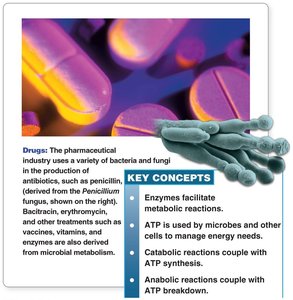
Catabolic reactions break down complex molecules, releasing energy.
Anabolic reactions use energy to build complex molecules from simpler ones.
Importance of Microbial Metabolism
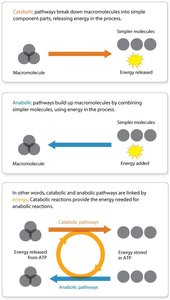
Microbial metabolism is not only central to cell survival but also has significant implications for human health, industry, and the environment. While some metabolic pathways can cause disease or food spoilage, many are beneficial and are harnessed in biotechnology and medicine.
Microbes are used in the production of antibiotics, vaccines, vitamins, and enzymes.
Metabolic reactions are targeted in antimicrobial therapy.
Catabolic and Anabolic Reactions
Definitions and Energy Flow
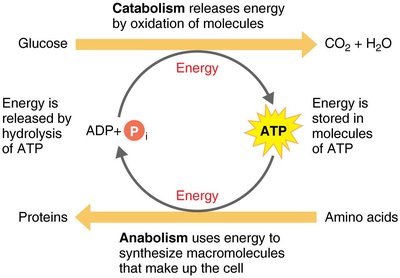
Catabolism and anabolism are interconnected through the molecule ATP, which acts as the cell's energy currency.
Catabolism: The breakdown of complex molecules into simpler ones, releasing energy (exergonic).
Anabolism: The synthesis of complex molecules from simpler ones, requiring energy input (endergonic).
ATP (adenosine triphosphate) stores and transfers energy between these processes.
Metabolic Pathways and Enzymes
Metabolic pathways are sequences of enzyme-catalyzed reactions. The specificity and regulation of these pathways are determined by enzymes, which are encoded by genes.
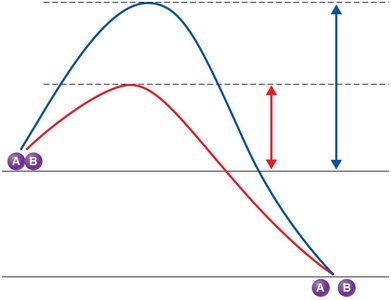
Enzymes lower the activation energy required for reactions.
Each step in a pathway is catalyzed by a specific enzyme.
Enzymes and Chemical Reactions
Enzyme Function and Mechanism
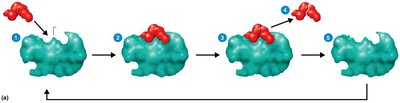
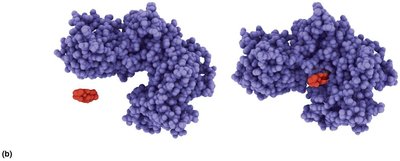
Enzymes are biological catalysts that accelerate chemical reactions without being consumed. They act on specific substrates, forming an enzyme-substrate complex, and convert substrates into products.
Catalysts speed up reactions by lowering activation energy.
Enzymes are highly specific for their substrates.
Enzyme Specificity and Efficiency
Enzymes exhibit specificity for their substrates and have a characteristic turnover number, which is the number of substrate molecules converted to product per second.
Turnover numbers typically range from 1 to 10,000 per second, but can be higher.
Naming and Classification of Enzymes
Enzymes are named based on the reactions they catalyze, usually ending in -ase.
Oxidoreductase: Catalyzes oxidation-reduction reactions.
Transferase: Transfers functional groups.
Hydrolase: Catalyzes hydrolysis reactions.
Lyase: Removes atoms without hydrolysis.
Isomerase: Rearranges atoms within a molecule.
Ligase: Joins molecules, often using ATP.
Enzyme Structure and Components
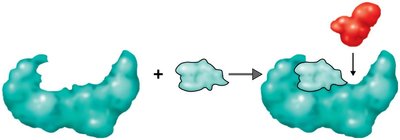
Enzymes may require non-protein components to be active.
Apoenzyme: The protein portion (inactive alone).
Cofactor: Non-protein component (can be inorganic or organic).
Coenzyme: Organic cofactor (e.g., NAD+, NADP+, FAD, Coenzyme A).
Holoenzyme: The complete, active enzyme (apoenzyme + cofactor).
Factors Influencing Enzyme Activity
Environmental and Chemical Factors
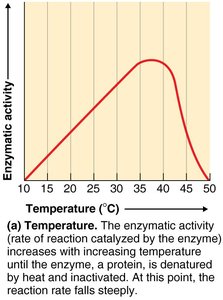
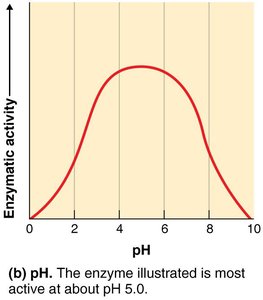
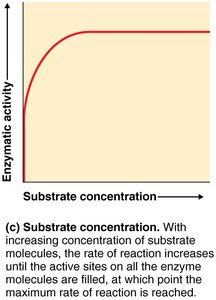
Enzyme activity is affected by several factors, including temperature, pH, substrate concentration, and the presence of inhibitors.
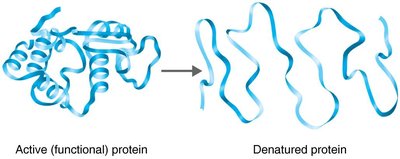
High temperatures and extreme pH can denature enzymes, rendering them inactive.
Enzyme activity increases with substrate concentration until saturation is reached.
Enzyme Inhibition and Regulation
Types of Inhibitors
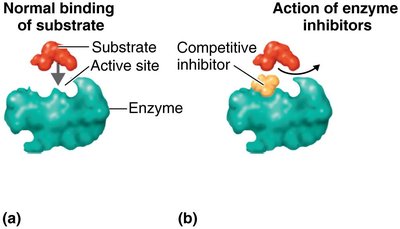
Enzyme inhibitors can decrease or halt enzyme activity. There are two main types:
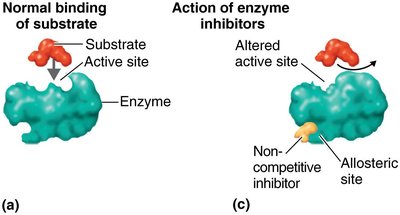
Competitive inhibitors: Compete with the substrate for the active site.
Noncompetitive inhibitors: Bind to an allosteric site, changing the enzyme's shape and function.
Feedback Inhibition
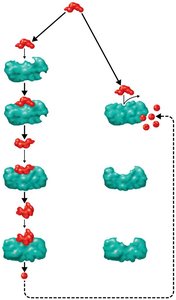
Feedback inhibition is a regulatory mechanism where the end-product of a metabolic pathway inhibits an enzyme involved earlier in the pathway, preventing overproduction of the end-product.
Ribozymes
Ribozymes are RNA molecules with catalytic activity. They are not consumed in reactions and play roles in RNA processing and protein synthesis.
Ribozymes cut and splice RNA and are involved in ribosomal protein synthesis.
Oxidation-Reduction Reactions
Redox Reactions in Metabolism
Oxidation-reduction (redox) reactions are central to energy transfer in cells.
Oxidation: Loss of electrons.
Reduction: Gain of electrons.
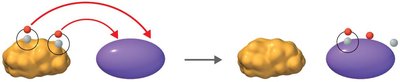
Redox reactions involve the transfer of electrons from one molecule to another.

Biological Redox Reactions
In biological systems, redox reactions often involve the transfer of hydrogen atoms (dehydrogenation). Electron carriers such as NAD+ and FAD play key roles in these processes.
ATP Generation and Phosphorylation
ATP Synthesis Mechanisms
ATP is generated by the phosphorylation of ADP, using energy derived from catabolic reactions. There are three main mechanisms:
Substrate-level phosphorylation: Direct transfer of a phosphate group to ADP from a high-energy substrate.
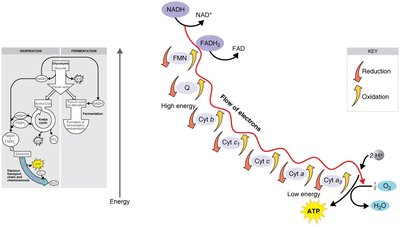
Oxidative phosphorylation: Electrons are transferred through an electron transport chain, generating ATP via chemiosmosis.
Photophosphorylation: Light energy is used to generate ATP in photosynthetic cells.
Photophosphorylation
Photophosphorylation occurs in photosynthetic organisms, where light energy excites electrons in chlorophyll, which are then transferred through an electron transport chain to generate ATP.
Cyclic photophosphorylation: Electrons return to chlorophyll; no O2 is produced.
Noncyclic photophosphorylation: Electrons do not return to chlorophyll; O2 is produced.

Summary Table: Key Enzyme Types and Functions
Enzyme Class | Function |
|---|---|
Oxidoreductase | Oxidation-reduction reactions |
Transferase | Transfer of functional groups |
Hydrolase | Hydrolysis reactions |
Lyase | Removal of atoms without hydrolysis |
Isomerase | Rearrangement of atoms |
Ligase | Joining of molecules, often using ATP |
Additional info: This guide provides foundational knowledge for understanding microbial metabolism, enzyme function, and energy transfer, which are essential for advanced study in microbiology, biotechnology, and medicine.
