 Back
Backlec 17:Microbial Metabolism: Glycolysis, Citric Acid Cycle, and Microbial Metabolites
Study Guide - Smart Notes
 Tailored notes based on your materials, expanded with key definitions, examples, and context.
Microbial Metabolism: Glycolysis, Citric Acid Cycle, and Microbial Metabolites
Carbohydrate Catabolism in Microbes
Microbes utilize carbohydrate catabolism to break down complex sugars and generate energy. This process involves extracellular digestion, uptake of monosaccharides, and subsequent metabolic pathways such as glycolysis and the citric acid cycle.
Extracellular Digestion: Microbes release exoenzymes to break down large polymers (e.g., cellulose, starch) outside the cell, enabling absorption of smaller molecules.
Uptake: Transport proteins (e.g., permeases) import monosaccharides and disaccharides into the cytoplasm for further metabolism.
Example: Fungi secrete enzymes from hyphal tips to degrade wood and leaf litter.
Glycolysis: The Universal Pathway
Glycolysis is a ten-step, anaerobic pathway occurring in the cytosol, converting glucose into pyruvate and generating ATP and NADH. It is the first stage of cellular respiration and is highly conserved across all domains of life.
Energy Investment Phase: 2 ATP are consumed to phosphorylate glucose, making it reactive.
Energy Payoff Phase: 4 ATP and 2 NADH are produced.
Net Yield: 2 ATP, 2 NADH, and 2 pyruvate per glucose.
Key Enzymes: Hexokinase/glucokinase, phosphofructokinase-1, aldolase, triose phosphate isomerase.
Preparatory Steps: Phosphorylation, isomerization, cleavage, and conversion of triose phosphates.
Payoff Steps: Oxidation, substrate-level phosphorylation, isomerization, dehydration, and final ATP generation.
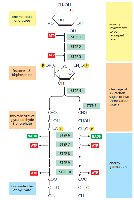
Stepwise Glycolysis Reactions
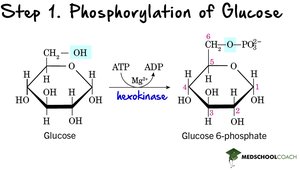
Step 1: Phosphorylation of glucose by hexokinase/glucokinase (requires ATP).
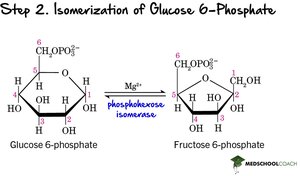
Step 2: Isomerization of glucose-6-phosphate to fructose-6-phosphate.
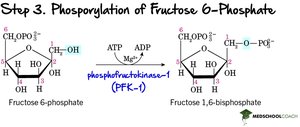
Step 3: Phosphorylation of fructose-6-phosphate by PFK-1 to fructose-1,6-bisphosphate.
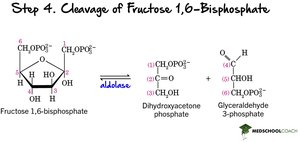
Step 4: Cleavage of fructose-1,6-bisphosphate into G3P and DHAP by aldolase.
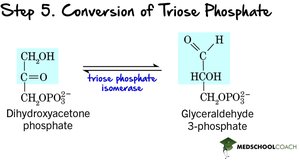
Step 5: Conversion of DHAP to G3P by triose phosphate isomerase.
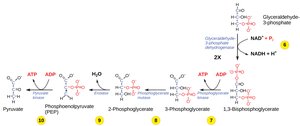
Step 6: Oxidation and phosphorylation of G3P to 1,3-bisphosphoglycerate, producing NADH.
Step 7: Substrate-level phosphorylation: 1,3-bisphosphoglycerate donates phosphate to ADP, forming ATP and 3-phosphoglycerate.
Step 8: Isomerization: 3-phosphoglycerate to 2-phosphoglycerate.
Step 9: Dehydration: 2-phosphoglycerate to phosphoenolpyruvate (PEP).
Step 10: Substrate-level phosphorylation: PEP to pyruvate, producing ATP.
Glycolysis Outcomes
Products: 2 pyruvate, 2 ATP (net), 2 NADH per glucose.
Decision Point: Pyruvate can enter aerobic respiration or fermentation, depending on oxygen availability.
Pyruvate Oxidation: The Aerobic Route
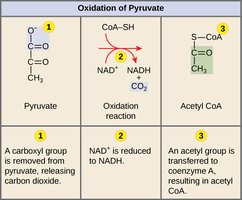
When oxygen is present, pyruvate is transported into mitochondria (eukaryotes) or remains in the cytoplasm (prokaryotes) and is converted to acetyl-CoA, releasing CO₂ and producing NADH.
Reaction: Pyruvate + CoA + NAD⁺ → Acetyl-CoA + CO₂ + NADH
Enzyme: Pyruvate dehydrogenase complex
The Citric Acid Cycle (Krebs Cycle)
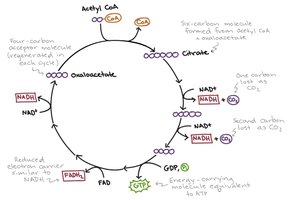
The citric acid cycle is a circular pathway that further oxidizes acetyl-CoA, generating NADH, FADH₂, ATP (or GTP), and releasing CO₂. It is central to aerobic metabolism in both prokaryotes and eukaryotes.
Location: Mitochondrial matrix (eukaryotes), cytoplasm (prokaryotes)
Steps: Eight main steps, each catalyzed by a specific enzyme
Key Products per Acetyl-CoA: 3 NADH, 1 FADH₂, 1 ATP (or GTP), 2 CO₂
Cycle Runs Twice per Glucose: Since one glucose yields two acetyl-CoA
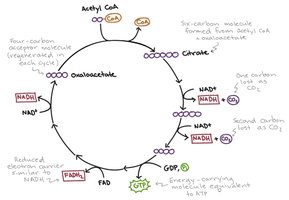
Stepwise Citric Acid Cycle Reactions
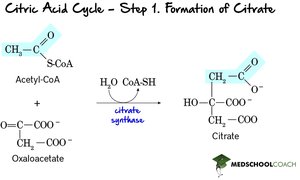
Step 1: Formation of citrate from acetyl-CoA and oxaloacetate.
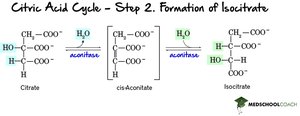
Step 2: Isomerization of citrate to isocitrate.
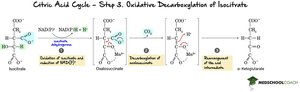
Step 3: Oxidative decarboxylation of isocitrate to α-ketoglutarate, producing NADH and CO₂.
Step 4: Oxidative decarboxylation of α-ketoglutarate to succinyl-CoA, producing NADH and CO₂.
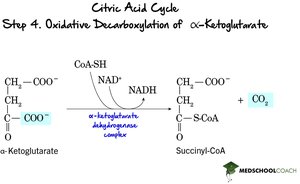
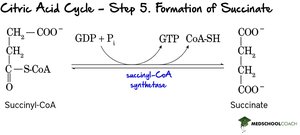
Step 5: Conversion of succinyl-CoA to succinate, generating ATP (or GTP).
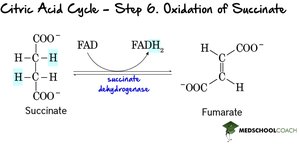
Step 6: Oxidation of succinate to fumarate, producing FADH₂.
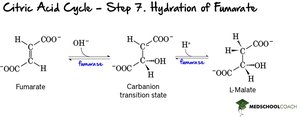
Step 7: Hydration of fumarate to malate.
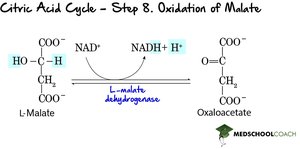
Step 8: Oxidation of malate to oxaloacetate, producing NADH.
Citric Acid Cycle Products Table
Per Acetyl-CoA | Per Glucose |
|---|---|
3 NADH | 6 NADH |
1 FADH₂ | 2 FADH₂ |
1 ATP (or GTP) | 2 ATP (or GTP) |
2 CO₂ | 4 CO₂ |
Microbial Metabolites and Host Interactions
Microbial metabolism produces short-chain fatty acids (SCFAs) and other metabolites that influence host physiology, including immune and nervous system functions.
SCFAs: Acetate, propionate, and butyrate are produced by fermentation of fiber by gut microbes.
Immune Effects: Butyrate increases regulatory T cells (Tregs), reducing inflammation; SCFAs strengthen gut barrier integrity.
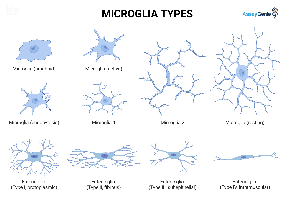
Nervous System Effects: SCFAs support microglia health and stimulate the vagus nerve, influencing mood, appetite, and stress.
Blood-Brain Barrier: Butyrate enhances BBB integrity, protecting the brain from harmful substances.
Tryptophan Metabolism: Microbes convert tryptophan to indoles, which modulate immune responses via the Aryl Hydrocarbon Receptor (Ahr).
Additional info:
Glycolysis and the citric acid cycle are central to microbial energy metabolism and are highly conserved across bacteria, archaea, and eukarya.
Microbial metabolites are increasingly recognized for their roles in host health, including immune regulation and neuroprotection.
