 Back
Microbial Metabolism: Mechanisms, Diversity, and Energy Conservation
Study Guide - Smart Notes
 Tailored notes based on your materials, expanded with key definitions, examples, and context.
Microbial Metabolism
Overview of Metabolism
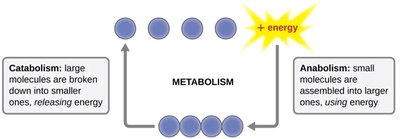
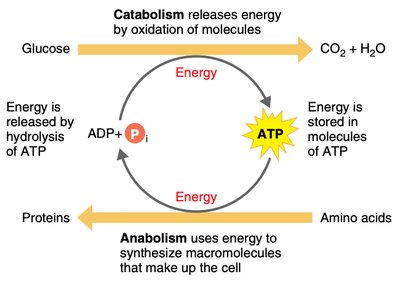
Metabolism encompasses all biochemical reactions within a living organism, divided into two main processes: catabolism and anabolism. Catabolic reactions break down complex molecules, releasing energy, while anabolic reactions build complex molecules, requiring energy input. These processes are fundamental to microbial life, enabling growth, maintenance, and adaptation.
Catabolism: Breakdown of macromolecules into simpler compounds, releasing energy (exergonic, ΔG° < 0).
Anabolism: Synthesis of macromolecules from simpler precursors, requiring energy (endergonic, ΔG° > 0).
Energy Conservation: Energy is stored in the form of ATP, the universal energy currency.
Cellular Work and Energy Requirements
Cells require energy to perform various forms of work, including biosynthesis, transport, and motility. Energy is conserved primarily as ATP, which powers these cellular activities.
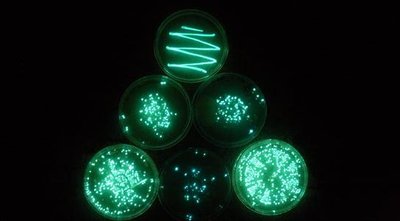
Chemical Work: Biosynthesis of cellular components and bioluminescence.
Transport Work: Active transport of molecules across membranes.
Mechanical Work: Movement, such as flagellar rotation.
ATP: The Universal Energy Currency
Structure and Function of ATP
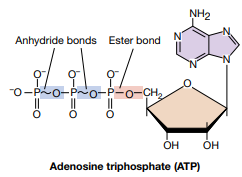
Adenosine triphosphate (ATP) is a nucleotide that stores chemical energy in its phosphate bonds. Hydrolysis of ATP releases energy, which is used to drive endergonic reactions in the cell.
ATP Hydrolysis: ; ΔG°′ = –7.3 kcal/mol
Energy Coupling: Energy released from ATP hydrolysis is used for anabolic reactions.
ATP Synthesis Mechanisms: Substrate-level phosphorylation, oxidative phosphorylation, and photophosphorylation.
High-Energy Compounds
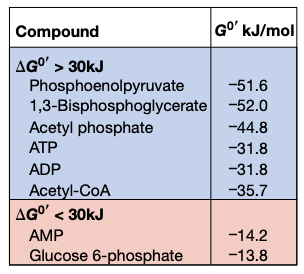
Compounds with high negative ΔG° values are considered energy-rich and are involved in ATP synthesis.
Compound | ΔG°' (kJ/mol) |
|---|---|
Phosphoenolpyruvate | –51.6 |
1,3-Bisphosphoglycerate | –52.0 |
Acetyl phosphate | –44.8 |
ATP | –31.8 |
ADP | –31.8 |
Acetyl-CoA | –35.7 |
AMP | –14.2 |
Glucose 6-phosphate | –13.8 |
Redox Reactions in Metabolism
Oxidation and Reduction
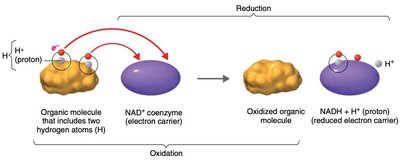
Catabolic reactions involve electron transfer, with oxidation (loss of electrons) and reduction (gain of electrons) being central to energy flow. Exergonic redox reactions are harnessed for ATP synthesis and the generation of electrochemical gradients.
Oxidation: Loss of electrons, hydrogen, or energy; usually exergonic.
Reduction: Gain of electrons, hydrogen, or energy; usually endergonic.
Redox Couples and Electron Flow
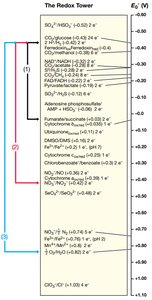
Electron donors and acceptors are defined by their reduction potential. The flow of electrons from donors to acceptors is the basis for energy conservation in cells.
Reduction Potential: Tendency to donate or accept electrons.
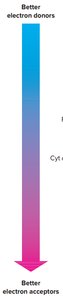
Redox Tower: More negative values indicate better electron donors; more positive values indicate better electron acceptors.
Nernst Equation: Used to calculate energy yield from redox reactions.
Mechanisms of ATP Production
Substrate-Level Phosphorylation
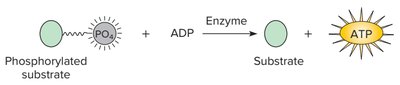
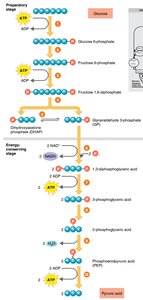
ATP is produced by transferring a phosphate group from a phosphorylated substrate to ADP, catalyzed by soluble enzymes in the cytoplasm. This process is central to glycolysis and fermentation.
Location: Cytoplasm
Example: Glycolysis (1,3-bisphosphoglycerate → 3-phosphoglycerate + ATP)
Energy Yield: 2 ATP per glucose molecule
Oxidative Phosphorylation and Photophosphorylation
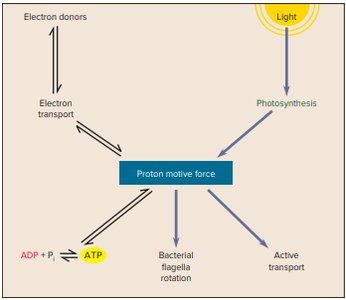
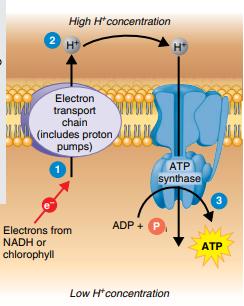
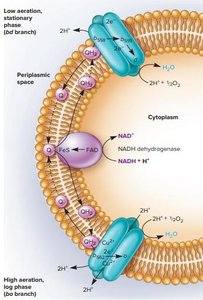
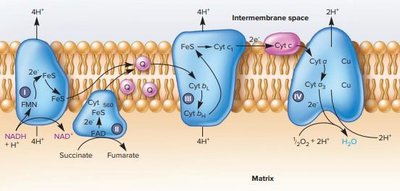
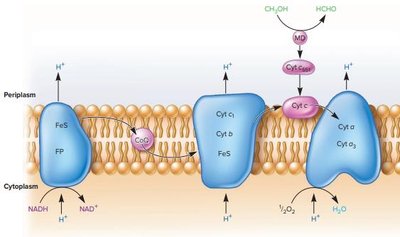
These are membrane-associated, vectorial processes involving electron transport chains (ETC) and the generation of a proton-motive force (PMF). ATP synthase couples proton flow to ATP synthesis.
Electron Transport Chain: Ordered sequence of electron carriers on membranes.
Proton-Motive Force: Electrochemical gradient drives ATP synthesis, active transport, and motility.
ATP Synthase: 4 H+ → 1 ATP
Microbial Metabolic Classification
Energy, Carbon, and Electron Sources
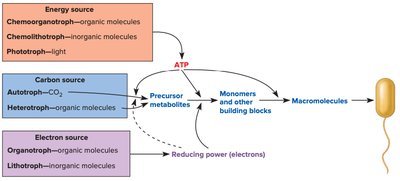
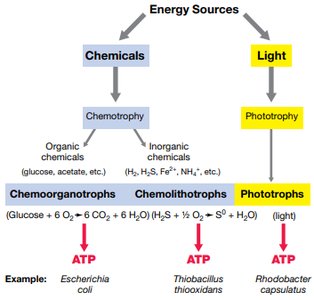
Microorganisms are classified based on their sources of energy, carbon, and electrons. This diversity allows microbes to thrive in a wide range of environments.
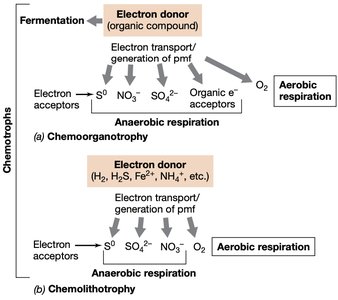
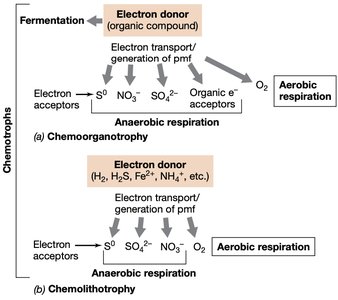
Energy Source: Chemotrophs (chemicals), phototrophs (light)
Electron Source: Organotrophs (organic), lithotrophs (inorganic)
Carbon Source: Autotrophs (CO2), heterotrophs (organic carbon)
Fermentation and Respiration
Fermentation
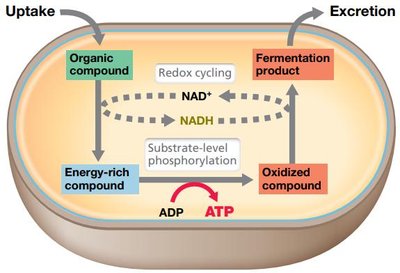
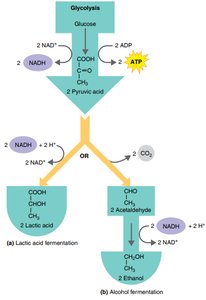
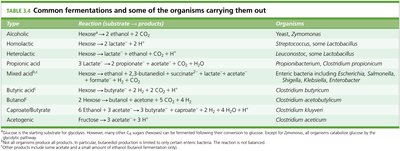
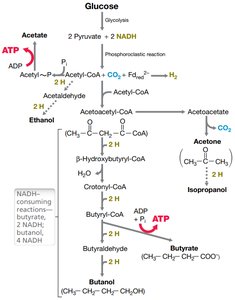
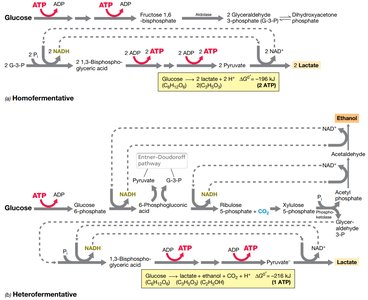
Fermentation occurs in the absence of external electron acceptors. Organic molecules serve as both electron donors and acceptors, allowing NAD+ regeneration and continued glycolysis. Energy yield is limited.
Electron Donor: Organic compound
Electron Acceptor: Internal organic molecule
Energy Yield: 2 ATP per glucose (some fermentations yield more)
Purpose: Maintain redox balance
Respiration
Respiration uses external electron acceptors, with aerobic respiration utilizing O2 and anaerobic respiration using compounds like NO3–, S0, or SO3–. Electron transport chains generate a proton-motive force for ATP synthesis.
Aerobic Respiration: O2 as terminal electron acceptor
Anaerobic Respiration: Other external acceptors (NO3–, S0, SO3–, fumarate)
ATP Yield: Prokaryotes: up to 38 ATP/glucose; Eukaryotes: up to 36 ATP/glucose
Chemiosmotic Theory and ATP Synthesis
Proton Motive Force and ATP Synthase
The chemiosmotic theory explains how the return flow of protons through ATP synthase drives ATP formation. ATP synthase acts as a molecular turbine, coupling proton flow to phosphorylation of ADP.
ATP Synthase Structure: F0 rotor in membrane, F1 knob for ATP synthesis
Proton Flow: 4 H+ → 1 ATP
Applications: Oxidative phosphorylation (respiration), photophosphorylation (photosynthesis)
Phototrophs and Photosynthesis
Photosynthetic Mechanisms
Phototrophs convert light energy into chemical energy, generating ATP via photophosphorylation. Photoautotrophs fix CO2 using energy from light-dependent reactions.
Oxygenic Photosynthesis: H2O as reducing agent; O2 produced
Anoxygenic Photosynthesis: Other reducing agents (H2, H2S, S2O3–)
Photoheterotrophs: Use light for energy but organic compounds for carbon
Photosystems and Pigments
Photosystems capture light energy using antenna complexes and reaction center chlorophylls. Pigments such as chlorophyll, bacteriochlorophyll, carotenoids, and phycobiliproteins play roles in light absorption and protection.
Antenna Complex: Traps light energy and transfers it to reaction center
Reaction Center: Chlorophylls initiate electron transfer
Pigments: Chlorophyll, carotenoids, phycobiliproteins, quinones
Bacteriorhodopsin-Based Phototrophy
Some phototrophs use bacteriorhodopsin, a protein-pigment complex, to pump protons and generate a proton-motive force for ATP synthesis without an electron transport chain.
Bacteriorhodopsin: H+ pump, pigment is retinal
Example: Halobacterium
Catalysis and Enzymes
Enzyme Structure and Function
Enzymes are biological catalysts that lower activation energy and increase reaction rates. They are not consumed in the reaction and do not alter the free energy change.
Holoenzyme: Consists of apoenzyme (protein) and cofactor (nonprotein)
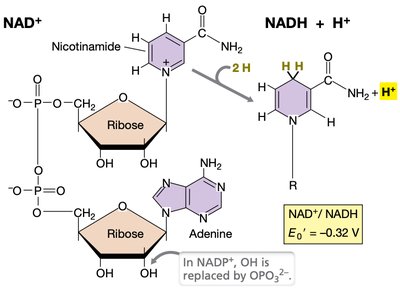
Cofactors: Metallic ions or organic coenzymes (NAD+, NADP+, FAD, FMN, coenzyme A)
Substrate Specificity: Enzymes interact with specific substrates, often stereoisomer-specific
Induced Fit: Enzyme changes shape to fit substrate tightly
Factors Influencing Enzyme Activity
Enzyme activity is affected by temperature, pH, substrate concentration, and inhibitors.
Temperature: High temperatures cause denaturation; low temperatures slow reactions
pH: Optimal pH maximizes activity; changes affect ionization and substrate binding
Substrate Concentration: Activity increases with concentration until saturation
Inhibitors: Competitive (active site) and noncompetitive (allosteric site) inhibitors reduce activity
Feedback Inhibition: End-product inhibits an early enzyme in the pathway
Enzyme Classification and Naming
Enzymes are classified into six classes based on the reactions they catalyze and are typically named with the suffix '-ase'.
Oxidoreductases: Catalyze oxidation-reduction reactions
Transferases: Transfer functional groups
Hydrolases: Catalyze hydrolysis reactions
Lyases: Add or remove groups to form double bonds
Isomerases: Catalyze isomerization
Ligases: Join two molecules
