 Back
Microbial Metabolism, Nutrition, Growth, and Control: Core Concepts and Laboratory Applications
Study Guide - Smart Notes
 Tailored notes based on your materials, expanded with key definitions, examples, and context.
Microbial Metabolism
Overview of Metabolism
Metabolism is the sum of all chemical reactions occurring within a cell, providing energy, precursor molecules, and maintaining cellular structures. These reactions are essential for cell growth and reproduction. Energy is primarily stored and transferred in the form of ATP, and enzymes catalyze metabolic reactions.
Catabolism: Breakdown of large molecules into smaller ones, releasing energy (exergonic). Some energy is stored in ATP.
Anabolism: Synthesis of complex molecules from simpler ones, requiring energy (endergonic).
Metabolic Pathways: Series of reactions where the product of one reaction becomes the substrate for the next.
Example: Glycolysis is a metabolic pathway where glucose is broken down to pyruvate, generating ATP and NADH.
Oxidation and Reduction Reactions
These reactions involve the transfer of electrons between molecules. Oxidation is the loss of electrons, while reduction is the gain of electrons. Electron carriers such as NAD+, NADP+, and FAD are essential in these processes.
NAD+ / NADH
NADP+ / NADPH
FAD / FADH2
Equation:
ATP Production and Energy Storage
ATP is produced by three main mechanisms:
Substrate-level phosphorylation: Direct transfer of phosphate from an organic molecule to ADP.
Oxidative phosphorylation: Energy from redox reactions is used to attach inorganic phosphate to ADP.
Photophosphorylation: Light energy is used to phosphorylate ADP.
The Roles of Enzymes in Metabolism
Enzymes are biological catalysts that speed up reactions by lowering activation energy. They are highly specific for their substrates and are not consumed in the reaction. Enzyme activity can be affected by temperature, pH, substrate concentration, and inhibitors.
Competitive inhibitors: Compete with substrate for the active site.
Noncompetitive (allosteric) inhibitors: Bind to a different site, changing the enzyme's shape and function.
Feedback inhibition: End product of a pathway inhibits an earlier step.
Carbohydrate Catabolism
Glucose is the primary energy source for many organisms. It can be catabolized by cellular respiration (aerobic or anaerobic) or fermentation.
Glycolysis: Occurs in the cytosol, splits glucose into two pyruvate molecules, produces ATP and NADH.
Krebs Cycle: Completes oxidation of glucose derivatives, produces NADH, FADH2, and CO2.
Electron Transport Chain (ETC): Uses electrons from NADH and FADH2 to generate ATP via chemiosmosis.
Fermentation: Occurs when no inorganic electron acceptor is available; produces organic acids or alcohols.
Microbial Nutrition and Growth
Microbial Growth and Binary Fission
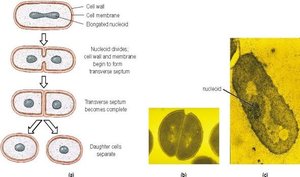
Microbial growth refers to an increase in cell number, primarily through binary fission, an asexual process resulting in two genetically identical daughter cells.
Growth Requirements
Microbes require nutrients for metabolism, including sources of carbon, energy, and electrons. They are classified based on their sources:
Heterotrophs: Use organic carbon sources.
Autotrophs: Use inorganic carbon (CO2).
Chemotrophs: Obtain energy from chemicals.
Phototrophs: Obtain energy from light.
Organotrophs: Obtain electrons from organic molecules.
Lithotrophs: Obtain electrons from inorganic molecules.
Oxygen, Nitrogen, and Other Chemical Requirements
Oxygen is essential for obligate aerobes but toxic to obligate anaerobes due to reactive oxygen species. Nitrogen is required for proteins and nucleic acids. Other essential elements include sulfur, phosphorus, and trace elements.
Physical Requirements for Growth
Temperature: Affects enzyme activity and membrane fluidity. Microbes are classified as psychrophiles, mesophiles, thermophiles, or hyperthermophiles based on their temperature range.
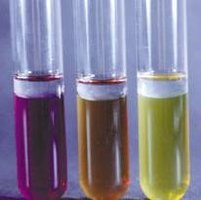
pH: Most bacteria grow best near neutral pH (neutrophiles), but some are acidophiles or alkalinophiles.
Water: Required for metabolism; osmotic and hydrostatic pressures affect microbial survival.
Biofilms and Microbial Associations
Biofilms are complex communities of microorganisms attached to surfaces, often exhibiting increased resistance to antimicrobials and host defenses.
Culturing Microorganisms
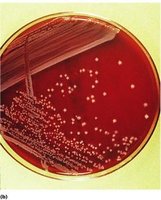
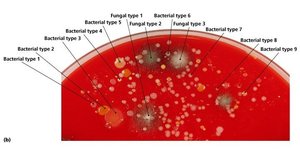
Microbes are cultured using various media (defined, complex, selective, differential, anaerobic, transport). Isolation techniques include streak plates and pour plates.
Growth Curve and Population Dynamics
Microbial populations exhibit distinct growth phases: lag, log (exponential), stationary, and death. Generation time is the time required for a population to double.
Measuring Microbial Growth
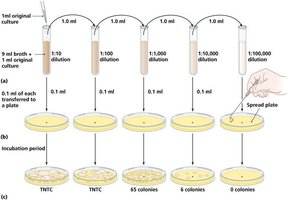
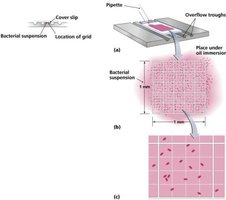
Direct methods: Plate counts, membrane filtration, microscopic counts.
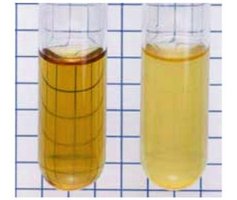
Indirect methods: Turbidity (spectrophotometry), metabolic activity, dry weight.
Controlling Microbial Growth in the Environment
Principles and Terminology
Microbial control aims to reduce or eliminate microorganisms using physical or chemical methods. Key terms include:
Sterilization: Destruction of all microorganisms.
Disinfection: Destruction of most microorganisms on inanimate objects.
Antisepsis: Destruction of microorganisms on living tissue.
Degerming: Physical removal of microbes from a surface.
Sanitization: Reduction of microbial load to safe levels.
Pasteurization: Use of heat to reduce microbial numbers in food and beverages.
Microbial Death Rates
Microbial death rate refers to the permanent loss of reproductive ability. Death occurs logarithmically, with a constant percentage of the population killed per unit time.
Mechanisms of Action
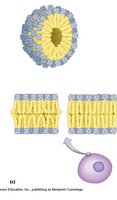
Alteration of cell walls and membranes: Disrupts integrity, leading to cell death.
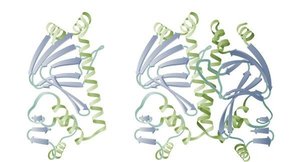
Damage to proteins and nucleic acids: Denatures enzymes and genetic material, halting metabolism and reproduction.
Selection of Control Methods
Factors influencing the choice of control method include the site to be treated, susceptibility of microorganisms, and environmental conditions (e.g., temperature, pH, organic matter).
Physical Methods of Control
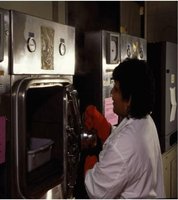
Heat: Moist heat (boiling, autoclaving, pasteurization) and dry heat (incineration).
Refrigeration and Freezing: Inhibit metabolism and growth.
Desiccation and Lyophilization: Remove water to inhibit metabolism.
Filtration: Physically removes microbes from liquids and air.
Osmotic Pressure: High solute environments inhibit microbial growth.
Radiation: Ionizing (gamma rays, X-rays) and nonionizing (UV light) radiation damage cellular components.
Chemical Methods of Control
Chemicals are used as disinfectants and antiseptics. Most act by denaturing proteins or disrupting membranes. Overuse or misuse can lead to resistant microbes.
Development of Resistant Microbes
Microbes can develop resistance to control agents through survival of the fittest, especially when exposed to sublethal concentrations or for insufficient durations.
Additional info: This guide integrates foundational concepts from microbial metabolism, nutrition, growth, and environmental control, with laboratory applications and visual aids to reinforce learning.
