 Back
BackMicrobial Metabolism: Principles and Applications
Study Guide - Smart Notes
 Tailored notes based on your materials, expanded with key definitions, examples, and context.
Microbial Metabolism
Defining Metabolism
Metabolism encompasses all chemical reactions that occur within an organism, including those that break down substances to release energy (catabolism) and those that use energy to build new substances (anabolism). These reactions are organized into biochemical pathways, where intermediates are transformed stepwise into end products.
Metabolism: The sum of all chemical reactions in a cell.
Biochemical Pathways: Sequential steps converting substrates to products.
Catabolic Pathways: Break down molecules, releasing energy.
Anabolic Pathways: Build complex molecules, requiring energy.
Amphibolic Pathways: Serve both catabolic and anabolic functions.
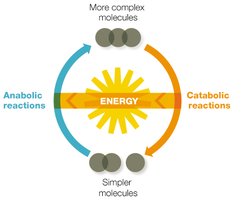
Example: Catabolism: Glucose breakdown; Anabolism: Protein synthesis.
ATP: The Energy Currency
Adenosine triphosphate (ATP) is the primary energy carrier in cells. It is generated by catabolic reactions and used to power anabolic reactions. ATP consists of adenine, ribose, and three phosphate groups. The removal and addition of phosphate groups (ATP–ADP cycling) is central to energy transfer.
ATP Structure: Adenine, ribose, three phosphates.
ATP–ADP Cycling: Dephosphorylation releases energy; phosphorylation recharges ATP.
Energy Transfer: ATP is not stored; it is constantly cycled.
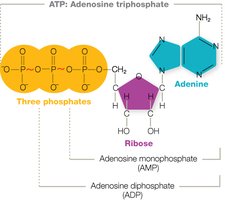
Equation:
Enzymes and Metabolic Regulation
Enzyme Structure and Function
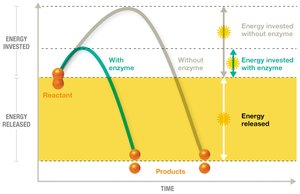
Enzymes are protein catalysts that accelerate biochemical reactions by lowering activation energy. They are essential for metabolism, allowing reactions to proceed under cellular conditions.
Enzyme Characteristics: Biological catalysts, effective in small amounts, substrate-specific, not consumed in reactions.
Activation Energy: Enzymes lower the energy barrier for reactions.
Enzyme-Substrate Complex: Substrate binds to the enzyme's active site, facilitating the reaction.
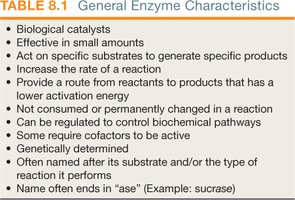
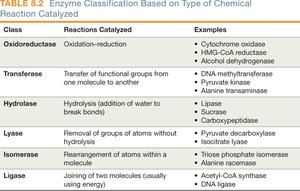
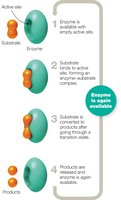
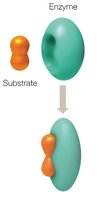
Example: Sucrase catalyzes the breakdown of sucrose.
Enzyme Regulation and Inhibition
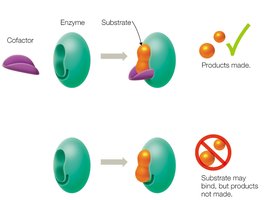
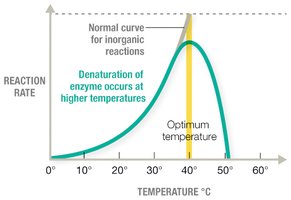
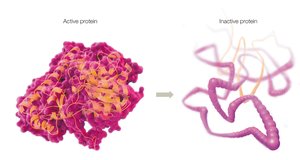
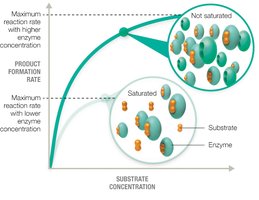
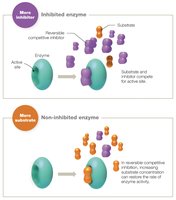
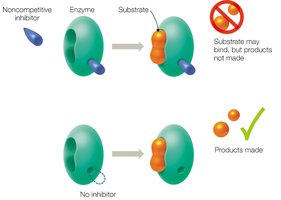
Enzyme activity is influenced by cofactors, temperature, pH, substrate concentration, phosphorylation, and inhibitors. Enzyme inhibition can be competitive (inhibitor competes with substrate) or noncompetitive (inhibitor binds elsewhere).
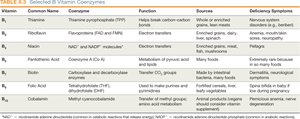
Cofactors: Nonprotein components required for enzyme activity (e.g., metal ions, coenzymes).
Competitive Inhibition: Inhibitor competes for active site.
Noncompetitive Inhibition: Inhibitor binds to allosteric site, altering enzyme function.
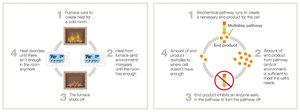
Feedback Inhibition: End product inhibits pathway to regulate efficiency.
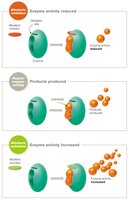
Example: Kinases add phosphate groups; phosphatases remove them.
Energy Production: Redox Reactions and Cellular Respiration
Oxidation-Reduction (Redox) Reactions
Cells extract energy from nutrients using redox reactions, where electrons are transferred between molecules. Oxidation is the loss of electrons; reduction is the gain of electrons. These reactions are coupled and drive ATP production.
Oxidizing Agent: Accepts electrons.
Reducing Agent: Donates electrons.
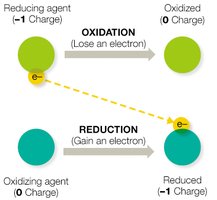
Equation:
Cellular Respiration Pathways
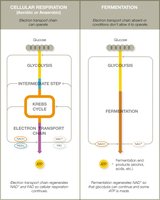
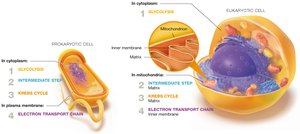
Cellular respiration is a multi-step process for harvesting energy from carbohydrates. It includes glycolysis, the intermediate step, the Krebs cycle, and the electron transport chain. Each step produces ATP and reduced cofactors.
Glycolysis: Glucose is split into pyruvate, yielding ATP and NADH.
Intermediate Step: Pyruvate is converted to acetyl-CoA and CO2.
Krebs Cycle: Acetyl-CoA is oxidized, producing ATP, NADH, FADH2, and CO2.
Electron Transport Chain: Electrons are transferred to oxygen (aerobic) or other acceptors (anaerobic), driving ATP synthesis.
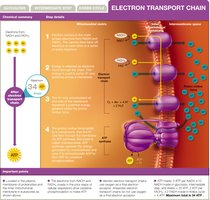
Equation for Aerobic Respiration:
Fermentation and Alternative Pathways
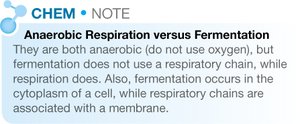
Fermentation allows cells to catabolize nutrients without a respiratory chain, producing less ATP. Alternative pathways include the pentose phosphate and Entner-Doudoroff pathways, which provide metabolic flexibility.
Pentose Phosphate Pathway: Converts pentoses to intermediates for glycolysis.
Entner-Doudoroff Pathway: Catabolizes glucose, producing ATP and NADPH.
Fermentation Types: Homolactic, heterolactic, alcohol, mixed acid, butanediol.
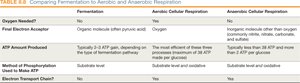
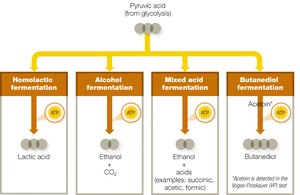
Example: Lactobacillus uses homolactic fermentation; Saccharomyces cerevisiae uses alcohol fermentation.
Metabolic Diversity and Identification
Nutritional Patterns and Metabolic Diversity
Microbes are classified by how they obtain carbon, electrons, and energy. Autotrophs fix carbon; heterotrophs require organic carbon. Lithotrophs use inorganic electron sources; organotrophs use organic sources. Phototrophs harvest light; chemotrophs use chemical bonds.
Autotrophs: Self-feeders, fix carbon.
Heterotrophs: Require external organic carbon.
Lithotrophs: Use inorganic electron sources.
Organotrophs: Use organic electron sources.
Phototrophs: Use light energy.
Chemotrophs: Use chemical energy.
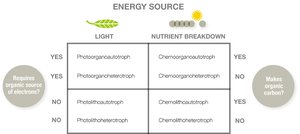
Example: Cyanobacteria are photoautotrophs; E. coli is a chemoheterotroph.
Biochemical Tests for Microbial Identification
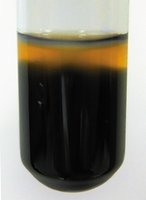
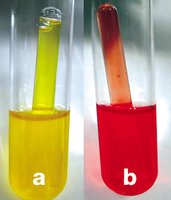
Biochemical tests exploit metabolic properties to identify bacteria. Tests include amino acid catabolism, fermentation, oxidase, catalase, and specialized test strips. These tests reveal unique metabolic fingerprints.
Amino Acid Catabolism: Detects deaminases and decarboxylases.
Fermentation Tests: Detects acid and gas production.
Oxidase Test: Detects cytochrome c oxidase.
Catalase Test: Detects catalase enzyme.
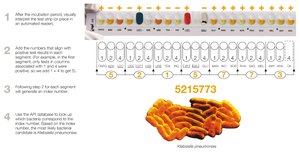
API System: Rapid identification using test strips.
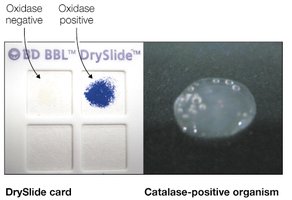
Example: Oxidase-positive: Neisseria gonorrhoeae; Catalase-positive: bubbles in hydrogen peroxide.
