 Back
BackCH. 8 Microbial Metabolism: Principles, Pathways, and Clinical Applications
Study Guide - Smart Notes
 Tailored notes based on your materials, expanded with key definitions, examples, and context.
Microbial Metabolism
Defining Metabolism
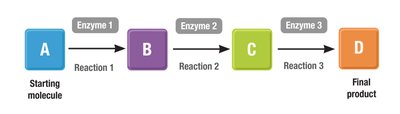
Metabolism encompasses all chemical reactions that occur within an organism, including those that break down substances to release energy (catabolism) and those that use energy to build new substances (anabolism). These reactions are organized into metabolic pathways, where each step is catalyzed by a specific enzyme.
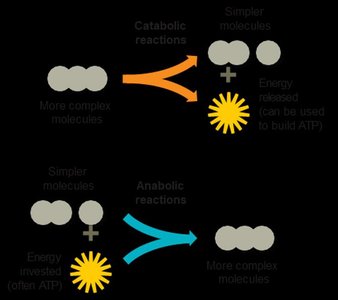
Catabolic pathways: Break down molecules, releasing energy.
Anabolic pathways: Use energy to build complex molecules from simpler ones.
Amphibolic pathways: Function in both catabolism and anabolism.
Catabolic vs. Anabolic Reactions
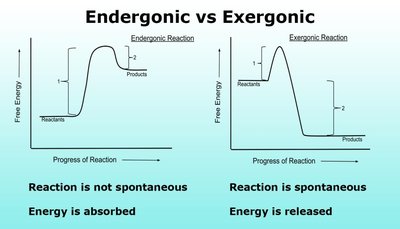
Catabolic reactions are typically hydrolytic and exergonic (energy-releasing), while anabolic reactions are biosynthetic, involving dehydration synthesis and are endergonic (energy-consuming).
Exergonic reactions: Release energy; spontaneous.
Endergonic reactions: Absorb energy; not spontaneous.
ATP: The Energy Currency of the Cell
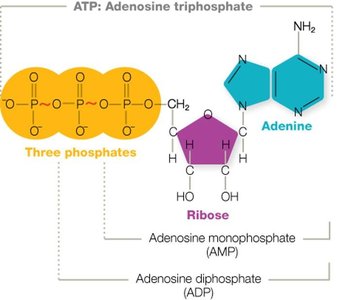
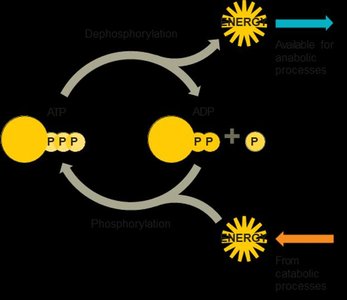
Adenosine triphosphate (ATP) is the primary energy carrier in cells. It is produced by catabolic reactions and used to power anabolic reactions. ATP consists of adenine, ribose, and three phosphate groups.
ATP is generated on demand and cannot be stored in large amounts.
The energy in ATP is released by removing the terminal phosphate group (dephosphorylation), forming ADP.
ATP is regenerated from ADP by phosphorylation.
Enzymes and Metabolic Regulation
Enzyme Structure and Function
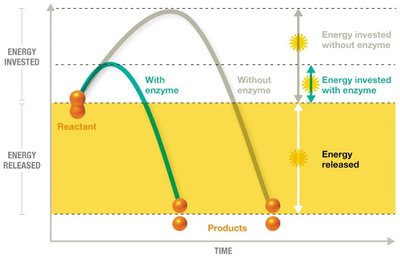
Enzymes are protein catalysts that accelerate chemical reactions by lowering activation energy. They are highly specific for their substrates and are not consumed in the reaction.
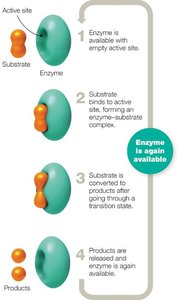
Enzymes have an active site where substrates bind.
The induced fit model describes how enzymes mold to fit their substrates.
Enzyme-substrate complexes stabilize the transition state and facilitate product formation.
Enzyme Cofactors and Coenzymes
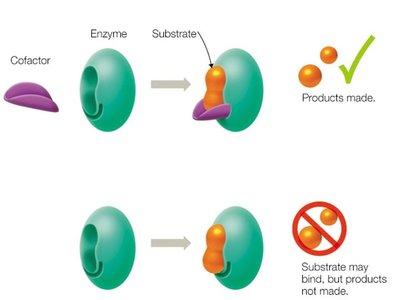
Some enzymes require non-protein helpers called cofactors to function. These can be inorganic ions (e.g., Mg2+, Fe2+) or organic molecules called coenzymes (often derived from vitamins).
An apoenzyme (enzyme without cofactor) is inactive; a holoenzyme (enzyme with cofactor) is active.
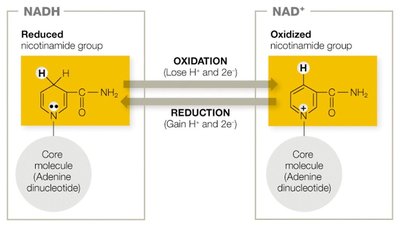
Common coenzymes include NAD+, FAD, and CoA, which often act as electron carriers in redox reactions.
Ribozymes
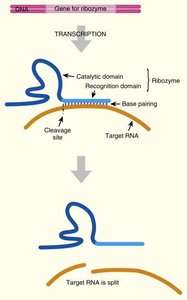
Ribozymes are catalytic RNA molecules that act on other RNA substrates, demonstrating that not all biological catalysts are proteins.
Factors Affecting Enzyme Activity
Enzyme activity is influenced by temperature, pH, substrate concentration, cofactors, phosphorylation state, and inhibitors.
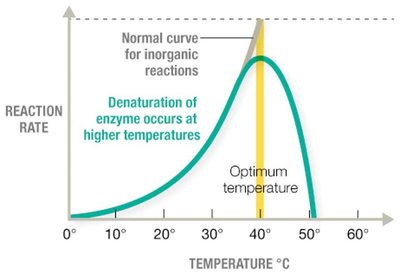
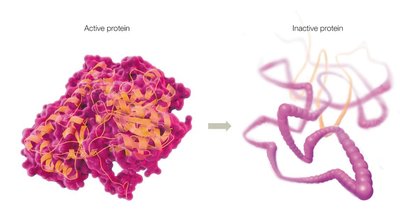
Temperature: Each enzyme has an optimal temperature; high temperatures can denature enzymes.
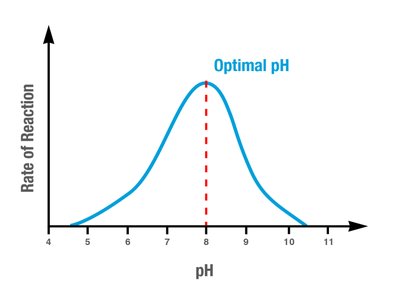
pH: Extreme pH values can disrupt enzyme structure and function.
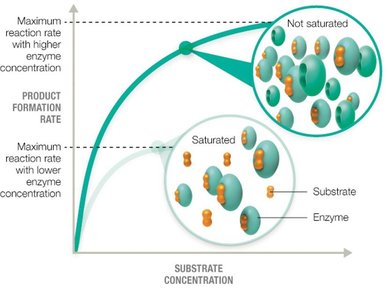
Substrate concentration: Increasing substrate increases reaction rate until saturation is reached.
Enzyme Regulation
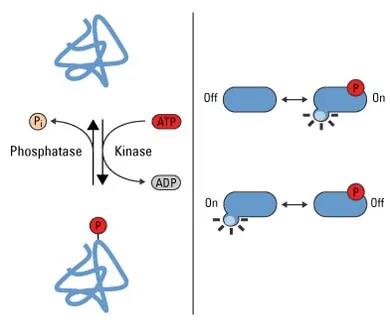
Phosphorylation: Kinases add phosphate groups (activate/inactivate enzymes); phosphatases remove them.
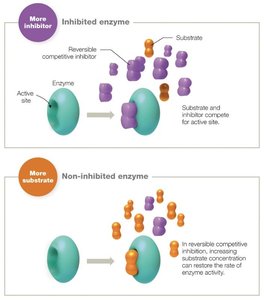
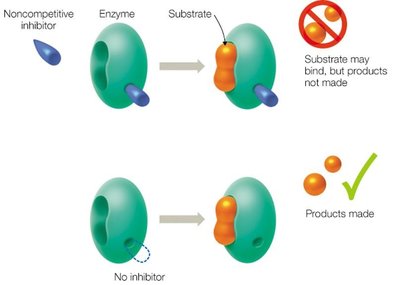
Inhibitors: Competitive inhibitors bind the active site; noncompetitive inhibitors bind elsewhere.
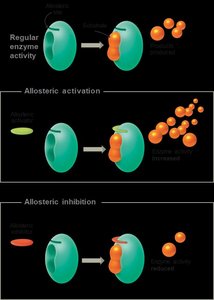
Allosteric regulation: Allosteric activators/inhibitors bind specific regulatory sites, altering enzyme activity.
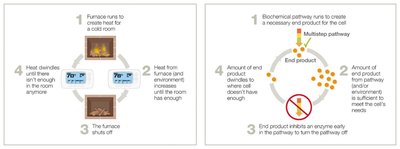
Feedback inhibition: End products inhibit pathway enzymes to prevent overproduction.
Redox Reactions and Energy Production
Redox Reactions
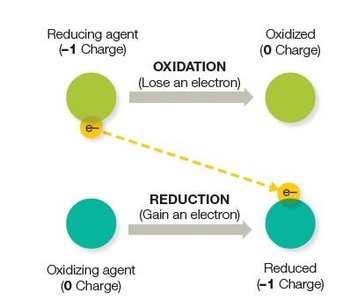
Redox (oxidation-reduction) reactions are essential for energy extraction from nutrients. Oxidation is the loss of electrons; reduction is the gain of electrons. These reactions are coupled and often involve coenzymes as electron carriers.
Mechanisms of ATP Production
Substrate-level phosphorylation: Direct transfer of a phosphate group to ADP from a high-energy substrate.
Oxidative phosphorylation: Uses electron transport chains and chemiosmosis to generate ATP.
Photophosphorylation: Light energy powers electron transport chains in photosynthetic cells.
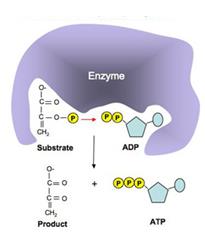
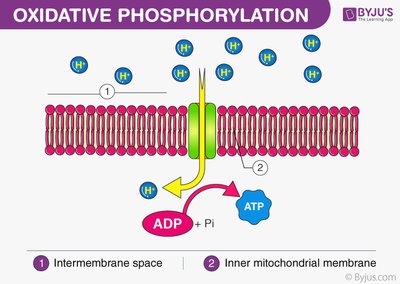
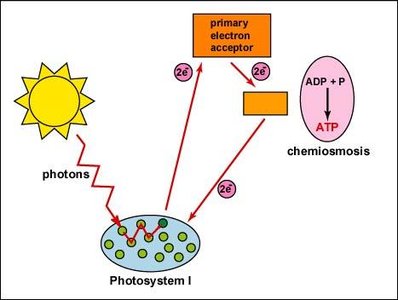
Substrate-Level Phosphorylation | Oxidative Phosphorylation | Photophosphorylation | |
|---|---|---|---|
How ATP is made | Direct transfer from substrate | Electron transport chain powered by nutrients | Electron transport chain powered by light |
Electron transport chain used? | No | Yes | Yes |
Used in | Glycolysis, Krebs cycle, fermentation | Cellular respiration | Photosynthesis |
Cell types | Prokaryotic & eukaryotic | Prokaryotic & eukaryotic | Photosynthetic cells |
Carbohydrate Catabolism
Cellular Respiration
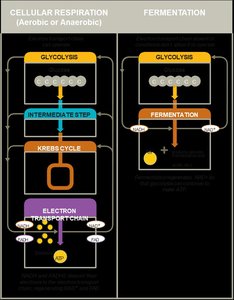
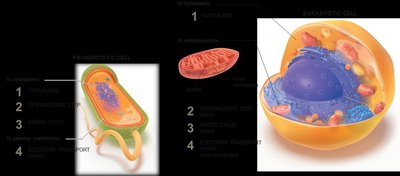
Cells extract energy from carbohydrates primarily through cellular respiration, which includes glycolysis, the intermediate step, the Krebs cycle, and the electron transport chain.
Glycolysis
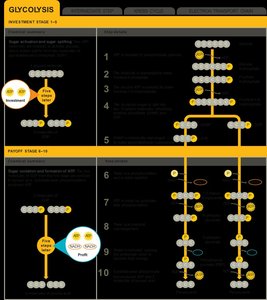
Glycolysis is a ten-step pathway that converts glucose into two molecules of pyruvic acid, producing a net gain of two ATP and two NADH molecules. It does not require oxygen.
Intermediate Step
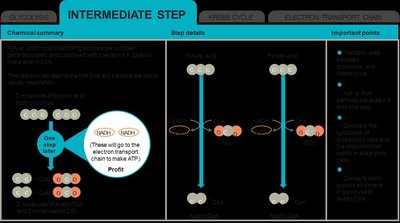
Pyruvic acid is converted to acetyl-CoA, releasing CO2 and generating NADH.
Krebs Cycle
The Krebs cycle (citric acid cycle) completes the oxidation of glucose derivatives, producing ATP, NADH, FADH2, and CO2.
Electron Transport Chain (ETC)
The ETC uses a series of redox reactions to transfer electrons from NADH and FADH2 to a final electron acceptor (O2 in aerobic respiration), generating a proton gradient that drives ATP synthesis via chemiosmosis.
Fermentation and Alternative Pathways
Fermentation
Fermentation allows cells to regenerate NAD+ from NADH in the absence of a functional respiratory chain, enabling glycolysis to continue. It produces less ATP than respiration and results in various end products (e.g., lactic acid, ethanol).
Homolactic fermentation: Produces lactic acid (e.g., yogurt bacteria, muscle cells).
Heterolactic fermentation: Produces lactic acid, ethanol, CO2, and other acids.
Alcohol fermentation: Produces ethanol and CO2 (e.g., yeast).
Mixed acid and butanediol fermentation: Produce a variety of acids and alcohols.
Catabolism of Other Macromolecules
Lipids, Proteins, and Nucleic Acids
Microbes can catabolize lipids, proteins, and nucleic acids for energy. Large molecules are broken down by exoenzymes before being funneled into central metabolic pathways.
Lipases break down lipids into glycerol and fatty acids.
Proteases and peptidases break down proteins into amino acids.
Nucleases break down nucleic acids into nucleotides.
Anabolic Pathways and Amphibolic Metabolism
Biosynthesis of Macromolecules
Anabolic pathways use ATP and reducing power (e.g., NADPH) to build macromolecules such as polysaccharides, lipids, amino acids, and nucleotides. Many intermediates from catabolic pathways are used as precursors for biosynthesis.
Amphibolic Pathways
Amphibolic pathways serve both catabolic and anabolic functions, allowing cells to balance energy production and biosynthesis according to their needs.
Catabolic Pathways | Anabolic Pathways | All Metabolic Pathways |
|---|---|---|
Breakdown of molecules | Building molecules | Tightly regulated |
Release energy | Consume energy | Necessary for survival |
Use NAD+ | Use NADPH | Require enzymes |
Microbial Nutrition and Identification
Autotrophs vs. Heterotrophs
Autotrophs: Fix carbon from inorganic sources (e.g., CO2).
Heterotrophs: Require organic carbon sources.
Phototrophs: Use light for energy.
Chemotrophs: Use chemical compounds for energy.
Mixotrophs: Can switch between metabolic modes.
Biochemical Tests for Microbial Identification
Microbes can be identified by their metabolic profiles using biochemical tests that detect specific enzymes, metabolic end products, or intermediates.
Amino acid catabolism tests: Detect deaminases, decarboxylases, or sulfur reduction.
Fermentation tests: Detect acid and gas production from carbohydrate fermentation.
MR-VP test: Distinguishes mixed acid and butanediol fermentation.
Oxidase test: Detects cytochrome c oxidase.
Catalase test: Detects breakdown of hydrogen peroxide.
Clinical Connections
Understanding microbial metabolism is essential for diagnosing infections, understanding disease mechanisms, and developing antimicrobial therapies. For example, metabolic tests can help identify pathogens, and knowledge of metabolic pathways can explain clinical phenomena such as diabetic ketoacidosis and susceptibility to certain infections.
