 Back
Microbial Metabolism: Structure, Function, and Regulation
Study Guide - Smart Notes
 Tailored notes based on your materials, expanded with key definitions, examples, and context.
Microbial Metabolism
Overview of Metabolism
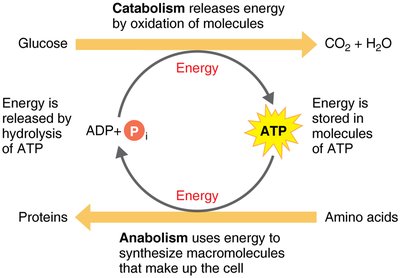
Metabolism encompasses all chemical reactions occurring within a living organism, balancing energy release and consumption. It is divided into two main classes: catabolism (energy-releasing, degradative reactions) and anabolism (energy-consuming, biosynthetic reactions).
Catabolism: Breaks down complex molecules into simpler ones, releasing energy.
Anabolism: Builds complex molecules from simpler ones, requiring energy input.
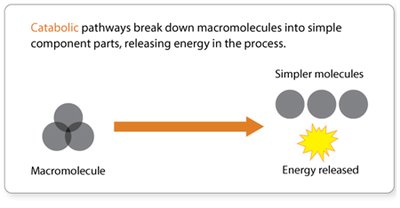
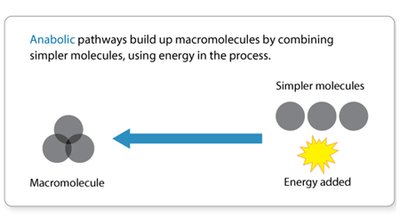
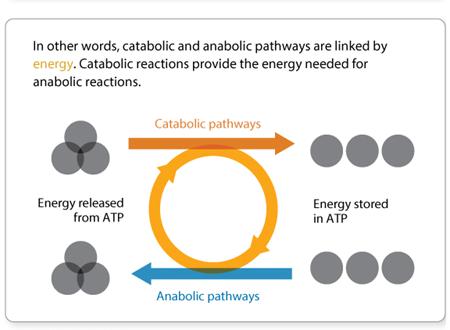
Catabolic & Anabolic Pathways
Catabolic and anabolic pathways are interconnected, with catabolic reactions providing the energy needed for anabolic reactions. Energy is stored in ATP during catabolism and released for anabolism.
Enzymes: Chemical Reaction Helpers
Metabolic pathways are sequences of enzymatically catalyzed reactions. Enzymes, encoded by genes, determine the pathway and act as biological catalysts, speeding up reactions without being consumed.
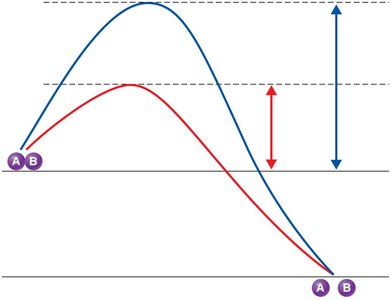
Enzymes: Proteins that accelerate chemical reactions by lowering activation energy.
Catalysts: Substances that speed up reactions without permanent change.
Collision Theory & Activation Energy
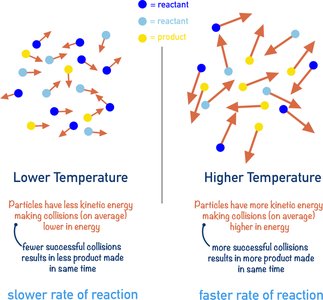
The collision theory explains that reactions occur when molecules collide with sufficient energy. Enzymes increase reaction rates by lowering the activation energy required.
Enzyme-Substrate Complex
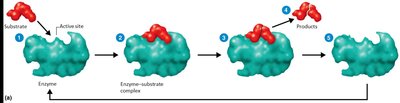
Enzymes bind substrates at their active site, forming an enzyme-substrate complex. The substrate is transformed into products, and the enzyme remains unchanged.
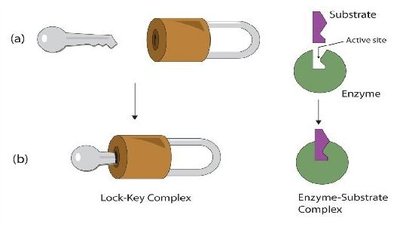
Enzyme Specificity and Efficiency
Enzymes are highly specific for their substrates and are extremely efficient, with turnover numbers ranging from 1 to 500,000 substrate molecules per second. Their activity is regulated by the cellular environment.
Enzyme Components
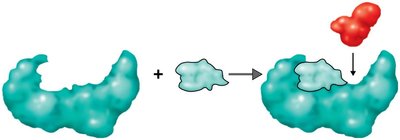
Most enzymes consist of a protein portion (apoenzyme) and a nonprotein component (cofactor). If the cofactor is organic, it is called a coenzyme. The active enzyme (holoenzyme) is formed when both components are present.
Apoenzyme: Protein portion, inactive alone.
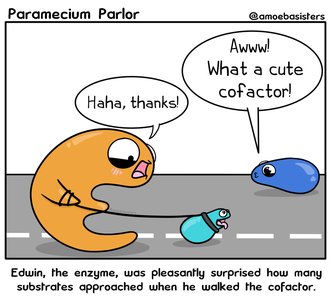
Cofactor: Nonprotein activator (e.g., metal ions).
Coenzyme: Organic cofactor, often a vitamin.
Holoenzyme: Active enzyme (apoenzyme + cofactor).
Selected Vitamins and Their Coenzymatic Functions
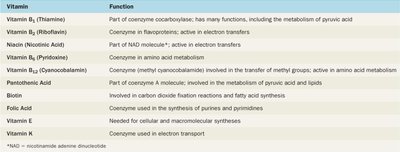
Many coenzymes are derived from vitamins, which play essential roles in metabolism.
Vitamin | Function |
|---|---|
Vitamin B1 (Thiamine) | Coenzyme in decarboxylase; metabolism of pyruvic acid |
Vitamin B2 (Riboflavin) | Coenzyme in flavoproteins; electron transfers |
Niacin (Nicotinic Acid) | Part of NAD molecule; electron transfers |
Vitamin B6 (Pyridoxine) | Coenzyme in amino acid metabolism |
Vitamin B12 (Cyanocobalamin) | Coenzyme in methyl group transfer; amino acid metabolism |
Pantothenic Acid | Part of coenzyme A; metabolism of pyruvic acid and lipids |
Biotin | Carbon dioxide fixation; fatty acid synthesis |
Folic Acid | Synthesis of purines and pyrimidines |
Vitamin E | Cellular and macromolecular syntheses |
Vitamin K | Electron transport |
Factors Influencing Enzyme Activity
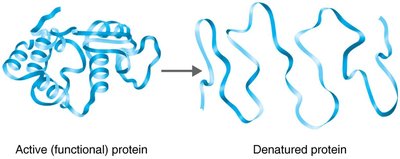
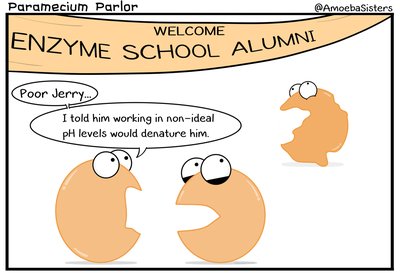
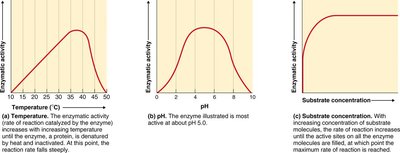
Enzyme activity is affected by temperature, pH, substrate concentration, and inhibitors. Extreme conditions can denature enzymes, rendering them inactive.
Enzyme Inhibitors
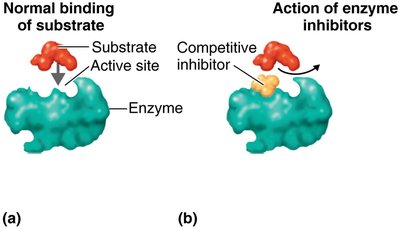
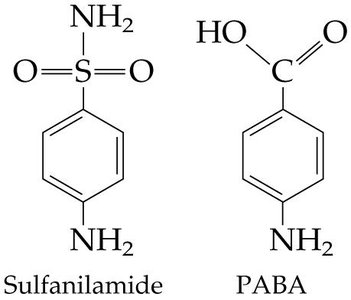
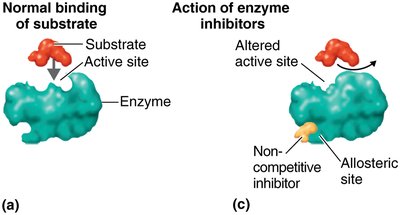
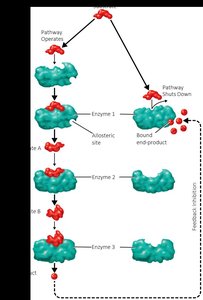
Enzyme inhibitors regulate metabolic pathways and can be used to control microbial growth. They are classified as competitive or noncompetitive.
Competitive inhibitors: Bind to the active site, blocking substrate access.
Noncompetitive inhibitors: Bind to an allosteric site, altering enzyme shape and function.
Energy Production and Redox Reactions
ATP: The Energy Currency
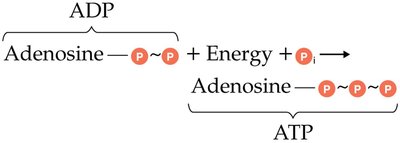
Cells capture energy released from catabolic reactions in the form of ATP, which contains high-energy bonds that are easily broken to release energy for cellular processes.
Oxidation-Reduction (Redox) Reactions
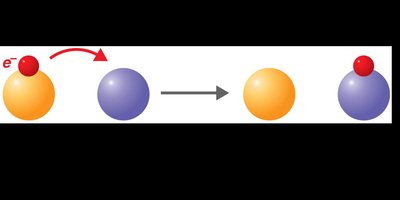
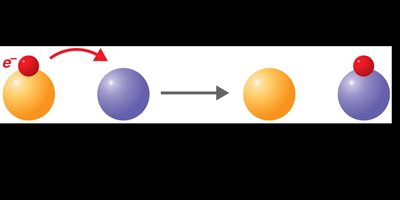
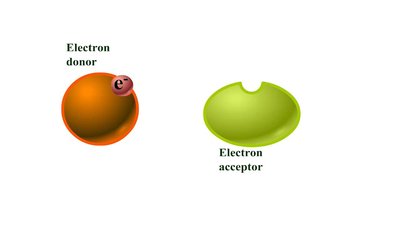
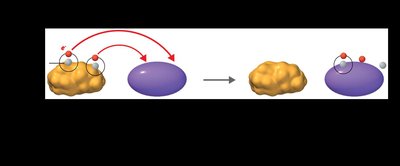
Redox reactions involve the transfer of electrons. Oxidation is the loss of electrons, while reduction is the gain of electrons. These reactions are always coupled, forming the basis of energy transfer in cells.
ATP Generation
ATP is generated by phosphorylation, the addition of a phosphate group to ADP. There are three main mechanisms:
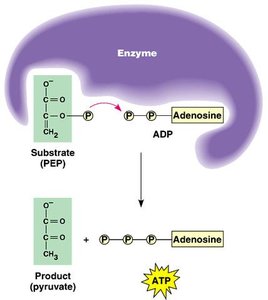
Substrate-level phosphorylation: Direct transfer of phosphate to ADP from a substrate.
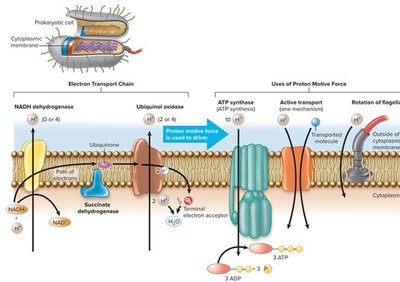
Oxidative phosphorylation: Electrons transferred through the electron transport chain, generating ATP via chemiosmosis.
Photophosphorylation: (not covered here) Occurs in photosynthetic organisms.
Carbohydrate Catabolism
Aerobic Respiration
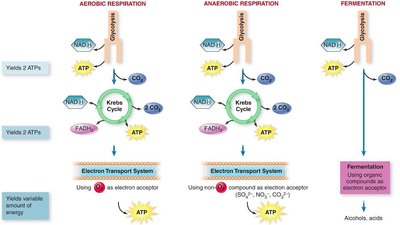
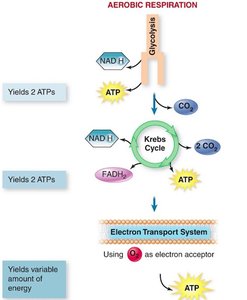
Aerobic respiration is the breakdown of carbohydrates to release energy, involving glycolysis, the transition step and Krebs cycle, and the electron transport chain.
Glycolysis: Oxidation of glucose to pyruvic acid, producing ATP and NADH.
Transition step & Krebs cycle: Further oxidation, producing NADH, FADH2, ATP, and CO2.
Electron transport chain: Electrons transferred through carrier molecules, generating ATP by chemiosmosis.
Glycolysis
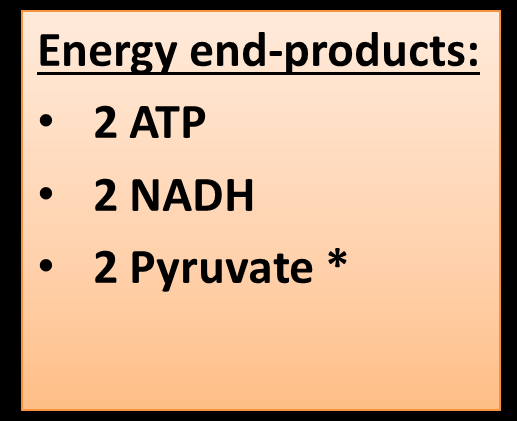
Glycolysis occurs in the cytoplasm of all cells and does not require oxygen. It produces:
2 ATP
2 NADH
2 Pyruvate
Transition Step & Krebs Cycle
The transition step converts pyruvate to acetyl-CoA, which enters the Krebs cycle. The cycle produces NADH, FADH2, ATP, and CO2.
Electron Transport Chain (ETC)
The ETC is located in the plasma membrane of prokaryotes and the inner mitochondrial membrane of eukaryotes. It consists of flavoproteins, cytochromes, and ubiquinones. Electrons are passed down the chain, and energy released is used to produce ATP by chemiosmosis.
Total ATP Yield
Aerobic respiration in prokaryotes yields a total of 38 ATP per glucose molecule:
Stage | Net ATP Yield |
|---|---|
Glycolysis | 2 ATP |
Transition step | 0 ATP |
Krebs cycle | 2 ATP |
ETC | 34 ATP |
Total | 38 ATP |
Anaerobic Respiration
Anaerobic respiration uses a final electron acceptor other than oxygen, resulting in less ATP production (5 to 37 ATP per glucose).
Fermentation
Fermentation occurs when cells cannot carry out respiration due to lack of oxygen, electron transport system, or Krebs cycle enzymes. It releases energy from organic molecules, does not require oxygen, and produces small amounts of ATP.
Lactic acid fermentation: Produces lactic acid.
Alcohol fermentation: Produces ethanol and CO2.
Catabolism of Macromolecules
Lipid Catabolism
Lipids are broken down by lipases into fatty acids and glycerol, which are then metabolized separately. The Krebs cycle oxidizes these components for energy production.
Protein Catabolism
Proteins are degraded by proteases and peptidases into amino acids, which are further processed (deaminated, decarboxylated, desulfurized) to enter the Krebs cycle.
Additional info: The notes have been expanded to include definitions, examples, and context for each topic, as well as relevant images and tables for clarity.
