 Back
BackMicrobial Metabolism: Structured Study Notes
Study Guide - Smart Notes
 Tailored notes based on your materials, expanded with key definitions, examples, and context.
Microbial Metabolism
Overview of Metabolism
Metabolism refers to the collection of controlled biochemical reactions that occur within a microbe. The ultimate function of metabolism is to reproduce the organism. These reactions are guided by a series of elementary statements that describe how cells acquire nutrients, utilize energy, and grow.
Metabolism: All chemical reactions in a cell, including both catabolic and anabolic pathways.
Cells acquire nutrients and use energy from light or catabolism of nutrients.
Energy is stored in adenosine triphosphate (ATP).
Cells catabolize nutrients to form precursor metabolites, which are used in anabolic reactions to build macromolecules.
Growth and reproduction occur after cells assemble macromolecules and double in size.
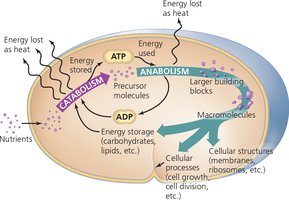
Catabolism and Anabolism
Metabolic reactions are divided into two major classes: catabolic and anabolic pathways. These pathways are interconnected and essential for cellular function.
Catabolic pathways: Break larger molecules into smaller products; these reactions are exergonic (release energy).
Anabolic pathways: Synthesize large molecules from smaller products; these reactions are endergonic (require more energy than they release).
Energy released from catabolism is often used to drive anabolic reactions.
Oxidation and Reduction Reactions
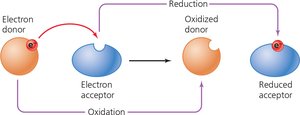
Oxidation-reduction (redox) reactions are fundamental to metabolism, involving the transfer of electrons between molecules. These reactions always occur simultaneously, and cells use electron carriers to facilitate electron transfer.
Oxidation: Loss of electrons from a molecule.
Reduction: Gain of electrons by a molecule.
Important electron carriers: NAD+, NADP+, FAD.
ATP Production and Energy Storage
Organisms release energy from nutrients and store it in high-energy phosphate bonds, primarily in ATP. ATP is produced by phosphorylation, which involves adding inorganic phosphate to ADP. There are three main mechanisms for ATP production:
Substrate-level phosphorylation: Direct transfer of phosphate between substrates.
Oxidative phosphorylation: Uses energy from redox reactions in the electron transport chain.
Photophosphorylation: Uses light energy to phosphorylate ADP.
The Roles of Enzymes in Metabolism
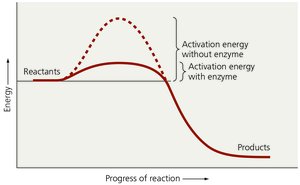
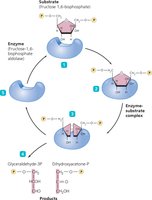
Enzymes are organic catalysts that increase the likelihood of chemical reactions. They lower the activation energy required for reactions, making metabolic processes more efficient.
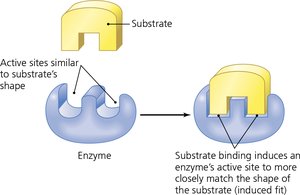
Enzyme: Protein that speeds up chemical reactions without being consumed.
Enzymes bind substrates at their active sites, often inducing a fit for optimal catalysis.
Factors Influencing Enzyme Activity
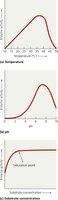
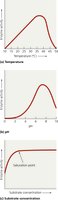
Several factors affect the rate of enzymatic reactions, including temperature, pH, enzyme and substrate concentrations, and the presence of inhibitors.
Optimal temperature and pH are required for maximal enzyme activity.
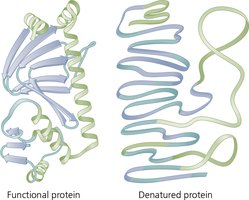
Enzyme denaturation occurs when conditions are too extreme, leading to loss of function.
Enzyme activity can be regulated by activators and inhibitors.
Enzyme Regulation: Activators and Inhibitors
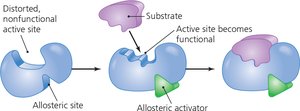
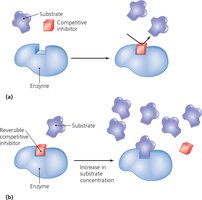
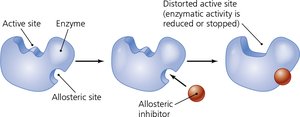
Enzyme activity is controlled by activators and inhibitors. Activators bind to sites other than the active site (allosteric sites) to activate enzymes, while inhibitors block enzyme activity.
Allosteric activation: Cofactor binds to allosteric site, making the active site functional.
Competitive inhibitors: Bind to the active site, preventing substrate binding.
Noncompetitive inhibitors: Bind to allosteric sites, changing enzyme shape and reducing activity.
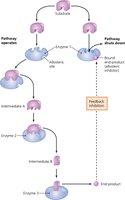
Feedback inhibition: End product of a pathway inhibits an earlier enzyme, regulating pathway activity.
Carbohydrate Catabolism
Glucose Catabolism: Cellular Respiration and Fermentation
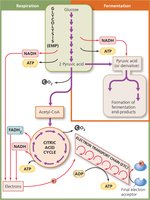
Many organisms use carbohydrates, especially glucose, as their primary energy source. Glucose is catabolized by cellular respiration or fermentation.
Cellular respiration: Complete oxidation of glucose to produce ATP via glycolysis, Krebs cycle, and electron transport chain.
Fermentation: Partial oxidation of glucose, providing cells with an alternative source of NAD+.
Glycolysis
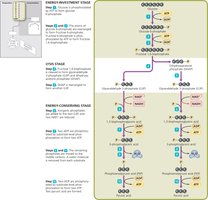
Glycolysis occurs in the cytoplasm and involves splitting a six-carbon glucose into two three-carbon molecules. It consists of three stages and ten steps, resulting in a net gain of two ATP, two NADH, and pyruvic acid.
Energy-investment stage: ATP is used to phosphorylate glucose.
Lysis stage: Glucose is split into two three-carbon molecules.
Energy-conserving stage: ATP and NADH are produced.
Cellular Respiration
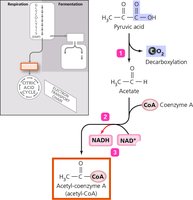
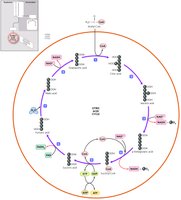
Cellular respiration consists of three stages: synthesis of acetyl-CoA, Krebs cycle, and electron transport chain. Pyruvic acid is completely oxidized to produce ATP.
Synthesis of acetyl-CoA: Pyruvic acid is converted to acetyl-CoA, producing NADH and CO2.
Krebs cycle: Acetyl-CoA is oxidized, transferring energy to NAD+ and FAD.
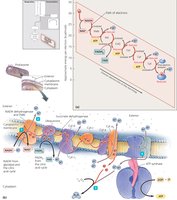
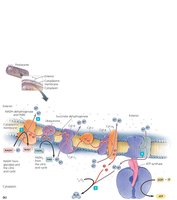
Electron transport chain (ETC): Electrons are passed through carrier molecules, generating a proton gradient used for ATP synthesis.
Chemiosmosis and ATP Yield
Chemiosmosis is the use of electrochemical gradients to generate ATP. Protons flow through ATP synthase, phosphorylating ADP to ATP. This process is called oxidative phosphorylation.
Total ATP yield from one molecule of glucose in prokaryotic aerobic respiration is approximately 34 ATP.
Fermentation
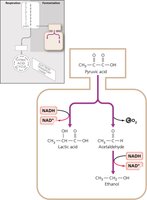
Fermentation provides cells with an alternative source of NAD+ when cellular respiration cannot occur. It involves partial oxidation of sugar, using an organic molecule as the final electron acceptor.
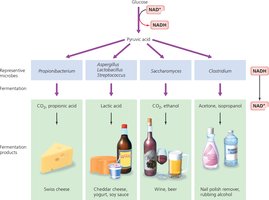
Fermentation products include lactic acid, ethanol, and other organic acids.
Different organisms produce different fermentation products.
Photosynthesis
Photosynthetic Structures and Pigments
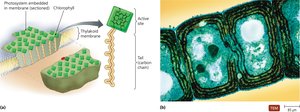
Photosynthesis is the process by which organisms synthesize organic molecules from inorganic carbon dioxide using light energy. Chlorophylls are key pigments that capture light energy.
Chlorophylls: Pigments with a hydrocarbon tail and light-absorbing active site centered on magnesium ion.
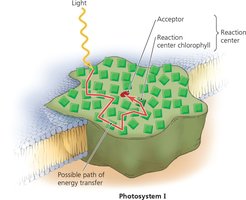
Photosystems: Arrangements of chlorophyll and other pigments in thylakoid membranes.
In prokaryotes, thylakoids are infoldings of the cytoplasmic membrane; in eukaryotes, they are part of chloroplasts.
Light-Dependent and Light-Independent Reactions
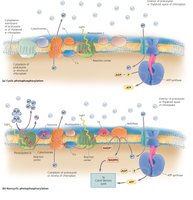
Photosynthesis consists of light-dependent and light-independent reactions. Light-dependent reactions use light energy to generate ATP and NADPH, while light-independent reactions synthesize glucose from CO2 and water.
Light-dependent reactions: Photophosphorylation can be cyclic or noncyclic.
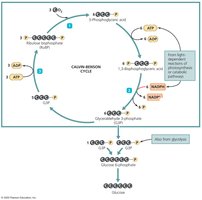
Light-independent reactions: Carbon fixation via the Calvin-Benson cycle.
Calvin-Benson Cycle
The Calvin-Benson cycle is the key light-independent reaction in photosynthesis. It consists of three steps: fixation of CO2, reduction, and regeneration of RuBP.
ATP and NADPH generated by light-dependent reactions are used in the Calvin-Benson cycle.
Summary Table: Comparison of Metabolic Pathways
Below is a summary table comparing aerobic respiration, anaerobic respiration, and fermentation (Additional info: Table inferred from context).
Pathway | Final Electron Acceptor | ATP Yield | End Products |
|---|---|---|---|
Aerobic Respiration | O2 | ~34 ATP | CO2, H2O |
Anaerobic Respiration | Other inorganic molecules (e.g., NO3-, SO42-) | Variable, less than aerobic | CO2, reduced inorganic compounds |
Fermentation | Organic molecules | 2 ATP | Organic acids, alcohols, gases |
Key Terms and Concepts
Metabolism: All chemical reactions in a cell.
Catabolism: Breakdown of molecules, releasing energy.
Anabolism: Synthesis of molecules, requiring energy.
ATP: Main energy currency of the cell.
Enzyme: Protein catalyst for biochemical reactions.
Glycolysis: First step in glucose catabolism.
Krebs cycle: Central metabolic pathway in cellular respiration.
Electron transport chain: Series of carriers for electron transfer and ATP synthesis.
Fermentation: Alternative pathway for energy production.
Photosynthesis: Light-driven synthesis of organic molecules.
Important Equations
ATP formation:
Glucose catabolism (aerobic):
Photosynthesis:
Additional info: Table and equations were inferred for completeness and academic context.
