 Back
Ch 6 Microbial Nutrition and Growth: Study Guide
Study Guide - Smart Notes
 Tailored notes based on your materials, expanded with key definitions, examples, and context.
Ch 6 - Microbial Nutrition and Growth
Roles of Essential Elements in Microbial Growth
Microbial growth and reproduction depend on the availability of essential elements such as carbon, hydrogen, oxygen, nitrogen, trace elements, and vitamins. These elements serve as building blocks for cellular structures and metabolic processes.
Carbon: Fundamental for organic molecules and cellular structures.
Hydrogen & Oxygen: Involved in water, organic compounds, and energy production.
Nitrogen: Required for amino acids, nucleotides, and proteins; some bacteria fix atmospheric nitrogen.
Trace Elements: Needed in small amounts for enzyme function (e.g., iron, zinc).
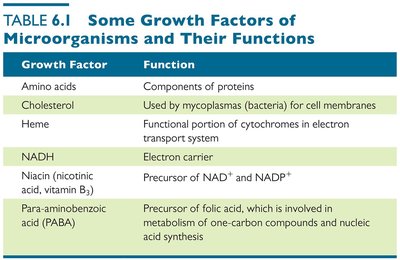
Vitamins (Growth Factors): Organic compounds required for metabolism; some microbes cannot synthesize them.
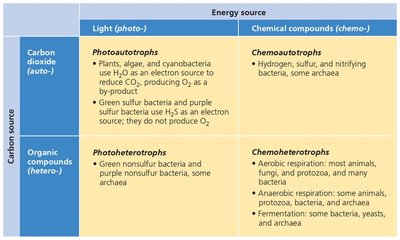
Categories of Organisms Based on Carbon and Energy Sources
Microorganisms are classified by their sources of carbon and energy. This classification helps understand their ecological roles and nutritional requirements.
Autotrophs: Use carbon dioxide as a carbon source.
Heterotrophs: Use organic compounds as a carbon source.
Phototrophs: Use light as an energy source.
Chemotrophs: Use chemical compounds as an energy source.
Carbon Source | Energy Source | Examples |
|---|---|---|
CO2 (auto-) | Light (photo-) | Photoautotrophs: Plants, algae, cyanobacteria |
CO2 (auto-) | Chemical compounds (chemo-) | Chemoautotrophs: Hydrogen, sulfur, nitrifying bacteria |
Organic compounds (hetero-) | Light (photo-) | Photoheterotrophs: Green and purple nonsulfur bacteria |
Organic compounds (hetero-) | Chemical compounds (chemo-) | Chemoheterotrophs: Most animals, fungi, protozoa, many bacteria |
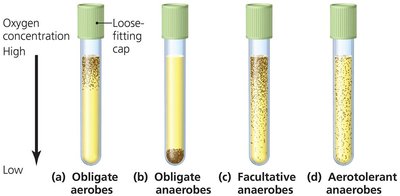
Oxygen Requirements and Toxicity
Microbes vary in their oxygen requirements, which affects their growth and survival. Oxygen can be essential or toxic depending on the organism's metabolic capabilities.
Obligate aerobes: Require oxygen for growth.
Obligate anaerobes: Oxygen is toxic; they grow only in its absence.
Facultative anaerobes: Can grow with or without oxygen.
Aerotolerant anaerobes: Tolerate oxygen but do not use it.
Microaerophiles: Require low oxygen concentrations.
Toxic forms of oxygen include singlet oxygen, superoxide radicals, peroxide anion, and hydroxyl radical. Organisms protect themselves using enzymes such as superoxide dismutase and catalase.
Physical Requirements for Growth
Microbial growth is influenced by physical factors such as temperature, pH, and water availability.
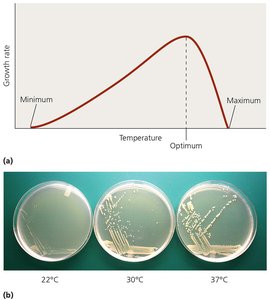
Temperature
Affects protein structure and membrane fluidity.
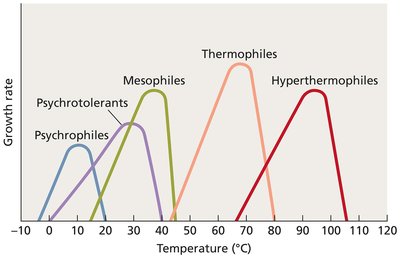
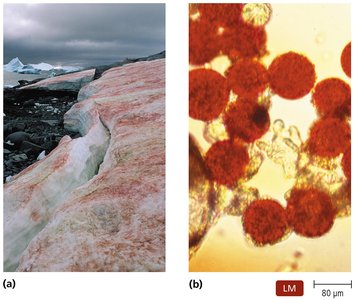
Microbes are classified by their temperature preferences: psychrophiles, mesophiles, thermophiles, hyperthermophiles.
pH
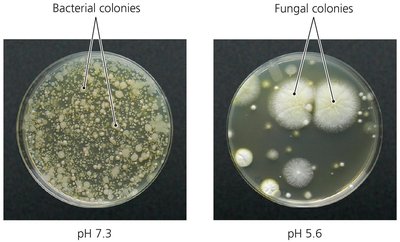
Neutrophiles grow best at neutral pH.
Acidophiles thrive in acidic environments.
Alkalinophiles prefer alkaline conditions.
Water, Osmotic, and Hydrostatic Pressure
Water is essential for dissolving nutrients and metabolic reactions.
Osmotic pressure affects cell integrity; halophiles thrive in high-salt environments.
Hydrostatic pressure is important for barophiles living in deep environments.
Biofilms and Quorum Sensing
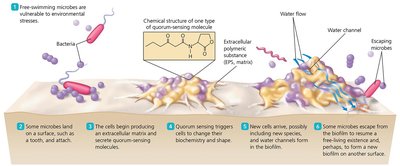
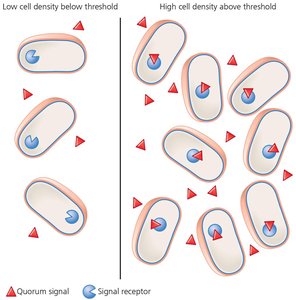
Microorganisms often live in complex communities called biofilms, which form as a result of quorum sensing—a process where cells communicate and coordinate behavior based on population density.
Biofilms are more resistant to environmental stresses and antimicrobial agents.
Quorum sensing involves the production and detection of signaling molecules.
Methods for Collecting Clinical Specimens
Clinical specimens are collected from various body sites using specific techniques to ensure accuracy and prevent contamination.
Type/Location | Collection Method |
|---|---|
Skin, mucous membranes | Sterile swab brushed across surface |
Blood | Needle aspiration from vein |
Cerebrospinal fluid | Needle aspiration from subarachnoid space |
Stomach | Intubation via nostril |
Urine | Catheter insertion or clean-catch method |
Lungs | Collection of sputum |
Diseased tissue | Surgical removal (biopsy) |

Isolation and Culturing of Microorganisms
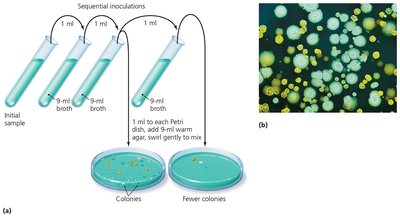
Pure cultures are obtained using aseptic techniques and isolation methods such as streak plates and pour plates. These methods allow for the study of individual microbial species.
Streak plate method: Dilutes cells across an agar surface to isolate colonies.
Pour plate method: Involves serial dilution and mixing with agar to isolate colonies.
Types of Culture Media
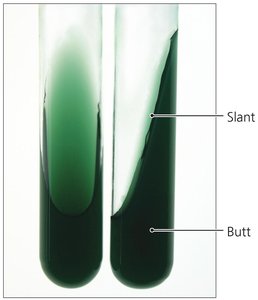
Culture media provide nutrients for microbial growth. They are classified based on their composition and purpose.
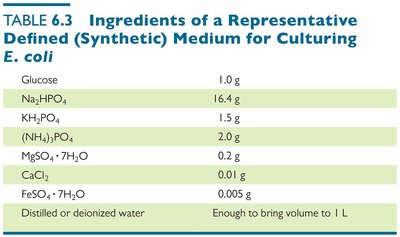
Defined media: Exact chemical composition is known.
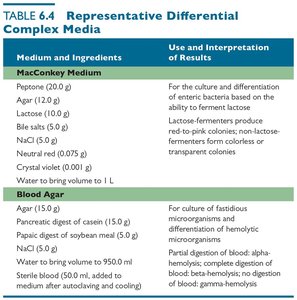
Complex media: Contains nutrients from natural sources; composition is not precisely known.
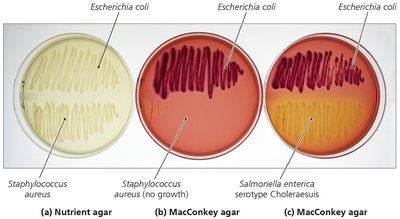
Selective media: Favors or inhibits growth of specific microbes.
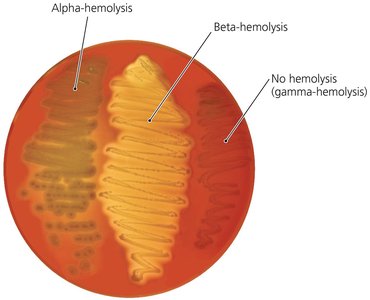
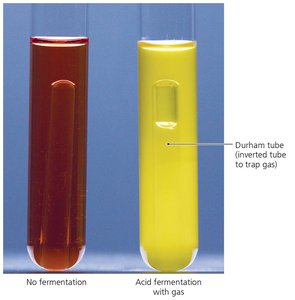
Differential media: Distinguishes microbes based on visible changes.
Anaerobic media: Supports growth of anaerobes.
Transport media: Maintains and protects clinical specimens during transport.
Preserving Microbial Cultures
Microbial cultures are preserved using methods such as refrigeration (short-term), deep-freezing (long-term), and lyophilization (very long-term).
Microbial Reproduction: Binary Fission
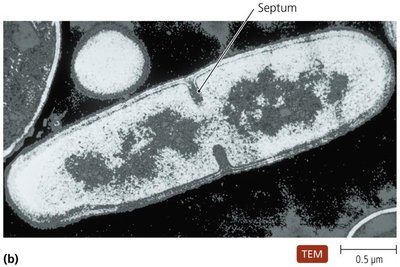
Most bacteria reproduce by binary fission, a process where a single cell divides into two identical daughter cells. The generation time is the period required for a cell to divide.
Binary fission involves chromosome replication, septum formation, and cell separation.
Generation time varies with environmental conditions.
Logarithmic Growth and Bacterial Growth Curve
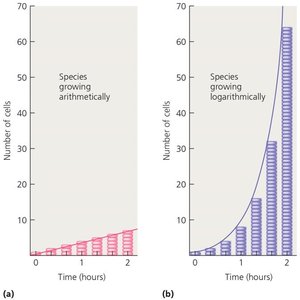
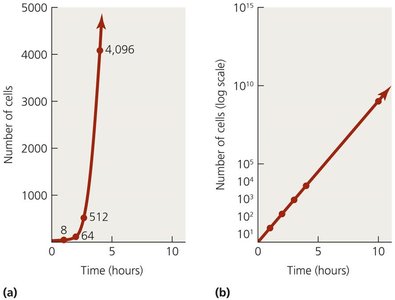
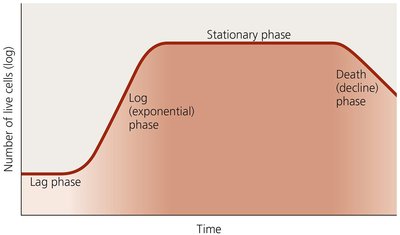
Bacterial populations grow logarithmically, resulting in rapid increases in cell numbers. The growth curve consists of four phases: lag, log (exponential), stationary, and death (decline).
Lag phase: Cells adapt to environment; no division.
Log phase: Rapid, exponential growth.
Stationary phase: Growth rate slows; nutrients deplete.
Death phase: Cells die due to lack of nutrients and accumulation of waste.
Measuring Microbial Reproduction
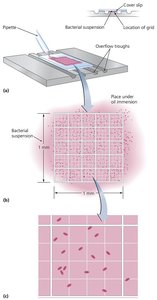
Microbial population size is measured using direct and indirect methods.
Direct methods: Microscopic counts, electronic counters, serial dilution, viable plate counts, membrane filtration.
Indirect methods: Turbidity (spectrophotometry), metabolic activity, dry weight, molecular methods (DNA analysis).
Key Equations
Logarithmic growth equation:
Where is the number of cells at time t, is the initial number of cells, and is the number of generations.
Generation time calculation:
Where is generation time, is total time, and is number of generations.
Summary Table: Microbial Growth Requirements
Requirement | Role |
|---|---|
Carbon | Structural and metabolic component |
Energy | Drives cellular processes |
Nitrogen | Protein and nucleic acid synthesis |
Trace elements | Enzyme cofactors |
Vitamins | Metabolic functions |
Temperature | Protein stability, membrane fluidity |
pH | Enzyme activity, cell integrity |
Water | Solvent, metabolic reactions |
Additional info: This guide expands on brief points with academic context, definitions, and examples to ensure completeness and clarity for exam preparation.
