 Back
BackMicrobial Nutrition and Growth: Study Guide and Key Concepts
Study Guide - Smart Notes
 Tailored notes based on your materials, expanded with key definitions, examples, and context.
Microbial Nutrition and Growth
Key Vocabulary and Definitions
Understanding the terminology is essential for mastering microbial nutrition and growth. Below are definitions and explanations of important terms:
Chemoheterotroph: Microorganism that uses organic compounds for both energy and carbon.
Photoautotroph: Microorganism that requires light energy and uses carbon dioxide as a carbon source.
Mesophile: Microorganisms requiring temperatures ranging from 20°C to 40°C.
Psychrophile: Microorganisms requiring cold temperatures (below 20°C).
Thermophile: Microorganisms requiring temperatures above 45°C.
Hyperthermophile: Microorganisms requiring temperatures above 80°C.
Growth Curve: Graph that plots the number in a population over time.
Lag Phase: Phase in a growth curve in which the organisms are adjusting to their environment.
Logarithmic Phase: Phase in a growth curve in which population is most actively growing.
Stationary Phase: Phase in a growth curve in which new organisms are produced at the same rate at which older organisms are dying.
Biofilm: A slimy community of microbes growing on a surface.
Anaerobe: An organism that cannot tolerate oxygen.
Aerobe: An organism that uses oxygen as a final electron acceptor.
Facultative Anaerobe: Microorganisms that can live with or without oxygen.
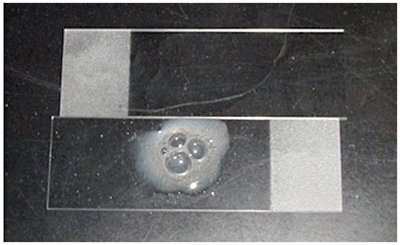
Catalase: A common enzyme found in nearly all living organisms exposed to oxygen, catalyzing the decomposition of hydrogen peroxide to water and oxygen.
Roles of Elements and Growth Factors in Microbial Growth
Microbial growth depends on the availability of essential elements and growth factors:
Carbon (C): Required for building organic molecules; autotrophs use CO2, heterotrophs use organic compounds.
Hydrogen (H) & Oxygen (O): Integral to water, organic molecules, and energy production.
Nitrogen (N): Needed for amino acids, nucleic acids; some bacteria fix atmospheric nitrogen.
Trace Elements: Required in small amounts for enzyme function (e.g., iron, zinc).
Growth Factors: Organic chemicals that cannot be synthesized by certain organisms (e.g., vitamins, amino acids).
Classification of Microbes by Carbon and Energy Source
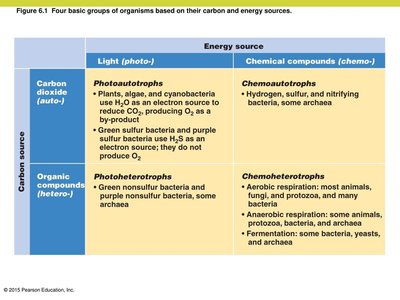
Microbes are classified based on their sources of carbon and energy:
Autotrophs: Use inorganic carbon (CO2).
Heterotrophs: Use organic carbon sources.
Chemotrophs: Obtain energy from chemical compounds.
Phototrophs: Obtain energy from light.
Carbon Source | Energy Source | Example |
|---|---|---|
CO2 (auto-) | Light (photo-) | Photoautotrophs: Plants, algae, cyanobacteria |
CO2 (auto-) | Chemical compounds (chemo-) | Chemolithoautotrophs: Sulfur, nitrifying bacteria |
Organic compounds (hetero-) | Light (photo-) | Photoheterotrophs: Green non-sulfur bacteria |
Organic compounds (hetero-) | Chemical compounds (chemo-) | Chemoheterotrophs: Most animals, fungi, protozoa |
Oxygen Requirements and Protection from Oxygen Radicals
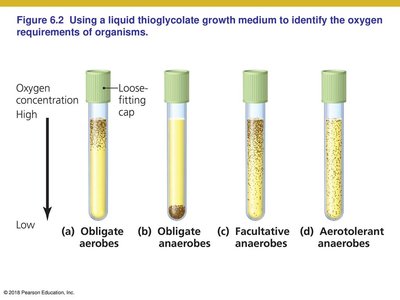
Microorganisms differ in their oxygen requirements and their ability to protect themselves from toxic oxygen species:
Aerobes: Require oxygen; possess enzymes (e.g., catalase, superoxide dismutase) to neutralize toxic oxygen radicals.
Anaerobes: Cannot tolerate oxygen; lack protective enzymes.
Facultative Anaerobes: Can grow with or without oxygen.
Oxygen Radicals: Highly reactive forms of oxygen (e.g., superoxide, peroxide, hydroxyl radical) can damage cellular components.
Catalase Test: Used to identify organisms that produce catalase, an enzyme that breaks down hydrogen peroxide.
Nitrogen Fixation and Other Growth Requirements
Nitrogen is essential for microbial growth, and some bacteria can fix atmospheric nitrogen:
Nitrogen Fixation: Conversion of nitrogen gas (N2) to ammonia (NH4+) by certain bacteria, making nitrogen available to other organisms.
Phosphorus: Required for nucleic acids, ATP, phospholipids.
Sulfur: Needed for amino acids, vitamins.
Trace Elements: Required in small amounts for enzyme activity.
Growth Factors: Organic molecules that some microbes cannot synthesize (e.g., vitamins).
Physical Requirements for Growth
Microbial growth is influenced by physical factors such as temperature, pH, and water availability:
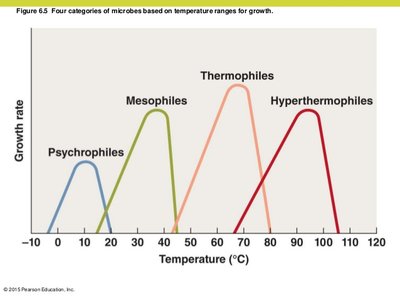
Temperature: Affects protein structure and membrane fluidity. Microbes are classified by their optimal temperature ranges:
Psychrophiles: Below 15°C
Mesophiles: 20–40°C (includes most human pathogens)
Thermophiles: Above 45°C
Hyperthermophiles: Above 80°C
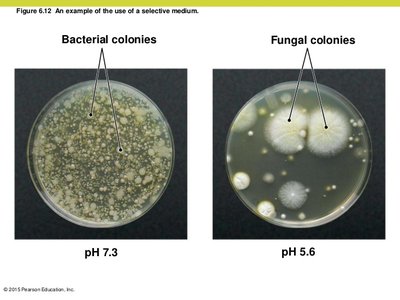
pH: Microbes are sensitive to pH changes, which affect protein structure and DNA stability.
Neutrophiles: Optimal growth at pH 7
Acidophiles: Optimal growth in acidic environments
Alkalinophiles: Optimal growth in alkaline environments
Water: Essential for metabolic reactions; cells die without water. Endospores and cysts can survive dry conditions.
Osmotic Pressure: Affects cell water balance; obligate halophiles require high salt concentrations.
Bacterial Growth and Reproduction
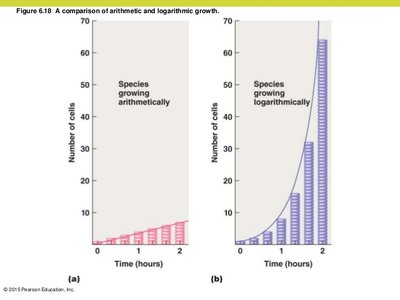
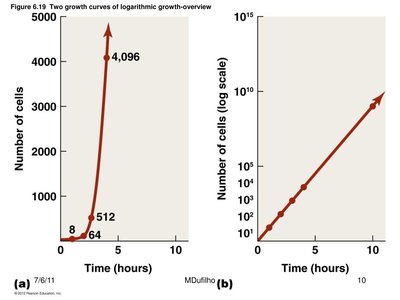
Bacteria reproduce rapidly by binary fission, leading to exponential population growth:
Binary Fission: Process in which a cell grows, replicates its chromosome, and divides into two daughter cells.
Generation Time: Time required for a bacterial cell to grow and divide; depends on environmental conditions.
Population Calculation: Where is the total number of cells, is the starting number, and is the number of generations.
Microbial Growth Curve
The microbial growth curve describes population changes over time in four distinct phases:
Lag Phase: Cells adjust to environment; little population increase.
Log (Exponential) Phase: Rapid cell division; population increases logarithmically. Cells are most susceptible to antibiotics.
Stationary Phase: Nutrients deplete, waste accumulates; cell division rate equals cell death rate.
Death (Decline) Phase: Cell death rate exceeds division; population declines.

Measuring Microbial Reproduction
Microbial population size can be measured using several methods:
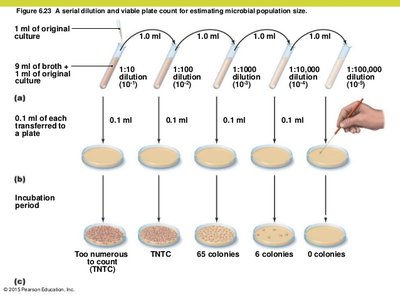
Serial Dilution and Plate Count: Diluting a sample and plating to count colonies.
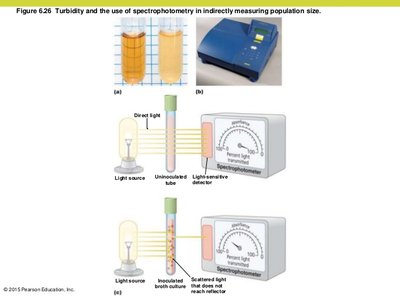
Turbidity (Spectrophotometry): Measuring cloudiness of a culture to estimate cell density.
Microbial Associations and Biofilms
Microbes often exist in complex communities called biofilms, which have significant implications for health and the environment:
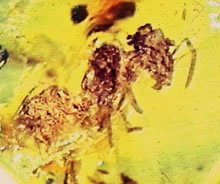
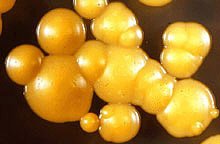
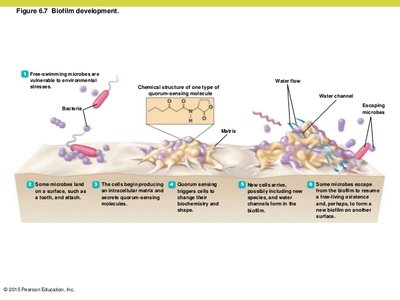
Biofilm: Aggregation of microorganisms on surfaces, often formed via quorum sensing.
Quorum Sensing: Microbes communicate via signaling molecules to coordinate behavior and biofilm formation.
Extracellular Matrix: Secreted by microbes, adheres cells, sequesters nutrients, and provides protection.
Biofilm Locations: Exposed tissue surfaces, environmental surfaces, medical devices, mucous membranes.
Biofilm-Associated Infections: Difficult to treat due to protection by matrix and altered gene expression.
Examples and Applications of Biofilms
Biofilms can be both harmful and beneficial:
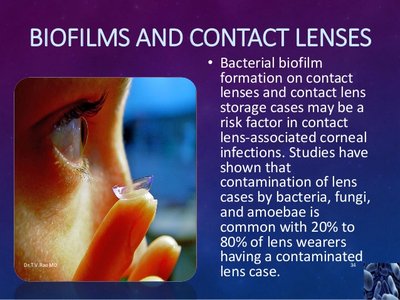
Harmful: Persistent infections (e.g., endocarditis, colonization of medical devices), contamination of contact lenses.
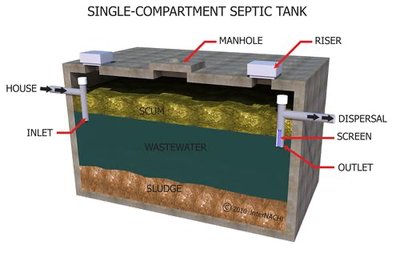
Beneficial: Sewage treatment, septic tanks.
Prevention: Scientists are developing quorum sensing inhibitors and surface-bonded chemicals to prevent biofilm formation.
Summary Table: Microbial Growth Requirements
Requirement | Role in Growth | Example |
|---|---|---|
Carbon | Building organic molecules | CO2 for autotrophs, glucose for heterotrophs |
Nitrogen | Amino acids, nucleic acids | Nitrogen fixation by Rhizobium |
Phosphorus | DNA, RNA, ATP | Phosphate in media |
Sulfur | Amino acids, vitamins | Sulfate in media |
Trace Elements | Enzyme function | Iron, zinc |
Growth Factors | Cannot be synthesized by some microbes | Vitamins, amino acids |
Additional info: The study notes above expand on brief points from the original material, providing academic context, definitions, and examples to ensure completeness and usefulness for exam preparation.
