 Back
BackMicrobial Nutrition and Growth: Study Guide
Study Guide - Smart Notes
 Tailored notes based on your materials, expanded with key definitions, examples, and context.
Microbial Nutrition and Growth
Introduction to Microbial Growth
Microbial growth refers to the increase in the population of microbes, typically measured as an increase in cell numbers. Growth results in the formation of discrete colonies, which are aggregations of cells arising from a single parent cell. Reproduction is closely linked to growth, as each division increases the population.
Growth Requirements
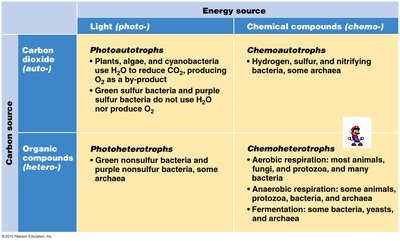
Microorganisms require nutrients for energy and to build cellular structures. The most common nutrients include carbon, oxygen, nitrogen, and hydrogen. Microbes obtain these nutrients from various sources, and their requirements can be classified based on their energy and carbon sources.
Autotrophs: Use carbon dioxide as a carbon source.
Heterotrophs: Use organic compounds as a carbon source.
Chemotrophs: Obtain energy from chemical compounds.
Phototrophs: Obtain energy from light.
Oxygen Requirements
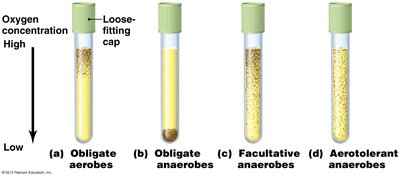
Microbes vary in their need for oxygen. Oxygen can be essential, toxic, or tolerated depending on the organism's metabolic capabilities.
Obligate aerobes: Require oxygen for survival.
Obligate anaerobes: Oxygen is toxic; they cannot survive in its presence.
Facultative anaerobes: Can use oxygen if present but can switch to fermentation in its absence.
Aerotolerant anaerobes: Tolerate oxygen but do not use it for metabolism.
Toxic Forms of Oxygen
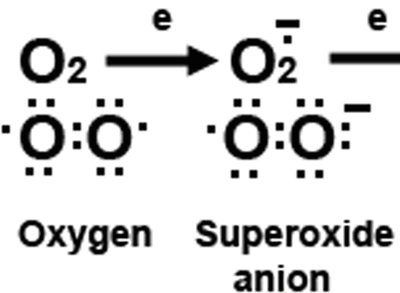
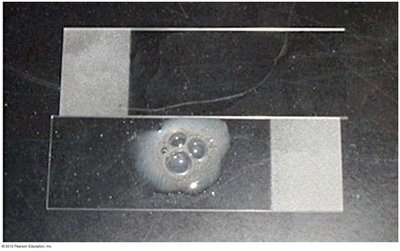
Oxygen can form highly reactive species that are toxic to cells. These include singlet oxygen, superoxide radicals, peroxide anion, and hydroxyl radical. Aerobes and facultative anaerobes possess enzymes to neutralize these toxic forms, such as superoxide dismutase and catalase. Obligate anaerobes lack these enzymes and are killed by oxygen.
Superoxide dismutase: Neutralizes superoxide radicals.
Catalase: Breaks down hydrogen peroxide.
Nitrogen Requirements
Nitrogen is essential for the synthesis of amino acids and nucleotides. Anabolism often ceases if nitrogen is insufficient. Microbes acquire nitrogen from organic and inorganic sources and recycle it from cellular components. Nitrogen fixation by certain bacteria is crucial for life on Earth.
Physical Requirements for Growth
Temperature
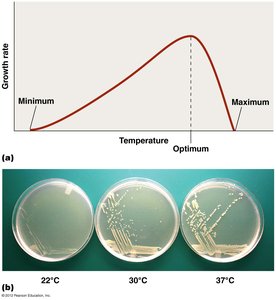
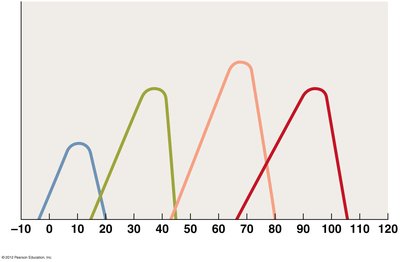
Temperature affects microbial proteins and membranes. Extreme temperatures can cause denaturation or alter membrane fluidity. Microbes are classified based on their optimal temperature ranges:
Psychrophiles: Grow best at low temperatures.
Mesophiles: Grow best at moderate temperatures (most human pathogens).
Thermophiles: Grow best at high temperatures.
Hyperthermophiles: Grow best at very high temperatures.
pH
Microbes are sensitive to acidity, as H+ and OH- ions interfere with hydrogen bonding. They are classified as:
Neutrophiles: Grow best at neutral pH.
Acidophiles: Grow best in acidic environments (e.g., Lactobacillus acidophilus).
Alkalinophiles: Grow best in alkaline environments.
Water
Water is essential for dissolving enzymes and nutrients and is a reactant in many metabolic reactions. Most cells die without water, but some can retain water or form endospores and cysts to survive. Water affects microbes through osmotic and hydrostatic pressure.
Osmotic pressure: Pressure exerted by solutes on a semipermeable membrane.
Obligate and facultative halophiles: Organisms that thrive in high salt concentrations.
Biofilms
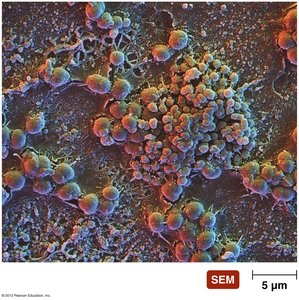
Biofilms are complex communities of microorganisms that develop an extracellular matrix, adhere to surfaces, sequester nutrients, and protect individuals within the biofilm. Biofilms form as a result of quorum sensing and are often more harmful than individual microbes.
Culturing Microorganisms
Obtaining Pure Cultures
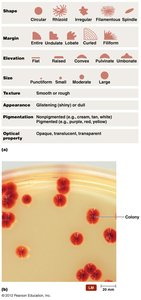
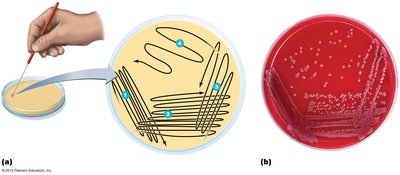
Pure cultures are composed of cells arising from a single progenitor, known as a colony-forming unit (CFU). Aseptic techniques prevent contamination. Common isolation methods include streak plates and pour plates.
Streak plate: Used to isolate individual colonies.
Pour plate: Used to separate colonies by dilution.
Culture Media
Culture media are used to grow microorganisms in the laboratory. There are six main types:
Defined media: Exact chemical composition is known.
Complex media: Contains nutrients from natural sources; composition is not precisely known.
Selective media: Favors growth of specific microbes.
Differential media: Distinguishes between different microbes based on their biological characteristics.
Anaerobic media: Supports growth of anaerobes.
Transport media: Used to preserve and transport specimens.
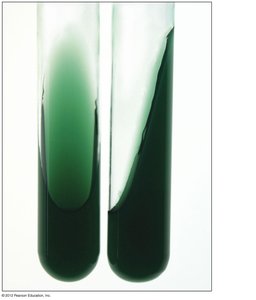
Selective Media Example
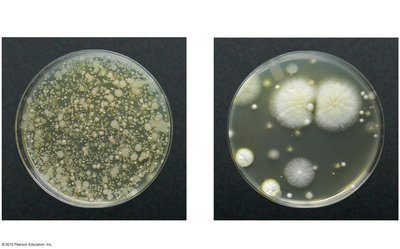
Selective media can be based on pH to favor growth of certain organisms, such as fungi or bacteria.
Differential Media Example: Blood Agar
Blood agar differentiates bacteria based on their hemolytic properties:
Beta-hemolysis: Complete lysis of red blood cells.
Alpha-hemolysis: Partial lysis.
Gamma-hemolysis: No lysis.
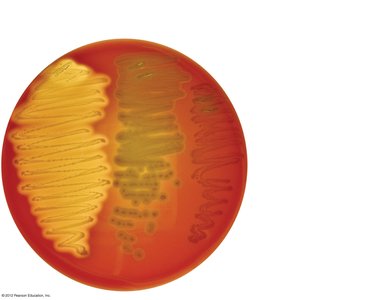
Differential Media Example: Carbohydrate Metabolism
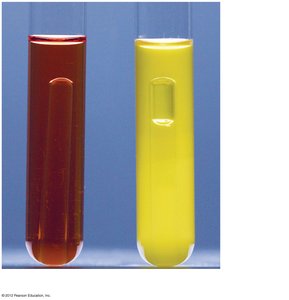
Some media differentiate microbes based on their ability to ferment carbohydrates, often using a Durham tube to detect gas production.
Selective & Differential Media: MacConkey Agar
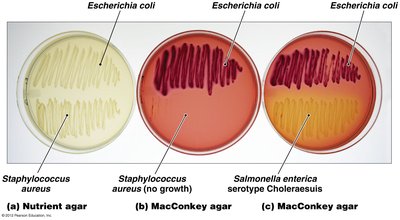
MacConkey agar is both selective and differential. It selects for gram-negative bacteria and differentiates them based on lactose fermentation.
Special Culture Techniques
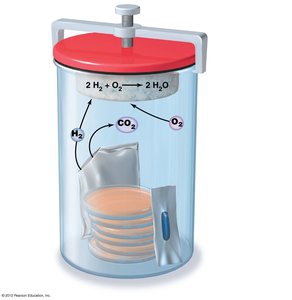
Special techniques are used to culture microorganisms with unique requirements, such as anaerobes. Anaerobic culture systems remove oxygen and provide an environment suitable for anaerobic growth.
Preserving Cultures
Microbial cultures can be preserved by refrigeration (short-term), deep-freezing (years), or lyophilization (decades).
Bacterial Growth and Reproduction
Binary Fission
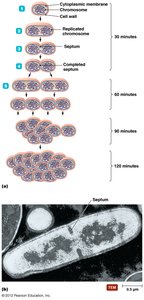
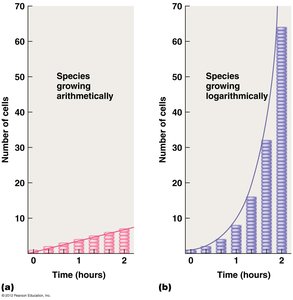
Bacteria reproduce by binary fission, a process that increases the number of cells. The generation time is the period required for a bacterial cell to grow and divide, which varies among species and depends on environmental conditions.

Bacterial Growth Curve
Bacterial populations grow in a characteristic pattern, described by the growth curve:
Lag phase: Cells adjust to environment; no growth.
Log (exponential) phase: Rapid cell division.
Stationary phase: Growth rate slows; nutrients deplete.
Death (decline) phase: Cells die as conditions worsen.
Chemostat
A chemostat is a bioreactor that maintains a constant culture volume by continuously adding fresh medium and removing culture liquid. It allows control of microbial growth rate by adjusting the flow rate of medium.
Measuring Microbial Reproduction
Direct Methods
Direct methods for measuring microbial reproduction include:
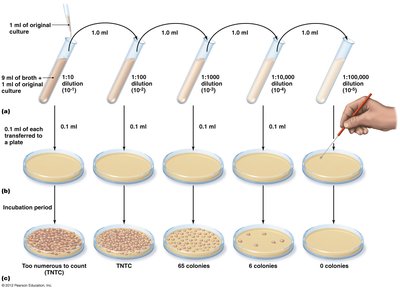
Serial dilution and viable plate count: Diluting samples and counting colonies.
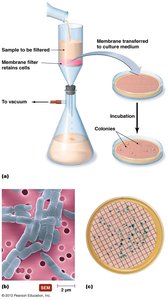
Membrane filtration: Filtering samples and culturing retained cells.
Most probable number: Statistical estimation of cell numbers.
Microscopic counts: Counting cells under a microscope.
Electronic counters: Automated cell counting.
Indirect Methods
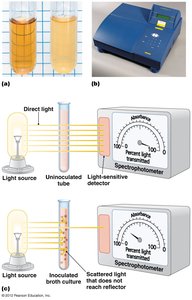
Indirect methods estimate microbial numbers by measuring metabolic activity, dry weight, or turbidity. Turbidity is measured using a spectrophotometer, which quantifies the cloudiness of a culture.
Summary Table: Microbial Growth Requirements
Requirement | Key Points | Examples |
|---|---|---|
Carbon Source | Autotrophs (CO2), Heterotrophs (organic compounds) | Plants, bacteria, fungi |
Energy Source | Chemotrophs (chemicals), Phototrophs (light) | Algae, cyanobacteria, protozoa |
Oxygen Requirement | Obligate aerobes, obligate anaerobes, facultative anaerobes, aerotolerant anaerobes | E. coli, Clostridium, Lactobacillus |
Temperature | Psychrophiles, mesophiles, thermophiles, hyperthermophiles | Archaea, human pathogens |
pH | Neutrophiles, acidophiles, alkalinophiles | Lactobacillus, Bacillus |
Water | Osmotic and hydrostatic pressure, halophiles | Halobacterium |
