 Back
BackMicrobial Symbioses with Humans: The Human Microbiome
Study Guide - Smart Notes
 Tailored notes based on your materials, expanded with key definitions, examples, and context.
Microbial Symbioses with Humans
Introduction to the Human Microbiome
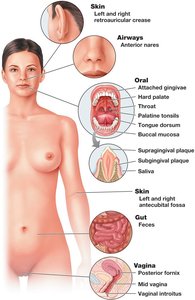
The human body is host to a vast array of microorganisms, collectively known as the microbiome. This term refers to the functional collection of different microbes in a particular environmental system, such as the human body. The microbiota describes all the microbes in a specific microhabitat (e.g., skin microbiota). Each microhabitat supports distinct microbial communities, resulting in significant differences between sites such as the skin, mouth, gut, and urogenital tract.
Microbiome: All microorganisms and their genetic material in a defined environment.
Microbiota: The community of microorganisms living in a particular habitat.
Microbial cells in the human microbiome number approximately 1013, living in complex communities.
Major Human Microbiome Research Programs
Several international research initiatives aim to characterize the human microbiome and its impact on health and disease. These programs use advanced sequencing and metagenomics to identify and analyze microbial communities at various body sites.
Research Program | Country | Objectives |
|---|---|---|
MetaGenoPolis | France | Impact of gut microbiota on health and disease using metagenomics |
International Human Microbiome Standards | European Commission | Standardize methods for gut microbiome assessment |
Korean Twin Cohort Project | Korea | Characterize microbiota in twins for early disease diagnosis |
NIH Human Microbiome Project | USA | Characterize human-associated microbes and correlate with health |
Canadian Human Microbiome Initiative | Canada | Characterize human-colonizing microorganisms and their health relationships |
NIH Jumpstart Program | USA | Sequence genomes of human-associated bacteria and analyze body regions |
American Gut Project | USA | Crowdsourced fecal samples for comparative analyses |
Overview of Major Microbial Populations in Human Body Sites
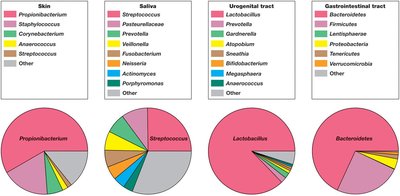
Different body sites harbor distinct microbial communities, with dominant genera and phyla varying by location. The skin, saliva, urogenital tract, and gastrointestinal tract each have characteristic microbial profiles.
Skin Microbiota
Characteristics of Skin Flora
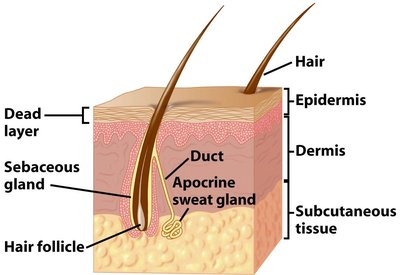
The skin supports both transient and resident microorganisms. Transient microbes are acquired through daily activities and typically cannot multiply on the dry, acidic skin. Resident microbes, mainly bacteria but also some fungi and yeast, are adapted to survive and multiply on the skin, especially in warm, moist areas such as sebaceous and apocrine sweat glands.
Transient microorganisms: Present temporarily, unable to multiply on skin.
Resident microorganisms: Persist and multiply, mainly bacteria (e.g., Staphylococcus, Propionibacterium, Corynebacterium).
Factors Influencing Skin Microbiota
The composition and density of skin flora are influenced by:
Temperature and moisture (weather conditions)
Age of the host
Personal hygiene
Distribution of Skin Microbes
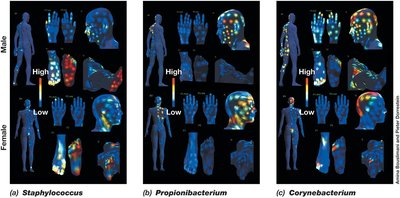
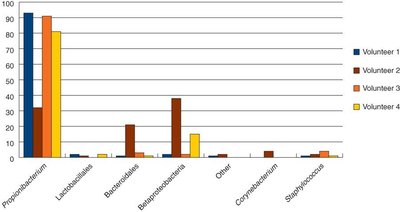
Different genera dominate specific skin regions. For example, Propionibacterium is abundant on the back, while Staphylococcus and Corynebacterium are found in other areas. The distribution varies between individuals and body sites.
Public Health Focus: Body Odor and Skin Microbiota
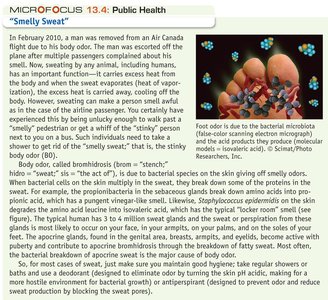
Body odor (bromhidrosis) is primarily due to bacterial species on the skin that metabolize sweat components into volatile, odorous compounds. Staphylococcus and Corynebacterium are key contributors. Good hygiene and antiperspirants can reduce odor by limiting bacterial growth and sweat production.
Oral Cavity and Airways Microbiota
Microenvironments of the Respiratory Tract
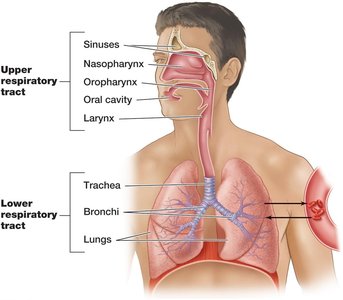
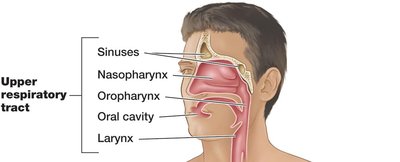
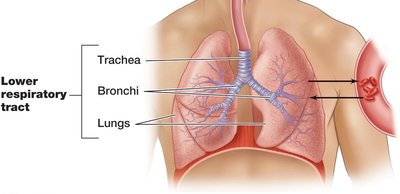
The upper respiratory tract is continually exposed to microbes from the air. Most are trapped in mucus and expelled or swallowed. The lower respiratory tract is typically sterile in healthy adults, as only small particles can reach the lungs, including some pathogens.
Oral Cavity Microbiota
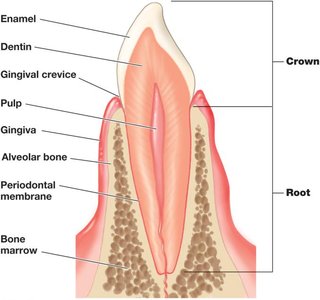
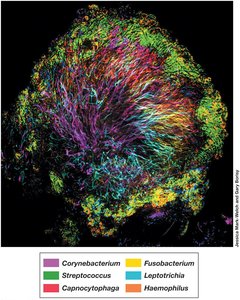
Saliva contains antimicrobial enzymes (e.g., lysozyme), but high nutrient concentrations near surfaces promote microbial growth. The tooth surface supports biofilm formation (dental plaque), which is a structured microbial community.
Bacterial Diversity in Saliva and Plaque
Saliva and dental plaque harbor diverse bacterial populations, including Streptococcus, Neisseria, Actinomyces, and others. The composition of these communities is influenced by oral hygiene, diet, and host factors.
Gastrointestinal Microbiota
Role and Composition of Gut Microbiota
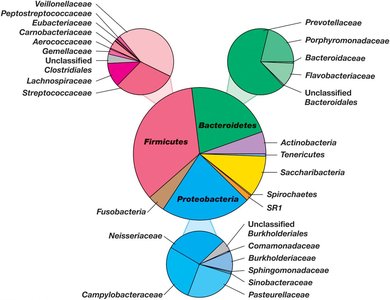
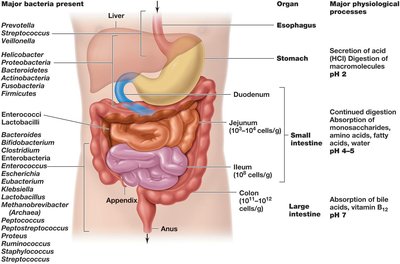
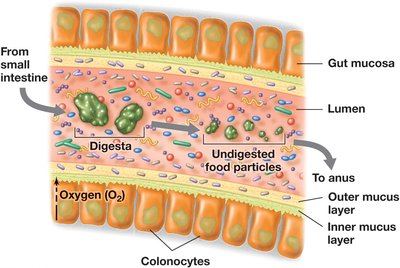
The gut microbiota plays a crucial role in early development, health, and disease predisposition. It is involved in vitamin synthesis, amino acid production, gas and odor production, organic acid formation, glycosidase reactions, and steroid metabolism. The composition of the gut microbiota is relatively stable but can be altered by diet, drugs, and disease.
Biochemical/Metabolic Contributions of Intestinal Microorganisms
Process | Product/Enzyme |
|---|---|
Vitamin synthesis | Thiamine, riboflavin, pyridoxine, B12, K |
Amino acid synthesis | Asparagine, glutamate, methionine, tryptophan, lysine, others |
Gas production | CO2, CH4, H2 |
Odor production | H2S, NH3, amines, indole, skatole, butyric acid |
Organic acid production | Acetic, propionic, butyric acids |
Glycosidase reactions | β-Glucuronidase, β-galactosidase, β-glucosidase, α-glucosidase, α-galactosidase |
Steroid metabolism | Esterified, dehydroxylated, oxidized, or reduced steroids |
Small Bioactive Molecules Produced by Gut Bacteria
Class | Compound | Producer | Activity |
|---|---|---|---|
Lantibiotic | Ruminococcin A | Ruminococcus gnavus | Antibiotic |
Bacteriocin | Ruminococcin C | Ruminococcus gnavus | Antibiotic |
Amino acid metabolite | Indolepropionic acid | Clostridium sporogenes | Antioxidant |
Amino acid metabolite | 4-Ethylphenylsulfate | Undefined | Neuromodulatory |
Amino acid metabolite | Tryptamine | Ruminococcus gnavus | Neurotransmitter |
Volatile fatty acid | Propionic acid | Bacteroides spp. | Immunomodulatory |
Oligosaccharide | Polysaccharide A | Bacteroides fragilis | Immunomodulatory |
Gut Enterotypes and Microbiota Dynamics
Individuals have relatively stable gut microbiota, classified into two main enterotypes: one enriched in Bacteroides and the other in Prevotella. Enterotypes are influenced by diet and affect responses to diet and drug therapy. Gut microbiota composition can also be linked to obesity, pregnancy, and disease states.
Obese individuals have more methanogenic Archaea and Bacteroidetes.
Pregnancy is associated with decreased diversity and enrichment of Proteobacteria and Actinobacteria.
Fecal transplants can restore healthy microbiota in Clostridium difficile infections.
Replacement and Turnover of Intestinal Microflora
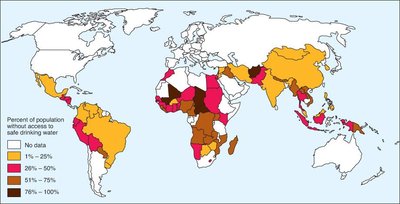
Bacteria in the gut double 1–2 times per day, making up about one-third of fecal mass. This rapid turnover necessitates proper sanitation for safe drinking water.
Urogenital Tract Microbiota
Microbial Communities in the Urogenital Tract
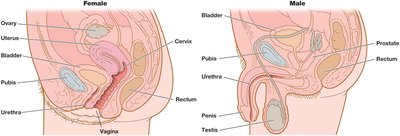
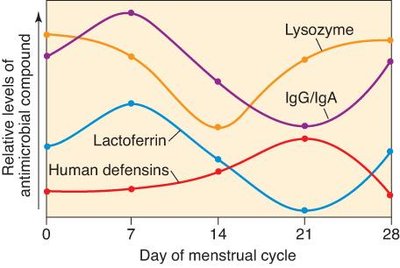
The urogenital tract harbors bacteria and yeast, with composition varying by site, age, and gender. Regular urination helps eliminate microbes from the urethra. In females, Lactobacillus acidophilus predominates between puberty and menopause, fermenting glycogen to lactic acid and maintaining acidic pH. Circumcision affects the penile microbiota.
Colonization and Development of the Human Microbiome
Colonization Events
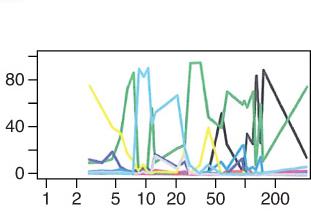
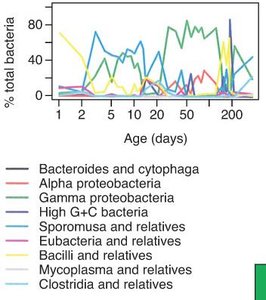
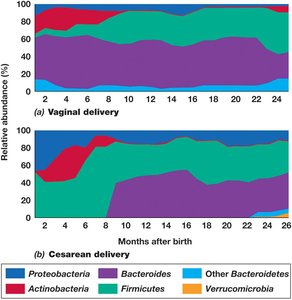
Although once thought to be sterile, evidence shows that microbes can be found in the placenta, amniotic fluid, and fetal meconium. After birth, colonization occurs rapidly from air, food, water, and contact with people. The most fit microbes become resident flora.
Stability and Change in the Microbiome
Early life experiences shape the gut microbiome, which remains relatively stable in adulthood but decreases in diversity with aging and frailty.
The Human Virome
Viruses in the Human Body
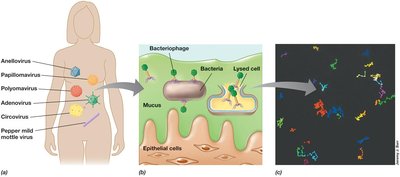
The human body contains numerous viruses, including animal viruses, bacteriophages, and some plant viruses. While some cause disease, many are benign. Bacteriophages are the most abundant and may play a protective role, especially in mucosal surfaces, by providing a form of host-independent immunity.
Key Questions in Human Microbiome Research
Is there a core human microbiome shared among individuals?
Does microbiota composition correlate with host genotype?
Do differences in microbiome composition affect health?
Are specific bacterial populations linked to health or disease?
When and how are humans colonized by their microbiome?
