 Back
BackMicrobial Systematics and Prokaryotic Diversity: Study Notes
Study Guide - Smart Notes
 Tailored notes based on your materials, expanded with key definitions, examples, and context.
Microbial Systematics
Overview of Systematics
Microbial systematics is the study of the diversity and relationships among microorganisms, integrating taxonomy, phylogeny, and diagnostics. It is essential for understanding microbial classification, identification, and their roles in medical, environmental, and industrial contexts.
Systematics: Study of diversity and relationships of organisms.
Phylogeny: Study of evolutionary ancestry.
Taxonomy: Science of biological classification based on shared characteristics.
Diagnostics: Laboratory methods for identifying microorganisms.
Applications: Pathogen detection, disease treatment, environmental diversity, industrial contamination.
Phenotypic Characteristics in Microbial Identification
Microbial identification often begins with phenotypic analysis, which includes cellular morphology, growth characteristics, physiological traits, biochemical tests, immunodiagnostics, and chemotaxonomic features.
Cellular morphology: Shape, size, arrangement (microscopy).
Growth characteristics: Colony appearance.
Physiological characteristics: Oxygen, temperature, pH, antibiotic resistance.
Biochemical tests: Substrate utilization, enzyme production.
Immunodiagnostic (serology): Antigen-antibody reactions.
Cell structures (chemotaxonomic): Motility, membrane lipids.
Bacterial Identification: Dichotomous Keys
Dichotomous keys are used to systematically identify bacteria based on a series of binary choices regarding their characteristics.
Example: Bacillus (aerobic, spore-forming), Clostridium (anaerobic, spore-forming), Staphylococcus (catalase positive, glucose fermented), Streptococcus (catalase negative, acid only from glucose).
Genetic Characteristics in Microbial Identification
Genetic methods provide high-resolution identification and classification of microorganisms, especially through ribosomal RNA sequencing and whole genome analysis.
Ribosomal RNA sequencing: 16S rRNA gene is the gold standard for species identification (97% similarity for species, 94% for genus).
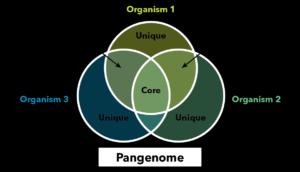
Whole genome sequencing: Comparison of conserved genes and gene families (core genome).
ANI (Average Nucleotide Identity): Index for comparing nucleotide sequences in conserved regions; 95% ANI for species delineation.
Identification of Pathogens
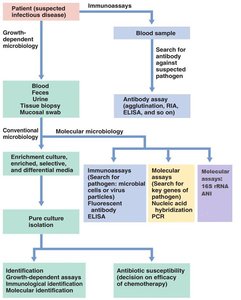
Pathogen identification integrates both growth-dependent and molecular microbiology techniques, including immunoassays and molecular assays.
Growth-dependent microbiology: Isolation from clinical samples, enrichment culture, pure culture isolation.
Molecular microbiology: Immunoassays (ELISA, RIA), molecular assays (PCR, 16S rRNA, ANI).
Antibiotic susceptibility: Guides treatment decisions.
Prokaryotic Diversity
Domains of Prokaryotes
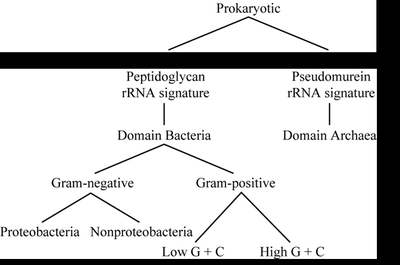
Prokaryotes are classified into two domains: Bacteria and Archaea, distinguished by cell wall composition and rRNA signatures.
Domain Bacteria: Peptidoglycan cell wall, diverse phyla.
Domain Archaea: Pseudomurein cell wall, extremophiles, distinct evolutionary lineage.
Domain Archaea
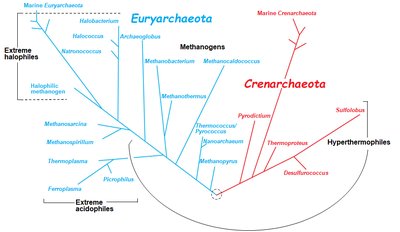
Archaea are extremophiles with unique biochemical and genetic features, sharing some traits with Bacteria and Eukarya but also possessing distinct characteristics.
Phyla: Euryarchaeota, Crenarchaeota, others.
Characteristics: No known pathogens, many uncultured, significant biomass contribution.
Domain Bacteria
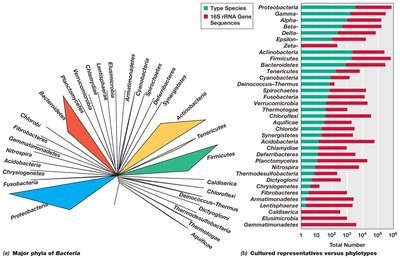
Bacteria are highly diverse, with over 100 phyla identified, though most characterized genera and species belong to four main phyla.
Firmicutes (Bacillota): Gram-positive, low G+C, includes Bacilli and Clostridia.
Actinobacteria (Actinomycetota): Gram-positive, high G+C, includes Mycobacterium and Streptomyces.
Proteobacteria (Pseudomonadota): Gram-negative, metabolically diverse, includes many pathogens.
Bacteroidetes (Bacteroidota): Gram-negative, important in gut microbiota.
Phylum Firmicutes (Bacillota)
Firmicutes are low G+C Gram-positive bacteria, including Bacilli and Clostridia, with important roles in fermentation, food production, and pathogenicity.
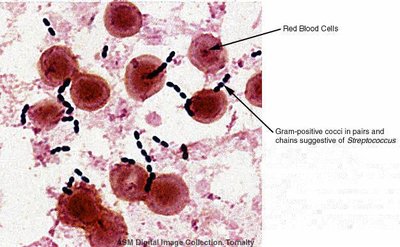
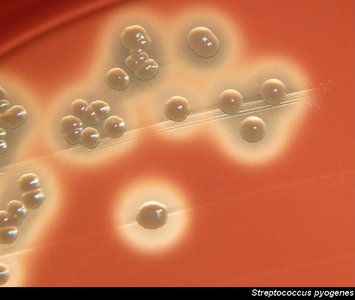
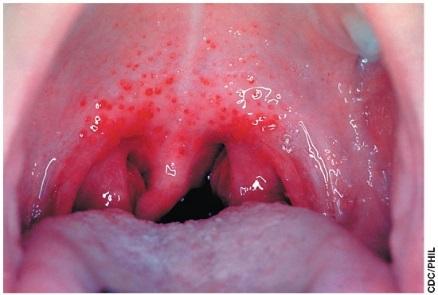
Bacilli: Lactic acid bacteria (Streptococcus, Enterococcus, Lactobacillus), food production, probiotics.
Clostridia: Anaerobic, endospore-forming rods, industrial and pathogenic species (C. tetani, C. botulinum, C. perfringens, C. difficile).

Phylum Actinobacteria (Actinomycetota)
Actinobacteria are high G+C Gram-positive bacteria, often with fungal-like morphology and important roles in antibiotic production and pathogenicity.
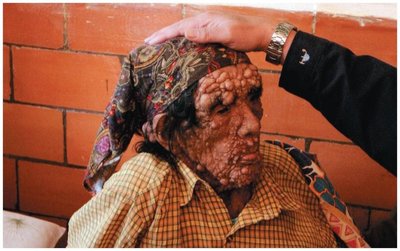
Mycobacterium: Acid-fast cell wall, resistant to desiccation and antibiotics, causes tuberculosis and leprosy.
Streptomyces: Fungal-like mycelia, produces antibiotics (streptomycin, tetracyclines, chloramphenicol).
Phylum Proteobacteria (Pseudomonadota)
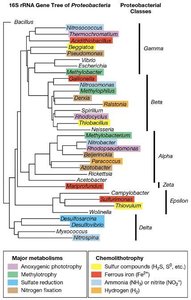
Proteobacteria are the largest and most metabolically diverse bacterial phylum, including many medically significant genera and species.
Enteric bacteria (Enterobacteriaceae): Facultative anaerobic rods, acid and gas production, pathogenicity due to endotoxins and surface antigens.
Other genera: Neisseria (gonorrhoea, meningitis), Legionella (Legionaires disease), Vibrio (cholera), Pseudomonas (opportunistic infections), Helicobacter (gastric ulcers).
Other Important Phyla
Other phyla include Cyanobacteria (oxygenic phototrophs, cyanotoxins) and Spirochaetes (helical, motile, important pathogens such as Treponema and Borrelia).
Cyanobacteria: Oxygenic photosynthesis, diverse morphologies, toxin production.
Spirochaetes: Helical, corkscrew motility, causes syphilis and Lyme disease.
Eukaryotic Microbes
Traditional Groupings
Eukaryotic microbes include fungi (moulds, yeasts), protozoa, and algae, which are classified based on morphology and ecological roles.
Fungi: Moulds and yeasts, important in decomposition and disease.
Protozoa: Diverse protists, often pathogenic.
Algae: Photosynthetic protists, important in aquatic ecosystems.
Summary Table: Major Bacterial Phyla
Phylum | Gram Reaction | Key Genera | Notable Features |
|---|---|---|---|
Firmicutes | Gram-positive | Bacillus, Clostridium, Streptococcus | Endospore formation, fermentation, pathogens |
Actinobacteria | Gram-positive | Mycobacterium, Streptomyces | Antibiotic production, acid-fast cell wall |
Proteobacteria | Gram-negative | Escherichia, Salmonella, Pseudomonas | Metabolic diversity, many pathogens |
Bacteroidetes | Gram-negative | Bacteroides | Gut microbiota, anaerobic |
Example: Identification of Escherichia coli
Stepwise Identification Process
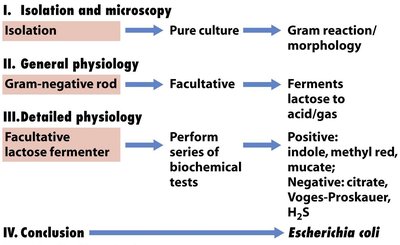
Escherichia coli is identified through a series of microbiological and biochemical tests, starting from isolation to detailed physiological analysis.
Isolation and microscopy: Pure culture, Gram-negative rod morphology.
General physiology: Facultative anaerobe, ferments lactose to acid/gas.
Detailed physiology: Biochemical tests (positive: indole, methyl red, mucate; negative: citrate, Voges-Proskauer, H2S).
Conclusion: Identification as Escherichia coli.
Additional info:
Microbial systematics is foundational for understanding microbial diversity, evolution, and clinical diagnostics.
Modern molecular techniques, such as 16S rRNA sequencing and ANI, have revolutionized microbial taxonomy and identification.
Prokaryotic diversity is vast, with many uncultured and newly discovered taxa, highlighting the importance of metagenomics.
