 Back
BackChpt 3 Study Guide Microbiology Cell Structure, Function, and Clinical Case Study Guidance
Study Guide - Smart Notes
 Tailored notes based on your materials, expanded with key definitions, examples, and context.
Q1. How does the capsule of Streptococcus contribute to the bacterium’s ability to cause disease?
Background
Topic: Bacterial Virulence Factors – Capsule
This question tests your understanding of how bacterial capsules enhance pathogenicity by helping bacteria evade the host immune system.
Key Terms and Concepts:
Capsule: A polysaccharide layer outside the cell wall of some bacteria, including Streptococcus pyogenes.
Phagocytosis: The process by which immune cells engulf and destroy pathogens.
Virulence: The degree to which a microorganism can cause disease.
Step-by-Step Guidance
Recall that the capsule is an external structure found in many pathogenic bacteria, including Streptococcus pyogenes.
Consider how the capsule affects interactions with the host immune system, especially phagocytic cells like macrophages and neutrophils.
Think about the role of the capsule in inhibiting phagocytosis, making it harder for immune cells to engulf and destroy the bacteria.
Reflect on how this evasion of the immune response increases the bacterium’s ability to survive and cause infection.
Try solving on your own before revealing the answer!
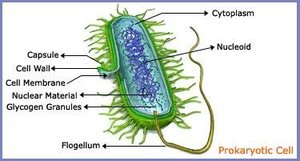
Q2. What bacterial structures, besides the capsule, may be allowing Streptococcus to infect Nadia’s throat?
Background
Topic: Bacterial Cell Structures and Pathogenicity
This question asks you to identify additional bacterial structures that contribute to infection and colonization.
Key Terms and Concepts:
Fimbriae: Short, hair-like appendages that help bacteria adhere to surfaces.
Pili: Longer, hair-like structures involved in attachment and sometimes DNA transfer.
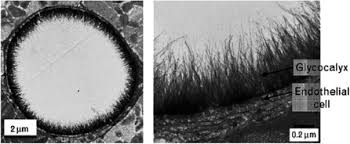
Glycocalyx: A sticky extracellular layer that aids in biofilm formation and adherence.
Step-by-Step Guidance
Review the main external structures of bacteria that facilitate attachment to host tissues.
Consider how fimbriae and pili help bacteria stick to epithelial cells in the throat.
Think about the role of the glycocalyx in protecting bacteria and promoting colonization.
Relate these structures to the ability of Streptococcus to establish infection in the throat.
Try solving on your own before revealing the answer!
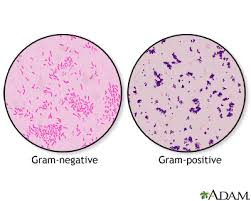
Q3. Penicillin works by interrupting the formation of peptidoglycan. What bacterial structure contains peptidoglycan? In a Gram-positive organism such as Streptococcus, is this structure typically thicker or thinner than it would be in a Gram-negative bacterium?
Background
Topic: Cell Wall Structure and Gram Staining
This question tests your knowledge of bacterial cell wall composition and the differences between Gram-positive and Gram-negative bacteria.
Key Terms and Concepts:
Peptidoglycan: A polymer that forms a mesh-like layer in the bacterial cell wall.
Gram-positive: Bacteria with a thick peptidoglycan layer that retains crystal violet stain.
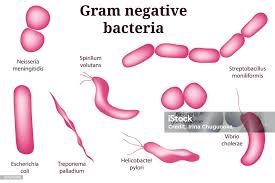
Gram-negative: Bacteria with a thin peptidoglycan layer and an outer membrane.
Step-by-Step Guidance
Recall that peptidoglycan is a major component of the bacterial cell wall.
Identify which part of the cell contains peptidoglycan (the cell wall).
Compare the thickness of the peptidoglycan layer in Gram-positive versus Gram-negative bacteria.
Think about how this structural difference affects Gram staining results and susceptibility to antibiotics like penicillin.
Try solving on your own before revealing the answer!
Q4. Some people seem to be more susceptible to strep throat than others. Why do you think some people may be more susceptible? Explain.
Background
Topic: Host Factors in Infectious Disease Susceptibility
This question explores the reasons why susceptibility to infection varies among individuals.
Key Terms and Concepts:
Immune system: The body’s defense against infectious agents.
Host factors: Characteristics of the individual that affect disease risk (e.g., age, genetics, environment).
Strain variation: Differences between bacterial strains that can affect immunity.
Step-by-Step Guidance
Consider how immune system strength and function can influence susceptibility to infection.
Think about environmental factors, such as crowded living conditions, that may increase exposure to pathogens.
Reflect on how previous exposure to different strains of Streptococcus may or may not confer immunity.
Relate these factors to why some people get strep throat more often than others.
Try solving on your own before revealing the answer!
Q5. What features of Porphyromonas gingivalis contribute to its pathogenicity in gingivitis?
Background
Topic: Bacterial Pathogenicity in Oral Infections
This question focuses on the virulence factors of Porphyromonas gingivalis and their role in gum disease.
Key Terms and Concepts:
Protein-digesting enzymes: Enzymes that break down host tissues.
Anaerobic colonization: Ability to thrive in low-oxygen environments like the mouth.
Inflammation: The body’s response to infection, often leading to tissue damage.
Step-by-Step Guidance
Identify the main virulence factors produced by P. gingivalis, such as proteases.
Consider how these enzymes degrade gum tissue and promote inflammation.
Think about the bacterium’s ability to colonize anaerobic environments in the mouth.
Relate these features to the development and progression of gingivitis.
Try solving on your own before revealing the answer!
Q6. Why do gums bleed on probing/brushing in gingivitis cases?
Background
Topic: Oral Health and Inflammation
This question examines the link between plaque buildup, inflammation, and bleeding gums.
Key Terms and Concepts:
Plaque: A sticky film of bacteria on teeth.
Tartar: Hardened plaque that irritates gums.
Inflammation: Swelling and redness caused by immune response.
Step-by-Step Guidance
Recall that plaque buildup leads to irritation and inflammation of the gums.
Consider how tartar formation exacerbates gum irritation.
Think about how inflamed gums are more prone to bleeding when probed or brushed.
Relate these processes to the symptoms observed in gingivitis.
Try solving on your own before revealing the answer!
Q7. If left untreated, what are the potential long-term outcomes of chronic gingivitis involving P. gingivalis?
Background
Topic: Progression of Oral Disease
This question explores the consequences of untreated gum disease.
Key Terms and Concepts:
Periodontitis: Advanced gum disease involving bone destruction.
Tooth loss: A possible outcome of severe periodontitis.
Bacterial invasion: Spread of bacteria into deeper tissues.
Step-by-Step Guidance
Consider how chronic inflammation can lead to destruction of gum and bone tissue.
Think about the risk of tooth loosening and eventual loss.
Reflect on the potential for bacteria to invade deeper tissues and cause more severe health problems.
Relate these outcomes to the importance of treating gingivitis early.
Try solving on your own before revealing the answer!
Q8. Everyone’s mouth is full of bacteria, including many species. Why don’t we all have gingivitis?
Background
Topic: Oral Microbiome and Disease Prevention
This question addresses the factors that prevent disease despite the presence of bacteria.
Key Terms and Concepts:
Oral hygiene: Practices that reduce plaque and prevent disease.
Diet: Nutritional choices that affect oral health.
Immune system: Defense mechanisms that control bacterial growth.
Step-by-Step Guidance
Consider how regular brushing and flossing remove plaque and reduce disease risk.
Think about the role of diet in promoting or preventing plaque formation.
Reflect on how individual health and immune function affect susceptibility to gingivitis.
Relate these factors to why not everyone develops gum disease.
Try solving on your own before revealing the answer!
Q9. How would you design an experiment to test the efficacy of antimicrobial mouthwashes against P. gingivalis?
Background
Topic: Experimental Design in Microbiology
This question asks you to apply scientific method principles to test antimicrobial agents.
Key Terms and Concepts:
Zone of inhibition: Area around an antimicrobial agent where bacteria do not grow.
Controls: Positive and negative controls to validate results.
Standardized inoculum: Consistent amount of bacteria used in each test.
Step-by-Step Guidance
Plan to obtain cultures of P. gingivalis and prepare a standardized inoculum for testing.
Inoculate Petri dishes with the bacteria and apply different mouthwashes to separate areas.
Include positive and negative controls to compare effectiveness.
After incubation, measure the diameter of the clear zone around each mouthwash application.
Try solving on your own before revealing the answer!
Vocabulary Chart Guidance
Background
Topic: Microbiology Vocabulary – Cell Structure and Function
Understanding key terms helps reinforce concepts and improve test performance.
Key Terms and Concepts:
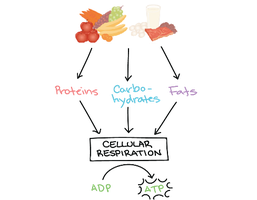
Metabolism: The sum of all chemical reactions in a cell.
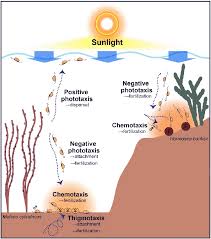
Taxis: Directed movement in response to a stimulus.
Gram-positive/Gram-negative: Classification based on cell wall structure and staining.
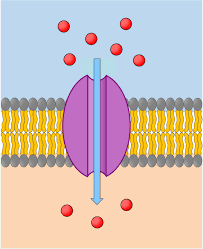
Facilitated diffusion: Movement of molecules across membranes via protein channels.
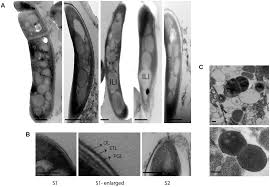
Inclusions: Storage deposits within bacterial cells.
Endospores: Dormant, resistant bacterial structures.
Glycocalyces: Sticky extracellular layers aiding in biofilm formation.
Archaea: Distinct group of prokaryotes with unique features.
Step-by-Step Guidance
For each term, write a sentence using the term in context.
List synonyms or short phrases that capture the meaning.
Describe what the term reminds you of and explain your reasoning.
Include a relevant image only if it directly supports understanding of the term.
Try completing the chart on your own before checking the answers!
