Back

Microbiology Core Concepts: Learning Objectives and Study Guide

Study Guide - Learn with Videos

Curated lessons matched to your uploaded material – learn every topic step by step.

Introduction to Spontaneous Generation

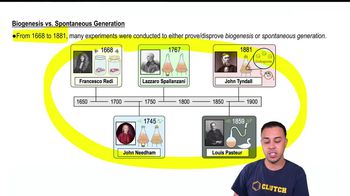
  • Biogenesis vs. Spontaneous Generation
    02:05
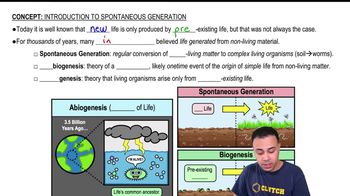
  • Introduction to Spontaneous Generation
    05:59

Francesco Redi's Experiments

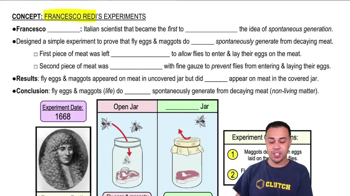
  • Francesco Redi's Experiments
    05:16

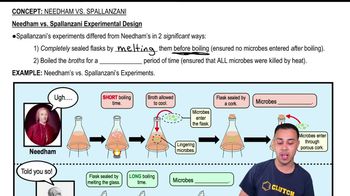
Needham vs. Spallanzani

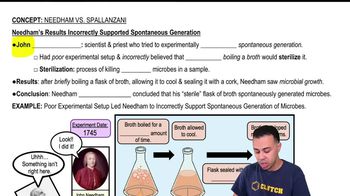
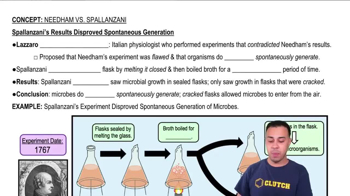
  • Needham vs. Spallanzani
    05:56
  • Needham vs. Spallanzani Experimental Design
    05:34
  • Spallanzani’s Results Disproved Spontaneous Generation
    07:22

Pasteur's Experiments on Spontaneous Generation

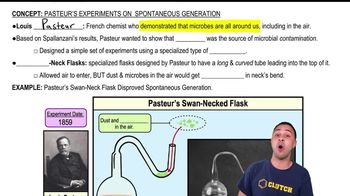
  • Pasteur's Experiments on Spontaneous Generation
    03:50
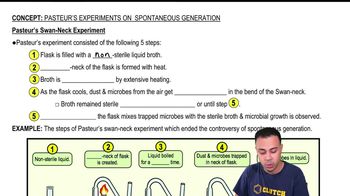
  • Pasteur’s Swan-Neck Experiment
    05:58

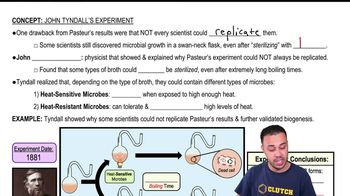
John Tyndall's Experiment

  • John Tyndall's Experiment
    05:48

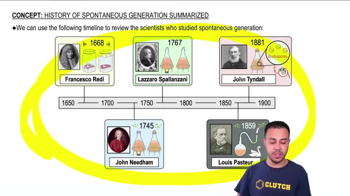
History of Spontaneous Generation Summarized

  • History of Spontaneous Generation Summarized
    03:56

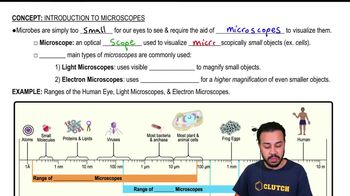
Introduction to Microscopes

  • Introduction to Microscopes
    06:13

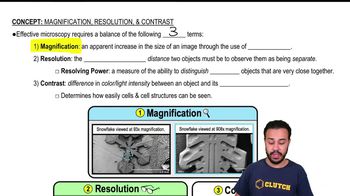
Magnification, Resolution, & Contrast

  • Magnification, Resolution, & Contrast
    07:29

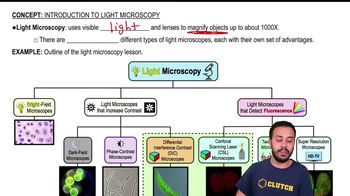
Introduction to Light Microscopy

  • Introduction to Light Microscopy
    02:53

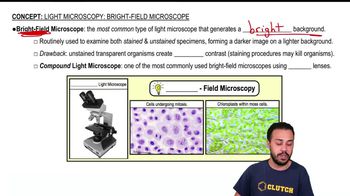
Light Microscopy: Bright-Field Microscopes

  • Light Microscopy: Bright-Field Microscopes
    03:46
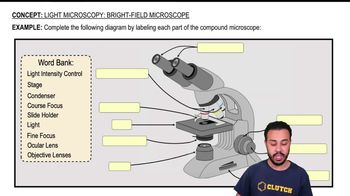
  • Light Microscopy: Bright-Field Microscopes Example 1
    03:41
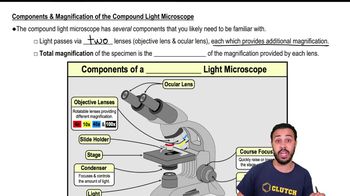
  • Components & Magnification of the Compound Light Microscope
    06:15

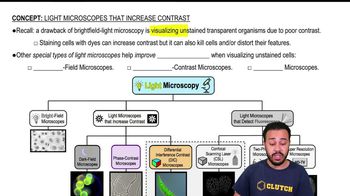
Light Microscopes that Increase Contrast

  • Light Microscopes that Increase Contrast
    02:39
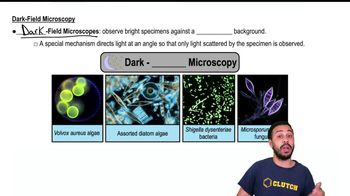
  • Dark-Field Microscopy
    01:52
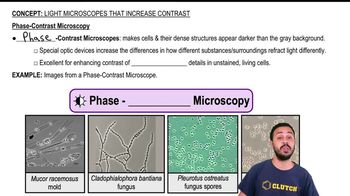
  • Phase-Contrast Microscopy
    03:27

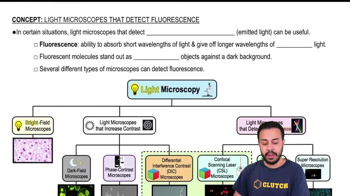
Light Microscopes that Detect Fluorescence

  • Light Microscopes that Detect Fluorescence
    01:46
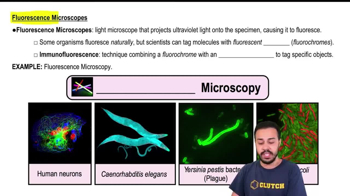
  • Fluorescence Microscopes
    02:54
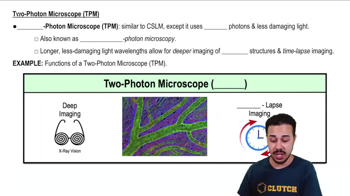
  • Two-Photon Microscope (TPM)
    02:01

Electron Microscopes

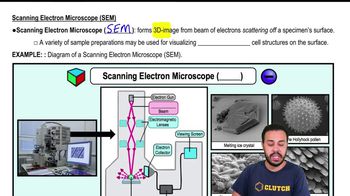
  • Scanning Electron Microscope (SEM)
    02:42
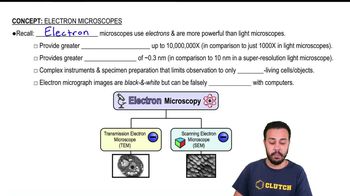
  • Electron Microscopes
    03:08
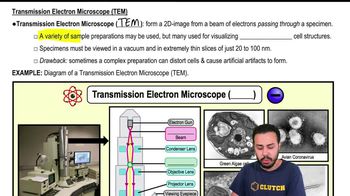
  • Transmission Electron Microscope (TEM)
    04:23

Reviewing the Different Types of Microscopes

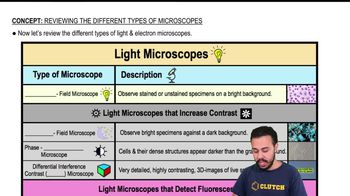
  • Reviewing the Different Types of Microscopes
    05:32

Introduction to Staining

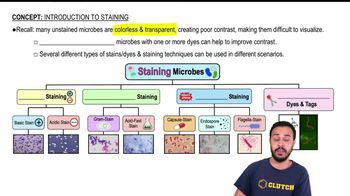
  • Introduction to Staining
    02:10

Simple Staining

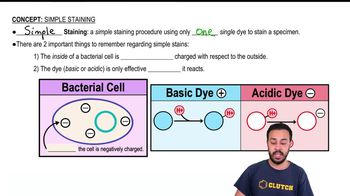
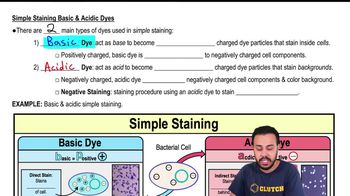
  • Simple Staining
    03:23
  • Simple Staining Basic & Acidic Dyes
    05:30

Differential Staining

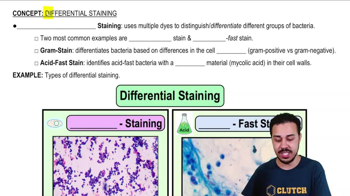
  • Differential Staining
    04:07

Other Types of Staining

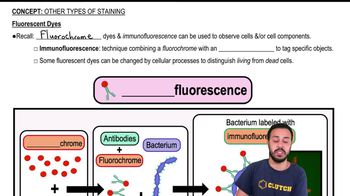
  • Fluorescent Dyes
    02:59
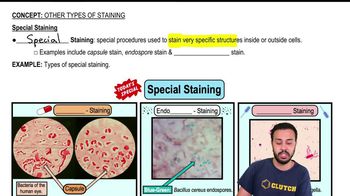
  • Special Staining
    02:56

Reviewing the Types of Staining

  • Reviewing the Types of Staining
    04:11

Gram Stain

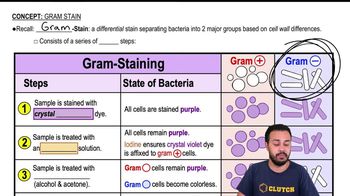
  • Gram Stain
    04:57

Introduction to Bacterial Cell Walls

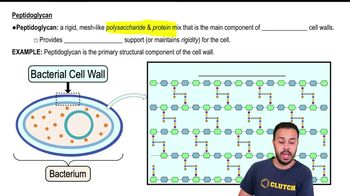
  • Peptidoglycan
    01:58
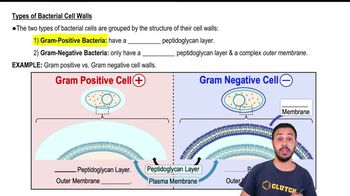
  • Types of Bacterial Cell Walls
    02:44
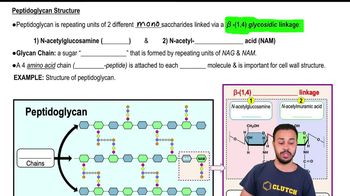
  • Peptidoglycan Structure
    04:44

Gram-Positive Cell Walls

  • Teichoic Acids
    03:58
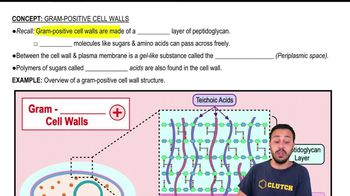
  • Gram-Positive Cell Walls
    02:59

Gram-Negative Cell Walls

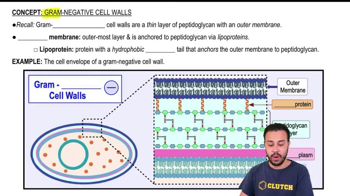
  • Gram-Negative Cell Walls
    3:04
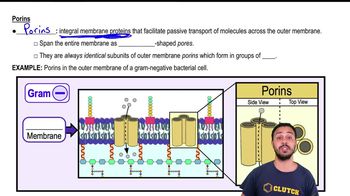
  • Porins
    02:18
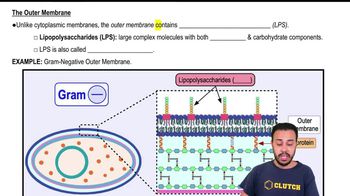
  • The Outer Membrane
    02:15

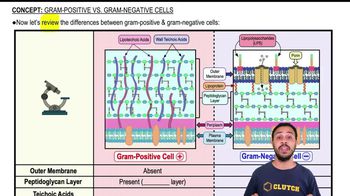
Gram-Positive vs. Gram-Negative Cell Walls

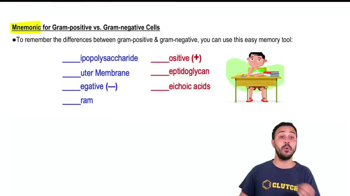
  • Mnemonic for Gram-Positive vs. Gram-Negative Cell Walls
    01:41
  • Gram-Positive vs. Gram-Negative Cell Walls
    04:46

Bacterial Cell Morphology & Arrangements

  • Types of Bacterial Cell Morphology
    02:44
  • Bacterial Cell Morphology & Arrangements
    01:13
  • Bacilli Bacterial Cell Arrangements
    03:56

Introduction to Prokaryotic Flagella

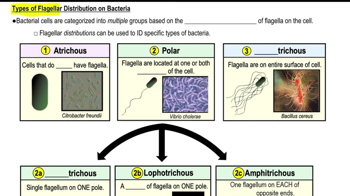
  • Types of Flagellar Distribution on Bacteria
    05:22
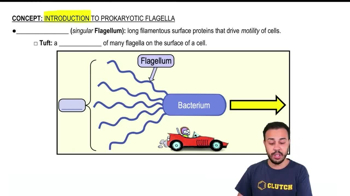
  • Introduction to Prokaryotic Flagella
    02:07

Prokaryotic Flagellar Structure

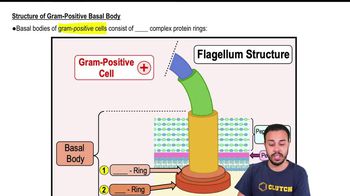
  • Structure of Gram-Positive Basal Body
    02:28
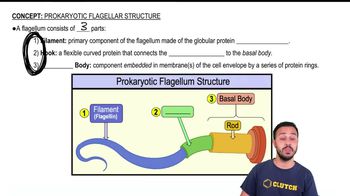
  • Prokaryotic Flagellar Structure
    02:53
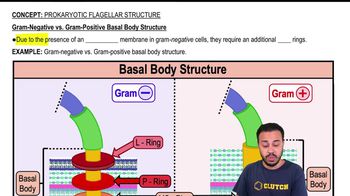
  • Gram-Negative vs. Gram-Positive Basal Body Structure
    01:59

Prokaryotic Flagellar Movement

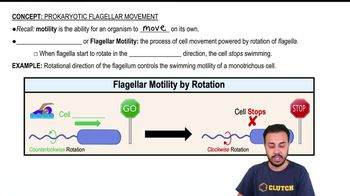
  • Prokaryotic Flagellar Movement
    02:43
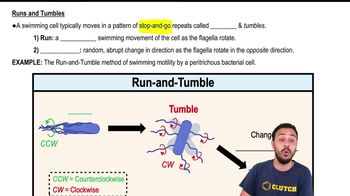
  • Runs and Tumbles
    03:17

Proton Motive Force Drives Flagellar Motility

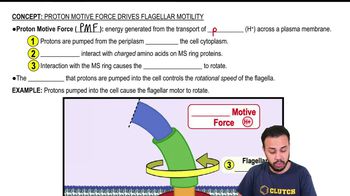
  • Proton Motive Force Drives Flagellar Motility
    04:17

Chemotaxis

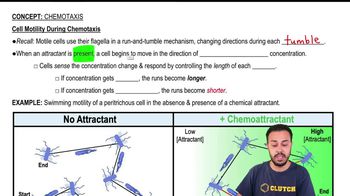
  • Cell Motility During Chemotaxis
    05:11
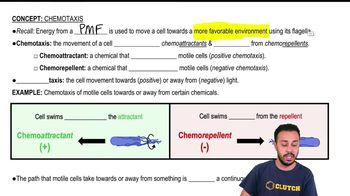
  • Chemotaxis
    03:21

Review of Prokaryotic Surface Structures

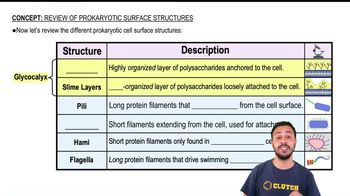
  • Review of Prokaryotic Surface Structures
    03:52
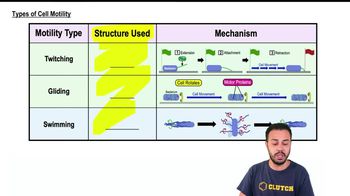
  • Types of Cell Motility
    02:13

Binary Fission

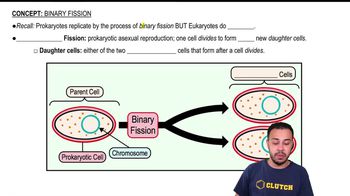
  • Binary Fission
    02:16
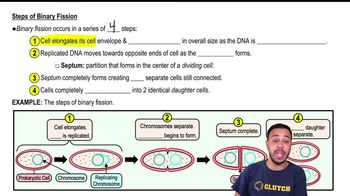
  • Steps of Binary Fission
    04:57

Generation Times

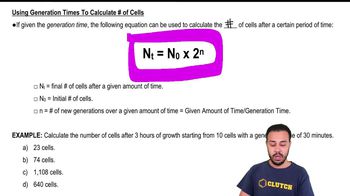
  • Calculating Generation Times
    05:48
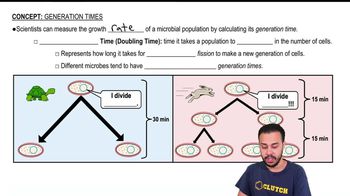
  • Generation Times
    02:54

Introduction to Cultivating Microbial Growth

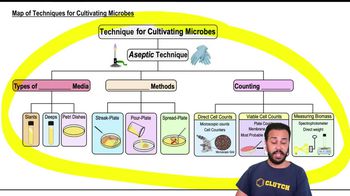
  • Map of Techniques for Cultivating Microbes
    02:05
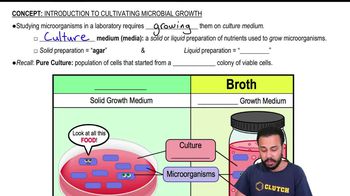
  • Introduction to Cultivating Microbial Growth
    03:49

Growing a Pure Culture

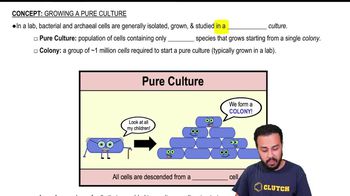
  • Growing a Pure Culture
    02:58

Microbial Growth Curves in a Closed System

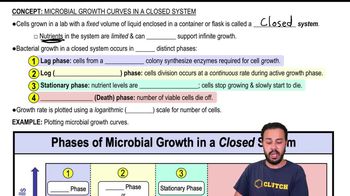
  • Microbial Growth Curves in a Closed System
    08:59
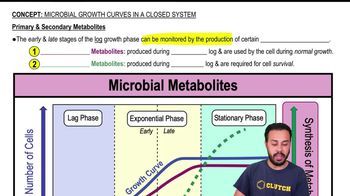
  • Primary & Secondary Metabolites
    02:33

Temperature Requirements for Microbial Growth

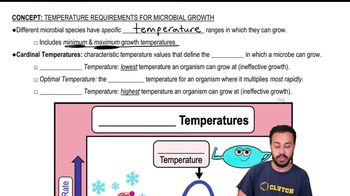
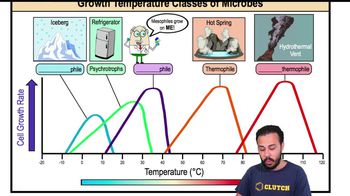
  • Temperature Requirements for Microbial Growth
    04:16
  • Classification of Microbes by Growth Temperature
    04:56
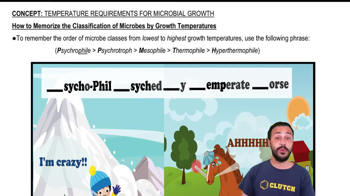
  • How to Memorize the Classification of Microbes by Growth Temperatures
    01:59

Osmolarity Factors for Microbial Growth

  • Osmolarity Factors for Microbial Growth
    06:30

Oxygen Requirements for Microbial Growth

  • Reactive Oxygen Species
    04:43
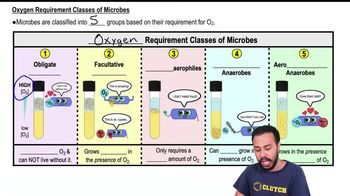
  • Oxygen Requirement Classes of Microbes
    07:27
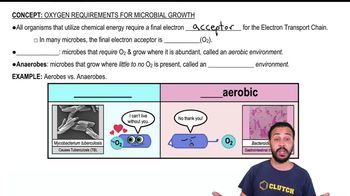
  • Oxygen Requirements for Microbial Growth
    03:52

pH Requirements for Microbial Growth

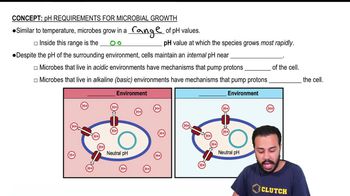
  • pH Requirements for Microbial Growth
    03:11
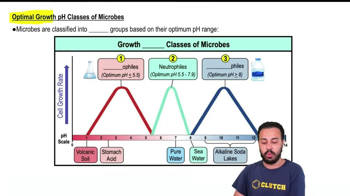
  • Optimal Growth pH Classes of Microbes
    03:23

Measuring Growth by Direct Cell Counts

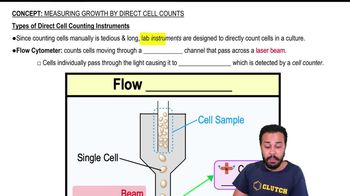
  • Types of Direct Cell Counting Instruments
    02:32
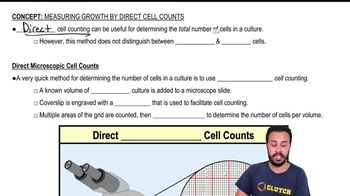
  • Direct Microscopic Cell Counts
    03:28

Measuring Growth by Plate Counts

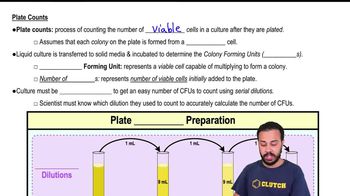
  • Measuring Growth by Plate Counts
    07:16
  • Measuring Growth by Plate Counts
    01:36

Measuring Growth by Membrane Filtration

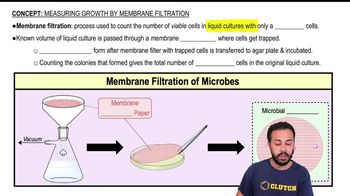
  • Measuring Growth by Membrane Filtration
    02:29

Measuring Growth by Biomass

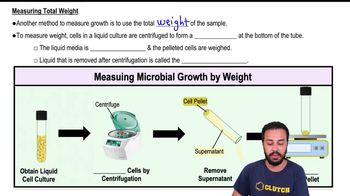
  • Measuring Total Weight
    03:27
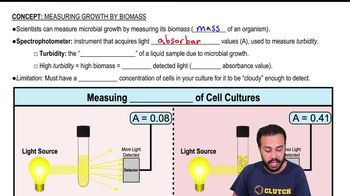
  • Measuring Growth by Biomass
    05:58

Introduction to the Types of Culture Media

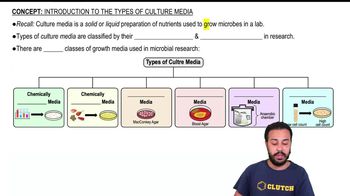
  • Introduction to the Types of Culture Media
    02:42

Types of Solid Culture Media

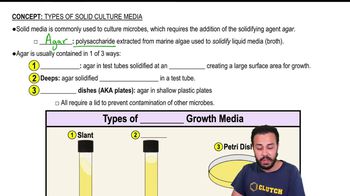
  • Types of Solid Culture Media
    03:16

Selective Media

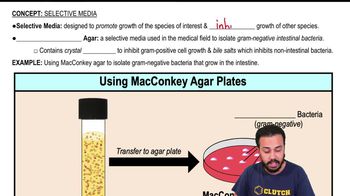
  • Selective Media
    03:27

Differential Media

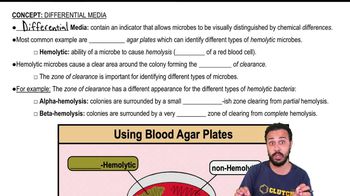
  • Differential Media
    04:34

Reducing Media

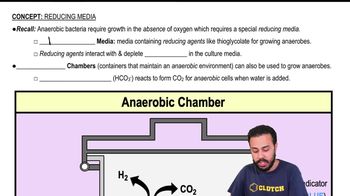
  • Reducing Media
    02:55
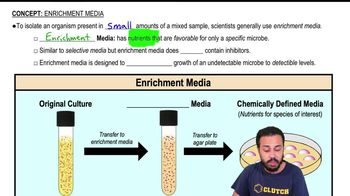
Enrichment Media

  • Enrichment Media
    04:20

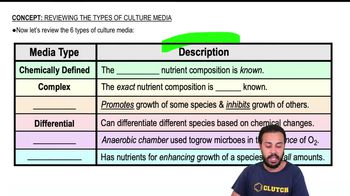
Reviewing the Types of Culture Media

  • Reviewing the Types of Culture Media
    02:55
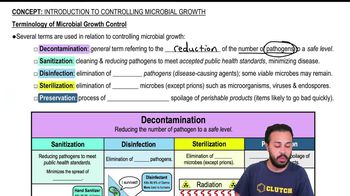
Introduction to Controlling Microbial Growth

  • Terminology of Microbial Growth Control
    07:36
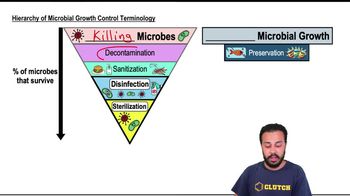
  • Hierarchy of Microbial Growth Control Terminology
    03:09
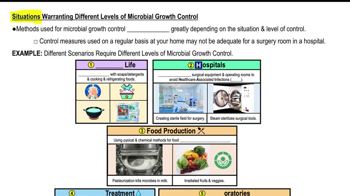
  • Situations Warranting Different Levels of Microbial Growth Control
    05:58

Selecting a Method to Control Microbial Growth

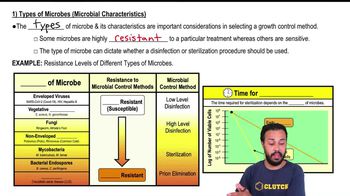
  • Types of Microbes (Microbial Characteristics)
    07:24
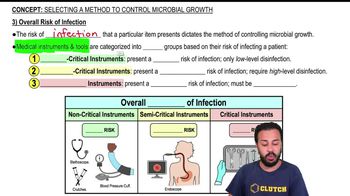
  • Overall Risk of Infection
    04:52
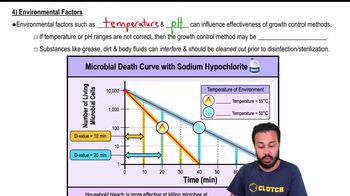
  • Environmental Factors
    04:18

Physical Methods to Control Microbial Growth

  • Dry Heat
    02:58
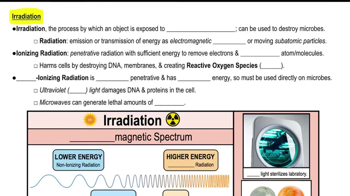
  • Irradiation
    06:18
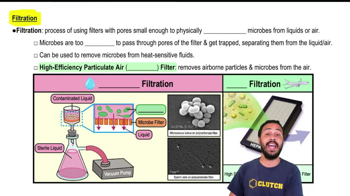
  • Filtration
    04:29

Chemical Methods to Control Microbial Growth

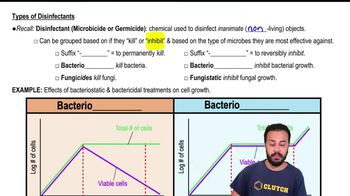
  • Types of Disinfectants
    05:21
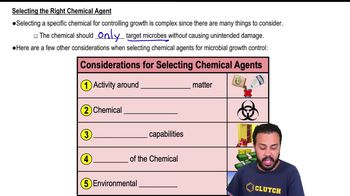
  • Selecting the Right Chemical Agent
    04:52
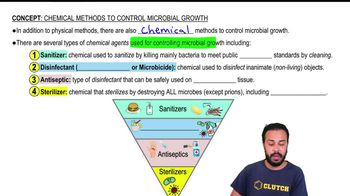
  • Chemical Methods to Control Microbial Growth
    03:58

Chemicals Used to Control Microbial Growth

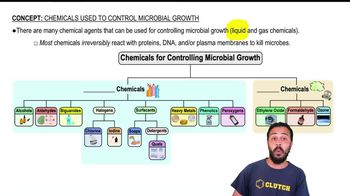
  • Chemicals Used to Control Microbial Growth
    02:29
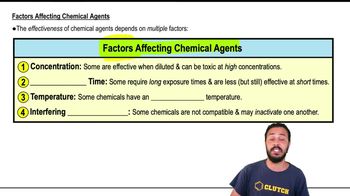
  • Factors Affecting Chemical Agents
    03:17

Liquid Chemicals: Alcohols, Aldehydes, & Biguanides

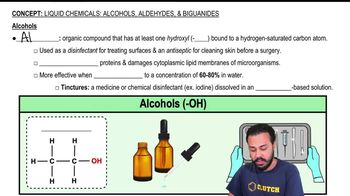
  • Alcohols
    03:39
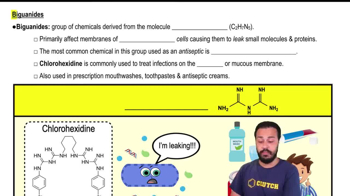
  • Biguanides
    02:41
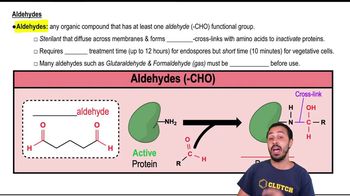
  • Aldehydes
    03:59

Liquid Chemicals: Halogens

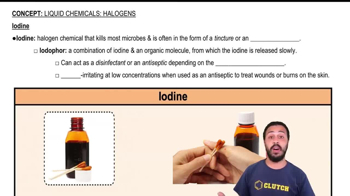
  • Iodine
    02:15
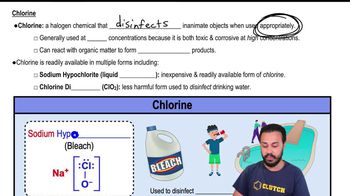
  • Chlorine
    03:16
  • Liquid Chemicals: Halogens
    00:56

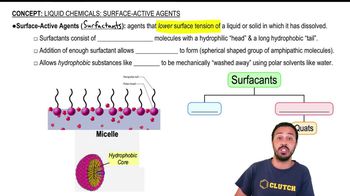
Liquid Chemicals: Surface-Active Agents

  • Liquid Chemicals: Surface-Active Agents
    04:14
  • Soaps & Detergents
    06:20
  • Quats
    02:33

Chemical Gases: Ethylene Oxide, Ozone, & Formaldehyde

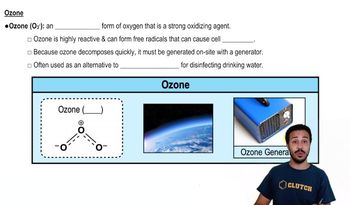
  • Ozone
    02:36
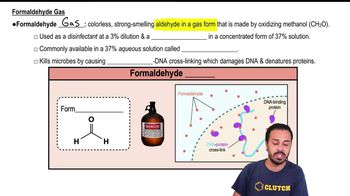
  • Formaldehyde Gas
    02:56
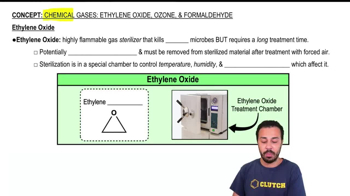
  • Chemical Gases: Ethylene Oxide
    03:22

Review of Chemicals Used to Control Microbial Growth

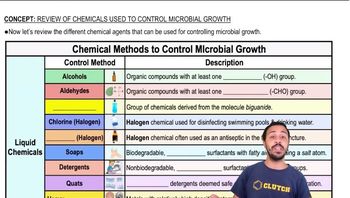
  • Review of Chemicals Used to Control Microbial Growth
    05:41

Chemical Preservation of Perishable Products

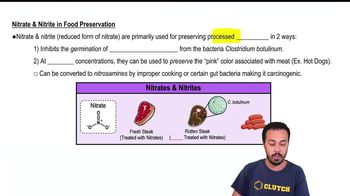
  • Nitrate & Nitrite in Food Preservation
    03:15
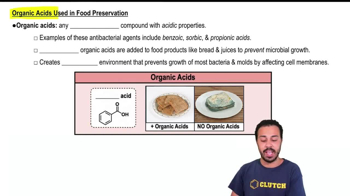
  • Organic Acids Used in Food Preservation
    02:11
  • Chemical Preservation of Perishable Products
    01:16

Introduction to Microbial Genetics

  • Map of the Lesson on Microbial Genetics
    02:04
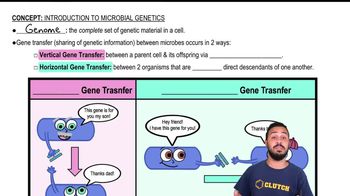
  • Introduction to Microbial Genetics
    04:20

Introduction to Mutations

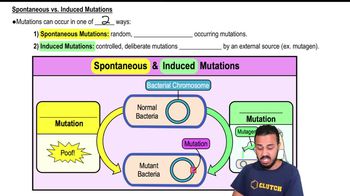
  • Spontaneous vs. Induced Mutations
    02:47
  • Introduction to Mutations
    00:37
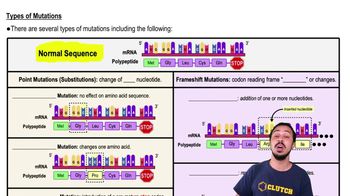
  • Types of Mutations
    08:44

Methods of Inducing Mutations

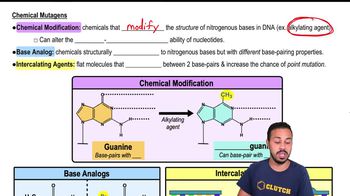
  • Chemical Mutagens
    05:13
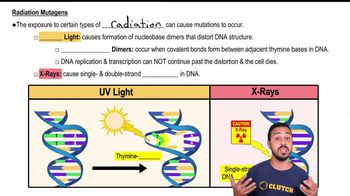
  • Radiation Mutagens
    02:55
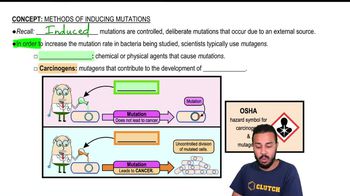
  • Methods of Inducing Mutations
    03:19

Mutant Detection

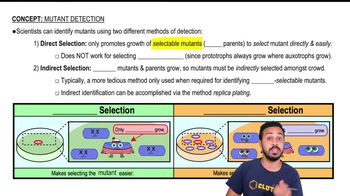
  • Mutant Detection
    06:49
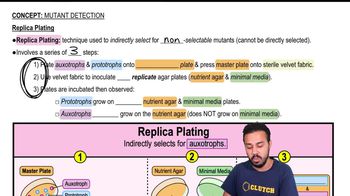
  • Replica Plating
    05:36

The Ames Test

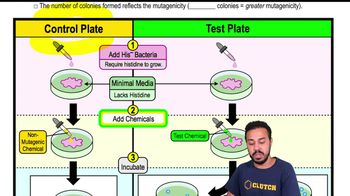
  • The Ames Test
    06:59

Introduction to DNA Repair

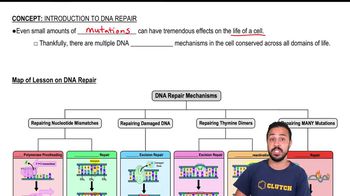
  • Introduction to DNA Repair
    02:47

DNA Repair Mechanisms

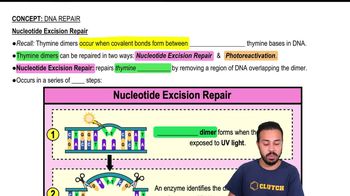
  • Nucleotide Excision Repair
    03:31
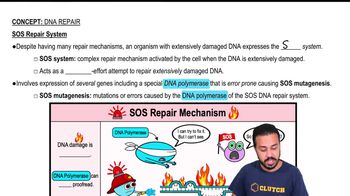
  • SOS Repair System
    03:50
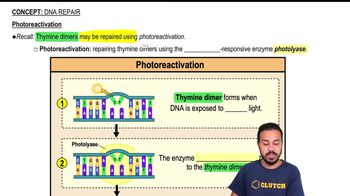
  • Photoreactivation
    02:29

Horizontal Gene Transfer

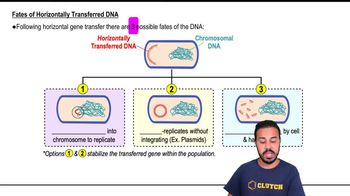
  • Fates of Horizontally Transferred DNA
    03:13
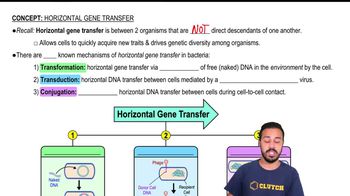
  • Horizontal Gene Transfer
    04:42
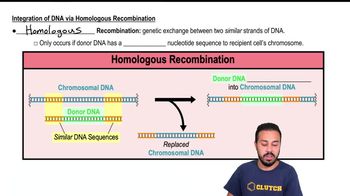
  • Integration of DNA via Homologous Recombination
    02:52

Bacterial Transformation

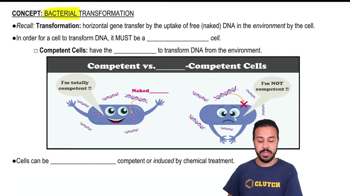
  • Bacterial Transformation
    03:06
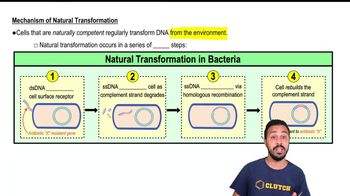
  • Mechanism of Natural Transformation
    03:49

Transduction

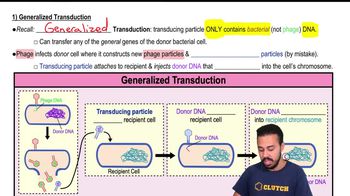
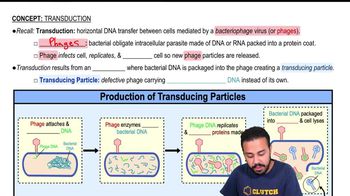
  • Generalized Transduction
    04:24
  • Transduction
    06:49
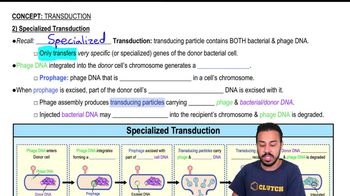
  • Specialized Transduction
    06:34

Introduction to Conjugation

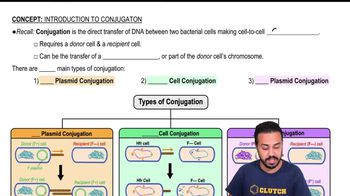
  • Introduction to Conjugation
    04:21

Conjugation: F Plasmids

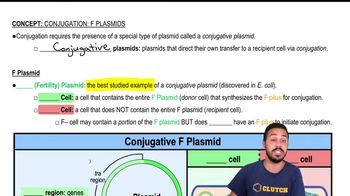
  • F Plasmids
    05:57
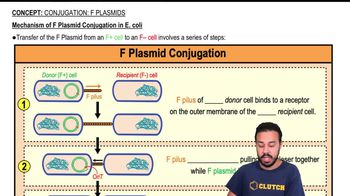
  • Mechanism of F Plasmid Conjugation in E. coli
    04:12

Conjugation: Hfr & F' Cells

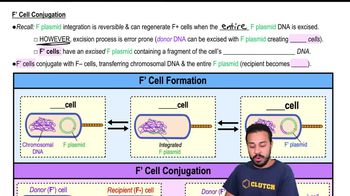
  • F’ Cell Conjugation
    04:31
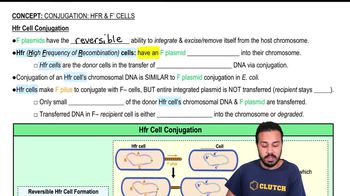
  • Hfr Cell Conjugation
    09:41